Artwork
Edward Seymour, First Duke of Somerset
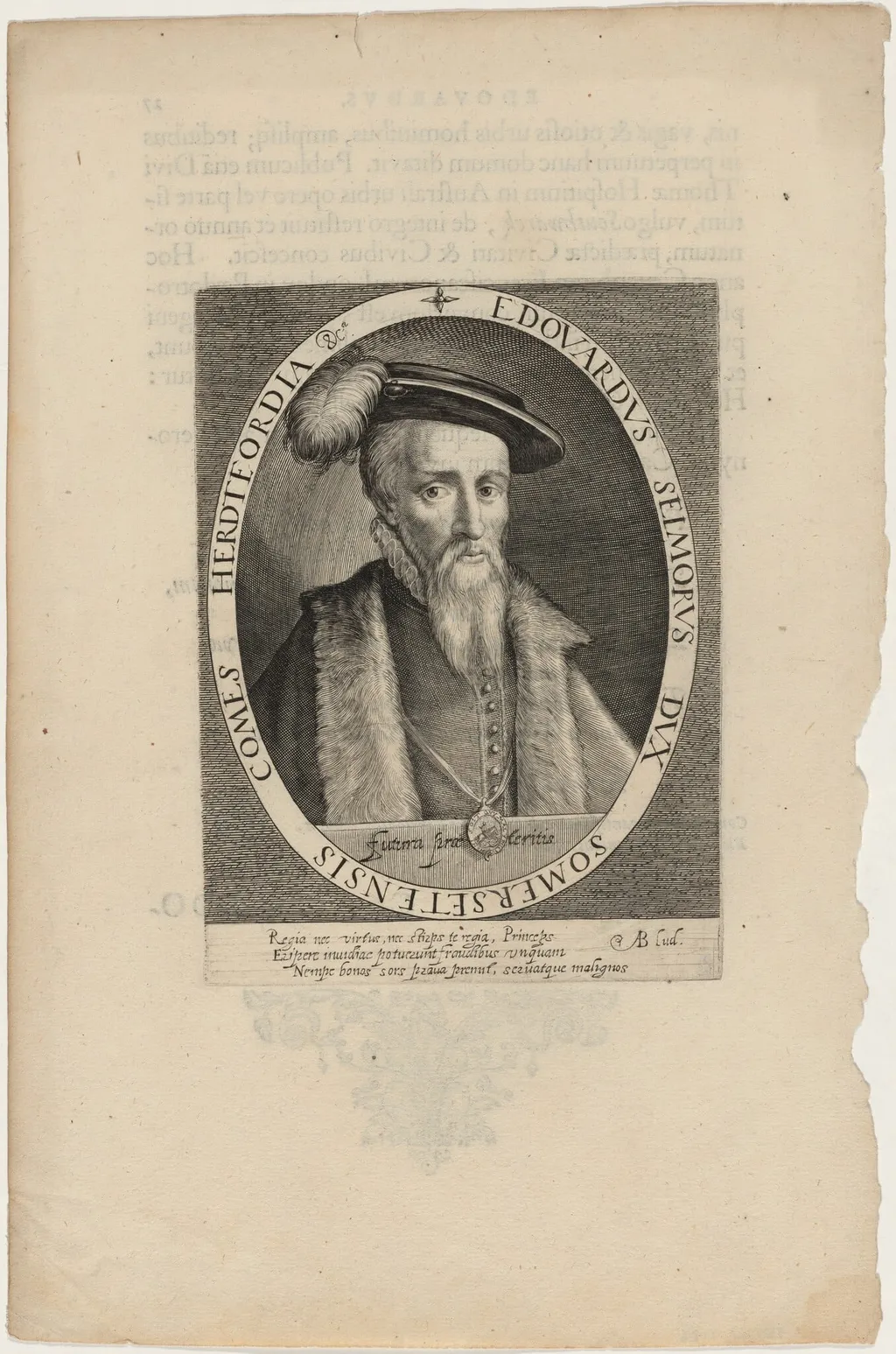
Edward Seymour, First Duke of Somerset is an ink print by the Baroque artist Willem de Passe. It dates from 1620 and is held in the collection of the National Gallery of Art.
About this work
Overview
This black-and-white engraving, produced in 1620 by Willem de Passe, depicts Edward Seymour, First Duke of Somerset, a prominent figure in Tudor England.
This black-and-white engraving, produced in 1620 by Willem de Passe, depicts Edward Seymour, First Duke of Somerset, a prominent figure in Tudor England. Rendered in fine linear detail, the portrait captures the subject in formal attire, framed by an ornate Latin inscription. The work belongs to a tradition of engraved portraiture used to disseminate the likenesses of nobility across Europe during the early 17th century.
Subject & Meaning
Edward Seymour, once Lord Protector of England during the minority of Edward VI, is portrayed with solemn dignity. His long white beard and low-drawn hat suggest age and authority, while the fur collar and suspended chain imply high rank and ceremonial status. The Latin border reinforces his title and legacy, positioning him not merely as a man but as a historical figure worthy of commemoration.
Technique & Style
De Passe employed precise, controlled engraving lines to model form and texture. Delicate cross-hatching renders the softness of fur, the sheen of fabric, and the subtle contours of the face. The slightly frayed edge of the hat introduces an intimate, humanizing detail amid the formality. The absence of color heightens the focus on line and tone, characteristic of Northern European printmaking of the period.
History & Provenance
Created in 1620, the engraving emerged decades after Seymour’s death in 1552, reflecting a continued interest in his political legacy. Willem de Passe, a Dutch artist known for his portraits of European elites, likely based the image on earlier paintings or drawings. The print was likely circulated among collectors and institutions, serving as a visual record of Tudor aristocracy.
Context
In early 17th-century Europe, engraved portraits were vital tools for preserving and distributing the images of the powerful, especially where painting was inaccessible. De Passe’s work aligns with a broader trend of printmakers translating aristocratic imagery into reproducible formats. Latin inscriptions were standard, signaling literacy, status, and cultural refinement among the elite.
Legacy
The engraving remains a key visual source for understanding how Seymour was remembered in the decades after his fall from power. Its technical precision and restrained composition reflect the values of early modern portraiture: dignity, permanence, and control. Though not widely exhibited today, it endures in museum and archival collections as a document of Tudor iconography.
Artist & collection

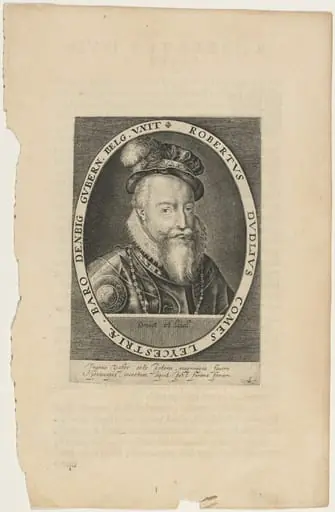
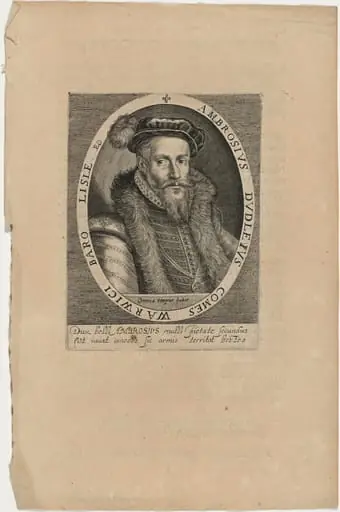 Ambrose Dudley, Earl of Warwick
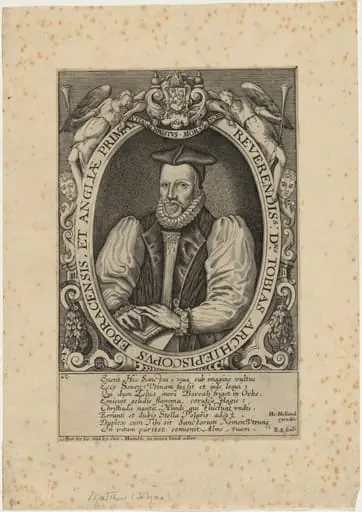 Tobias Matthew, D.D., Archbishop of York
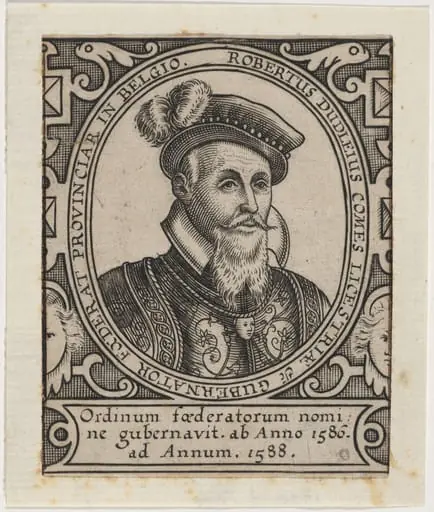 Robert Dudley, Earl of Leicester
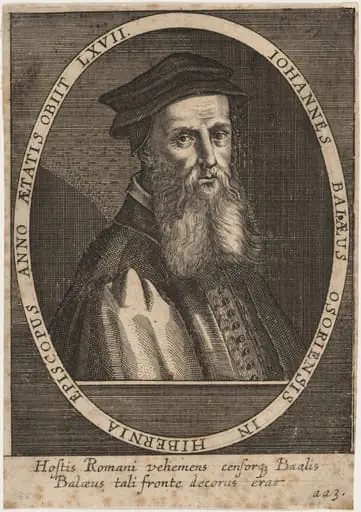 John Bale, Bishop of Ossory
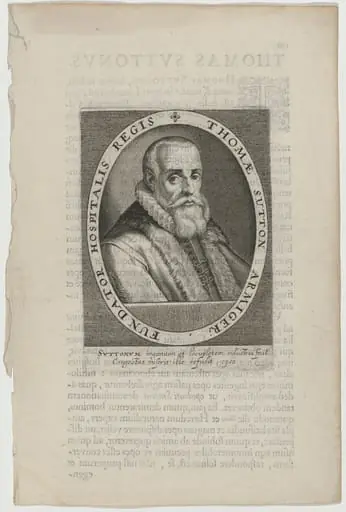 Thomas Sutton, Founder of the Charterhouse
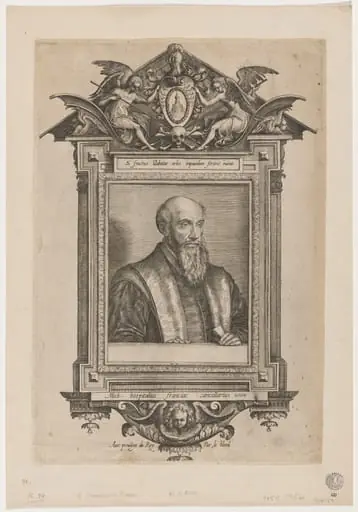 Portrait of a Man with a Long Beard
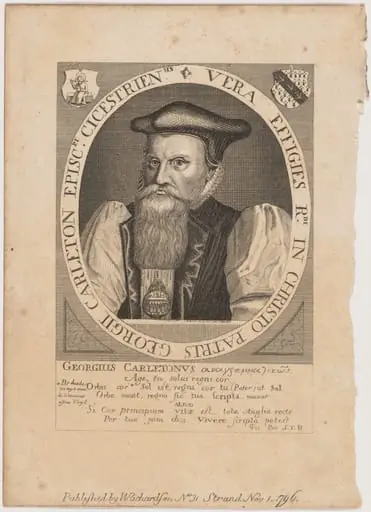 George Carlton, Clergyman
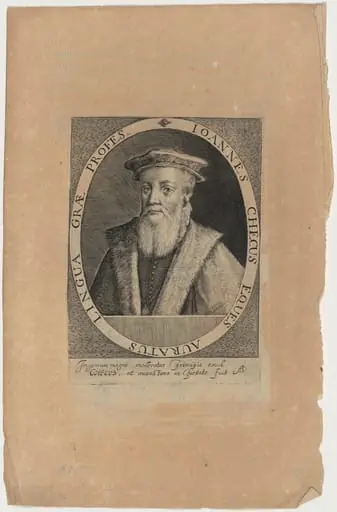 Sir John Cheke, Tutor to Edward VI
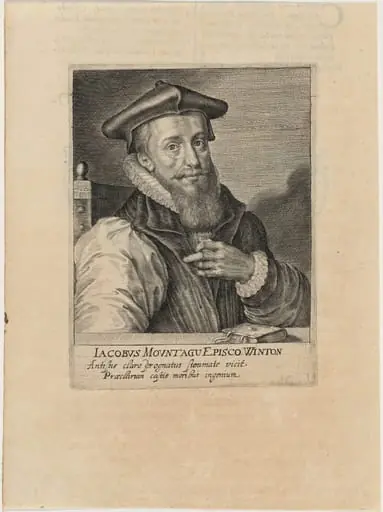 James Montagu, Bishop of Winchester
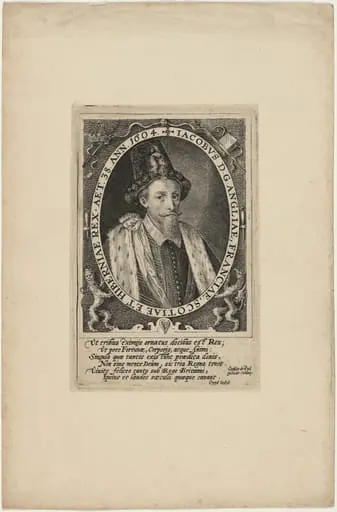 James I, King of England
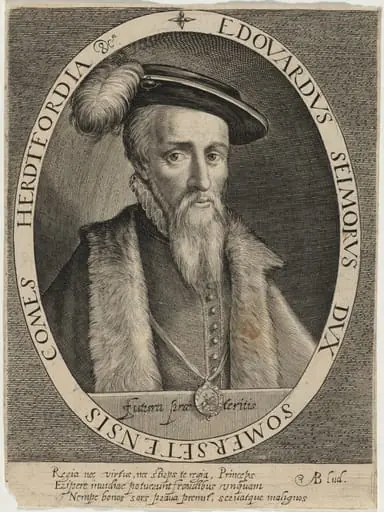 Edward Seymour, First Duke of Somerset