Artwork
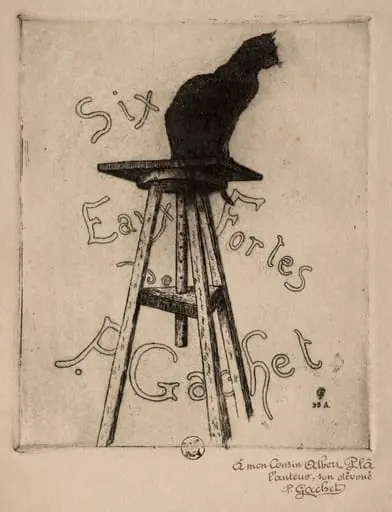
Six Etchings: Notre Dame, Pontoise
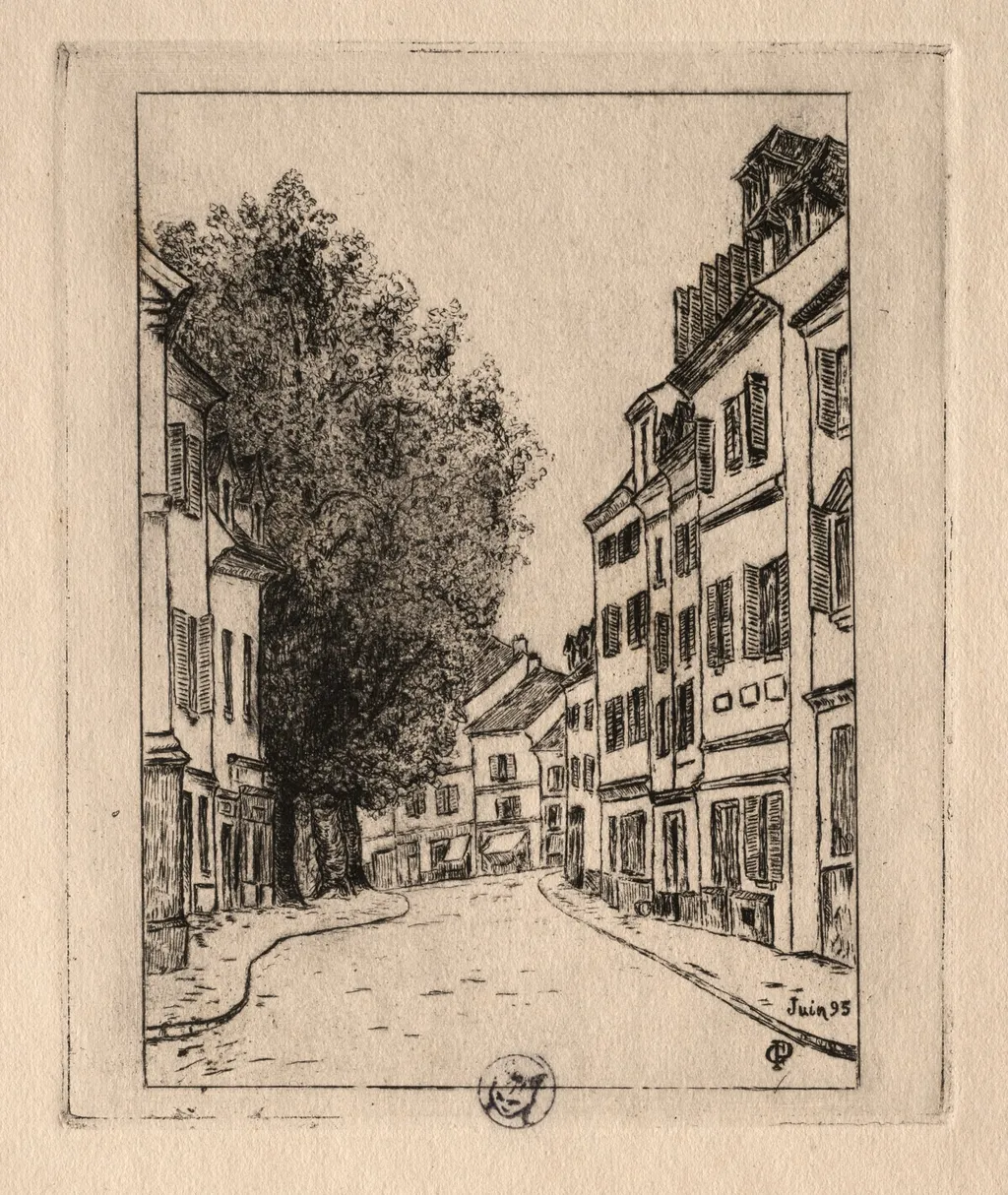
Six Etchings: Notre Dame, Pontoise is a print by the Impressionist artist Paul Gachet. It dates from 1895 and is held in the collection of the Cleveland Museum of Art.
About this work
Overview
Created in 1895, *Six Etchings: Notre Dame, Pontoise* is a series of six black-and-white prints by Paul Gachet, a French physician and printmaker.
Created in 1895, *Six Etchings: Notre Dame, Pontoise* is a series of six black-and-white prints by Paul Gachet, a French physician and printmaker. Though primarily known for his medical work with Vincent van Gogh, Gachet pursued art under the pseudonym Paul van Ryssel. These etchings capture quiet urban scenes in Pontoise, reflecting his personal interest in printmaking and his connection to the broader artistic community of the time.
Subject & Meaning
The series portrays the streets and architecture of Pontoise, focusing on modest dwellings near the church of Notre Dame. The compositions emphasize everyday life—narrow lanes, sloping roofs, and shaded cobblestones—offering a contemplative view of a provincial town. The absence of figures heightens the sense of stillness, suggesting an intimate observation rather than a grand narrative. The scenes reflect Gachet’s quiet appreciation for ordinary environments.
Technique & Style
Gachet employed fine, controlled lines to suggest form and depth, using minimal shading to define light and shadow. The buildings lean subtly, enhancing the feeling of intimate enclosure, while the tree in the center casts delicate, irregular shadows across the pavement. His approach is restrained, avoiding dramatic contrast in favor of tonal nuance. The technique aligns with the observational clarity of Impressionist printmaking, though executed with a quieter, more personal hand.
History & Provenance
The etchings were produced in 1895, during a period when Gachet was actively engaged with artists in the Parisian suburbs. He signed his works under the pseudonym Paul van Ryssel, possibly to separate his artistic identity from his medical reputation. The series remained largely private, circulated among friends and fellow collectors rather than exhibited publicly. No major institutional acquisition is documented until the 20th century.
Context
Gachet’s work emerged within the orbit of Impressionist and Post-Impressionist circles, particularly through his association with van Gogh and other artists who frequented Pontoise. While not a professional artist, his prints reflect the movement’s interest in everyday subjects and natural light. His choice of etching—a medium favored by contemporaries like Degas and Whistler—positions him within a broader trend of artists exploring print as a vehicle for personal expression.
Legacy
Though Gachet’s artistic output was modest and largely overlooked during his lifetime, the *Six Etchings* offer a rare glimpse into the private creative life of a figure more widely known for his medical role. Today, they are valued as quiet documents of late 19th-century provincial France and as examples of how non-professional artists contributed to the visual culture of the era through intimate, handcrafted prints.
Own this work as a print
Artist & collection
Artist
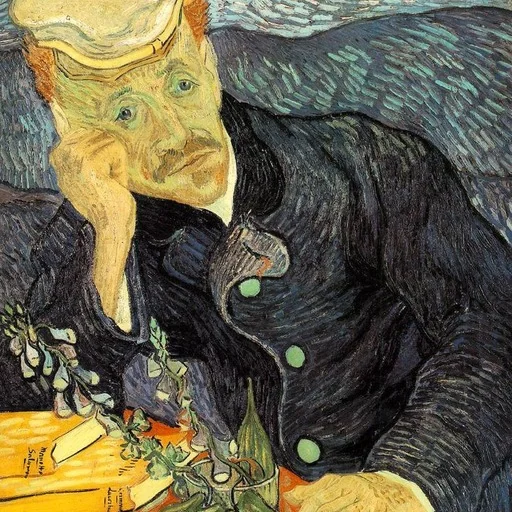
Paul-Ferdinand Gachet (30 July 1828 – 9 January 1909) was a French physician most famous for treating the painter Vincent van Gogh during his last weeks in Auvers-sur-Oise.

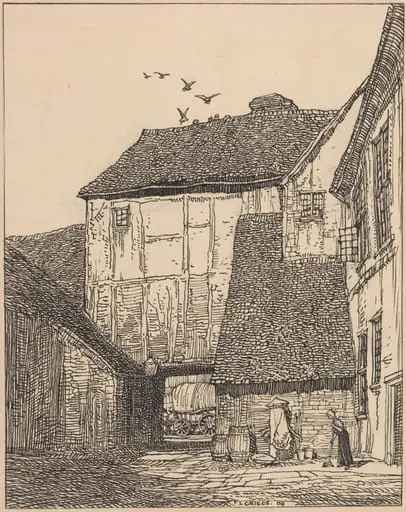 The George Inn, Beaconsfield
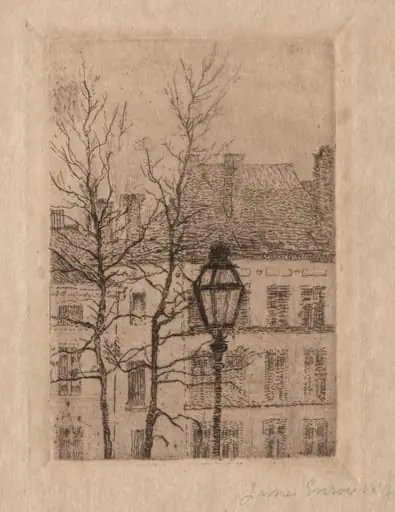 The Street Lamp
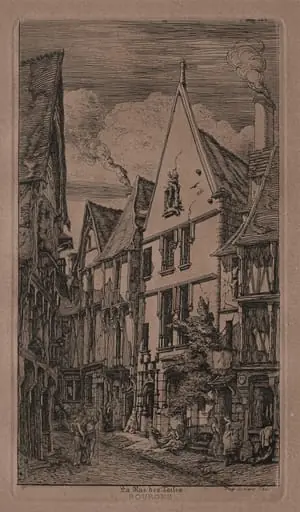 Rue des Toilés, Bourges
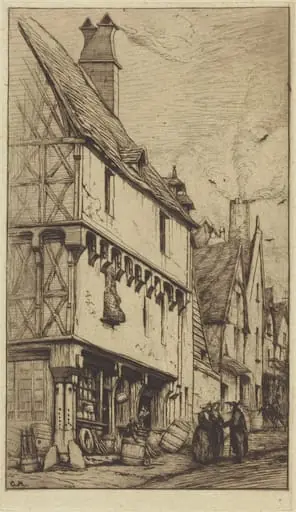 Ancienne habitation à Bourges, dite "La Maison du Musicien" (An Old House at Bourges, Sometimes Called the "Musician's House")
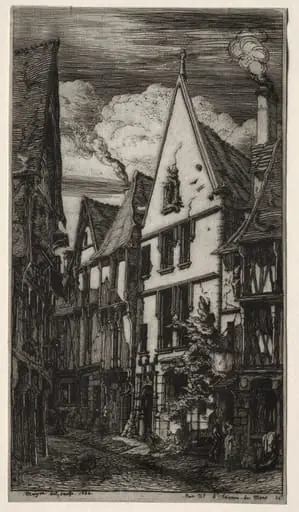 Rue des Toiles, Bourges
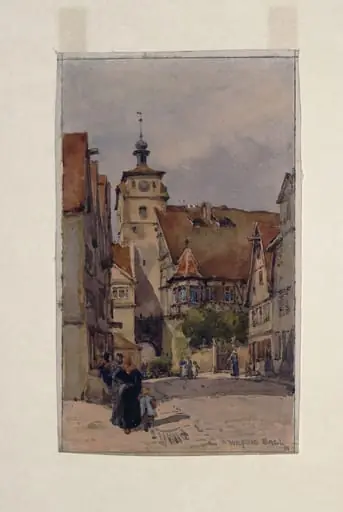 Street scene, Rotenburg, showing the White Tower and the Judentanzhaus
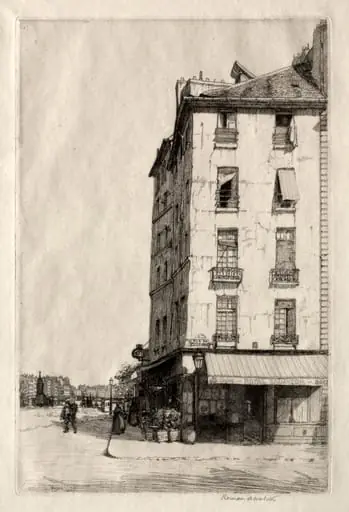 Quay Montebello
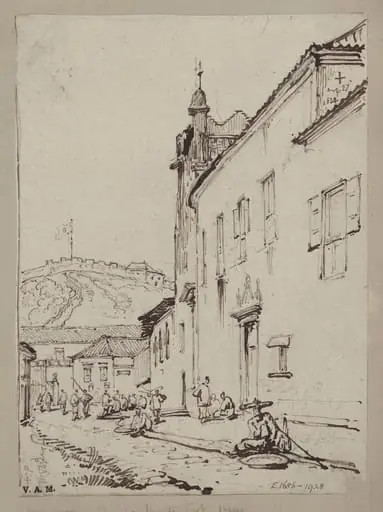 A view past the Misericordia Church towards Fort Monte, Macau
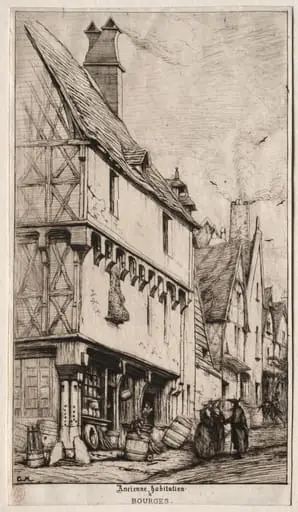 An Old House at Bourges, sometimes called the Musician's House
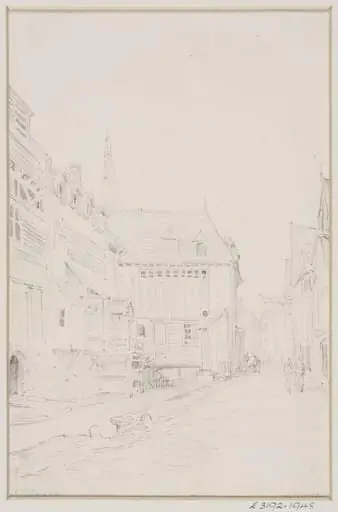 Topographical drawings
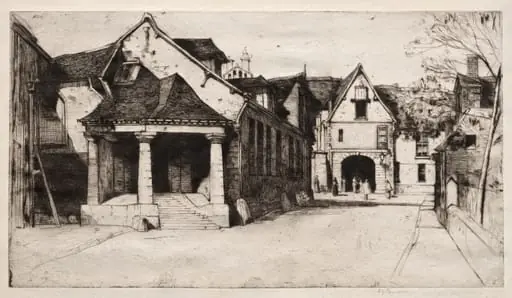 Old Museum, Beauvais
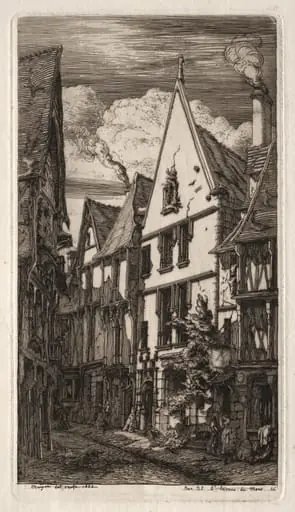 Etchings of Paris: à Bourges