Artwork
Six Etchings: Notre Dame Street, Pontoise
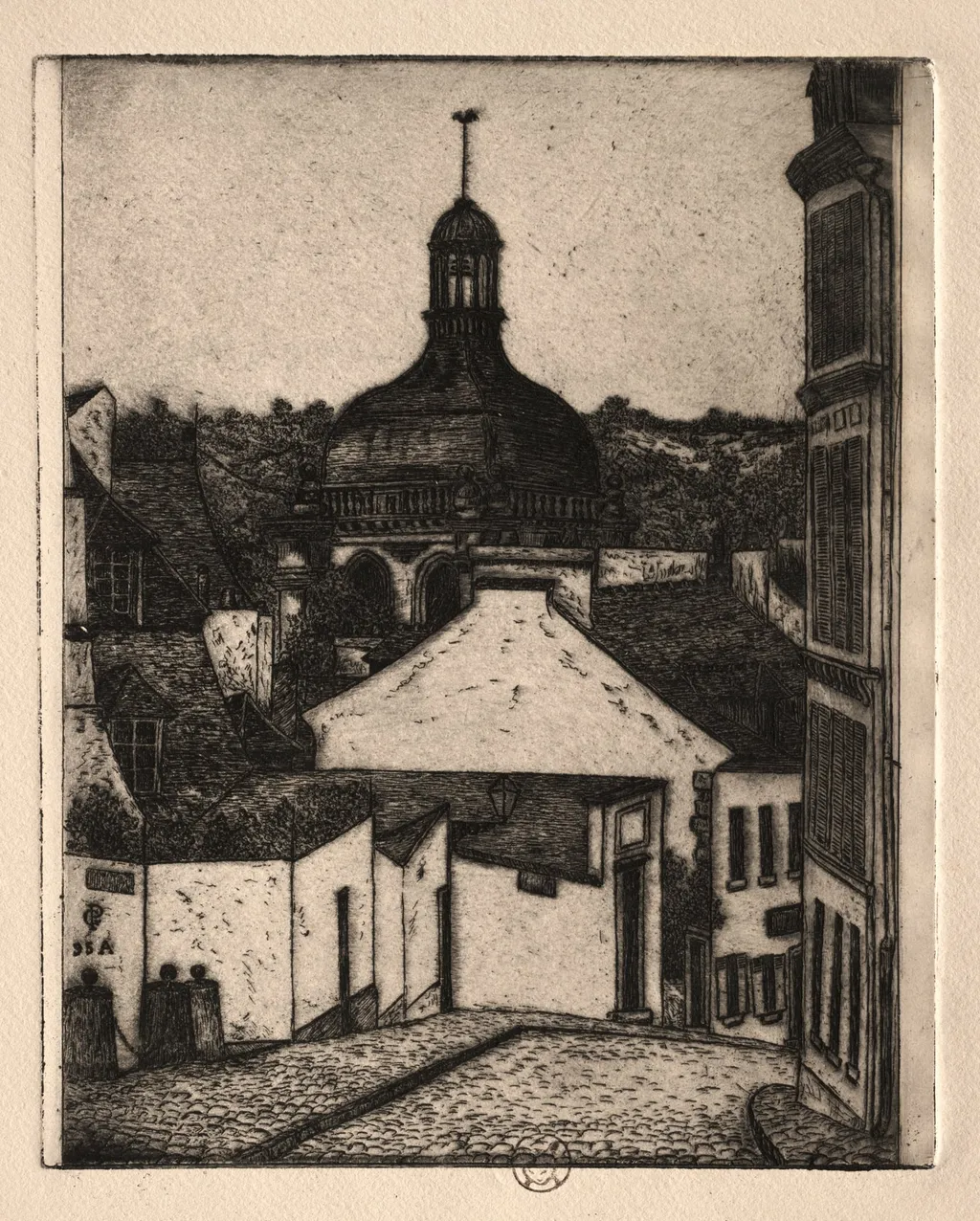
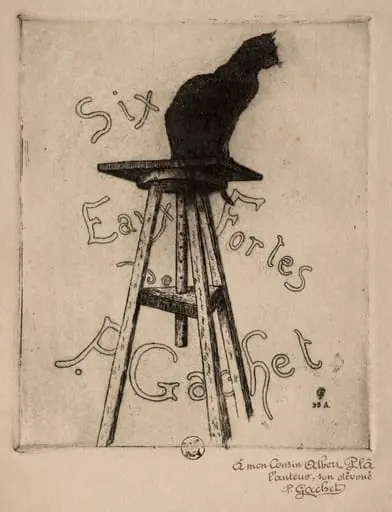
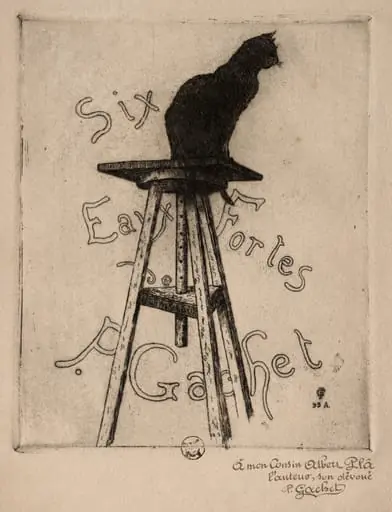
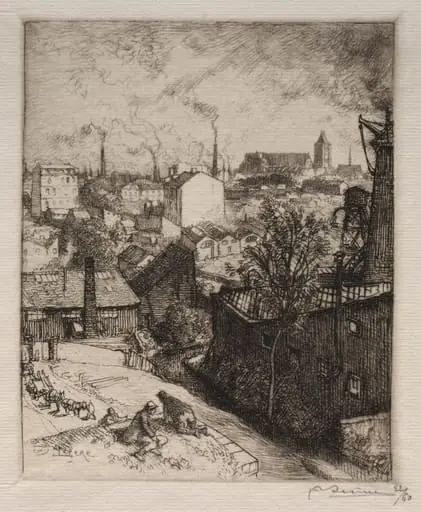
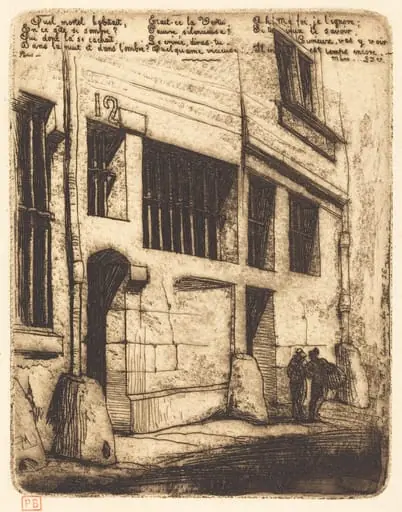
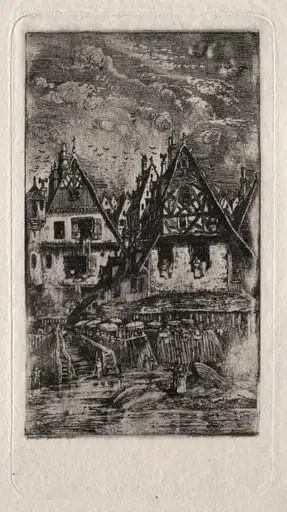
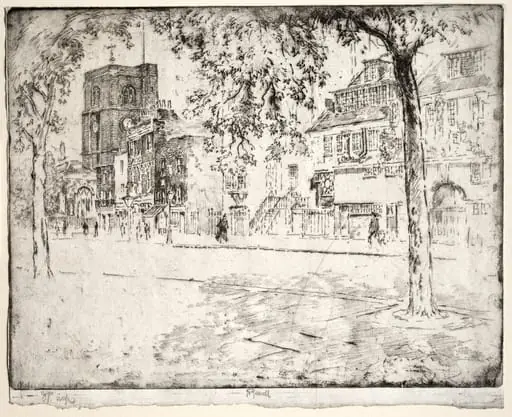
Six Etchings: Notre Dame Street, Pontoise is a print by the Impressionist artist Paul Gachet. It dates from 1895 and is held in the collection of the Cleveland Museum of Art.
About this work
Overview
Created in 1895, *Six Etchings: Notre Dame Street, Pontoise* is a series of prints by Paul Gachet, a French physician and printmaker.
Created in 1895, *Six Etchings: Notre Dame Street, Pontoise* is a series of prints by Paul Gachet, a French physician and printmaker. Though better known for his medical work with Vincent van Gogh, Gachet pursued art under the pseudonym Paul van Ryssel. The series captures quiet urban scenes from Pontoise, a town northwest of Paris, reflecting his interest in everyday landscapes and the subtle interplay of light and structure.
Subject & Meaning
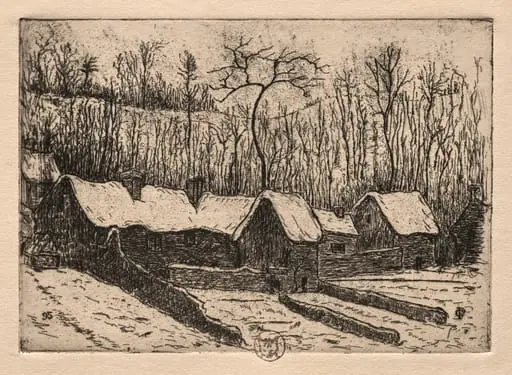
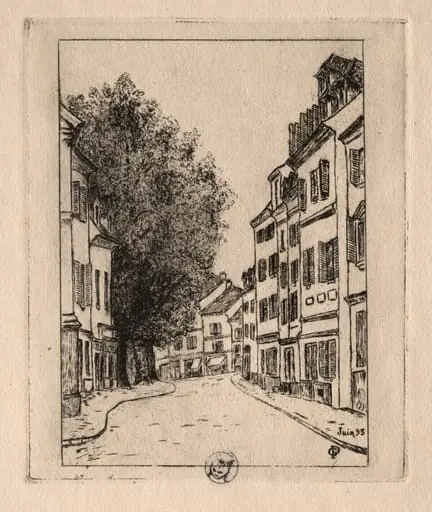
The etchings portray Notre Dame Street in Pontoise, focusing on its central church and surrounding residential buildings. The church’s dome serves as a visual anchor, drawing attention to the spiritual and architectural heart of the community. The quiet streets, empty of figures, suggest a contemplative mood, emphasizing stillness over narrative. These views reflect Gachet’s personal connection to the town and his interest in documenting its unassuming character.
Technique & Style
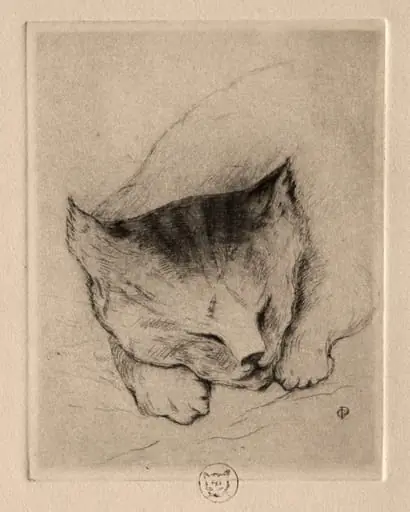
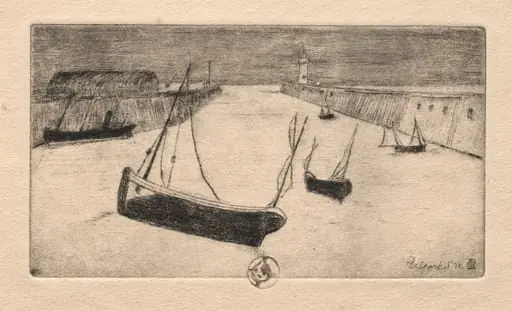
Gachet employed etching to achieve fine linear detail and tonal variation, using a restrained palette of grays to model form and space. The contrast between light and shadow, particularly around the church’s dome and stonework, enhances volume without overt drama. Delicate hatching and cross-hatching define textures of brick, cobblestone, and roof tiles, revealing a methodical approach rooted in observational precision rather than expressive flourish.
History & Provenance
Gachet produced the series during his later years, after his medical career had established his public identity. The prints were likely made for private circulation or small exhibitions among artistic circles in Île-de-France. Their survival in limited numbers suggests they were never widely distributed, and their provenance remains tied to collectors who valued Gachet’s dual role as physician and artist.
Context
Gachet’s work emerged within the broader Impressionist milieu, though his etchings diverge from the movement’s emphasis on color and fleeting effects. Instead, his focus on architectural solidity and subdued light aligns more closely with the tradition of topographical printmaking. Pontoise, a favored subject of Camille Pissarro, was a hub for artists, making Gachet’s depictions part of a local visual dialogue rather than a solitary endeavor.
Legacy
Though not widely recognized in mainstream art history, Gachet’s etchings offer a quiet counterpoint to the more celebrated works of his contemporaries. They preserve a specific moment in Pontoise’s urban fabric and reflect the personal, introspective side of an artist who lived at the intersection of science and aesthetics. Their modest scale and restrained tone continue to appeal to those interested in overlooked voices of late 19th-century printmaking.
Own this work as a print
Artist & collection
Artist
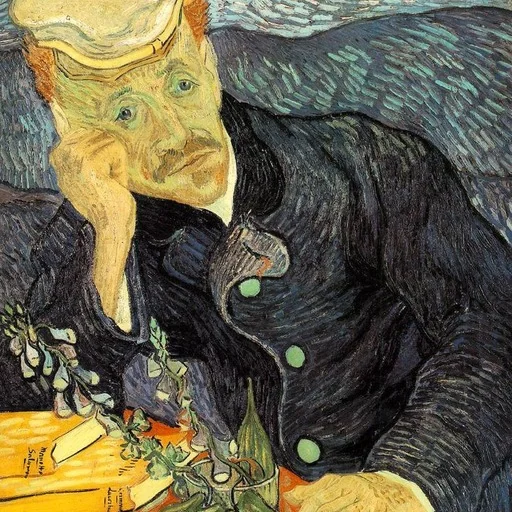
Paul-Ferdinand Gachet (30 July 1828 – 9 January 1909) was a French physician most famous for treating the painter Vincent van Gogh during his last weeks in Auvers-sur-Oise.