Artwork
Rave te hiti aamu (The Idol)
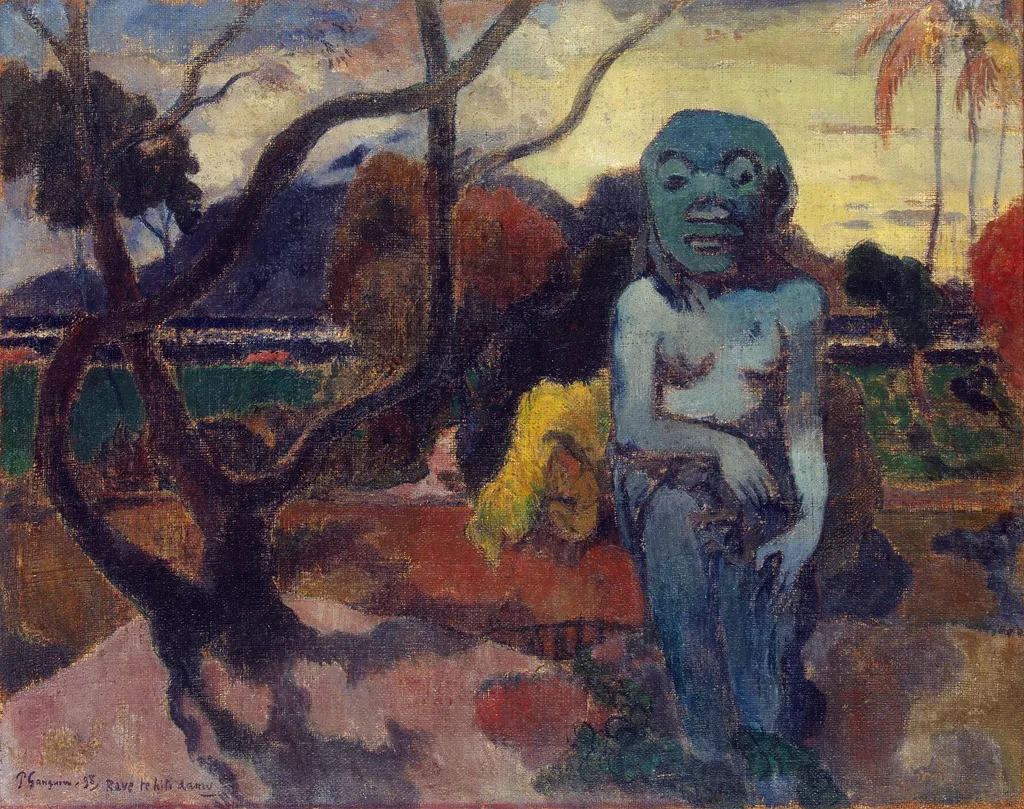
Rave te hiti aamu (The Idol) is an oil painting by the Post-Impressionist artist Paul Gauguin. It dates from 1900 and is held in the collection of the Hermitage Museum.
About this work
Overview
Painted in 1900, *Rave te hiti aamu (The Idol)* is an oil work by Paul Gauguin, reflecting his later years in the South Pacific.
Painted in 1900, *Rave te hiti aamu (The Idol)* is an oil work by Paul Gauguin, reflecting his later years in the South Pacific. It belongs to the Post-Impressionist tradition, emphasizing symbolic form over naturalistic representation. The painting is part of the State Hermitage Museum’s collection, acquired after Gauguin’s death. Its quiet composition and unconventional palette distinguish it from European academic traditions of the time.
Subject & Meaning
The central figure is a carved idol, rendered in deep blue, suggesting a spiritual or ancestral presence. Its human-like features and flowing hair evoke Polynesian religious imagery, though Gauguin’s interpretation blends imagined and observed elements. Set amid a tranquil landscape, the idol appears neither worshipped nor disturbed, existing as a silent witness to nature. The scene suggests a personal meditation on myth, memory, and the sacred in the everyday.
Technique & Style
Gauguin employed flat planes of unmodulated color and simplified contours, characteristic of Synthetism. The idol’s blue form contrasts with the yellow sky and lush green foliage, creating a non-naturalistic harmony. Brushwork is deliberate but not detailed; forms are outlined and filled with broad areas of color. The composition avoids perspective depth, favoring a decorative, almost mural-like arrangement that prioritizes emotional tone over spatial realism.
History & Provenance
Created during Gauguin’s final years in Tahiti, the painting was likely made in 1900, shortly before his return to France. It passed through private collections after his death in 1903 and was acquired by the Hermitage Museum in the early 20th century. Its journey reflects the growing European interest in non-Western art and Gauguin’s posthumous reputation as a pioneer of modernist expression.
Context
Gauguin sought to escape European modernity by immersing himself in what he perceived as unspoiled Pacific cultures. While his depictions of Polynesian life were often romanticized, *The Idol* reflects his attempt to visualize spiritual continuity beyond Christian frameworks. The painting emerged alongside his writings and sculptures, all part of a broader project to redefine art through symbolic, non-European aesthetics.
Legacy
Though not among Gauguin’s most widely reproduced works, *The Idol* exemplifies his mature synthesis of color, symbolism, and cultural aspiration. It influenced later modernists interested in primitivism and spiritual abstraction. Its quiet presence in the Hermitage underscores its role as a quiet but persistent testament to cross-cultural imagination—and the complexities of representing the sacred through a foreign lens.
Own this work as a print
Artist & collection
Artist
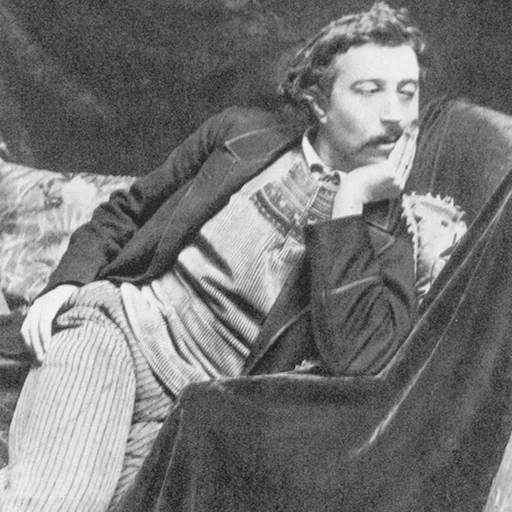
Eugène Henri Paul Gauguin (; French: ; 7 June 1848 – 8 May 1903) was a French painter, sculptor, printmaker, ceramist, and writer, whose work has been primarily associated with the Post-Impressionist and Symbolist movements.

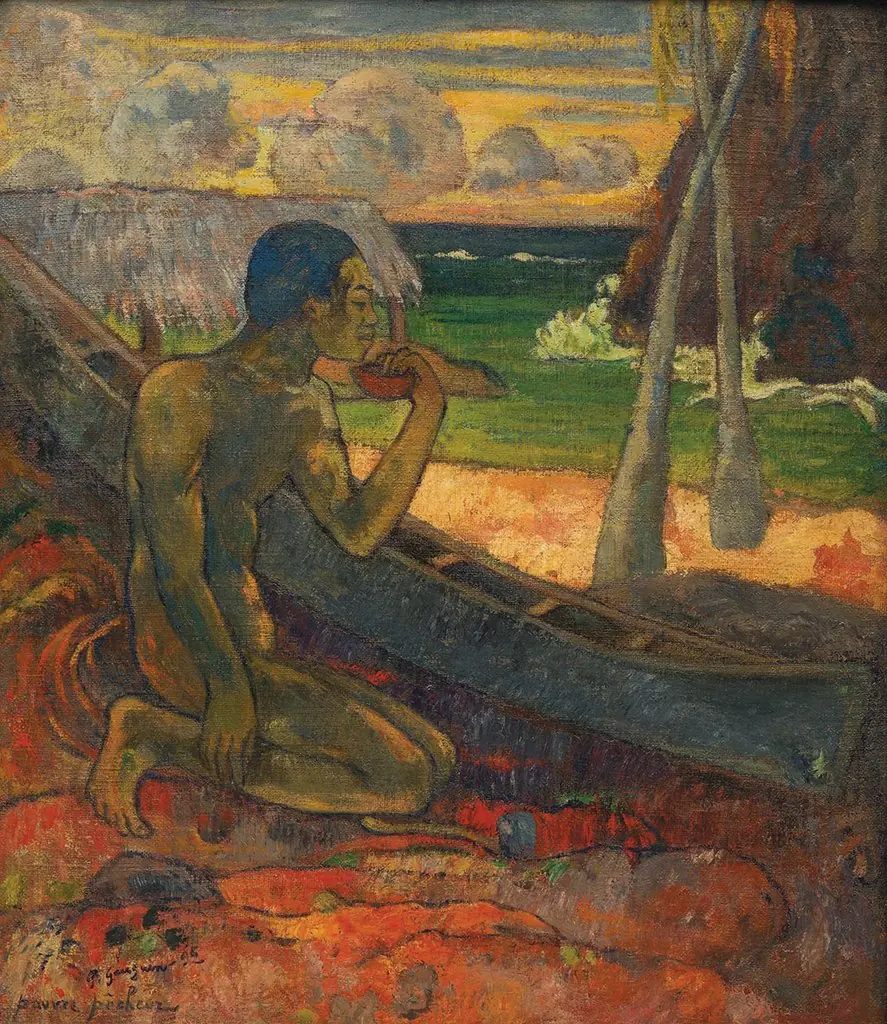 Poor Fisherman
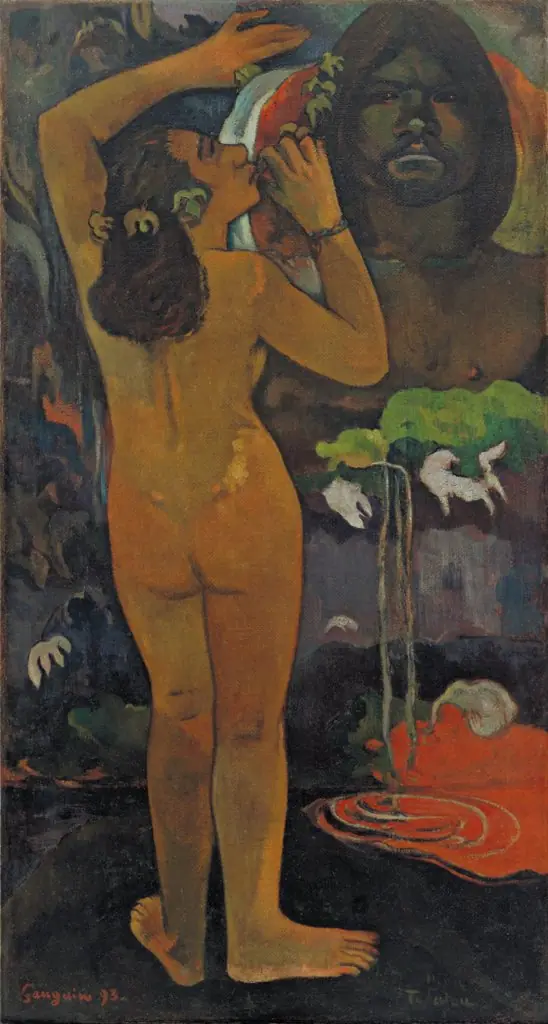 The Moon and the Earth
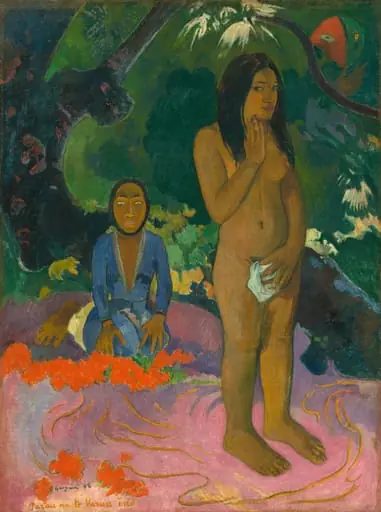 Parau na te Varua ino (Words of the Devil)
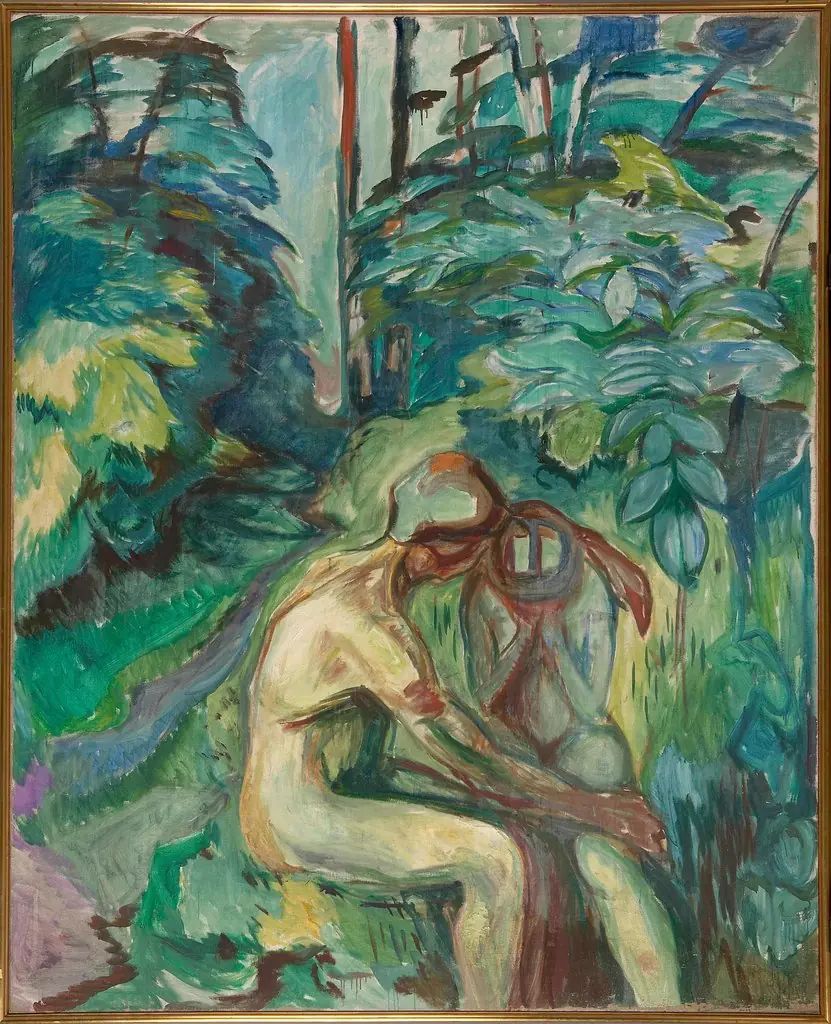 Consolation in the Forest
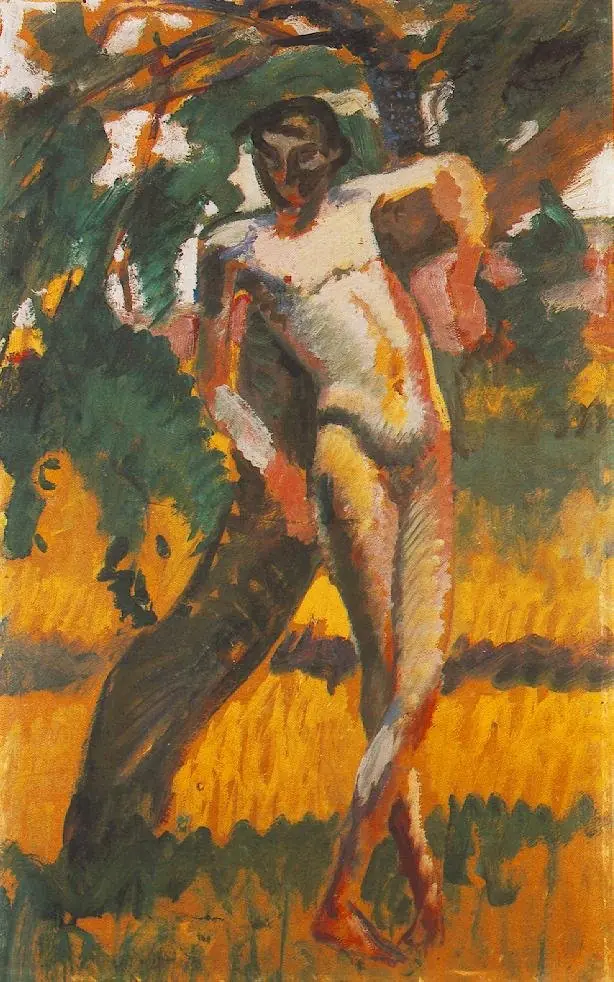 Nude Boy Leaning against a Tree
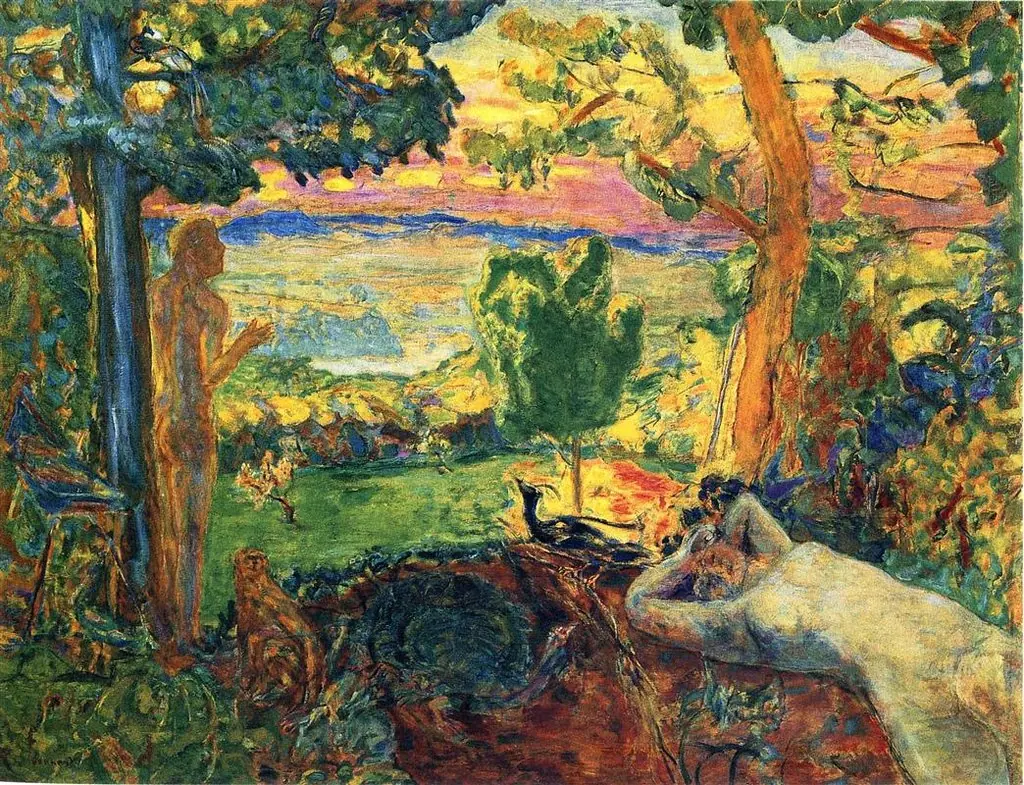 Earthly Paradise
 Seated Nude and Grotesque Masque
 Standing Naked African
 Fatata Te Moua (At the Foot of a Mountain)
 Luxembourg Gardens
 Paysage au soleil couchant. Le Cannet
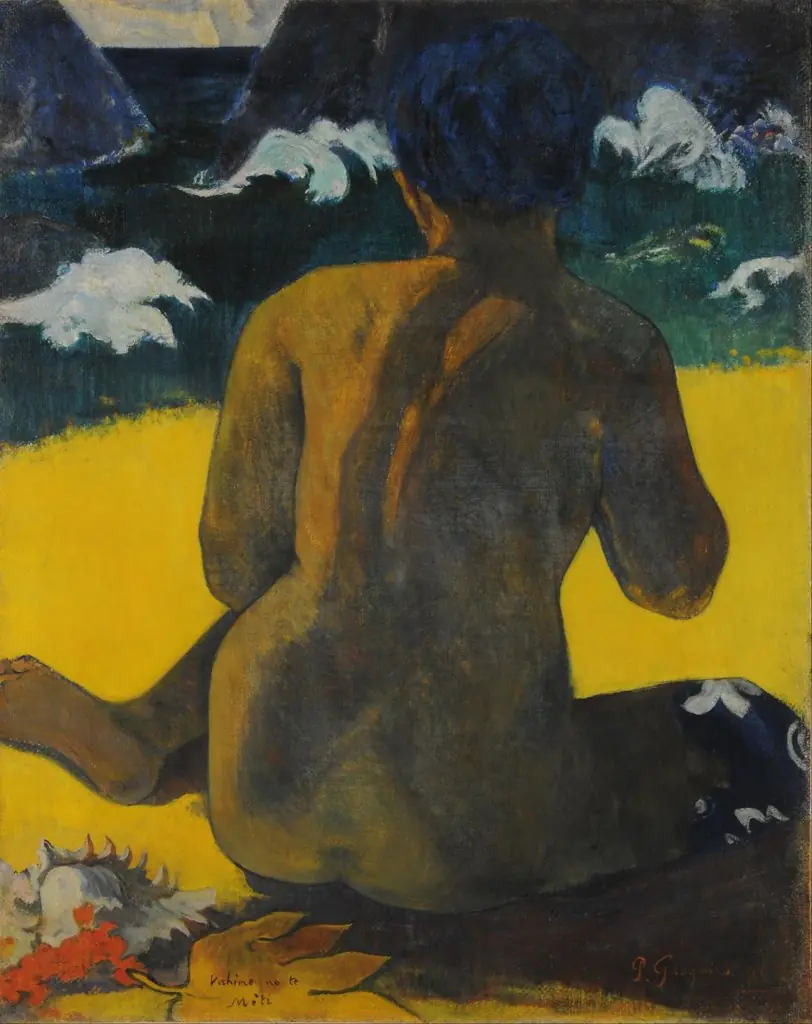 Woman at the beach