Artwork
Sacred Spring: Sweet Dreams (Nave nave moe)
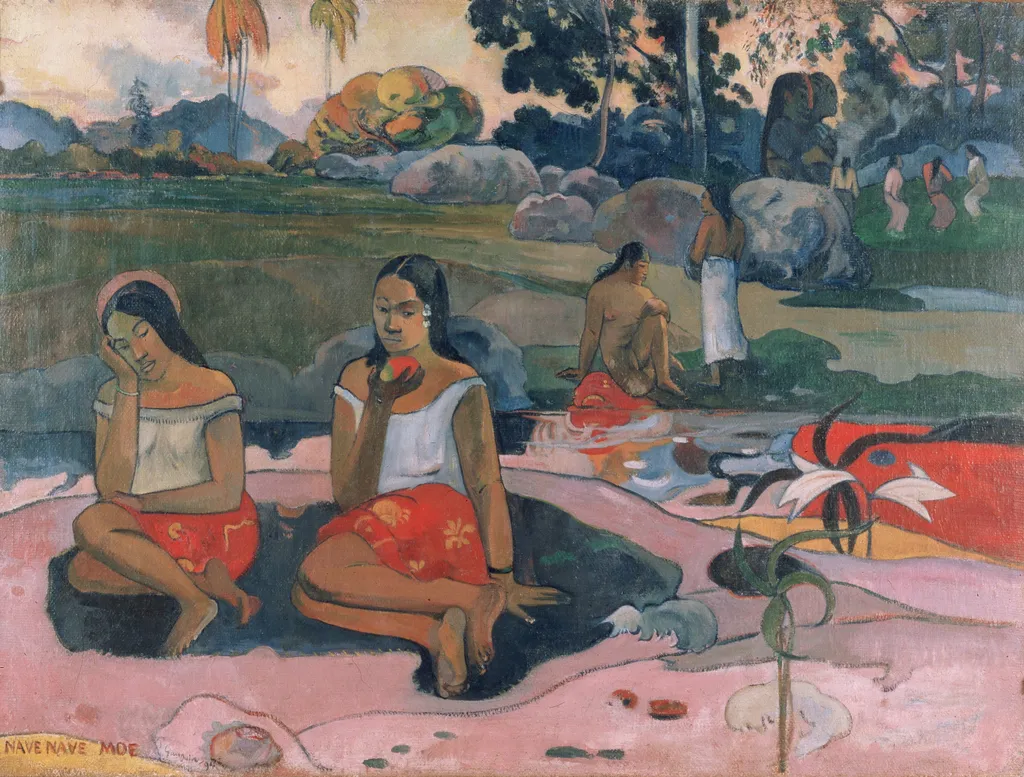
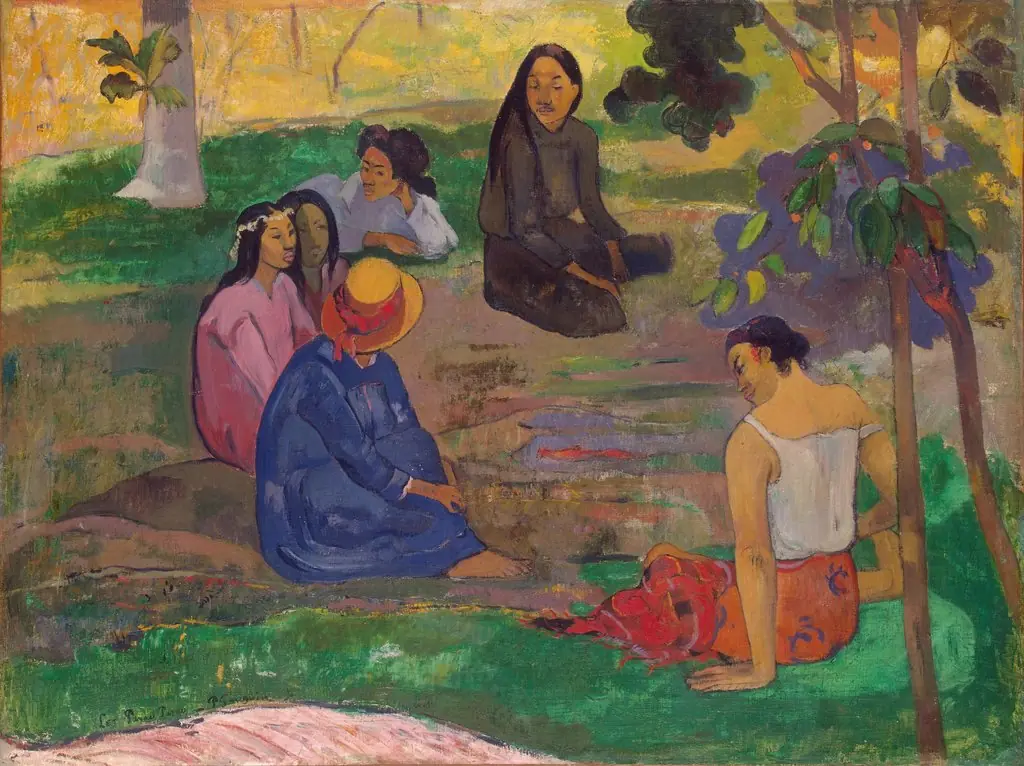
Sacred Spring: Sweet Dreams (Nave nave moe) is an oil painting by the Post-Impressionist artist Paul Gauguin. It dates from 1898 and is held in the collection of the Hermitage Museum.
About this work
This painting is called Sacred Spring: Sweet Dreams.
It was made by Paul Gauguin in 1894, but he got the idea from a trip he took to Tahiti a few years before. Gauguin was inspired by the people and places he saw on this trip.
You can learn more about his style by looking at the work of Paul Gauguin.
Overview
The painting reflects his ongoing engagement with Polynesian themes, reimagined through memory and imagination rather than direct observation.
Painted in Paris in 1894, Sacred Spring: Sweet Dreams (Nave nave moe) is an oil on canvas work by Paul Gauguin. Though created in France, its imagery draws from his 1891–1893 journey to Tahiti. The painting reflects his ongoing engagement with Polynesian themes, reimagined through memory and imagination rather than direct observation. It is currently held in the Hermitage Museum, Saint Petersburg.
Subject & Meaning
The painting depicts two reclining Tahitian women in a dreamlike landscape, their forms softened by muted tones and stylized contours. The title suggests a contemplative, almost sacred moment, evoking themes of rest, femininity, and spiritual tranquility. Gauguin infused the scene with symbolic undertones, blending local customs with his own idealized vision of an unspoiled, mythic South Pacific.
Technique & Style
Gauguin employed flat planes of color, bold outlines, and simplified forms, characteristic of his post-Impressionist approach. The composition avoids perspective depth, favoring decorative patterning and symbolic arrangement. Brushwork is deliberate yet restrained, with areas of unmodulated pigment enhancing the otherworldly atmosphere. His style here diverges from naturalism, prioritizing emotional resonance over anatomical accuracy.
History & Provenance
The painting was first exhibited in 1895 under the title Eau délicieuse at an auction house in Paris. In 1907, it entered the collection of Russian industrialist Ivan Morozov. Following the Bolshevik Revolution, it was nationalized and displayed at the State Museum of Modern Western Art. In 1931, it was transferred to the Hermitage Museum, where it remains today.
Context
Created during Gauguin’s return to Europe after his first Tahitian sojourn, the work reflects his attempt to reconcile his experiences abroad with the expectations of Parisian audiences. He sought to construct an exoticized, spiritual alternative to Western modernity, drawing on ethnographic sources and personal fantasy. This painting is part of a broader series exploring Tahitian mythology and domestic life.
Legacy
Sacred Spring: Sweet Dreams exemplifies Gauguin’s influence on early modernist movements through its rejection of academic realism and embrace of symbolic content. While later critics questioned his romanticization of Polynesian culture, the painting remains a key example of how non-Western motifs were reinterpreted in European art. Its presence in the Hermitage underscores its significance in the global reception of post-Impressionism.
Own this work as a print
Artist & collection
Artist
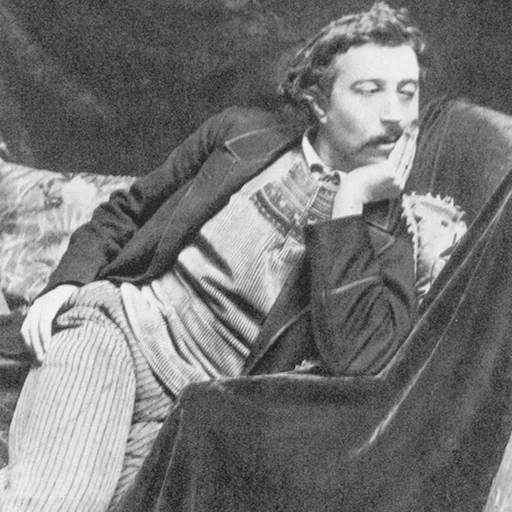
Eugène Henri Paul Gauguin (; French: ; 7 June 1848 – 8 May 1903) was a French painter, sculptor, printmaker, ceramist, and writer, whose work has been primarily associated with the Post-Impressionist and Symbolist movements.