Artwork
The Offering
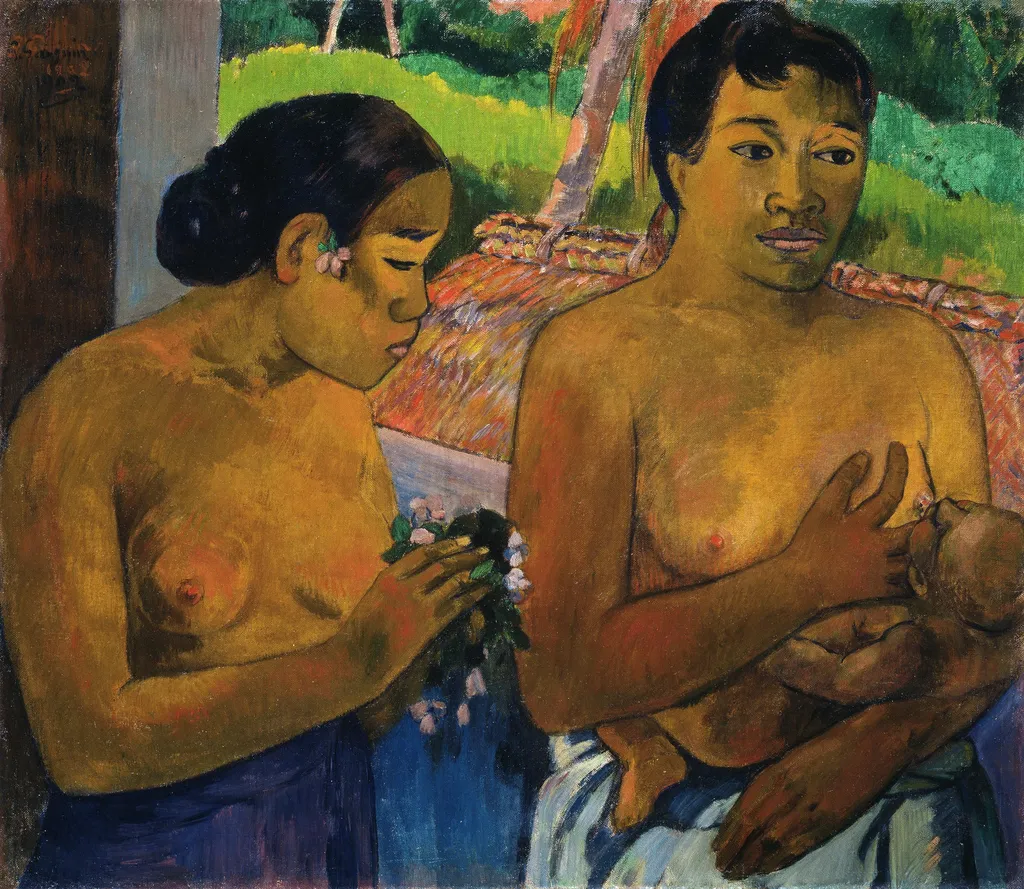
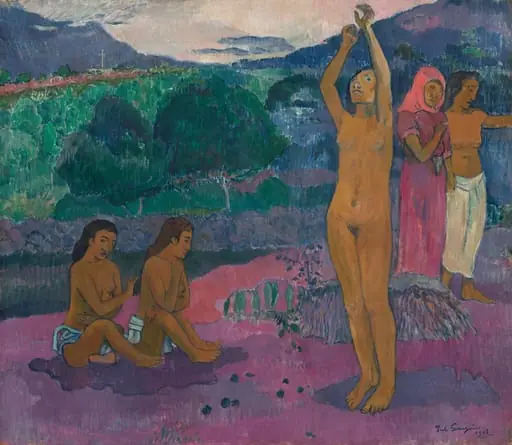
The Offering is an oil painting by the Post-Impressionist artist Paul Gauguin. It dates from 1902 and is held in the collection of the Foundation E.G. Bührle Collection.
About this work
Overview
The Offering, painted by Paul Gauguin in 1902, is an oil painting created during his Polynesian period. It features two topless women and a baby in a natural setting, characterized by warm colors and soft brushstrokes evoking calmness.
Subject & Meaning
The scene depicts an intimate moment with a breastfeeding woman and another holding flowers, centering the baby. The composition conveys a sense of serenity and natural intimacy, typical of Gauguin's emphasis on emotional expression.
Technique & Style
Gauguin's Post-Impressionist and Synthetist approach is evident in the painting's expressive use of color and departure from Impressionist techniques, focusing on symbolic and emotional depth over realism.
History & Provenance
Created in 1902, The Offering is part of the Kunsthaus Zürich collection, reflecting Gauguin's later stylistic developments during his time in Polynesia.
Context
The work aligns with Gauguin's Polynesian period themes, often depicting everyday life with bold, vibrant colors, though specific cultural or narrative contexts of The Offering are not explicitly detailed in available information.
Legacy
As a late work by Gauguin, The Offering contributes to the broader legacy of Post-Impressionism and Synthetism, influencing subsequent artistic movements with its emphasis on emotional and symbolic expression.
Own this work as a print
Artist & collection
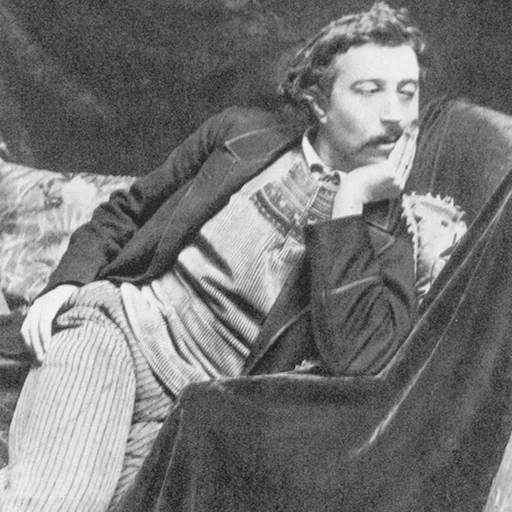
Artist
Eugène Henri Paul Gauguin (; French: ; 7 June 1848 – 8 May 1903) was a French painter, sculptor, printmaker, ceramist, and writer, whose work has been primarily associated with the Post-Impressionist and Symbolist movements.