Artwork
Untitled
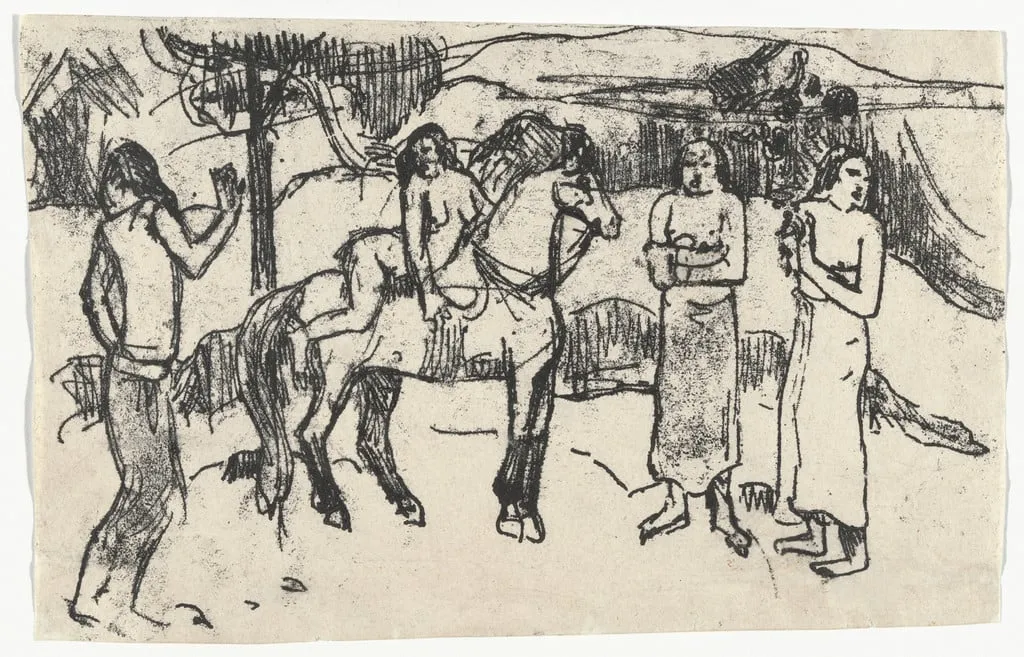
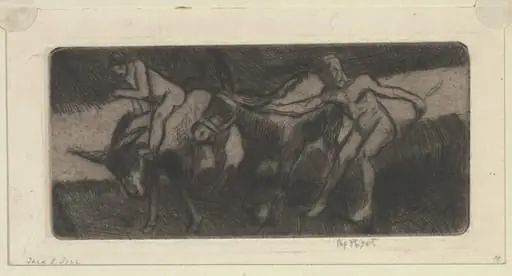
Untitled is an oil print by Paul Gauguin. It dates from 1902 and is held in the collection of the Museum of Modern Art.
About this work
Overview
Created in 1902, this oil transfer drawing by Paul Gauguin belongs to a series of experimental works made during his final years in the South Pacific.
Created in 1902, this oil transfer drawing by Paul Gauguin belongs to a series of experimental works made during his final years in the South Pacific. The technique, involving the transfer of oil-based pigment from one surface to another, allowed for spontaneous, textured marks that diverged from traditional printmaking. The resulting image carries a raw, immediate quality, reflecting Gauguin’s interest in process as much as subject.
Subject & Meaning
The composition depicts five robed figures and a single horse, arranged in a procession moving to the right. The figures, rendered without individualizing features, suggest ritual or pilgrimage rather than specific identities. Their synchronized motion and elongated forms evoke a sense of collective movement, possibly referencing spiritual or mythic journeys—themes central to Gauguin’s Symbolist leanings and his search for transcendent meaning beyond Western norms.
Technique & Style
Gauguin employed oil transfer to achieve a loose, gestural line quality, allowing the pigment to bleed and smudge unpredictably. The drawing’s dark, scribbled contours against a pale ground emphasize rhythm over precision. Forms are simplified, outlines are bold and uneven, and textures are built through layered, almost chaotic strokes—hallmarks of his Synthetist approach, which favored emotional resonance over optical realism.
History & Provenance
This work emerged during Gauguin’s time in the Marquesas Islands, where he lived in relative isolation and increasingly turned to drawing as a primary medium. Few oil transfer works from this period survive, and this piece is among the few documented examples. It entered institutional collections in the mid-20th century, valued for its rarity and its insight into Gauguin’s late experimental phase.
Context
In the early 1900s, Gauguin distanced himself from European art markets and embraced indigenous cultures as sources of spiritual and aesthetic renewal. His drawings from this period often merged Polynesian motifs with personal symbolism, rejecting academic conventions. This work reflects his broader rejection of naturalism and his pursuit of a visual language rooted in myth, memory, and emotional expression.
Legacy
Though less known than his paintings, Gauguin’s late drawings influenced later Expressionist and Primitivist artists who valued raw mark-making and symbolic content. This piece exemplifies his commitment to process-driven art, where imperfection and spontaneity became vehicles for deeper meaning. It remains a key example of how printmaking techniques could be adapted to convey inner states rather than external reality.
Artist & collection
Artist
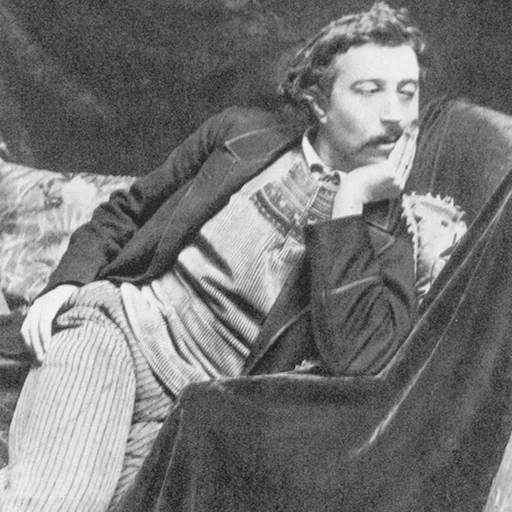
Eugène Henri Paul Gauguin (; French: ; 7 June 1848 – 8 May 1903) was a French painter, sculptor, printmaker, ceramist, and writer, whose work has been primarily associated with the Post-Impressionist and Symbolist movements.

 Untitled
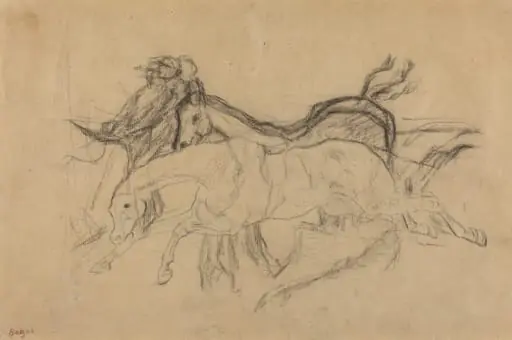 Racehorses (study for "Scene from the Steeplechase: The Fallen Jockey")
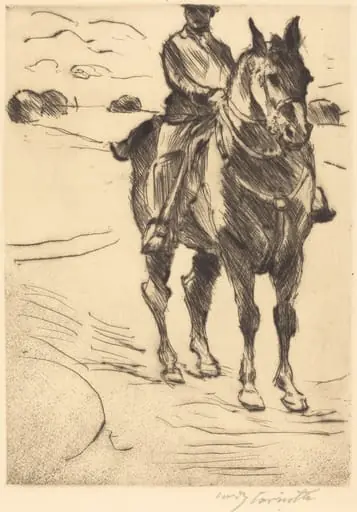 Reiter II (Horseman II)
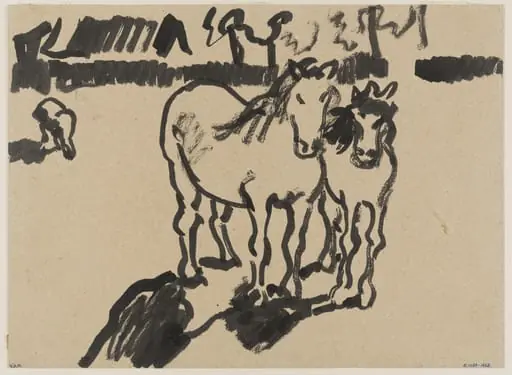 Untitled
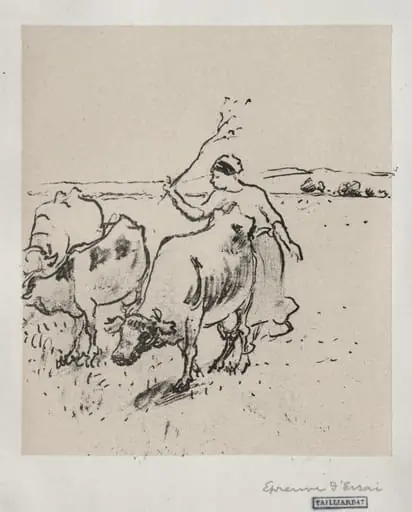 Cowherder
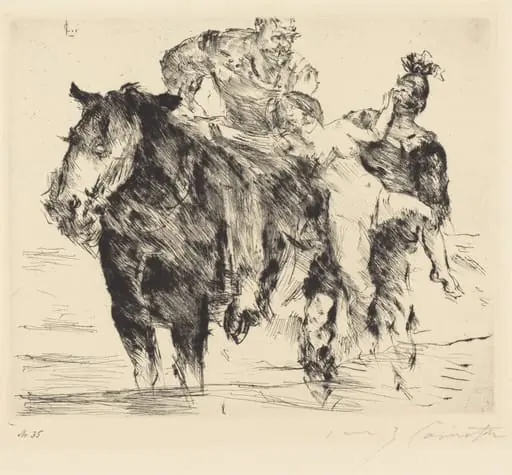 Frauenräuber (Rape)
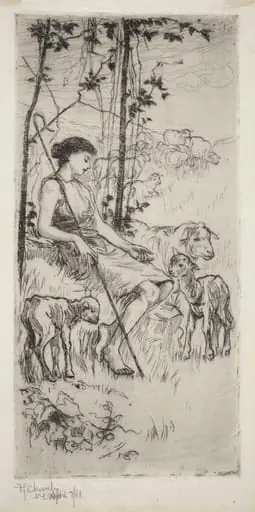 A Pastoral
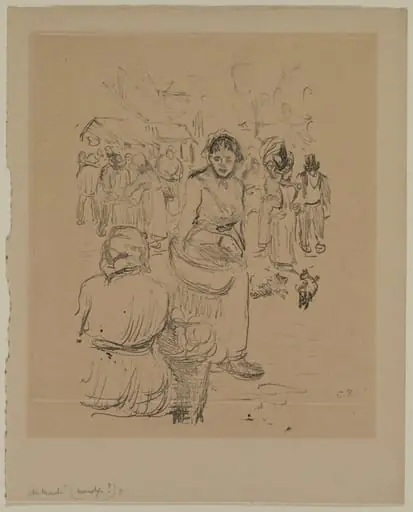 At the Market
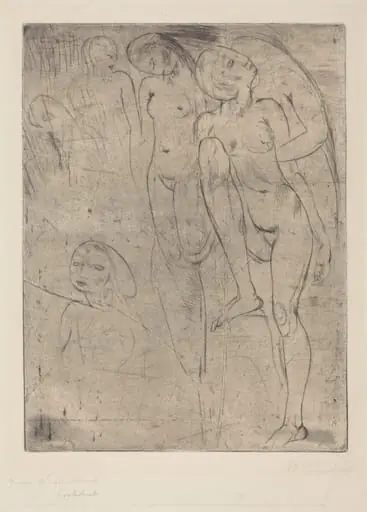 Large Resurrection (Grosse Auferstehung)
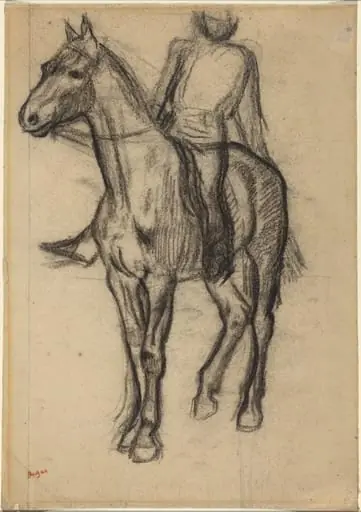 Horse and Rider
 Femmes s'essuyant (Women Drying Themselves)
 Singer at the Café-Concert and The Harvesters (Les Moissonneurs)