Artwork
Village in Martinique (Femmes et Chevre dans le village)
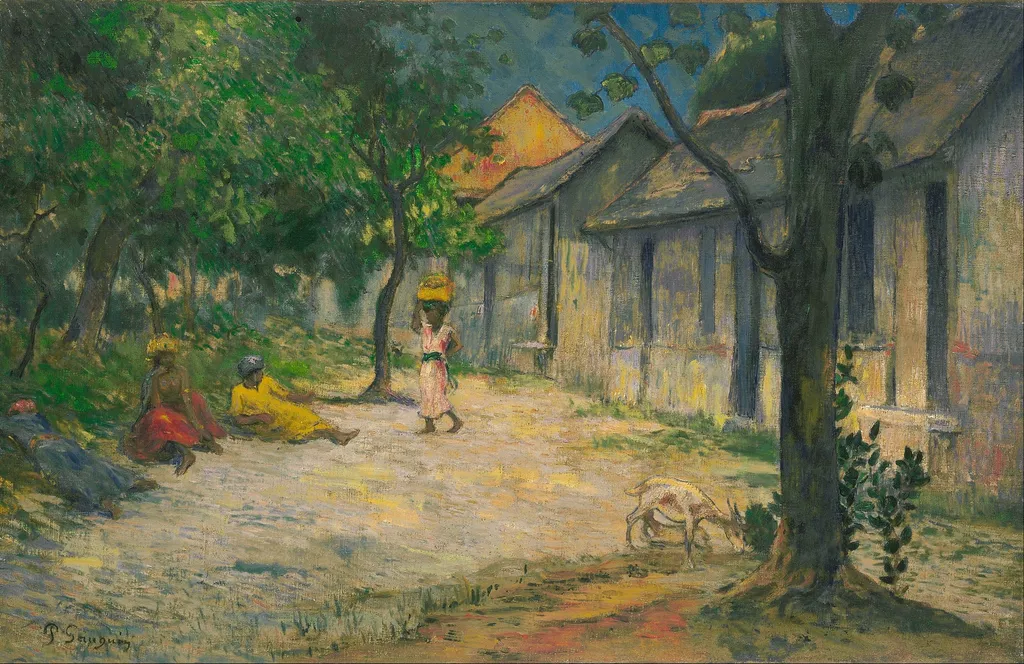
Village in Martinique (Femmes et Chevre dans le village) is an oil painting by the Post-Impressionist artist Paul Gauguin. It dates from 1894 and is held in the collection of the Israel Museum.
About this work
Overview
Gauguin’s use of oil paint here reflects his evolving approach to color and structure, distinct from his earlier Impressionist phase.
Painted in 1894 during Paul Gauguin’s stay in Martinique, this oil-on-canvas work captures a quiet rural moment. It belongs to a series of works he produced after leaving France, seeking alternative cultural and aesthetic environments. The scene is unidealized, focusing on everyday life rather than romanticized exoticism. Gauguin’s use of oil paint here reflects his evolving approach to color and structure, distinct from his earlier Impressionist phase.
Subject & Meaning
The painting depicts local women and a goat in a modest village setting, with the animal grazing from a basket near a simple structure. Figures are arranged loosely, their postures suggesting stillness rather than narrative action. Gauguin’s interest lay not in documenting specifics but in conveying a sense of harmony between people, animals, and environment—a quiet meditation on communal life outside European urban centers.
Technique & Style
Gauguin employed thick, visible brushstrokes and flattened spatial planes, rejecting naturalistic perspective in favor of expressive form. The palette leans into warm ochres, greens, and yellows, creating a luminous, almost decorative atmosphere. Color is used symbolically rather than observationally, with contours softened and edges blurred to emphasize mood over detail. The texture of the paint adds a tactile quality, reinforcing the painting’s physical presence.
History & Provenance
Created during Gauguin’s second trip to the Caribbean, the painting remained in private hands until entering the Israel Museum’s collection. Its journey reflects broader patterns of early 20th-century art acquisition, as European collectors increasingly sought works by artists who had turned away from metropolitan norms. The museum acquired it as part of a growing effort to represent non-European influences in modern art.
Context
Gauguin’s time in Martinique followed his disillusionment with Parisian art circles and preceded his permanent move to Tahiti. In Martinique, he sought to engage with local culture, though his perspective remained filtered through European romanticism. This painting is part of a broader trend among late 19th-century artists who looked to colonial territories for perceived authenticity, even as their interpretations often overlooked indigenous complexity.
Legacy
Though less celebrated than his later Polynesian works, this painting illustrates Gauguin’s transitional phase—where his formal experiments began to align with his thematic pursuits. It influenced subsequent generations interested in primitivism and non-Western aesthetics, even as later critics questioned the ethics of his cultural appropriation. The work remains a quiet testament to his search for artistic renewal beyond Europe.
Own this work as a print
Artist & collection
Artist
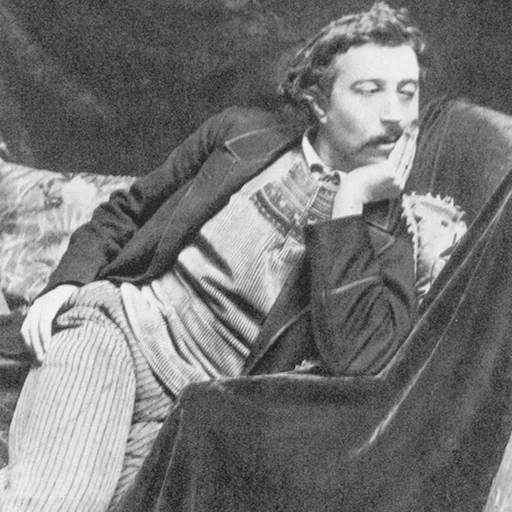
Eugène Henri Paul Gauguin (; French: ; 7 June 1848 – 8 May 1903) was a French painter, sculptor, printmaker, ceramist, and writer, whose work has been primarily associated with the Post-Impressionist and Symbolist movements.

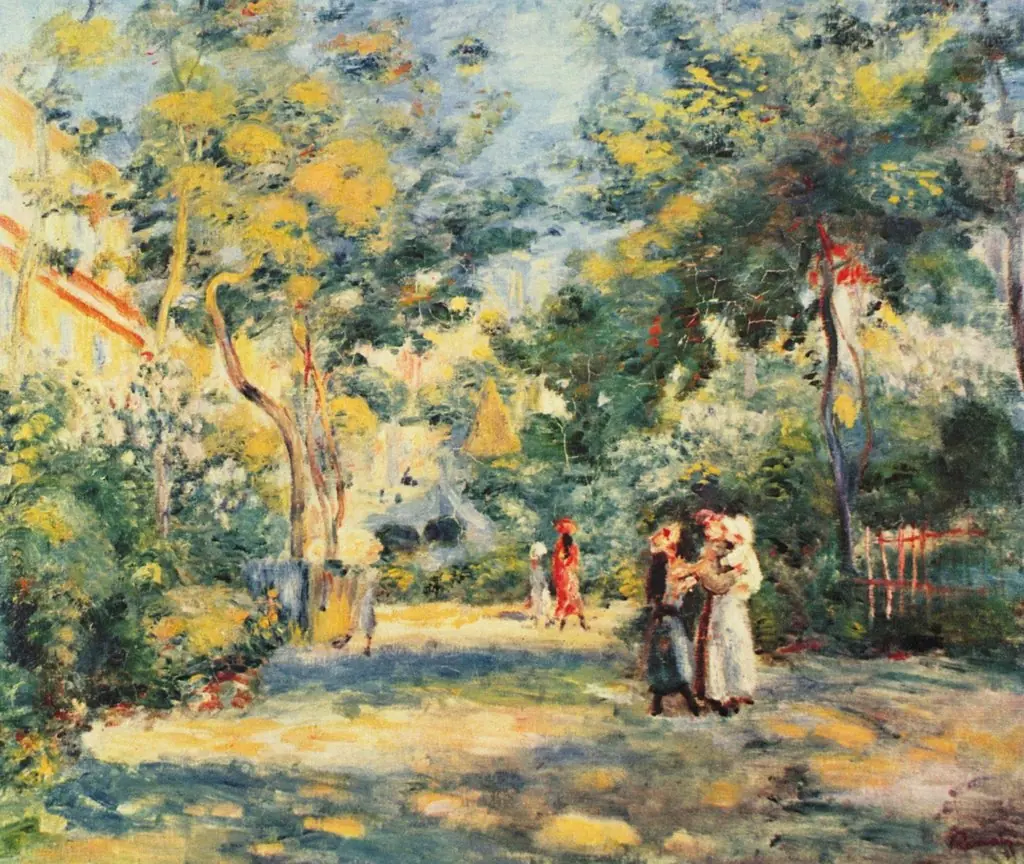 A Garden in Montmartre
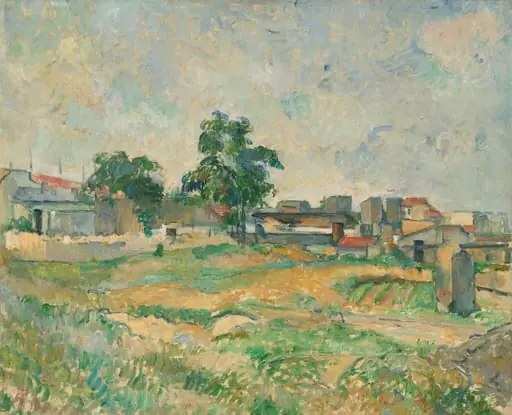 Landscape near Paris
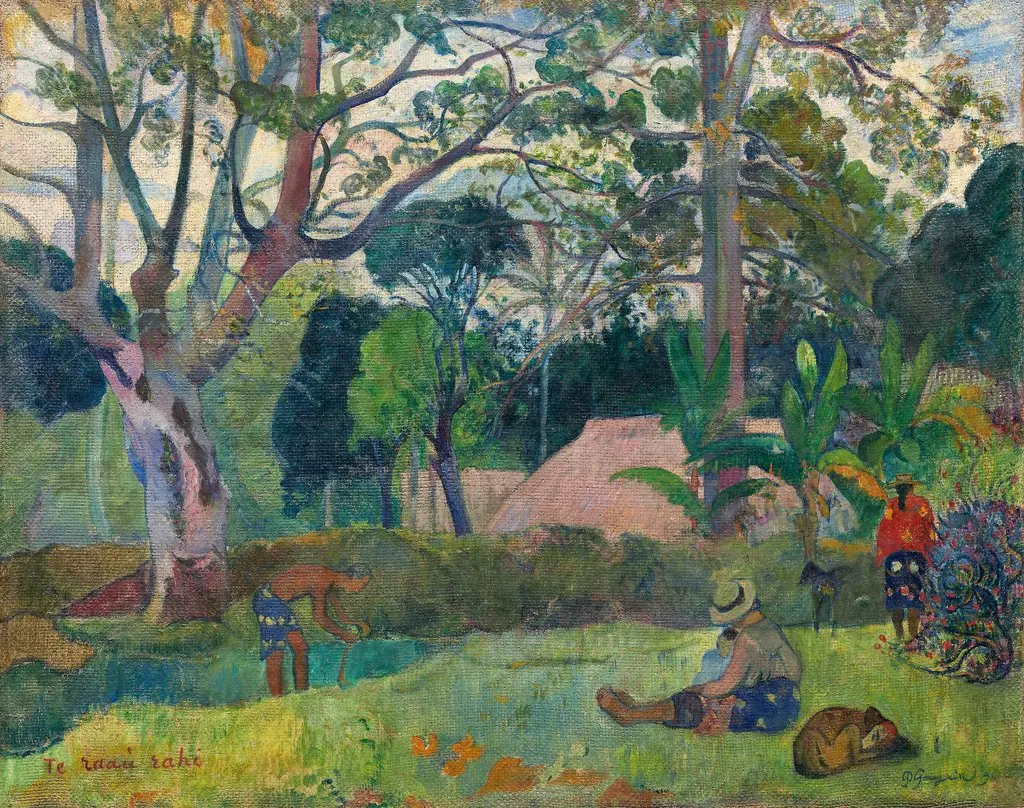 The Big Tree (Te raau rahi)
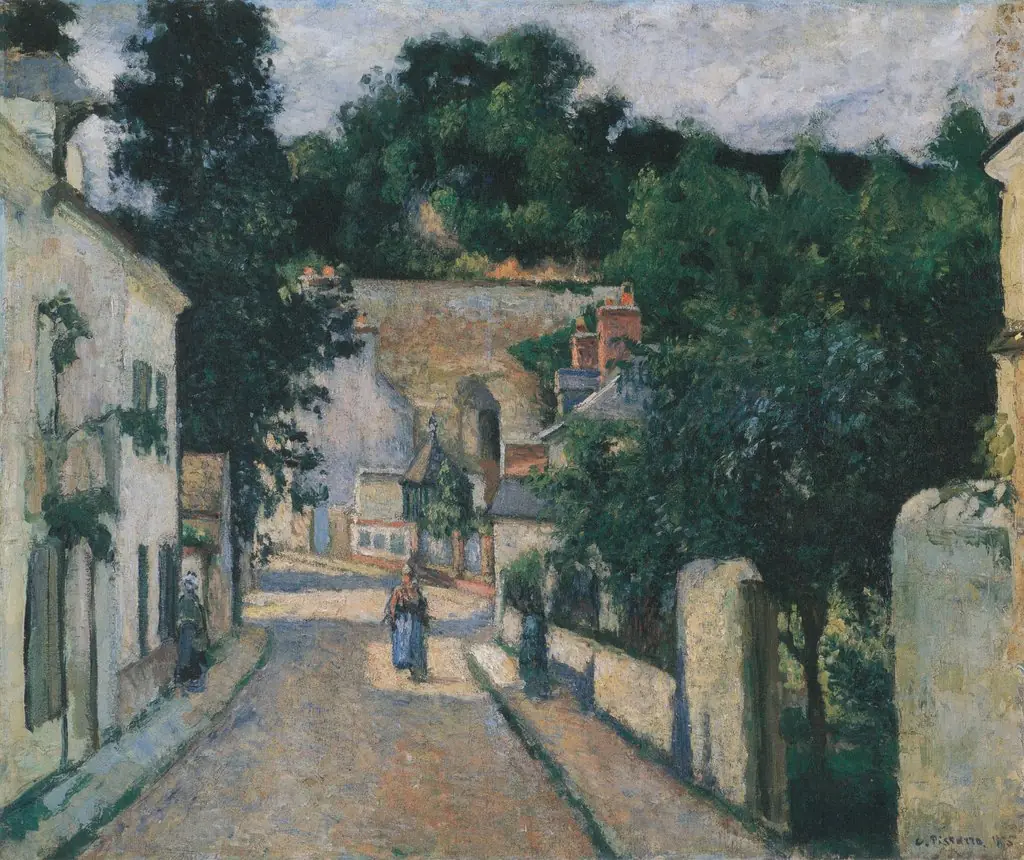 Rue du Haut-de-l'Hermitage, Pontoise
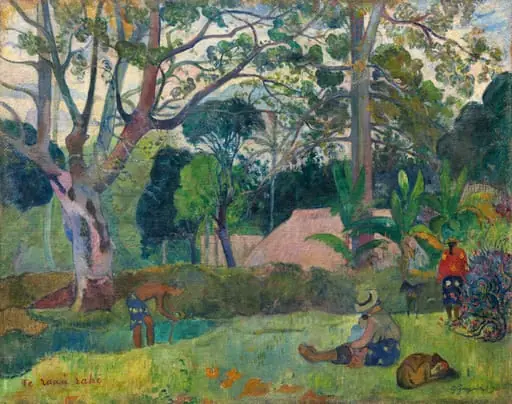 Te raau rahi (The Big Tree)
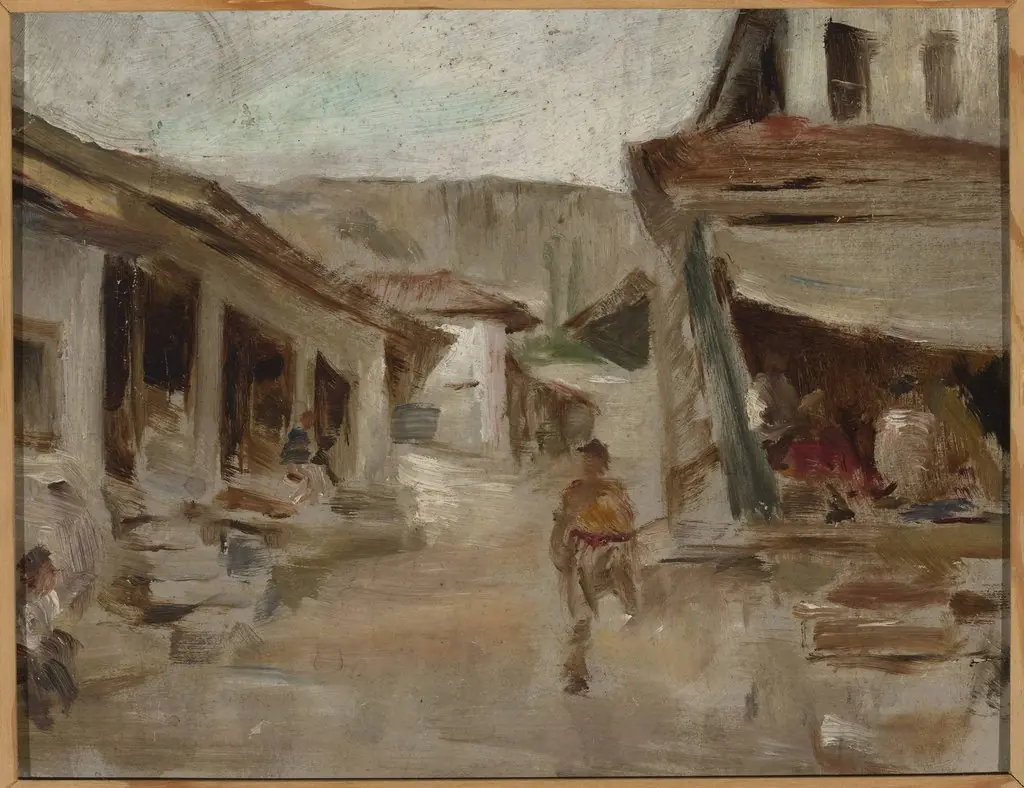 Street – Bakhchisaray. From the journey to Crimea
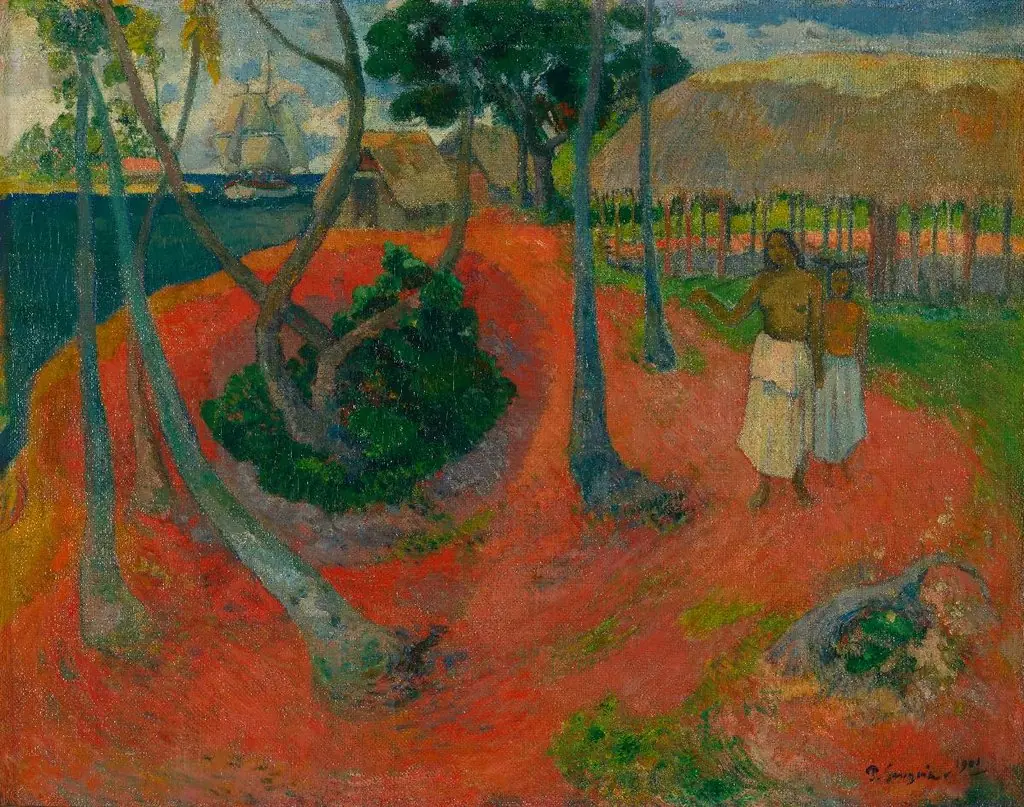 Idyll in Tahiti
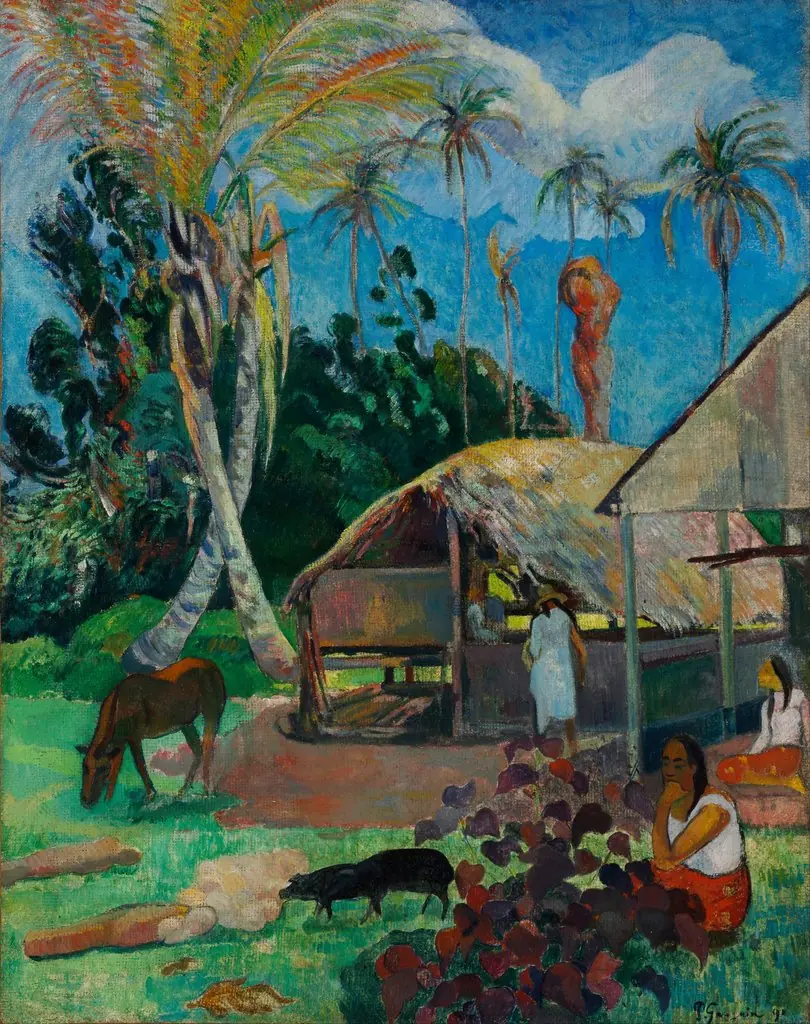 The Black Pigs
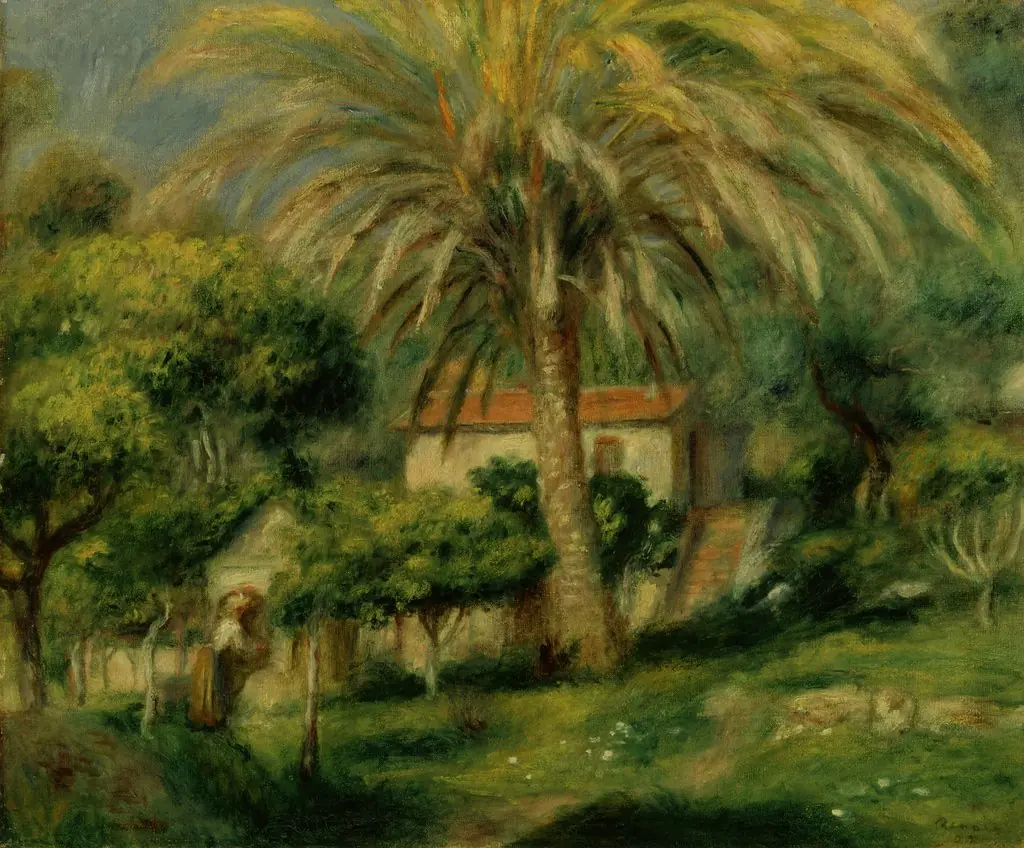 Le Palmier
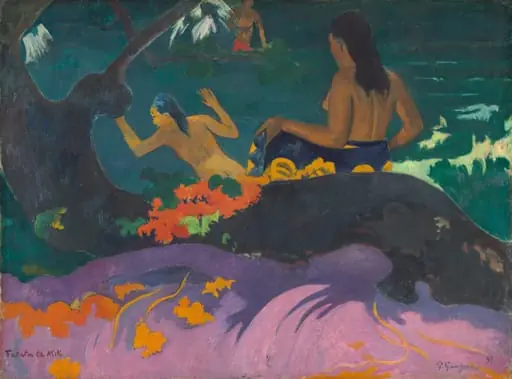
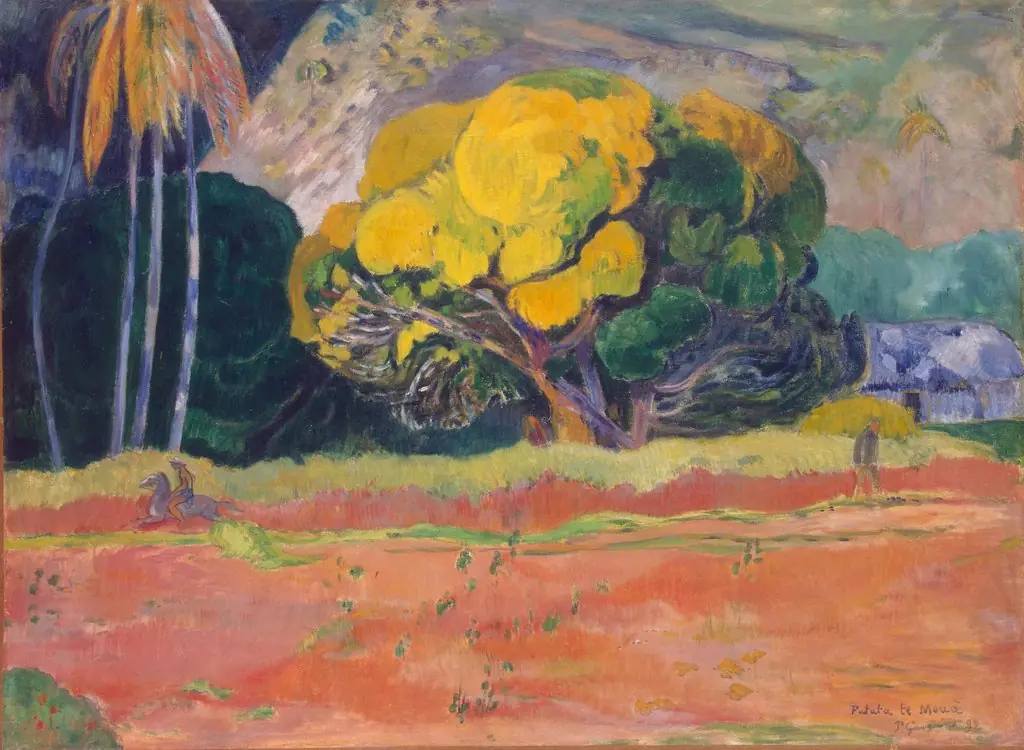 Fatata Te Moua (At the Foot of a Mountain)
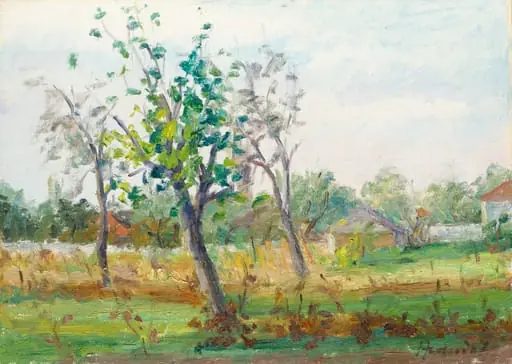 Peisaj de primăvară
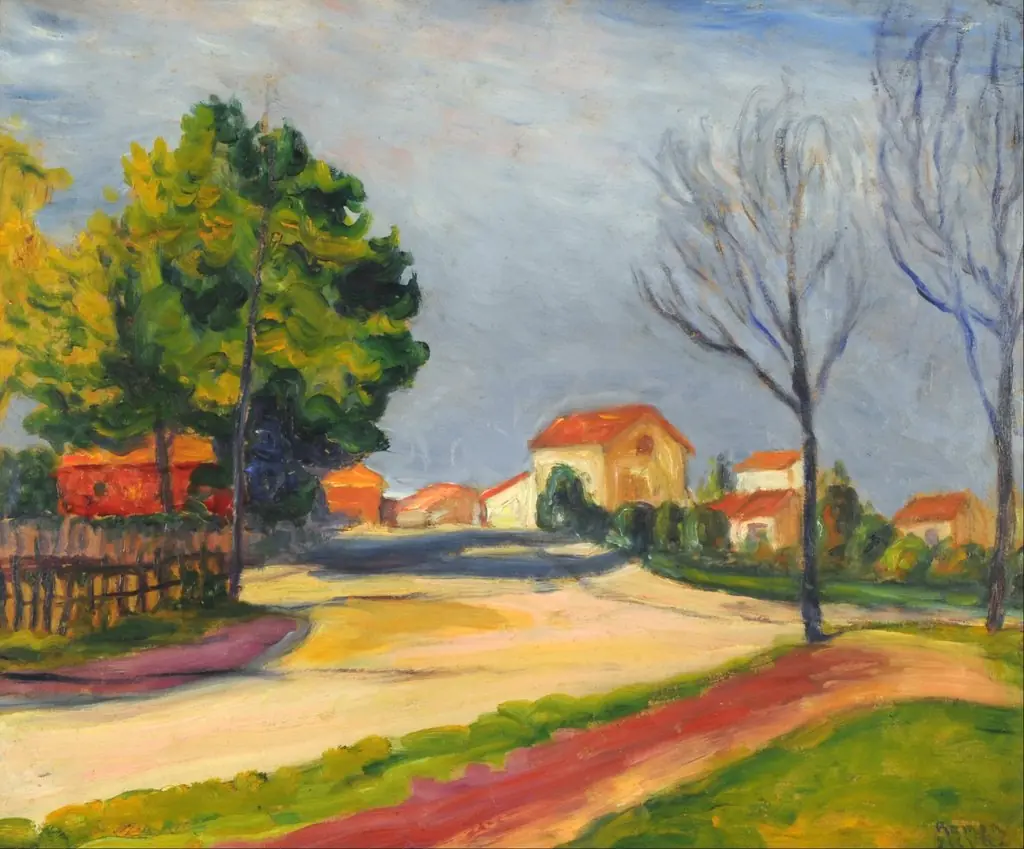 Alrededores de París