Artwork
Hugh Broughton
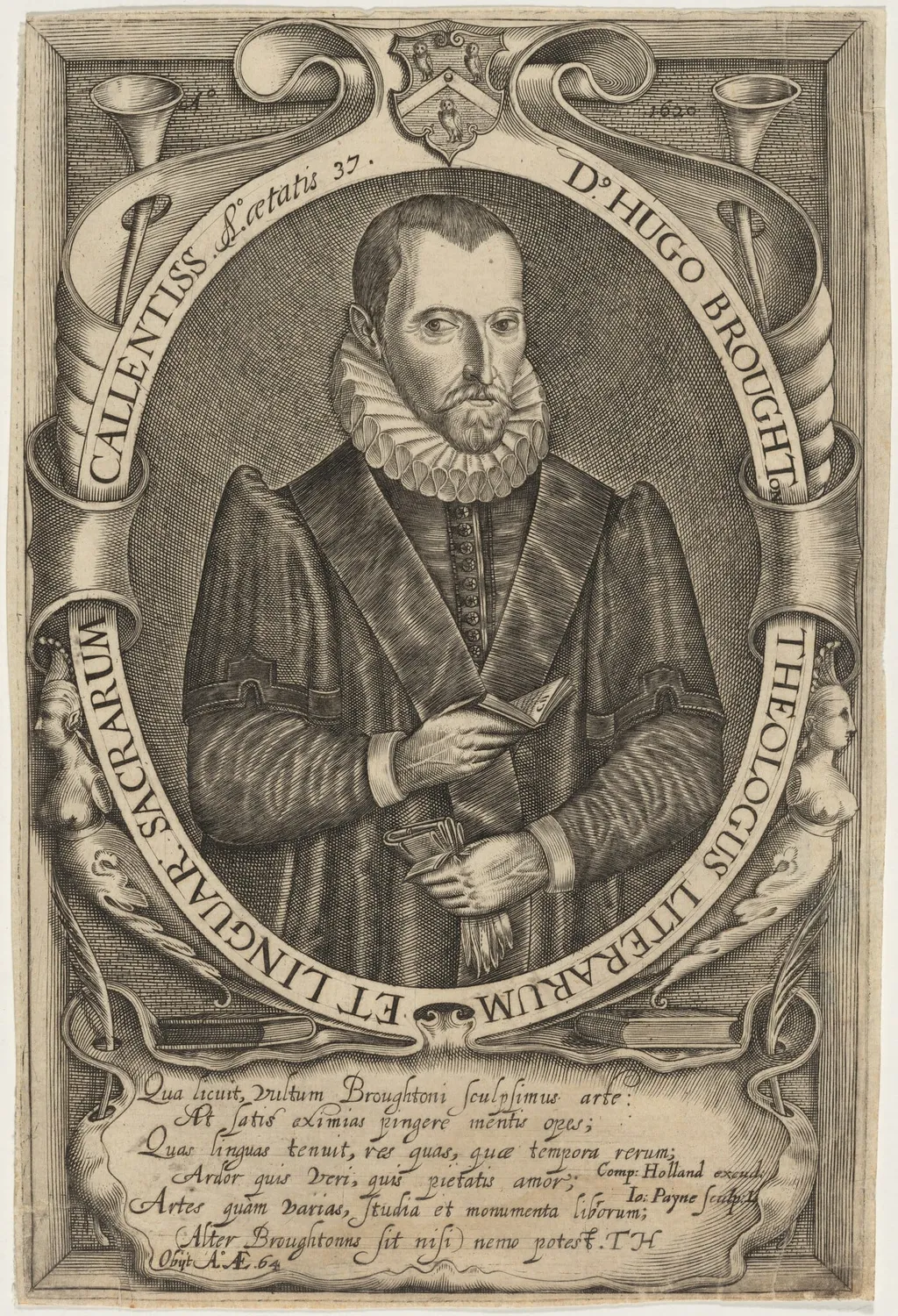
Hugh Broughton is an ink print by the Baroque artist John Payne. It dates from 1620 and is held in the collection of the National Gallery of Art.
About this work
Overview
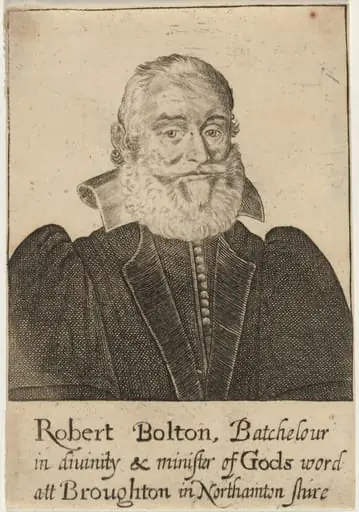
Hugh Broughton is an engraving by John Payne, created in 1620, portraying the eponymous English scholar and theologian. Characterized by its black-and-white palette, the portrait features Broughton with a beard and ruff collar, holding a book in one hand and gesturing with the other.
Subject & Meaning
The subject, Hugh Broughton, is contextualized by surrounding elements: scrolls above his head bear Latin designations 'Literatus' and 'Theologus', emphasizing his scholarly and theological pursuits. A dedicatory poem in Latin at the bottom further underscores his esteemed reputation.
Technique & Style
Payne employed fine lines and nuanced shading to achieve detailed texture, notably in the realistic rendering of fabric folds. The image is framed by decorative swirls and miniature figures, showcasing the engraver's skill in intricate design.
History & Provenance
This engraving represents an early example of English printmaking under royal patronage during the reign of Charles I. John Payne, one of the first native English engravers, contributed significantly to the medium's development in the period.
Artist & collection
Artist
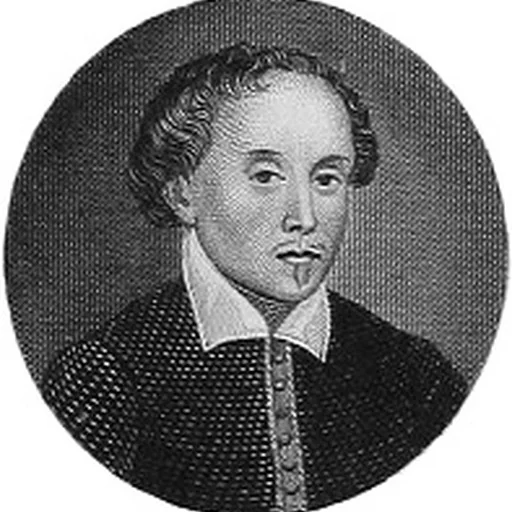
John Payne (1607–1647) was an English engraver, who was one of the earliest exponents of the art of engraving in England. His best work was the finest produced by a native-born engraver working during the reign of Charles I.

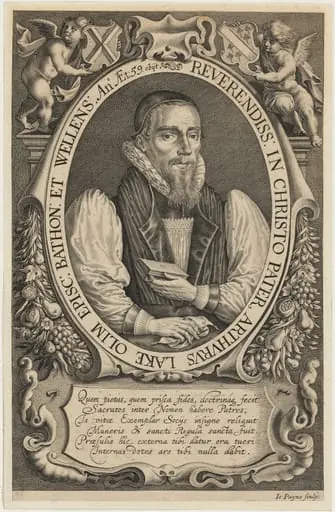
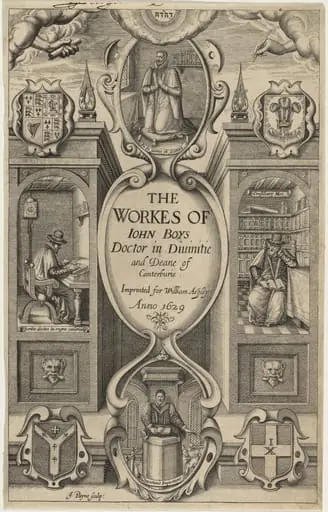
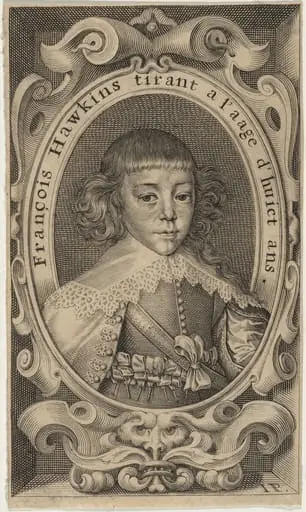
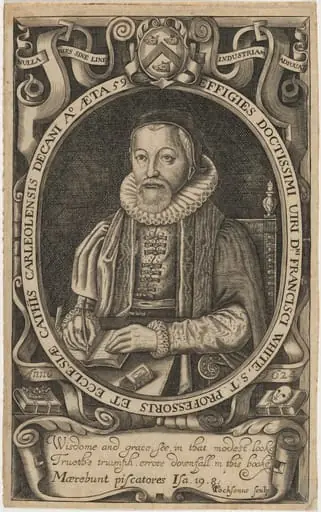 Francis White, D.D., Bishop of Ely
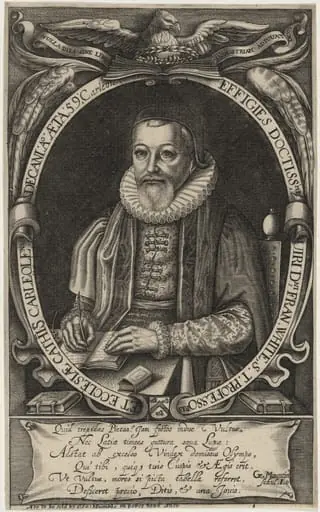 Francis White, D.D., Bishop of Ely
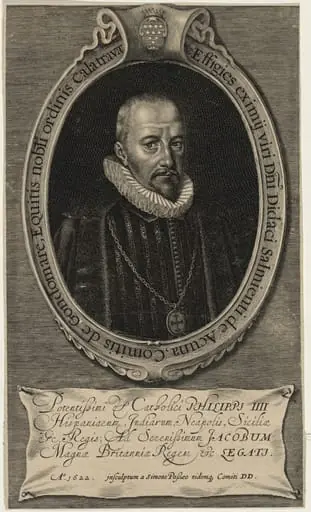 Diego Sarmiento de Acuna, Count of Gondomar
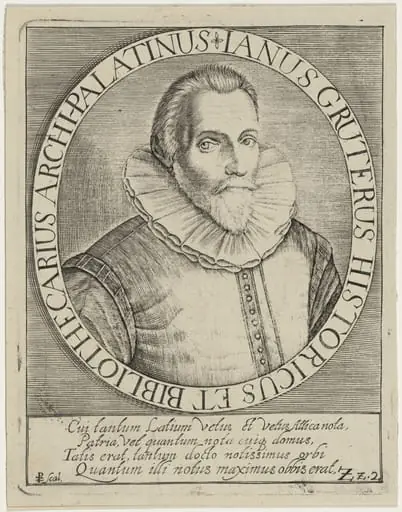 Jan Gruter, Writer, Critic and Scholar
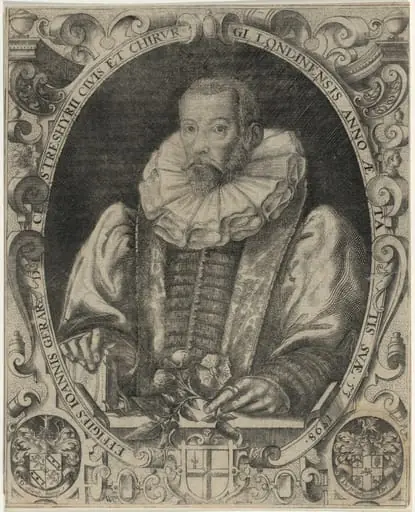 John Gerard, Herbalist
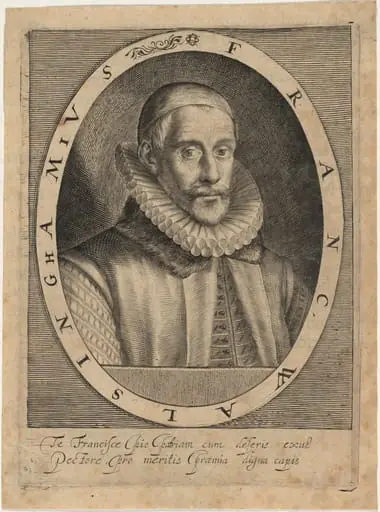 Sir Francis Walsingham
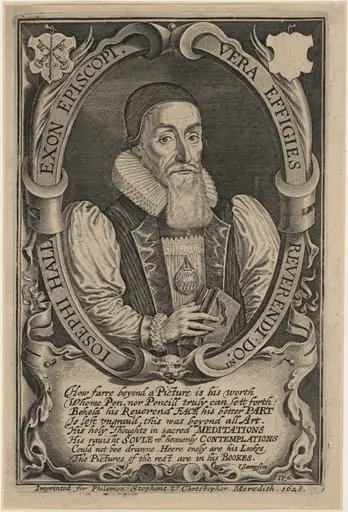 Joseph Hall, Bishop of Exeter and Norwich
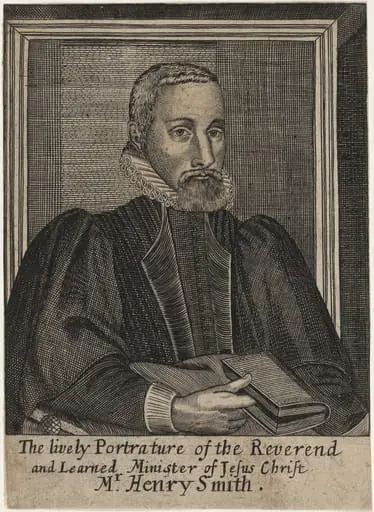 Mr. Henry Smith
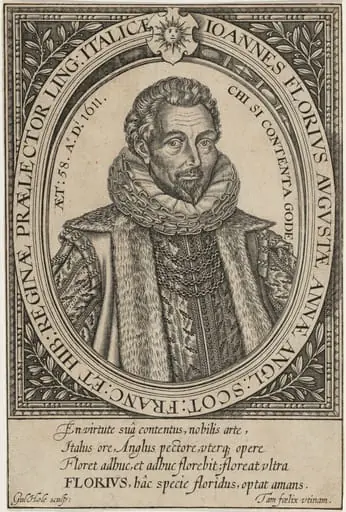 John Florio
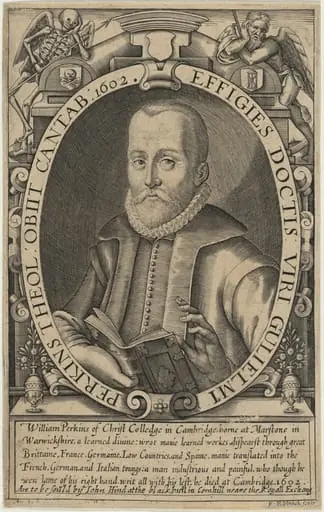 William Perkins, D.D.
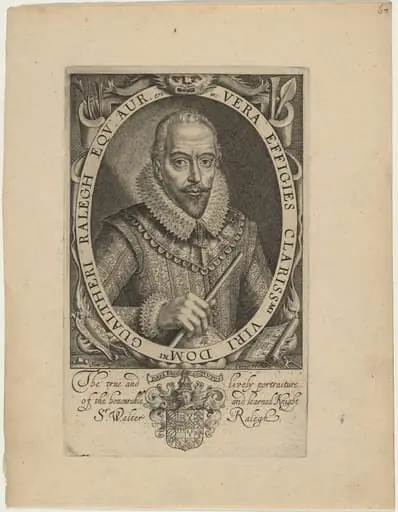 Sir Walter Raleigh
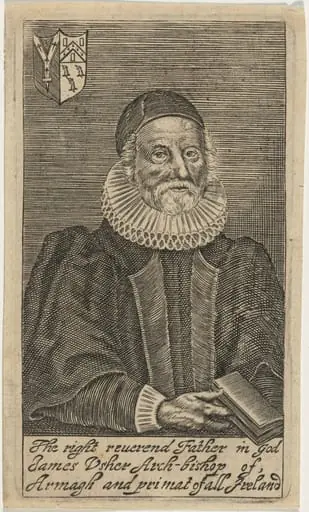 James Ussher, Archbishop of Armagh