Artwork
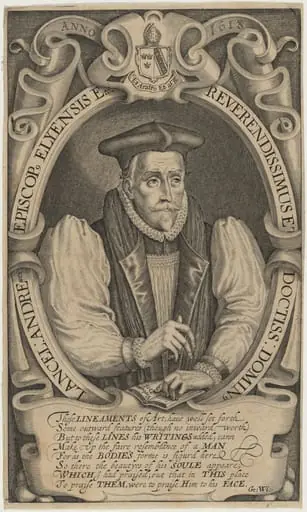
Lancelot Andrewes, Bishop of Winchester
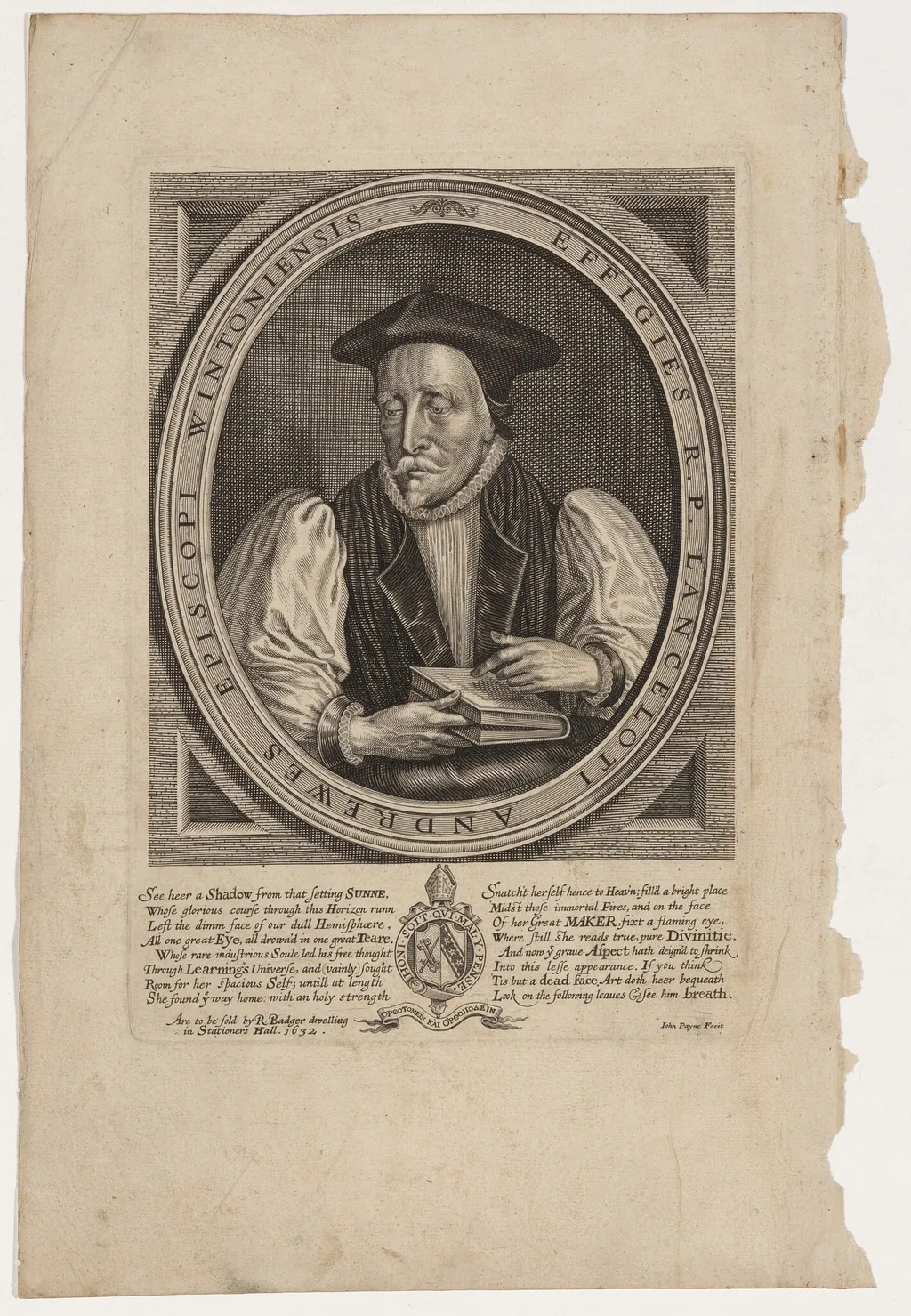
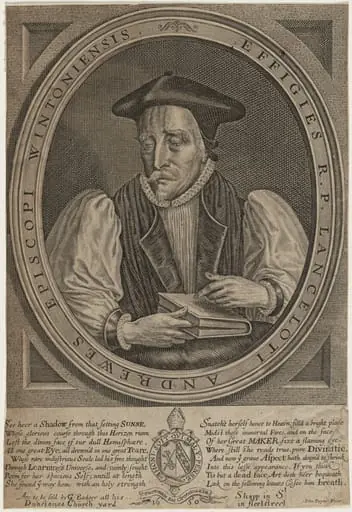
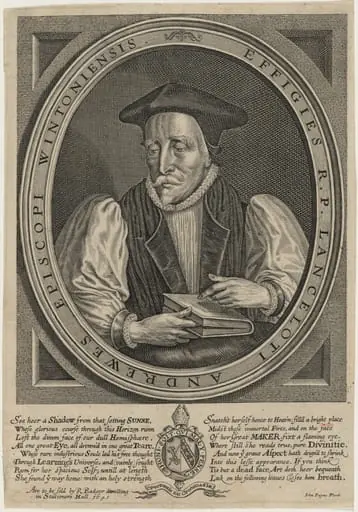
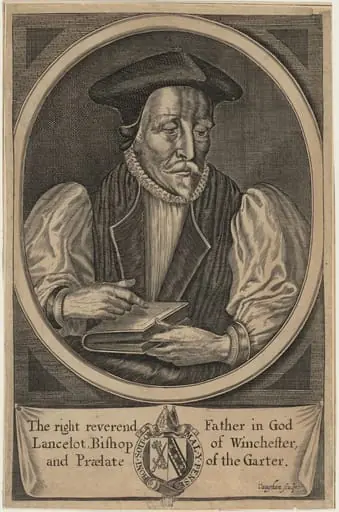
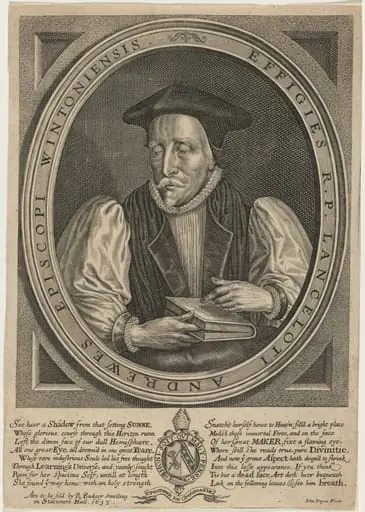
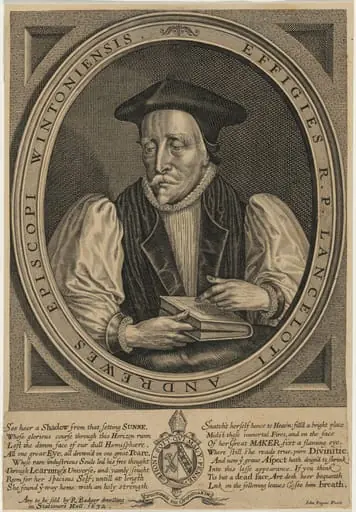
Lancelot Andrewes, Bishop of Winchester is an ink print by the Baroque artist John Payne. It dates from 1632 and is held in the collection of the National Gallery of Art.
About this work
Overview
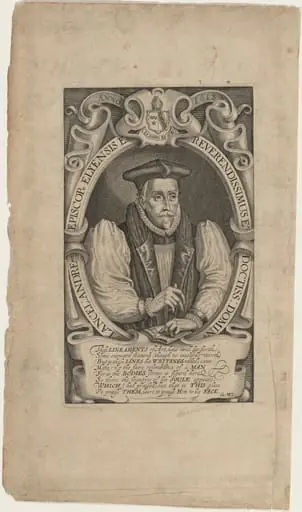
This 1632 engraving by John Payne portrays Lancelot Andrewes, Bishop of Winchester, in a formal clerical setting, characteristic of early 17th-century English portraiture.
Subject & Meaning
The subject, Lancelot Andrewes, is depicted in traditional clerical attire, emphasizing his ecclesiastical role. His serious demeanor and direct gaze engage the viewer, while the book in his hands may symbolize his scholarly or religious pursuits.
Technique & Style
Payne employed intricate cross-hatching to achieve texture and depth in the engraving. A circular border frames the portrait, incorporating biographical text. The contrast between the dark, mottled gray background and the subject's white shirt adds visual solemnity.
History & Provenance
Created during the reign of Charles I, this work exemplifies the high quality of engravings produced by John Payne, one of England's first native-born engravers of note, active from 1607 until his death in 1647.
Context
The engraving reflects the formal portraiture conventions prevalent in early 17th-century England, blending religious and artistic traditions of the time.
Legacy
As one of Payne's notable works from this period, the engraving contributes to the historical record of English engraving's development during the early 17th century.
Artist & collection
Artist
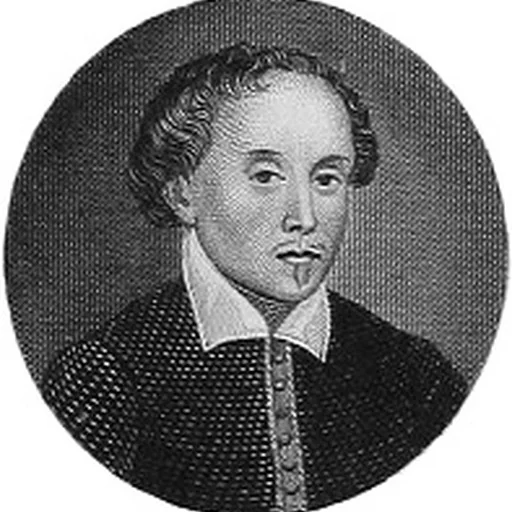
John Payne (1607–1647) was an English engraver, who was one of the earliest exponents of the art of engraving in England. His best work was the finest produced by a native-born engraver working during the reign of Charles I.