Artwork
Adoration of the First Magus
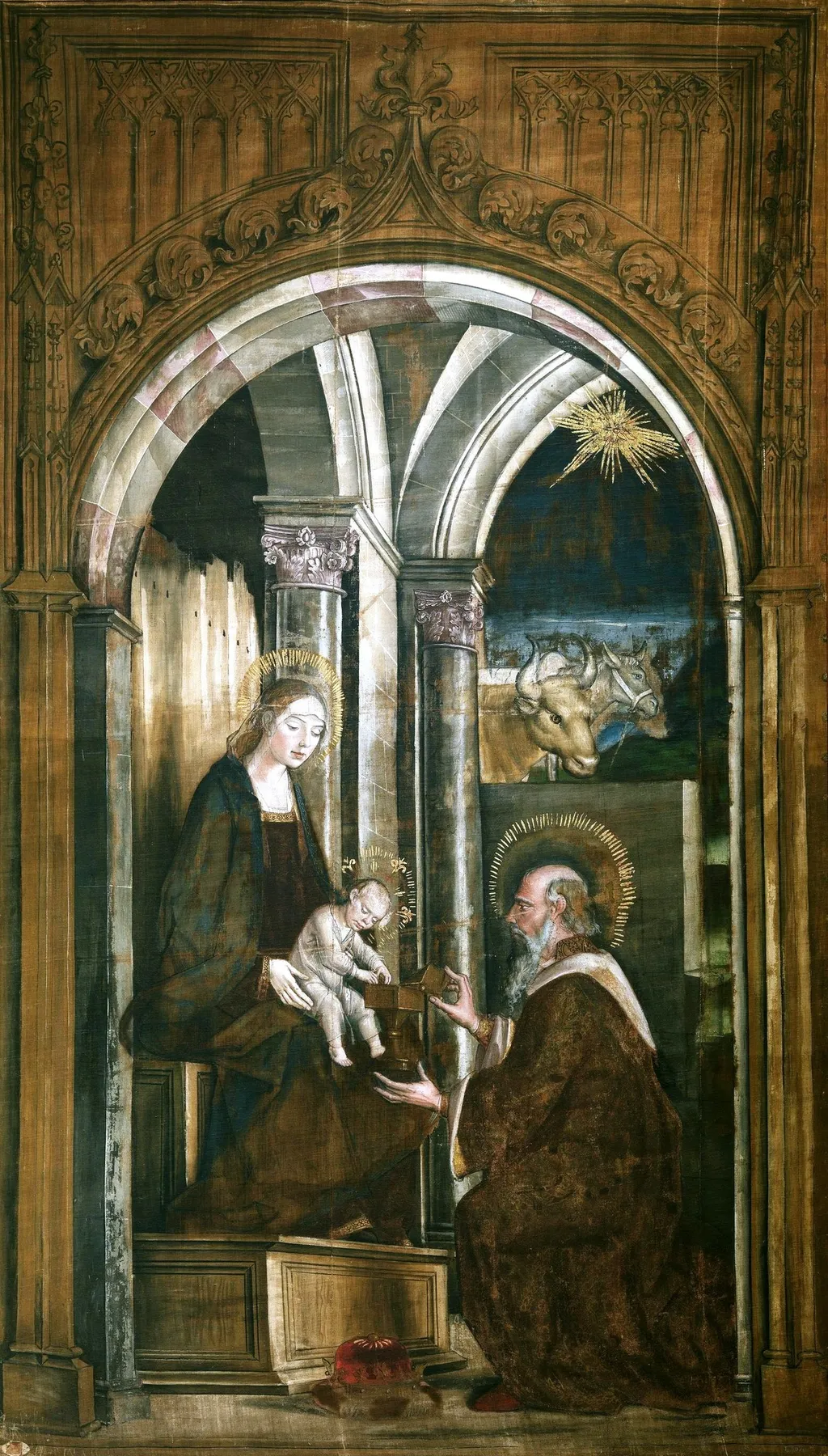
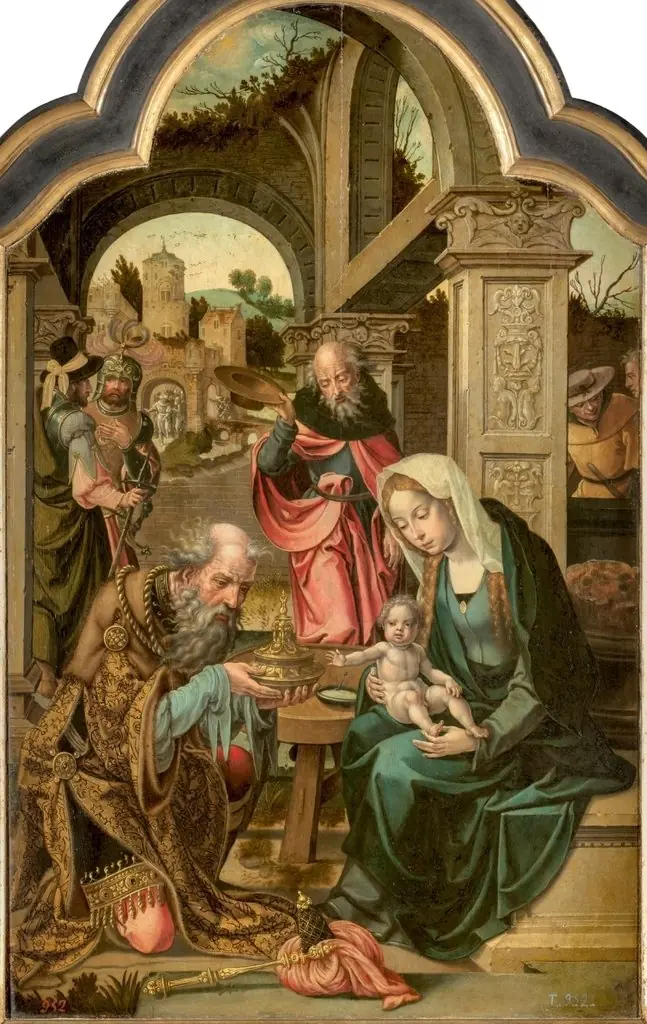
Adoration of the First Magus is an oil painting by the Early Renaissance artist Pedro Berruguete. It dates from 1497 and is held in the collection of the Museo del Prado.
About this work
Overview
The composition centers on a mother and child beneath a luminous star, flanked by a kneeling elder, all set within an architecturally elaborate interior.
Created in 1497 by the Spanish artist Pedro Berruguete, this oil painting presents a devotional scene typical of the early Renaissance. The composition centers on a mother and child beneath a luminous star, flanked by a kneeling elder, all set within an architecturally elaborate interior. Berruguete’s work reflects the transitional style that merged local Castilian traditions with influences from Northern Europe.
Subject & Meaning
The image portrays a domestic version of the biblical adoration, featuring a woman in dark attire cradling an infant crowned with a golden halo, symbolizing the infant Jesus. An elderly, bearded figure kneels nearby, extending a gesture that suggests reverence or offering. The golden star above the child reinforces the celestial significance of the event, while the red cap on the floor adds a subtle, perhaps symbolic, detail.
Technique & Style
Berruguete employs chiaroscuro, contrasting illuminated areas with deep shadows to model forms and create spatial depth within the vaulted room. The use of richly detailed columns and arches frames the figures, lending a theatrical quality. His handling of oil paint demonstrates a careful layering that enhances texture, particularly in the drapery and architectural elements, aligning with the Hispano‑Flemish aesthetic of the period.
History & Provenance
The painting belongs to the early phase of the Spanish Renaissance, a time when Berruguete was active in producing religious panels for Castilian retablos. Though specific ownership records are sparse, the work has been associated with ecclesiastical commissions of the late 15th century and later entered museum collections as an example of Spain’s nascent Renaissance output.
Context
Pedro Berruguete is often cited as one of Spain’s first painters to adopt Renaissance principles, bridging medieval iconography and emerging naturalism. His son, Alonso Berruguete, would become a leading sculptor of the Spanish Renaissance, suggesting a familial transmission of artistic innovation. The painting thus illustrates an early step toward the broader cultural shift that reshaped Spanish visual arts in the 16th century.
Artist & collection
Artist
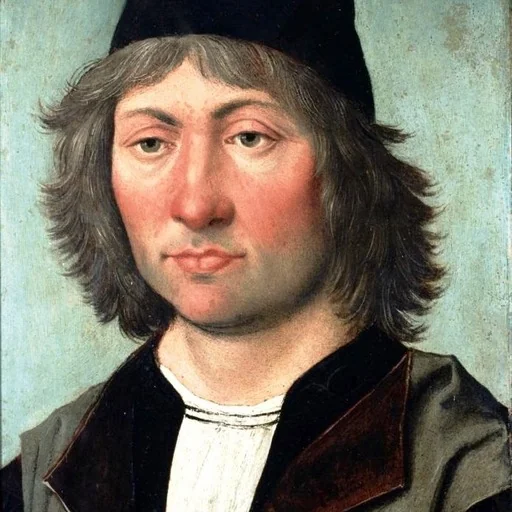
Pedro Berruguete (c. 1450 – 1504) was a Spanish painter who adopted Flemish techniques and conventions and so is part of the Hispano-Flemish style. Berruguete most famously created paintings of the first few years of…

 Adoration of the Magi
 Adoration of the Magi
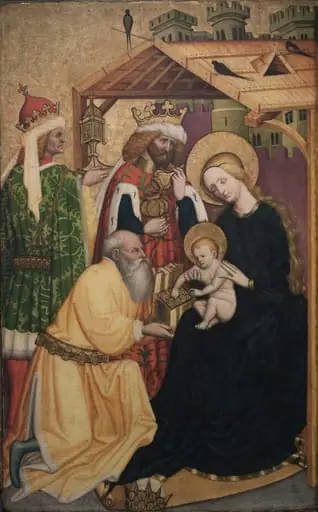 Adoration of the Magi
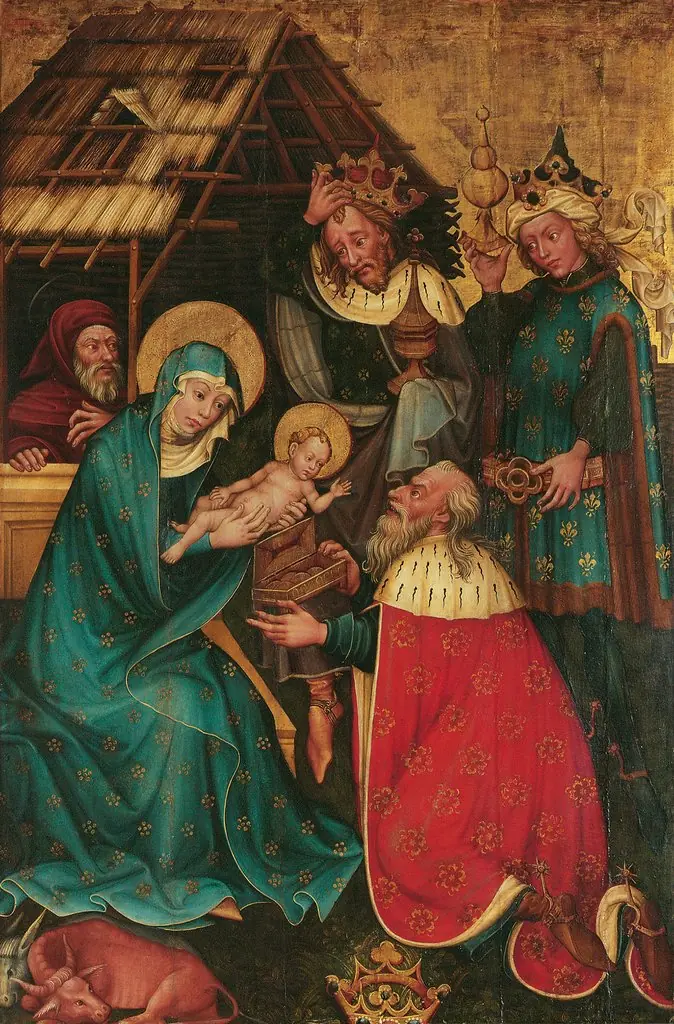 Anbetung der Hl. Drei Könige
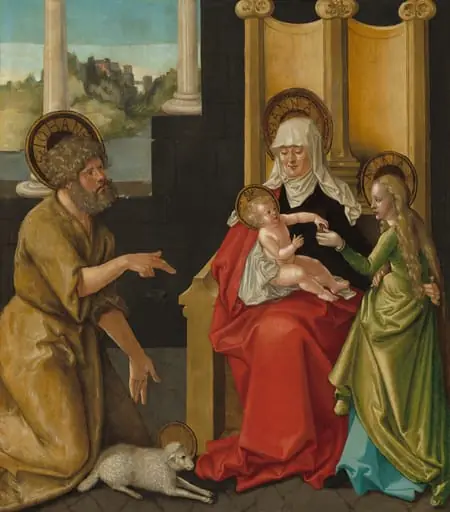 Saint Anne with the Christ Child, the Virgin, and Saint John the Baptist
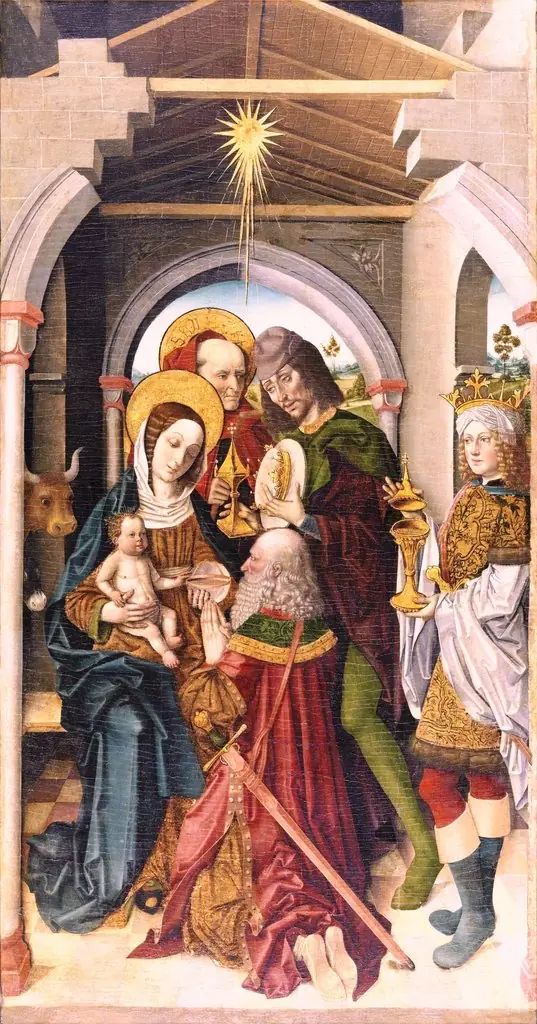 The Adoration of the Magi
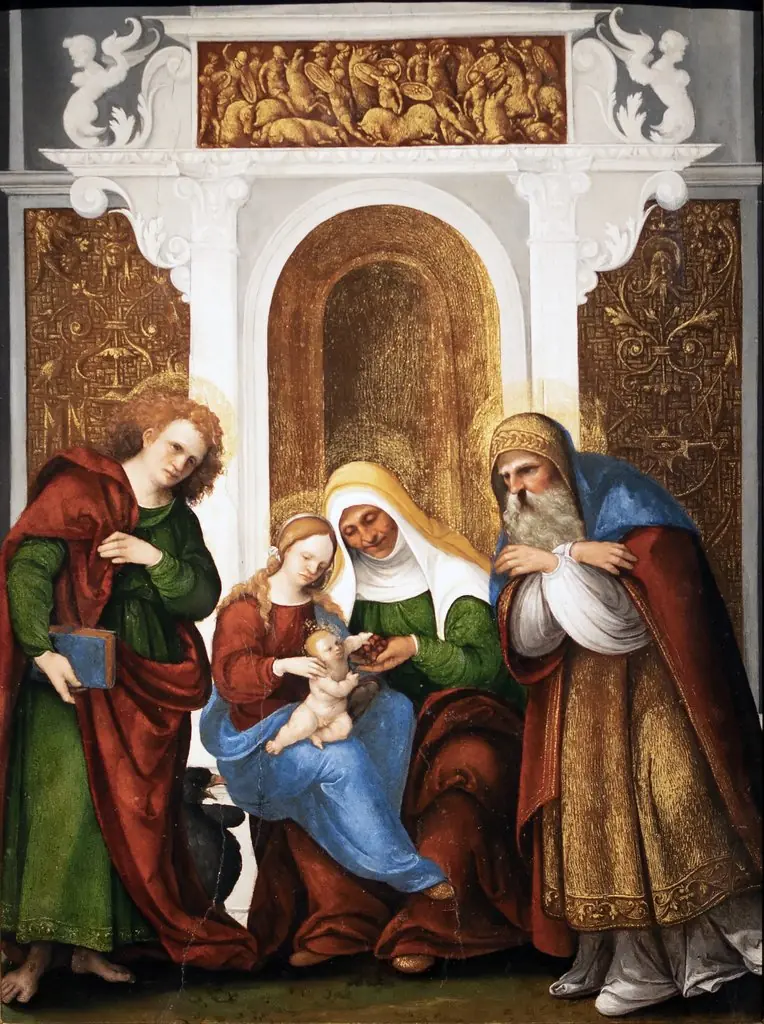 Madonna with Child and Saints
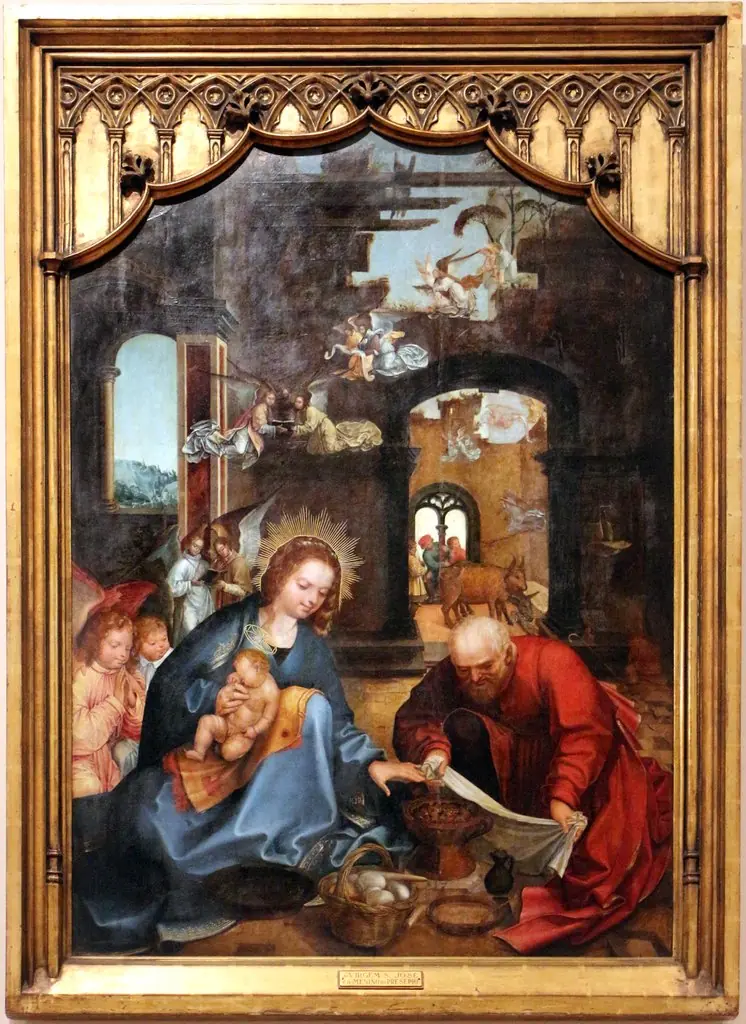 Natividade
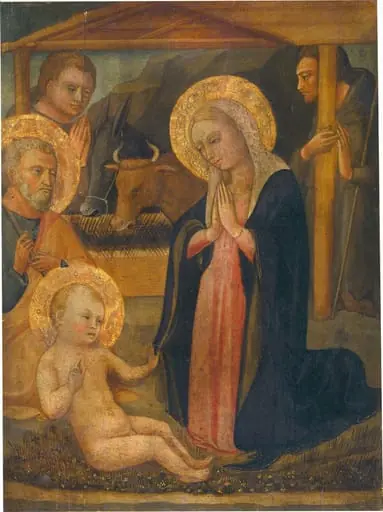 The Adoration of the Christ Child
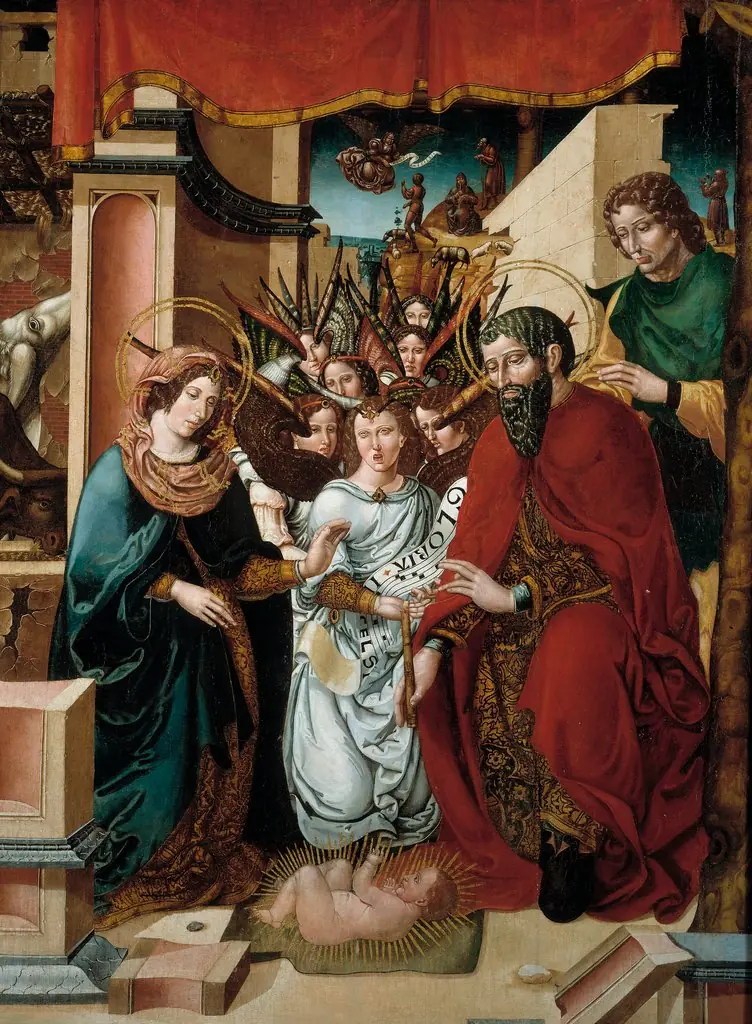 The Nativity
 Die Geburt Christi
 The Presentation of Jesus in the Temple