Artwork
San Pablo
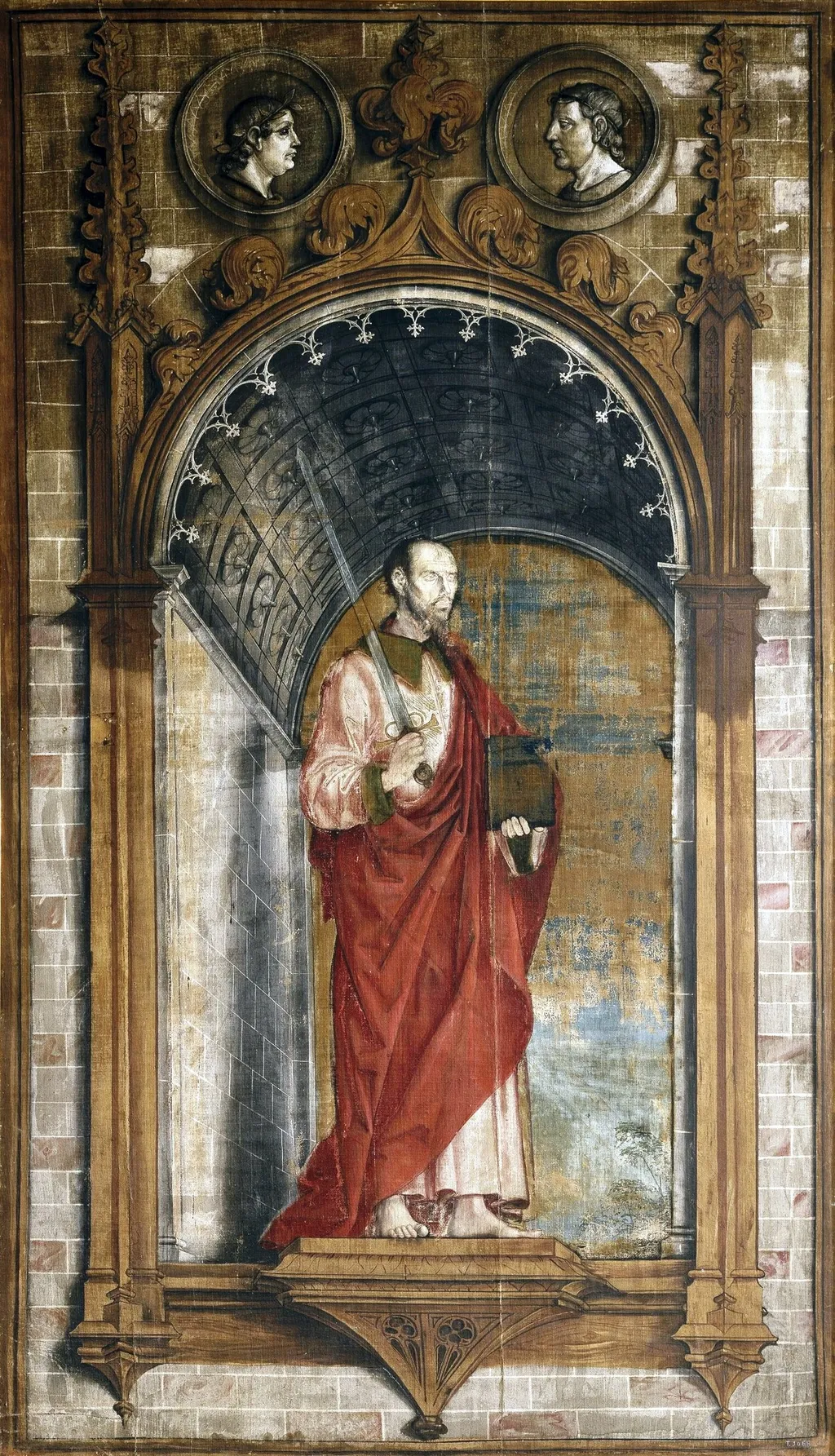
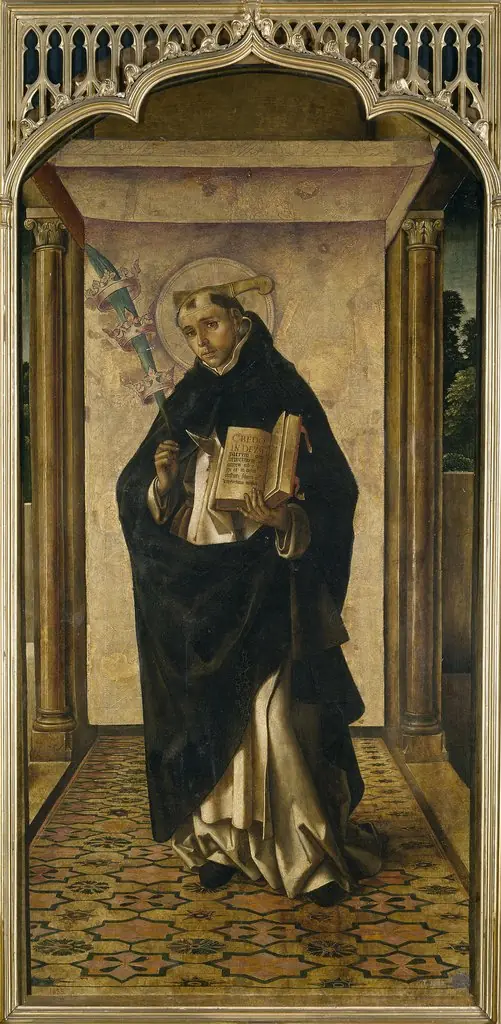
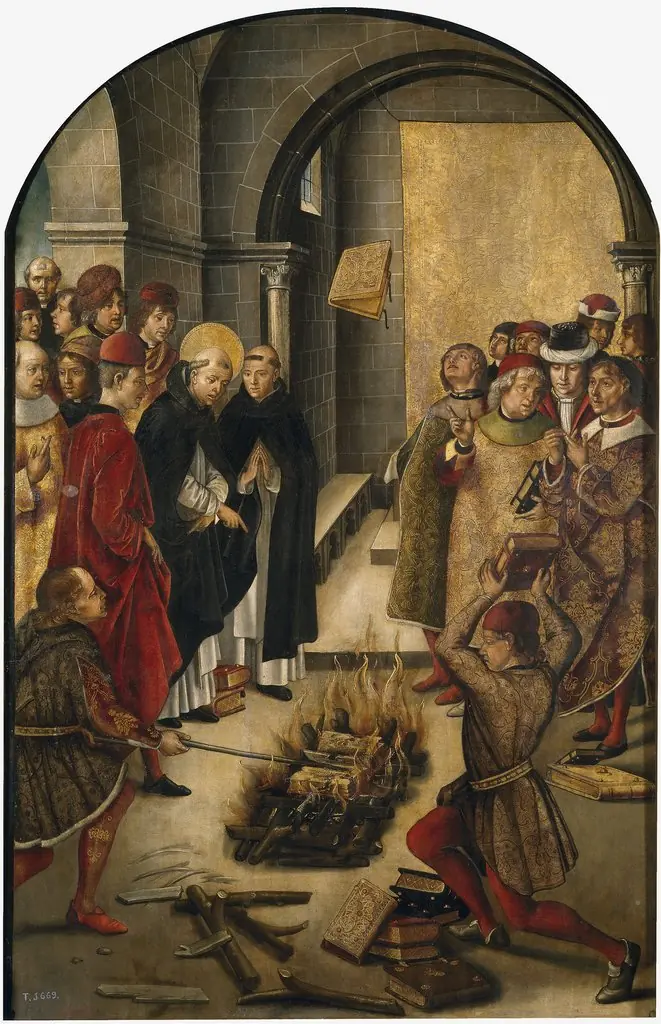
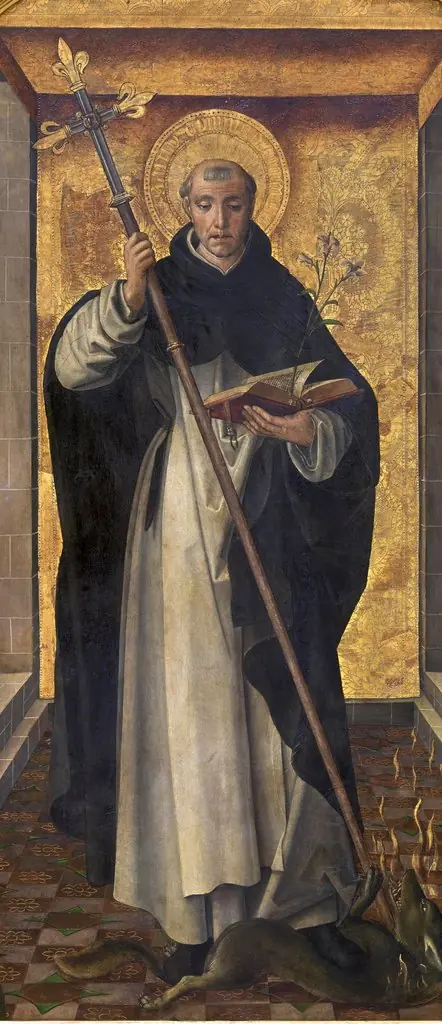
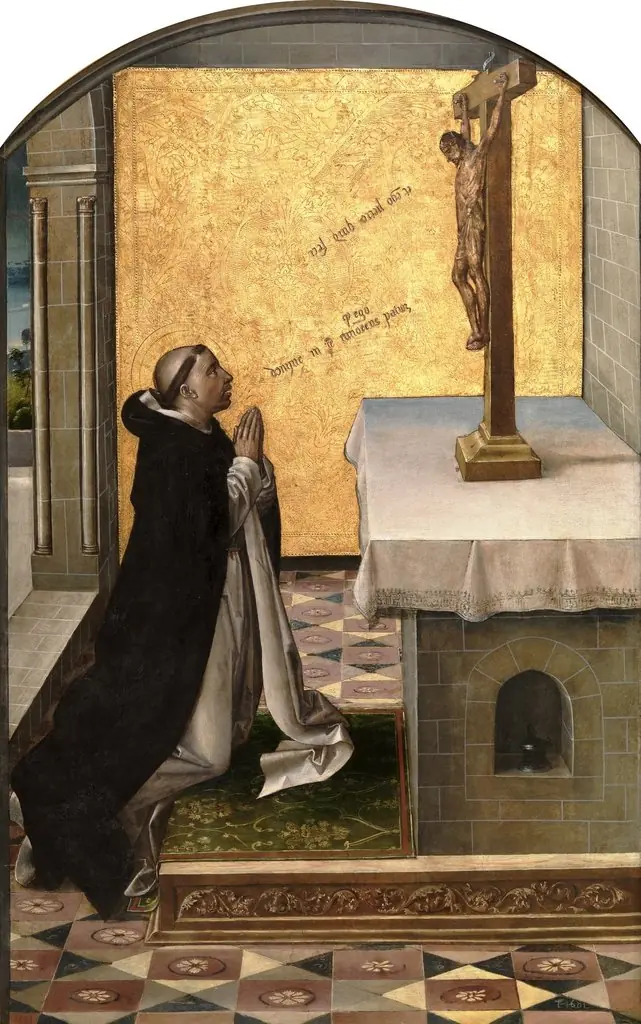
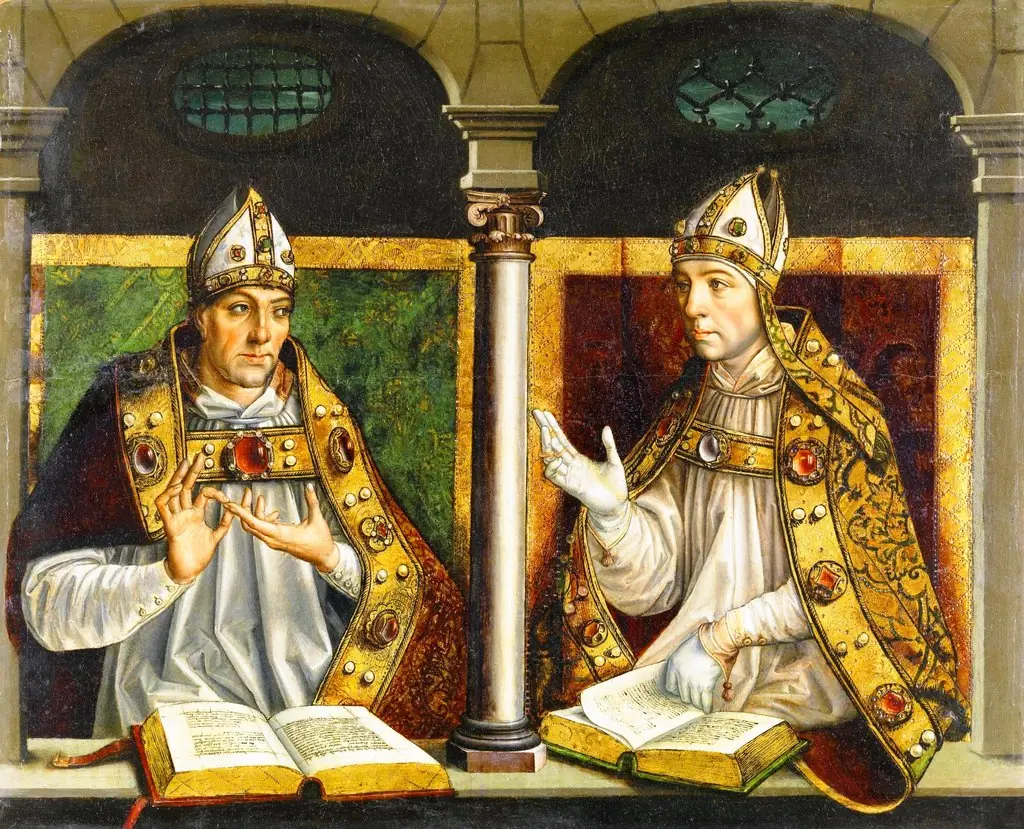
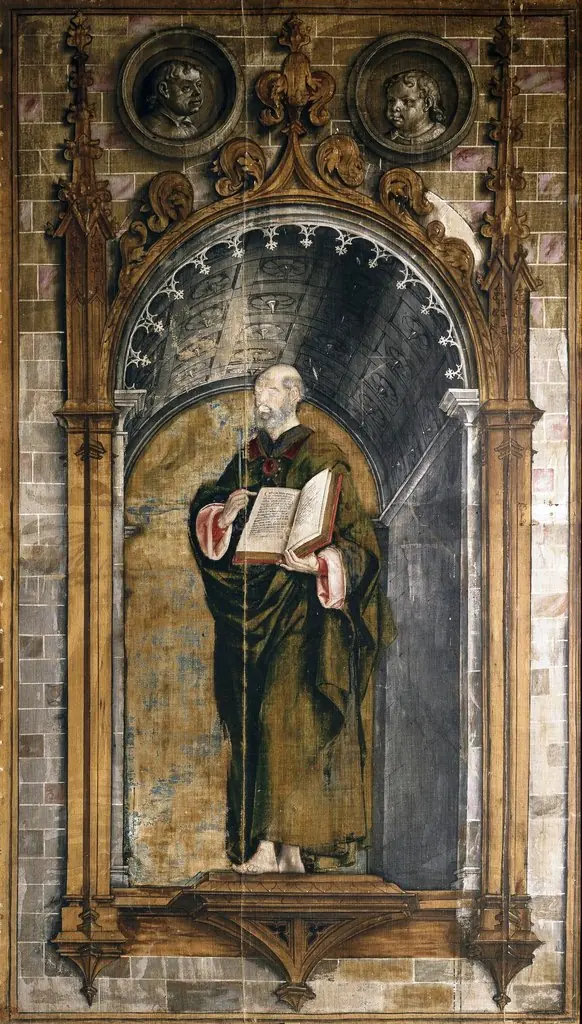
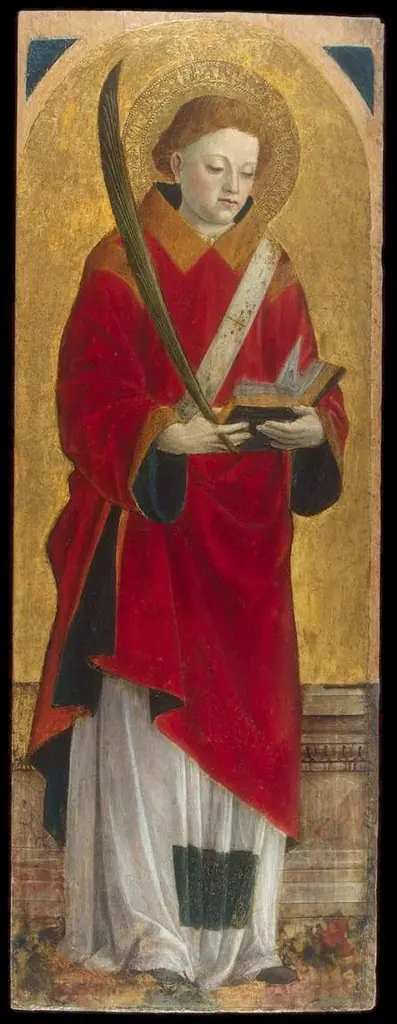
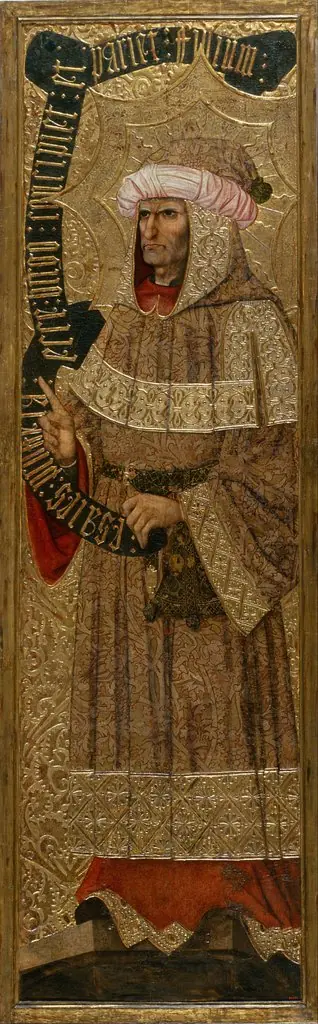
San Pablo is a tempera painting by the Early Renaissance artist Pedro Berruguete. It dates from 1497 and is held in the collection of the Museo del Prado.
About this work
Overview
Executed on panel, it reflects the blending of Northern European detail with emerging Italianate sensibilities in Castilian art.
Painted in 1497, *San Pablo* is a tempera work by Pedro Berruguete, a Spanish artist active in the late 15th century. Executed on panel, it reflects the blending of Northern European detail with emerging Italianate sensibilities in Castilian art. The painting is part of the collection at the Museo del Prado and represents one of several religious panels Berruguete produced for altarpieces during the transition from Gothic to Renaissance aesthetics in Spain.
Subject & Meaning
The figure depicts Saint Paul, identifiable by his traditional attributes: a book symbolizing his epistles and a scroll representing his divine revelations. Dressed in a rich red robe, he stands beneath a stone arch, gazing downward with solemn focus. The inclusion of stained-glass windows and portrait medallions above suggests a sacred space, reinforcing his role as a foundational Christian teacher and martyr, rendered with quiet authority rather than dramatic gesture.
Technique & Style
Berruguete employed tempera, a medium made from pigment mixed with egg yolk, allowing for fine linear precision and layered color. The folds of the saint’s robe are rendered with meticulous attention to volume, while the brickwork background and gold-framed architecture show Flemish influence in their textural clarity. The stained-glass windows and small portrait medallions above demonstrate a careful integration of decorative elements into a devotional composition.
History & Provenance
Created in 1497, the painting likely formed part of a larger altarpiece commissioned for a Spanish church or monastery. It entered the Museo del Prado’s collection in the 19th century following the secularization of religious institutions. Berruguete’s reputation as a court painter to Ferdinand and Isabella lends weight to the work’s aristocratic patronage, though its original context within a retablo remains partially undocumented.
Context
During the late 15th century, Spanish art was shaped by the convergence of Flemish realism and early Renaissance ideals brought through trade and royal alliances. Berruguete’s work, though rooted in Northern traditions, began to incorporate spatial depth and classical restraint, marking a shift toward human-centered religious imagery. His role as a bridge between medieval and Renaissance modes is underscored by his son Alonso’s later prominence in sculpture.
Legacy
Pedro Berruguete’s influence extended beyond his own output through his son Alonso, who became a leading figure of the Spanish Renaissance. While *San Pablo* is not an isolated innovation, it exemplifies the gradual transformation of Spanish religious art—moving from symbolic form toward naturalistic presence. The painting remains a key reference for understanding the regional adaptation of Renaissance principles in pre-16th-century Castile.
Artist & collection
Artist
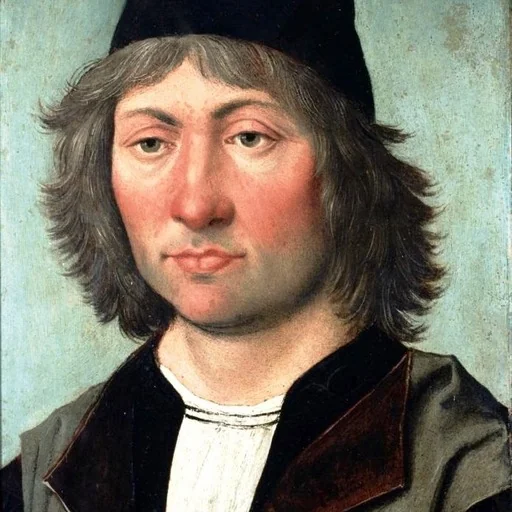
Pedro Berruguete (c. 1450 – 1504) was a Spanish painter who adopted Flemish techniques and conventions and so is part of the Hispano-Flemish style. Berruguete most famously created paintings of the first few years of…