Artwork
Oliver Cromwell
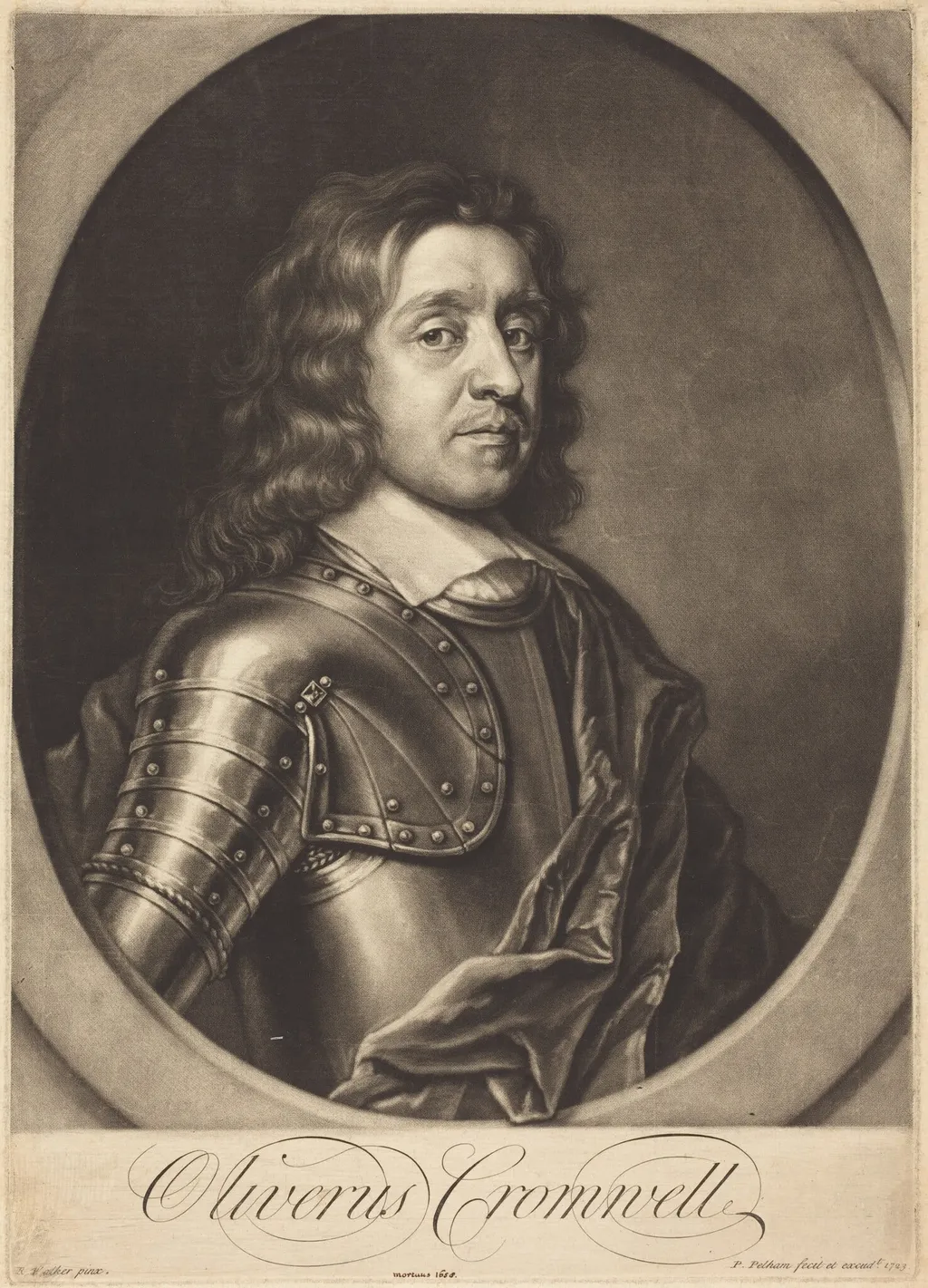
Oliver Cromwell is an ink print by the Baroque artist Peter Pelham. It dates from 1723 and is held in the collection of the National Gallery of Art.
About this work
Overview
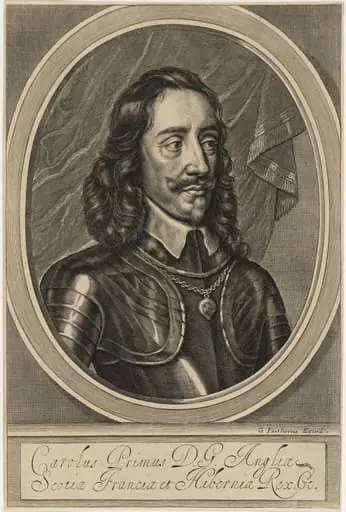
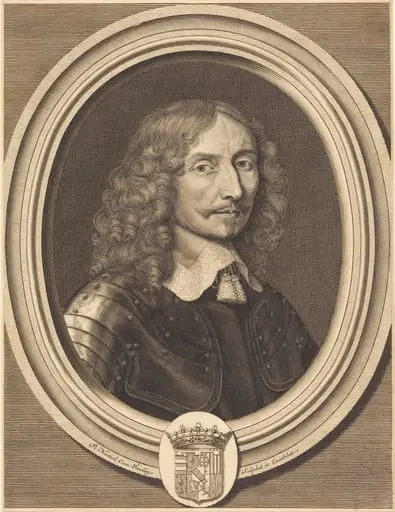
Peter Pelham’s 1723 mezzotint presents a portrait of Oliver Cromwell, the 17th‑century English statesman. Rendered on laid paper, the image shows Cromwell in period dress, his face turned slightly to the right, illuminated against a dark, muted backdrop that draws the eye to his features.
Subject & Meaning
The work depicts Cromwell in a martial pose, wearing a suit of armor over a high‑collared shirt and a cloak draped over his left shoulder. The attire and solemn expression convey his role as a military and political leader, emphasizing authority and resolve.
Technique & Style
Pelham employed the mezzotint process, exploiting its capacity for rich tonal gradations. Through careful manipulation of light and shadow—chiaroscuro—the print achieves a three‑dimensional quality, with deep blacks contrasting against softened highlights to model the figure’s facial features and clothing.
History & Provenance
Created in 1723, the print is an early example of Pelham’s work in England after his emigration from America. It circulated among collectors interested in historical portraiture, and surviving copies are held in several institutional collections, reflecting its continued relevance to studies of 18th‑century printmaking.
Context
The portrait emerges during a period when Cromwell’s legacy was being reassessed in British cultural memory. Mezzotints like Pelham’s served both as commemorative images and as affordable reproductions of earlier paintings, making the figure accessible to a broader audience.
Artist & collection