Artwork
Henry of Nassau
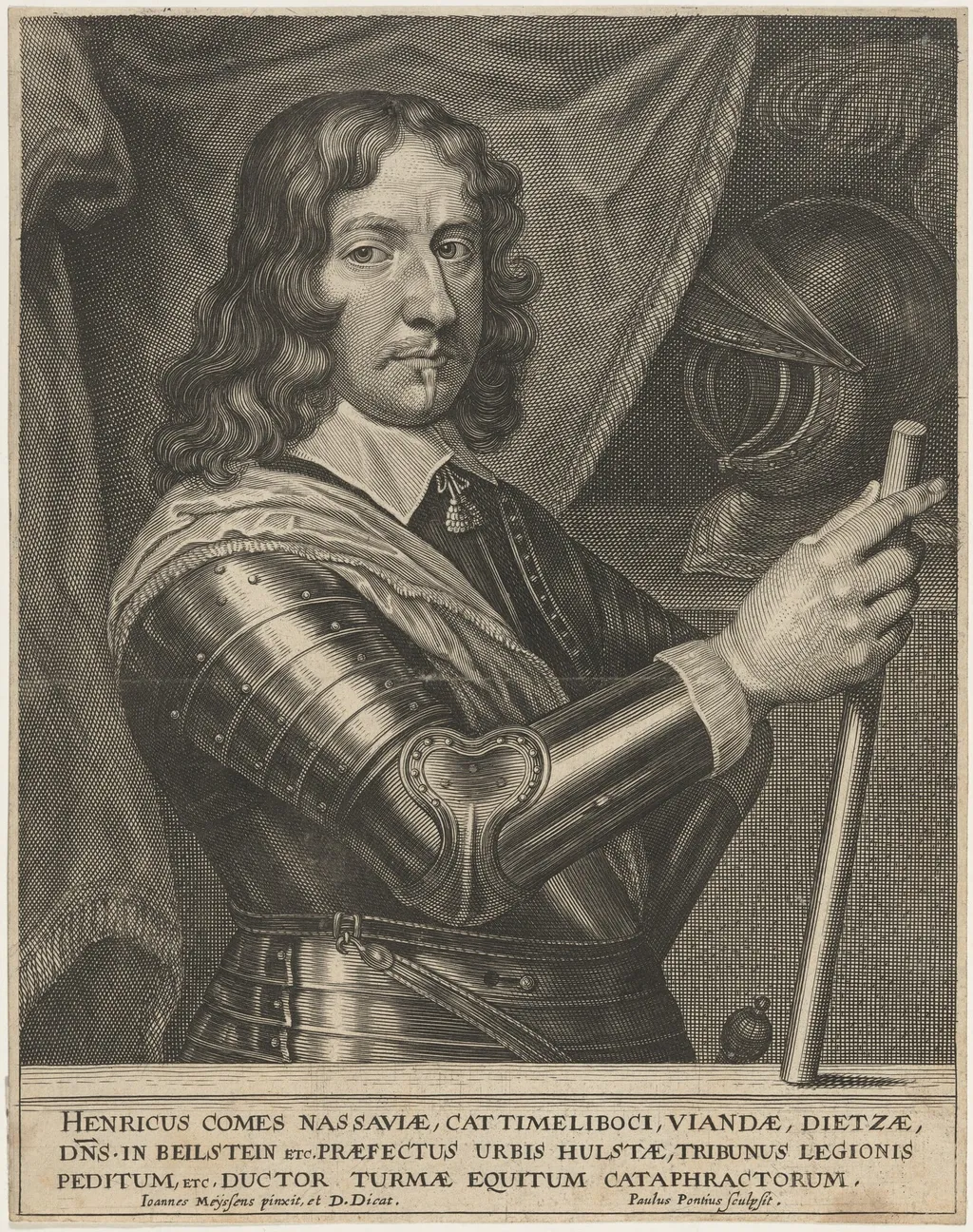
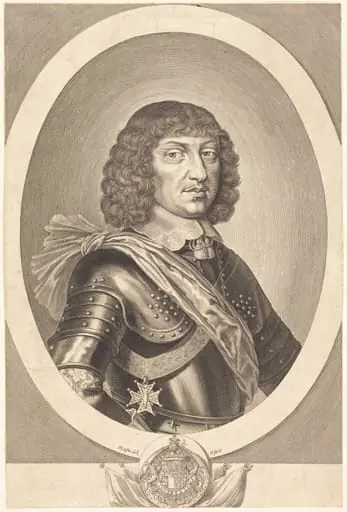
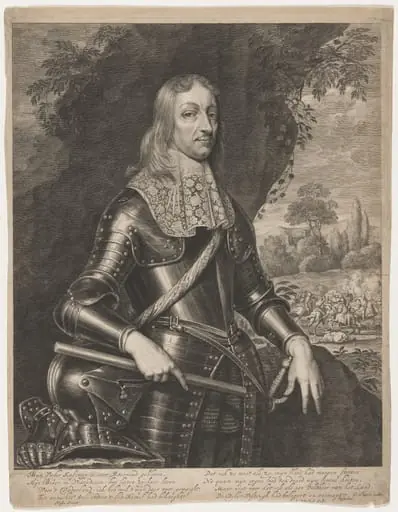
Henry of Nassau is an ink print by the Baroque artist Paulus Pontius. It dates from 1630 and is held in the collection of the National Gallery of Art.
About this work
Overview
The portrait is one of several engraved likenesses produced during a period when printmaking served as a key medium for disseminating aristocratic imagery.
Created in 1630 by Flemish engraver Paulus Pontius, this black-and-white print depicts Henry of Nassau, a nobleman of the early 17th century. Executed in fine-line engraving, the work reflects Pontius’s technical precision and his role within the network of artists connected to Rubens’s studio. The portrait is one of several engraved likenesses produced during a period when printmaking served as a key medium for disseminating aristocratic imagery.
Subject & Meaning
The subject, Henry of Nassau, was a member of the influential Nassau family and a military leader during the Eighty Years’ War. The portrait emphasizes his status through armor and weapon, conveying authority and readiness for conflict. The heart-shaped emblem on his left arm may reference familial or chivalric symbolism, though its precise meaning remains unconfirmed. His stern expression and direct gaze reinforce a sense of duty and resolve.
Technique & Style
Pontius employed meticulous engraving techniques to render texture and form, using fine, controlled lines to depict the intricate details of armor, hair, and fabric. The contrast between light and shadow is achieved through density of line rather than tone, characteristic of Northern European printmaking of the era. The composition is tightly framed, focusing attention on the figure’s face and upper body, enhancing the portrait’s solemn presence.
History & Provenance
The engraving was made during Pontius’s active years following Rubens’s death, when he continued producing prints after works by leading Flemish painters. While the original commission or patron is undocumented, such portraits were often circulated among elite circles as tokens of loyalty or commemoration. The print survives in multiple institutional collections, indicating its continued circulation in early modern Europe.
Context
In the early 1630s, the Dutch Republic was consolidating its identity amid ongoing conflict with Spain. Portraits of military nobles like Henry of Nassau served both as personal memorials and political statements. Engravings allowed such images to be reproduced and distributed widely, reinforcing the visibility of leaders who embodied resistance and honor. Pontius’s work aligned with this cultural need for visual representation of authority.
Legacy
Pontius’s engraving of Henry of Nassau exemplifies the role of printmaking in preserving and propagating aristocratic imagery during the Baroque period. Though less celebrated than his collaborations with Rubens, this work demonstrates his skill in translating painted compositions into detailed graphic form. It remains a reference point for understanding how elite identity was visually constructed and shared across early modern Europe.
Artist & collection
Artist
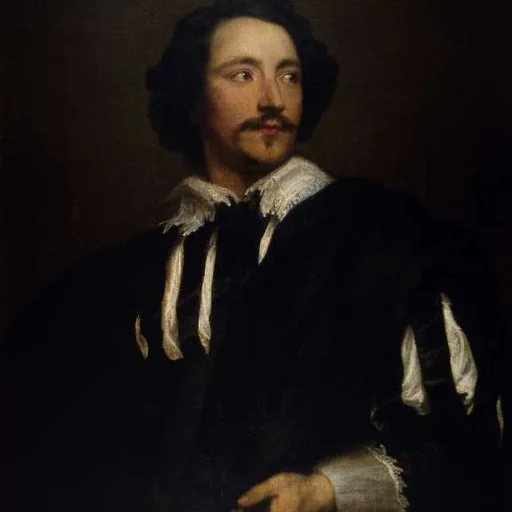
Paulus Pontius (27 May 1603 – 16 January 1658) was a Flemish engraver and painter.

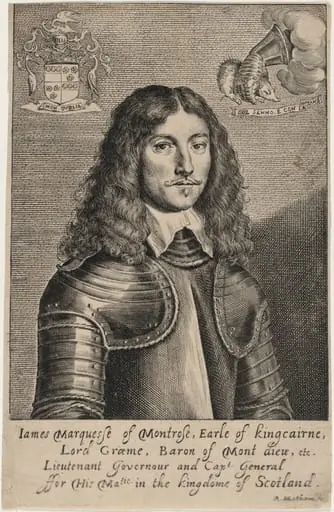 James Graham, First Marquess of Montrose
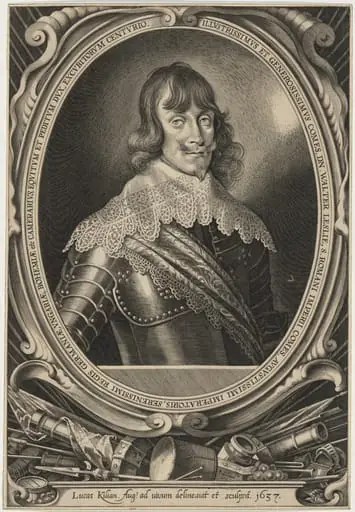 Walter Leslie (Count Leslie)
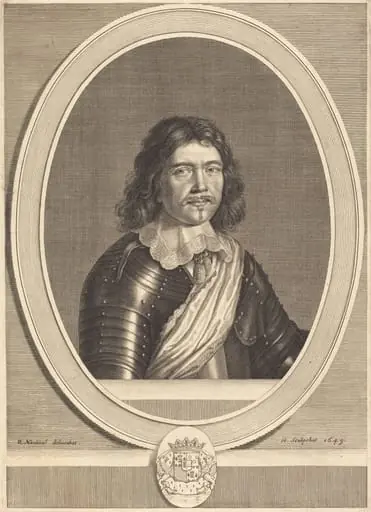 Frederic-Maurice, Duc de Bouillon
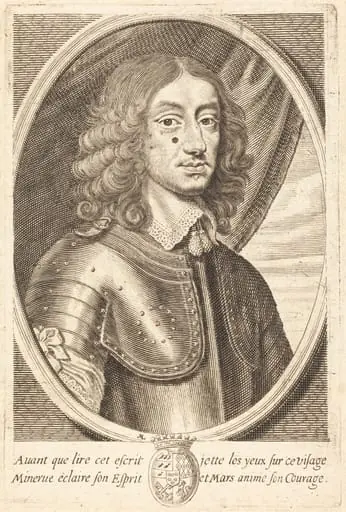 François de Beauvillier
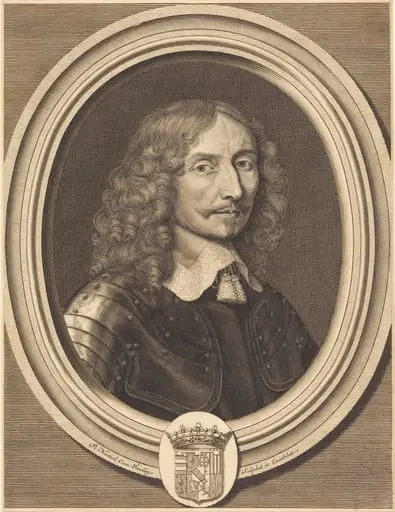 Henri, Marquis de Mouy
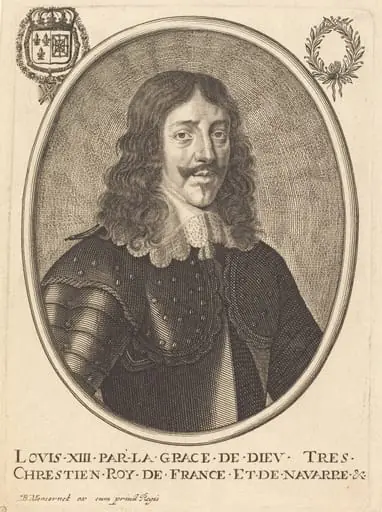 Louis XIII, King of France
 Jean Saint Bonnet de Toiras
 John Thompson
 Chancellor Michel Le Tellier
 John Thompson, Navigator
 William Frederick of Nassau
 John Ernest of Nassau