Artwork
Εορτασμός της Καθαράς Δευτέρας στους στύλους του Ολυμπίου Διός στην Αθήνα
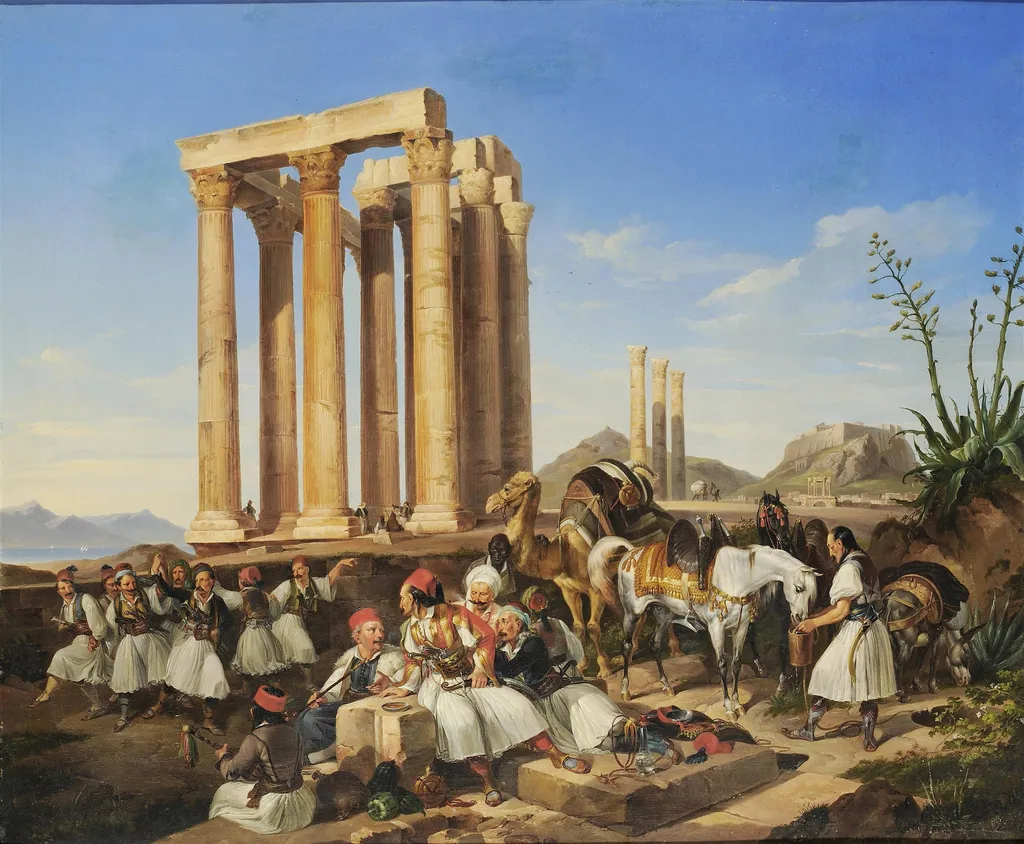
Εορτασμός της Καθαράς Δευτέρας στους στύλους του Ολυμπίου Διός στην Αθήνα is an unspecified painting by the Biedermeier artist Perlberg Christian. It dates from 1838 and is held in the collection of the Historical & Ethnological Society of Greece. Painted in 1838 by Christian Perlberg, this image captures a seasonal celebration near the ruins of the Temple of Olympian Zeus in Athens.
About this work
Overview
Its composition blends architectural grandeur with intimate human activity, presenting a quiet yet vivid snapshot of life amid ancient remains.
Painted in 1838 by Christian Perlberg, this image captures a seasonal celebration near the ruins of the Temple of Olympian Zeus in Athens. The work belongs to the collection of the Museum of Ethnography and reflects a moment of public observance during the early 19th century. Its composition blends architectural grandeur with intimate human activity, presenting a quiet yet vivid snapshot of life amid ancient remains.
Subject & Meaning
The scene depicts participants in the observance of Clean Monday, a Greek Orthodox tradition marking the start of Lent. Figures in white garments suggest ritual purity, while others wear regional attire, indicating a mix of local and visiting participants. The presence of horses and personal belongings implies a pilgrimage or outing, framing the event as both spiritual and communal, rooted in place and custom.
Technique & Style
Perlberg employs a detailed, observational approach characteristic of early Romantic landscape painting. Soft atmospheric perspective renders the distant mountains and sky with gentle gradations, while foreground elements—robes, ropes, a jug, scattered bags—are rendered with precise brushwork. The lighting is naturalistic, enhancing the sense of a real moment rather than an idealized composition.
History & Provenance
Created during a period of renewed interest in Greece’s classical heritage following its independence, the painting was likely made as part of a broader European fascination with the region’s ruins and customs. It entered the Museum of Ethnography’s collection in the 19th century, where it was preserved as a document of cultural practice rather than as a purely artistic endeavor.
Context
In the 1830s, Athens was rebuilding as a modern capital while still surrounded by ancient monuments. Travelers and scholars flocked to the site, and local traditions were being observed alongside foreign curiosity. Perlberg’s painting captures this intersection: the past as a living backdrop to present rituals, where archaeology and everyday life coexisted without clear separation.
Legacy
The work contributes to a visual record of post-Ottoman Greece, preserving details of dress, behavior, and landscape that might otherwise have been overlooked. It stands as a quiet example of how European artists engaged with Greek culture—not as exotic spectacle, but as a lived reality. Its value lies in its unembellished observation of a moment in transition.
Own this work as a print
Artist & collection
Artist
She once watched fishermen haul nets under a sky so blue it looked like a spilled jar of cobalt, and she kept the color in her pocket for years.
Museum
Historical & Ethnological Society of Greece
Continue through works from the same source collection.
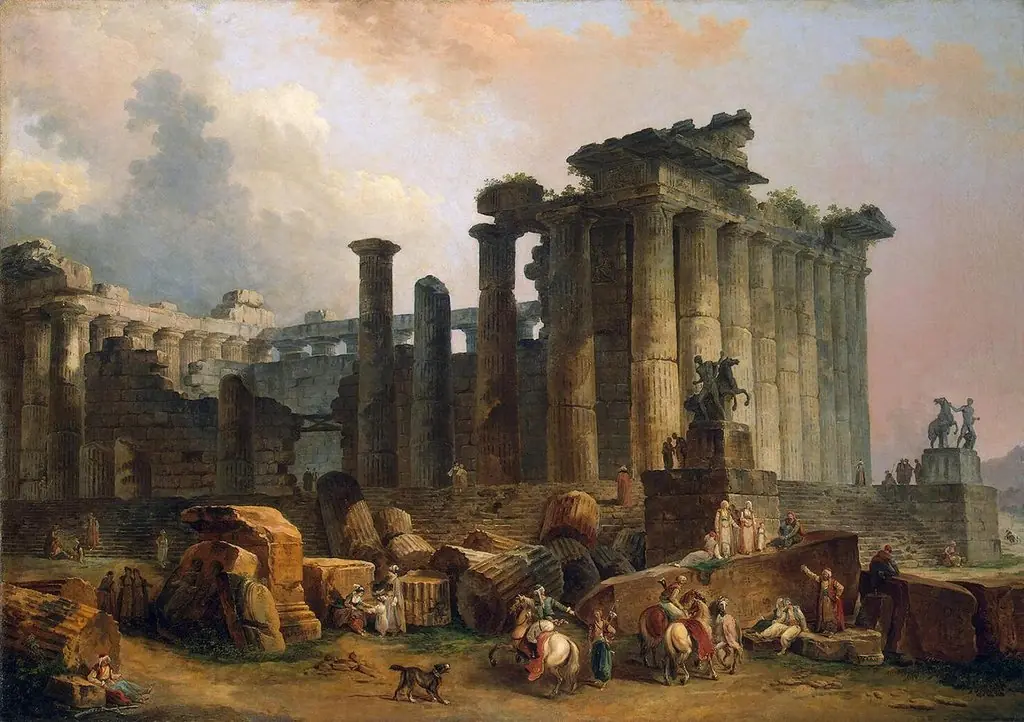 Ruins of a Doric Temple
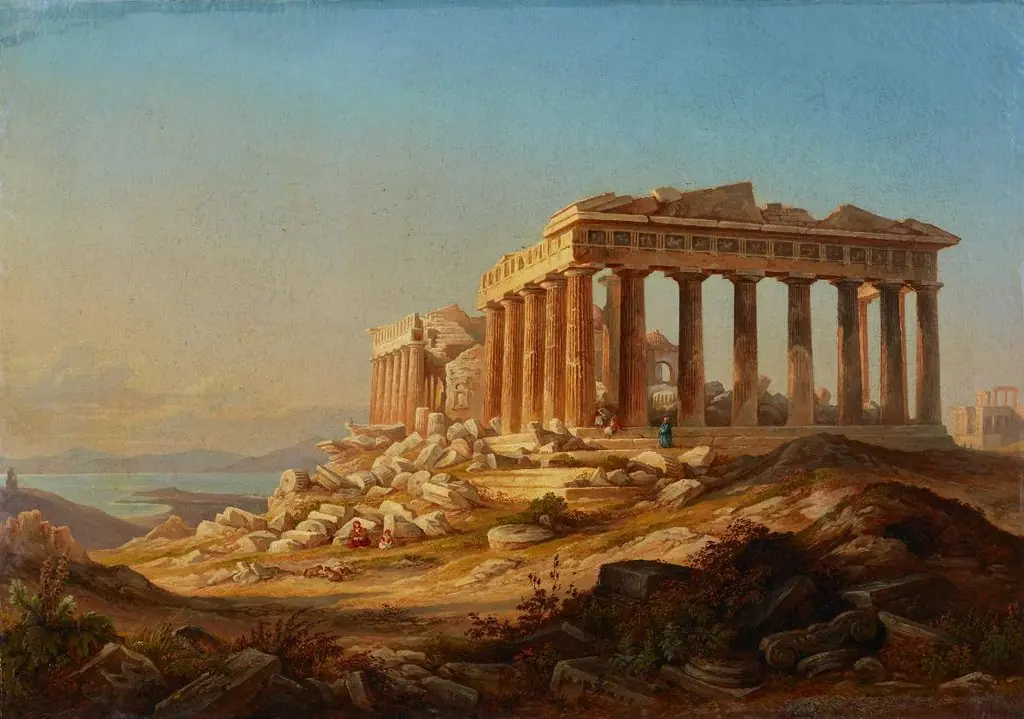 Der Parthenon auf der Akropolis zu Athen
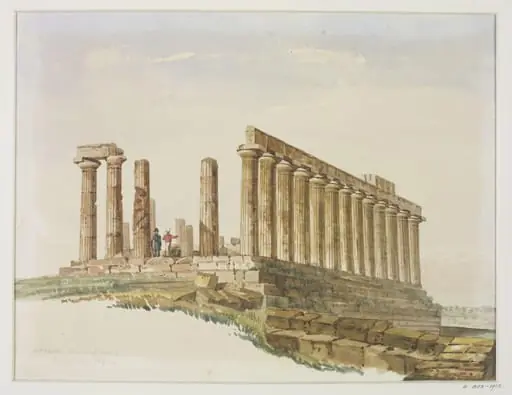 Girgenti. Temple of Juno Lucina.
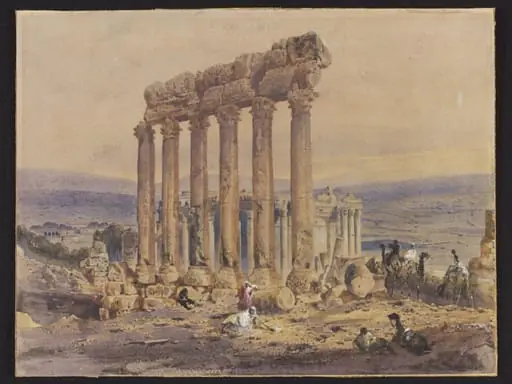 The Temple of Jupiter, Baalbek
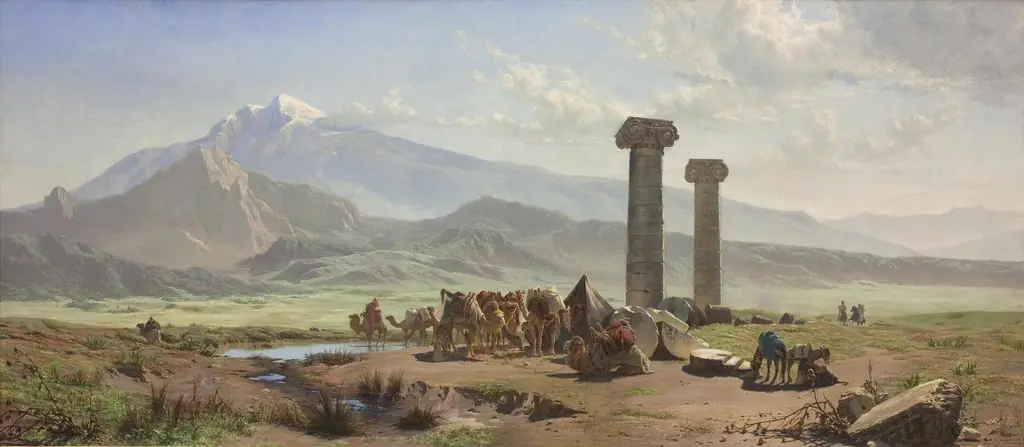 The Lydian Plain near Sardis, Asia Minor (Turkey)
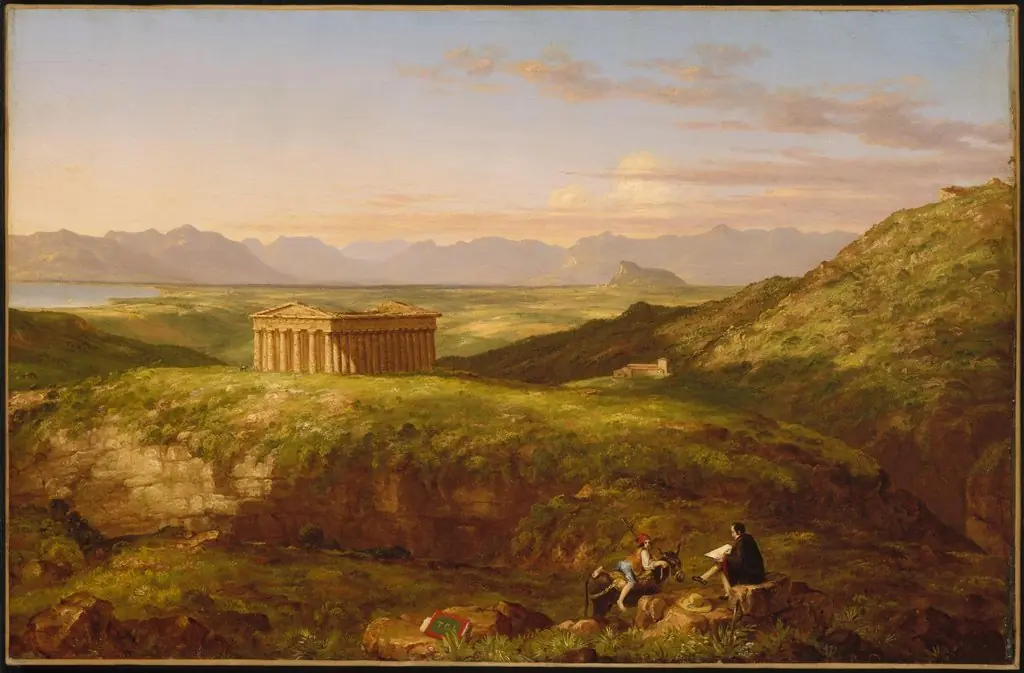 The Temple of Segesta with the Artist Sketching
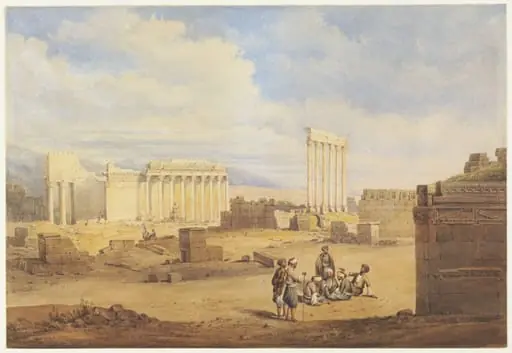 Baalbek
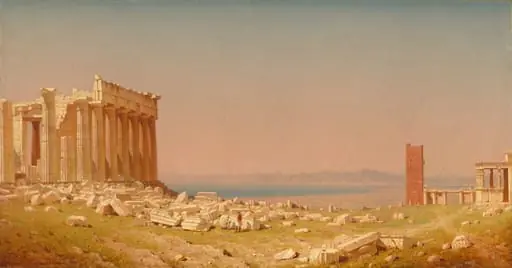 Ruins of the Parthenon
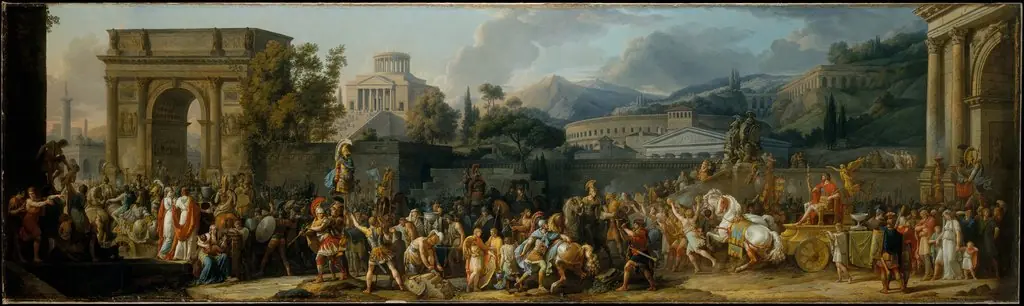 The Triumph of Aemilius Paulus
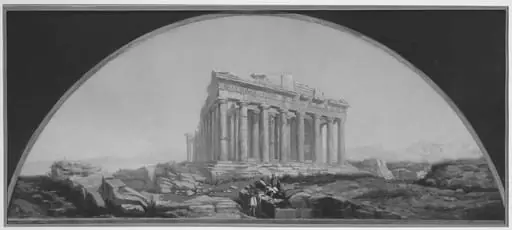 The Parthenon
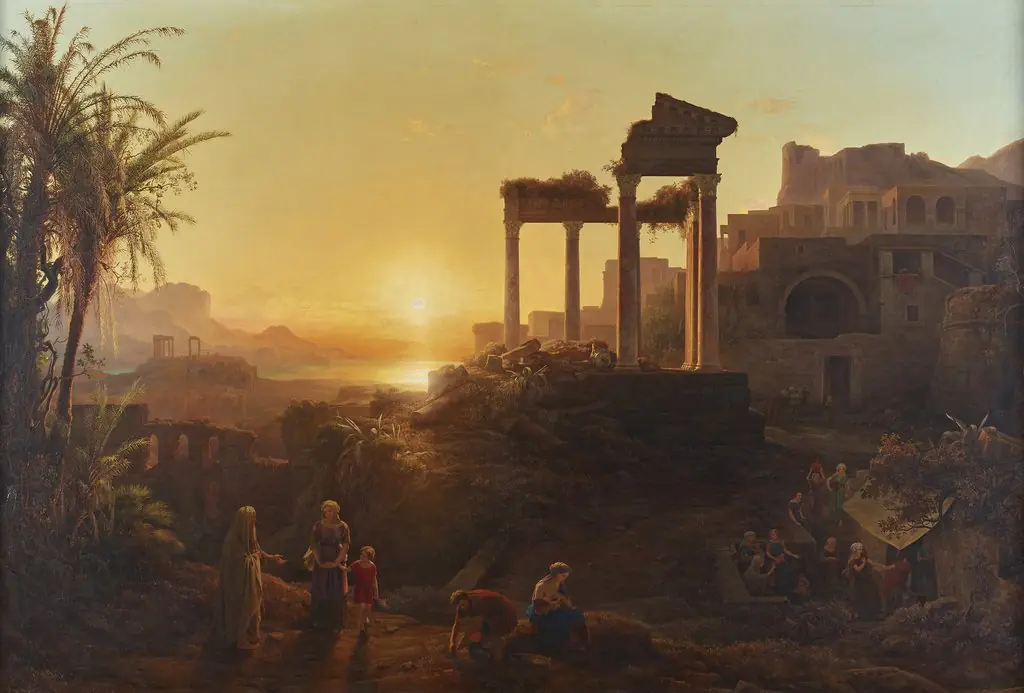 Landschaft mit Sonnenuntergang
 Propylaeum