Artwork
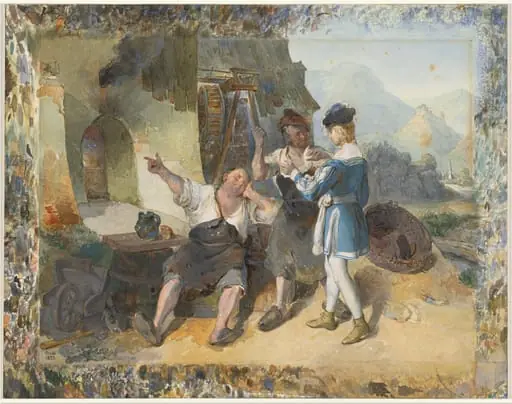
The Field Fair on the Outer Burgplatz on 13 April 1826
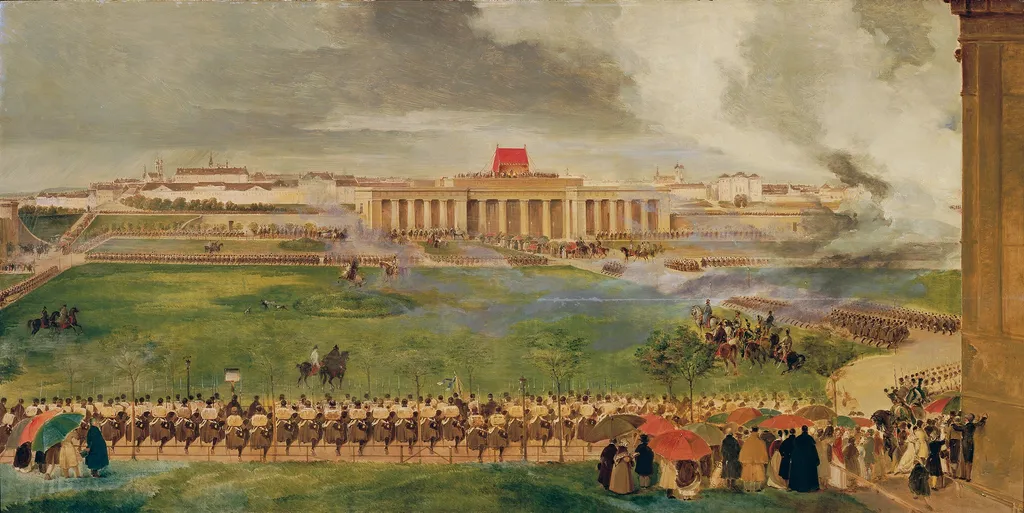
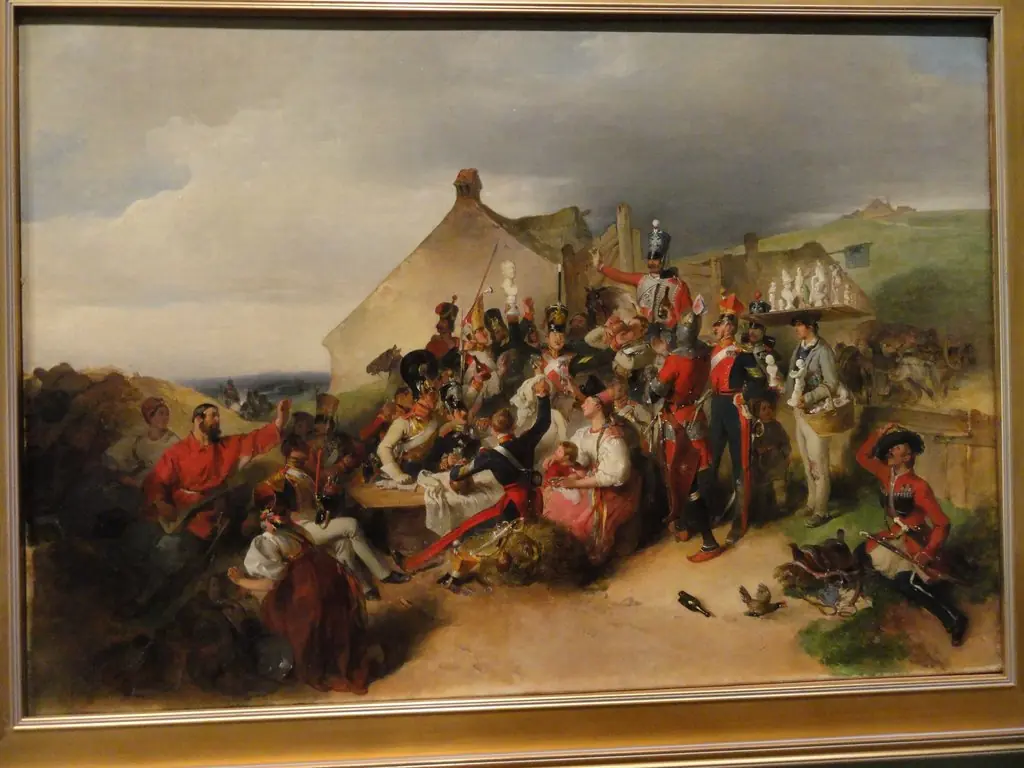
The Field Fair on the Outer Burgplatz on 13 April 1826 is an oil painting by the Biedermeier artist Peter Fendi. It dates from 1826 and is held in the collection of the Kunsthistorisches Museum.
About this work
The painting is titled The Field Fair on the Outer Burgplatz on 13 April 1826.
It was created by Peter Fendi in 1826 using oil paint.
The painting is held at the Kunsthistorisches Museum, which suggests it has some historical significance, and knowing more about the museum could provide context.
You can learn more about this type of art by looking up the museum: Kunsthistorisches Museum.
Overview
Painted in 1826 by Peter Fendi, this oil-on-canvas work captures a public fair held on Vienna’s Outer Burgplatz. Fendi, an Austrian artist active in the Biedermeier era, documented ordinary civic life with attention to detail. The painting is part of the Kunsthistorisches Museum’s collection, where it serves as a record of early 19th-century Viennese social activity.
Subject & Meaning
The scene portrays a bustling market day, with vendors, shoppers, and spectators engaged in routine transactions and leisure. Rather than idealizing the event, Fendi presents it as a snapshot of daily life—highlighting class interactions, local commerce, and seasonal gatherings. The specificity of the date suggests an intention to document a real, transient moment in the city’s rhythm.
Technique & Style
Fendi employed oil paint with a restrained palette and precise brushwork, characteristic of Biedermeier realism. Figures are rendered with careful attention to costume and posture, while the composition organizes the crowd into layered planes that guide the viewer’s eye across the square. The lighting is even and naturalistic, avoiding theatrical drama in favor of quiet observation.
History & Provenance
Commissioned or acquired shortly after its completion, the painting entered the Kunsthistorisches Museum’s holdings in the 19th century. Its preservation reflects the institution’s early commitment to documenting Austrian domestic life alongside grander historical or religious subjects. No significant changes in ownership are recorded, indicating continuous institutional care.
Context
In post-Napoleonic Vienna, the Biedermeier period emphasized domestic tranquility and civic order. Public fairs like the one depicted offered rare opportunities for social mingling across classes. Fendi’s work aligns with a broader cultural shift toward valuing everyday scenes, contrasting with the Romantic emphasis on the sublime or heroic.
Legacy
Though not widely exhibited outside Austria, the painting remains a key example of Biedermeier genre painting. It contributes to scholarly understanding of urban life in early 19th-century Vienna and exemplifies how artists of the time used observation to preserve the ordinary. Its continued presence in a major museum underscores its role as a historical document.
Artist & collection
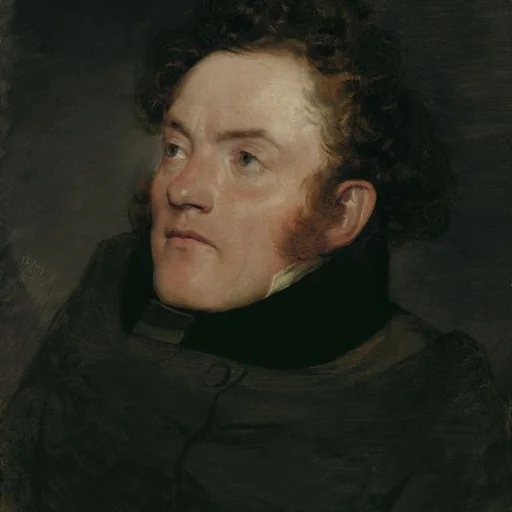
Artist
Peter Fendi (4 September 1796 – 28 August 1842) was an Austrian court painter, portrait and genre painter, engraver, and lithographer. He was one of the leading artists of the Biedermeier period.

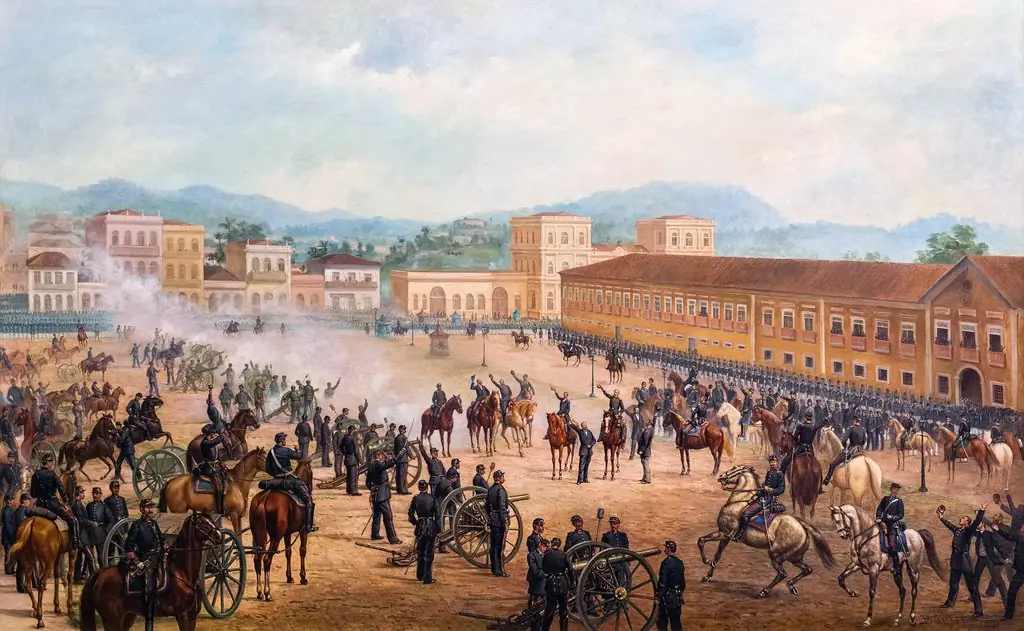 Proclamation of the Republic
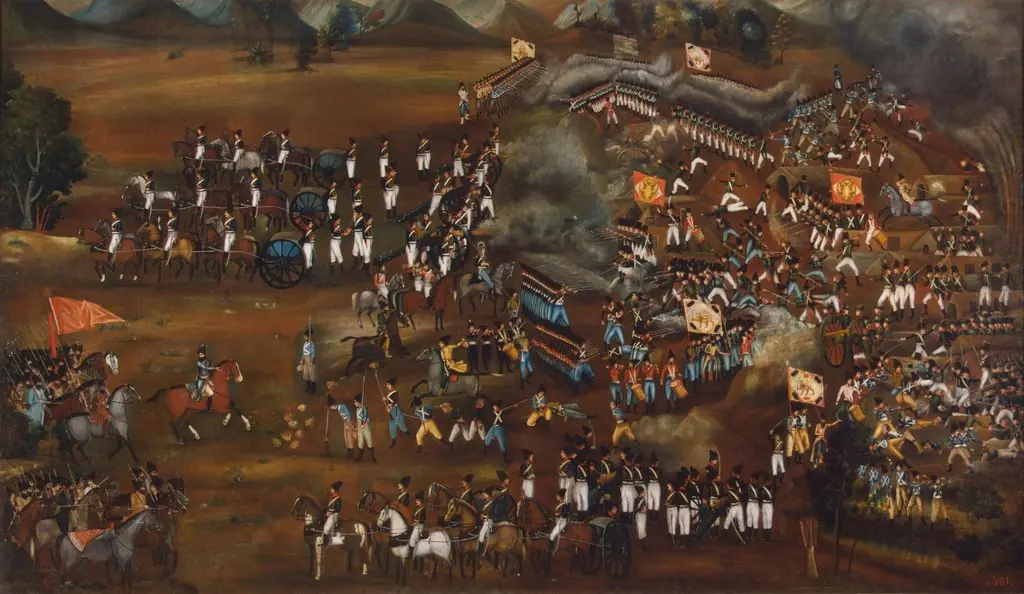 Battle Between Persians and Russians
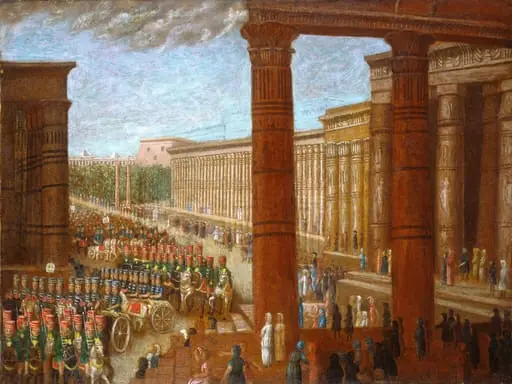 Pharaoh's Army Marching
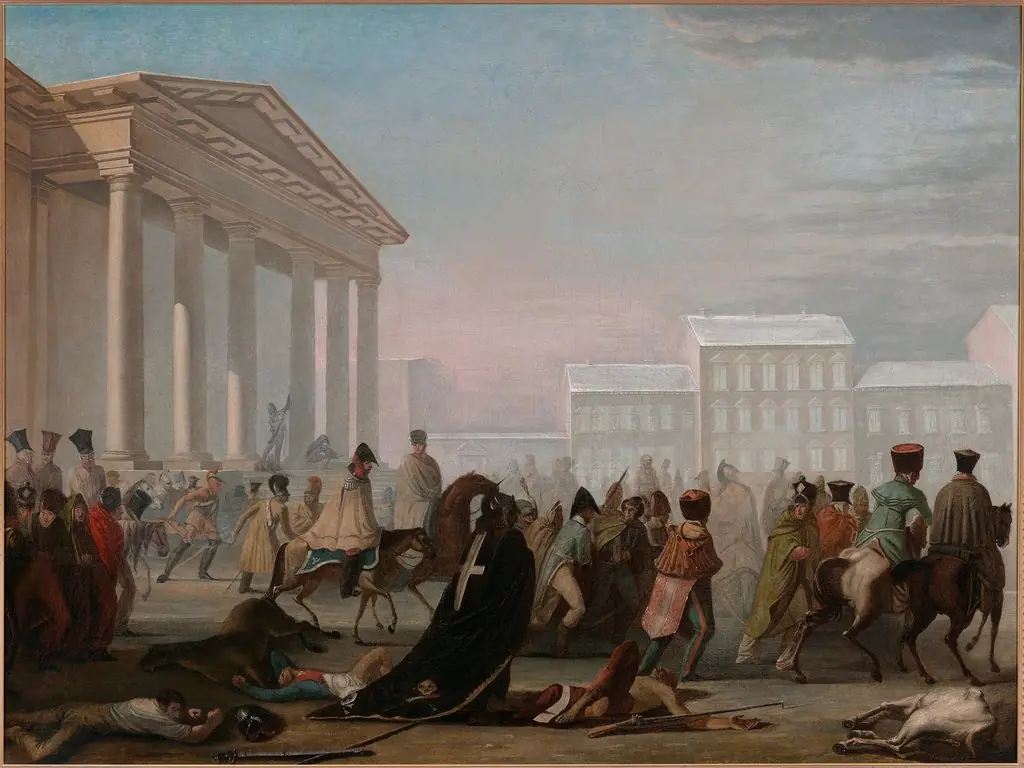 Retreat of Napoleon's army
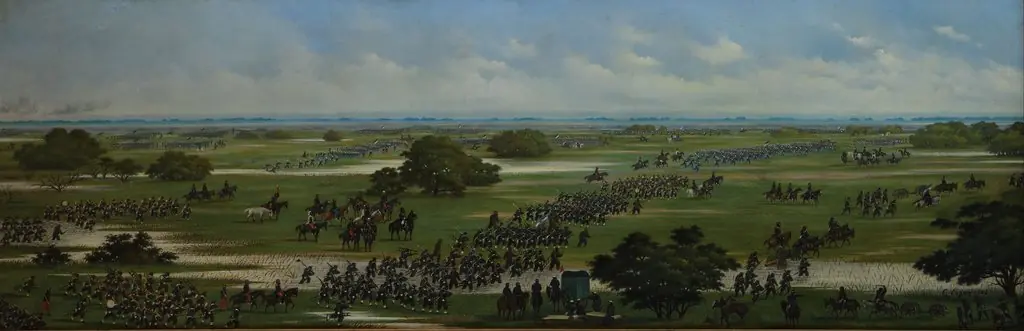 Marcha del Ejército Argentino a tomar posiciones para el ataque a Curupaytí el 22/09/1866
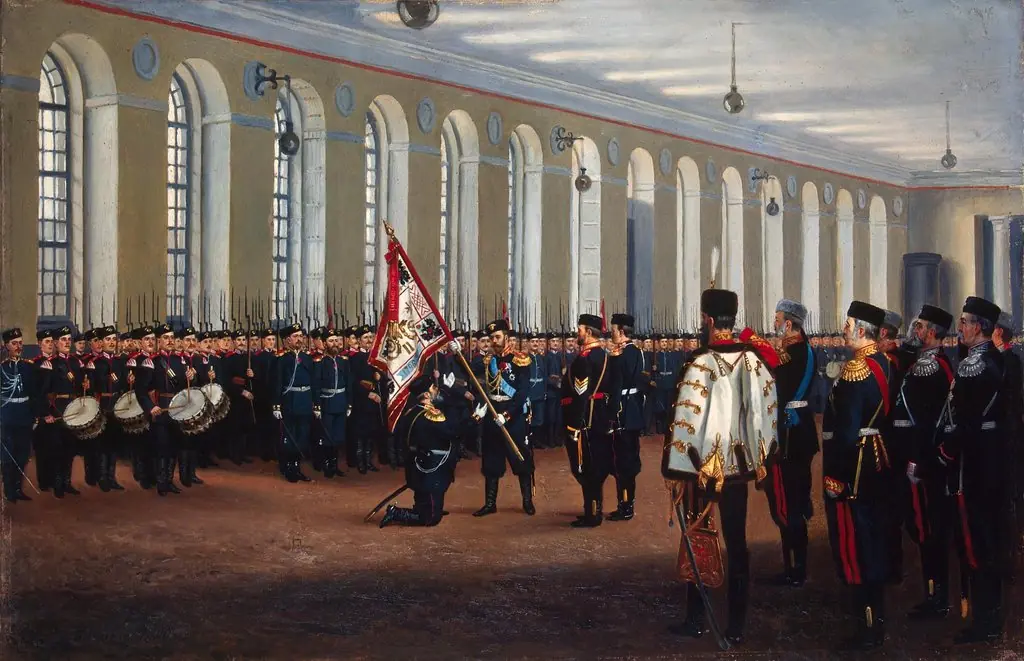 Empreror Nicholas II Presenting the Colour to the 145th Novocherkassk Infantry Regiment
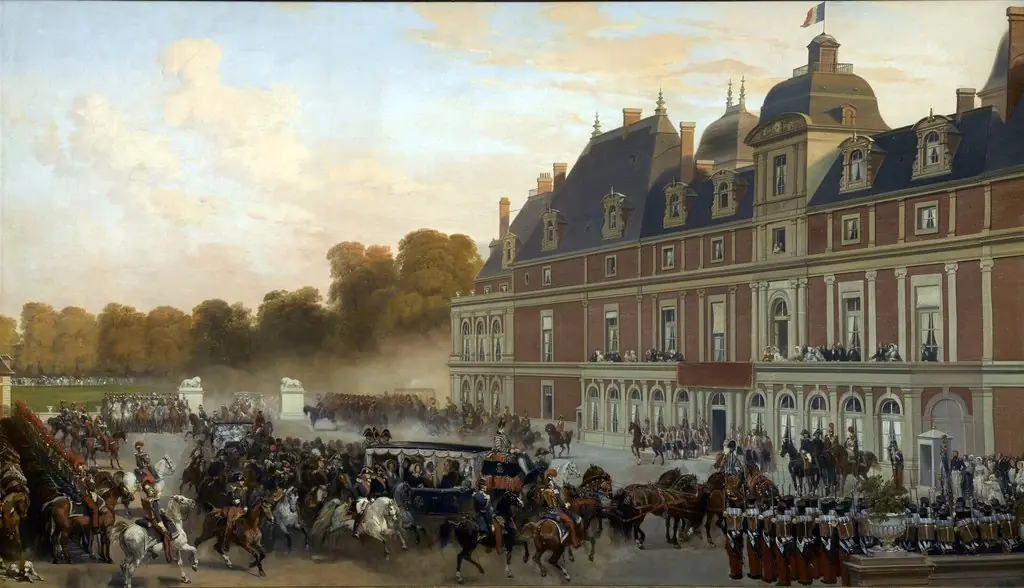 The Arrival of Queen Victoria at the Château d'Eu
 Desembarco del Ejército Argentino frente a las trincheras de Curuzú
 Entry of Charles X into Paris at the Gate of la Villette, after his Coronation
 First Bricklaying of the Kattendijkdok in Antwerp
 General Józef Chłopicki and Skrzynecki among soldiers
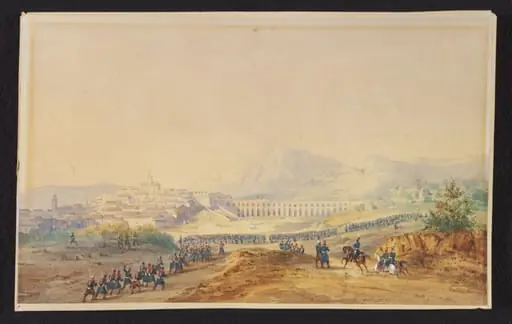 French troops at Médéa, Algeria