Artwork
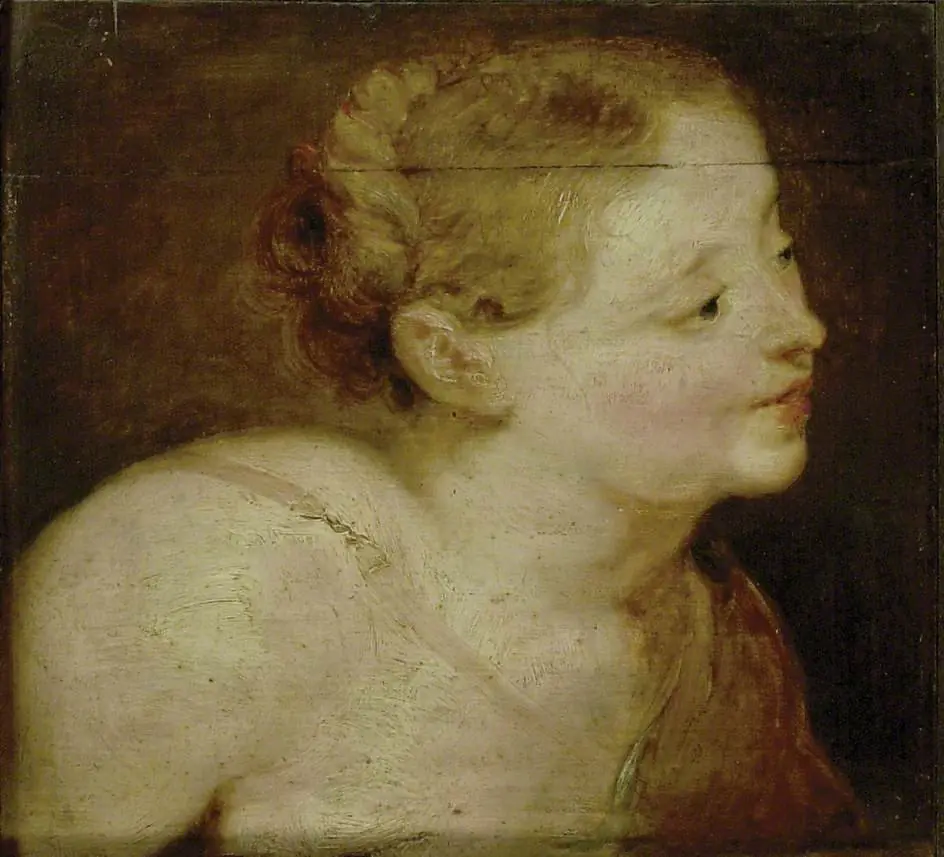
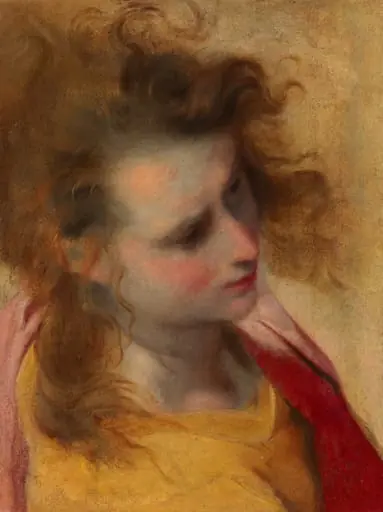
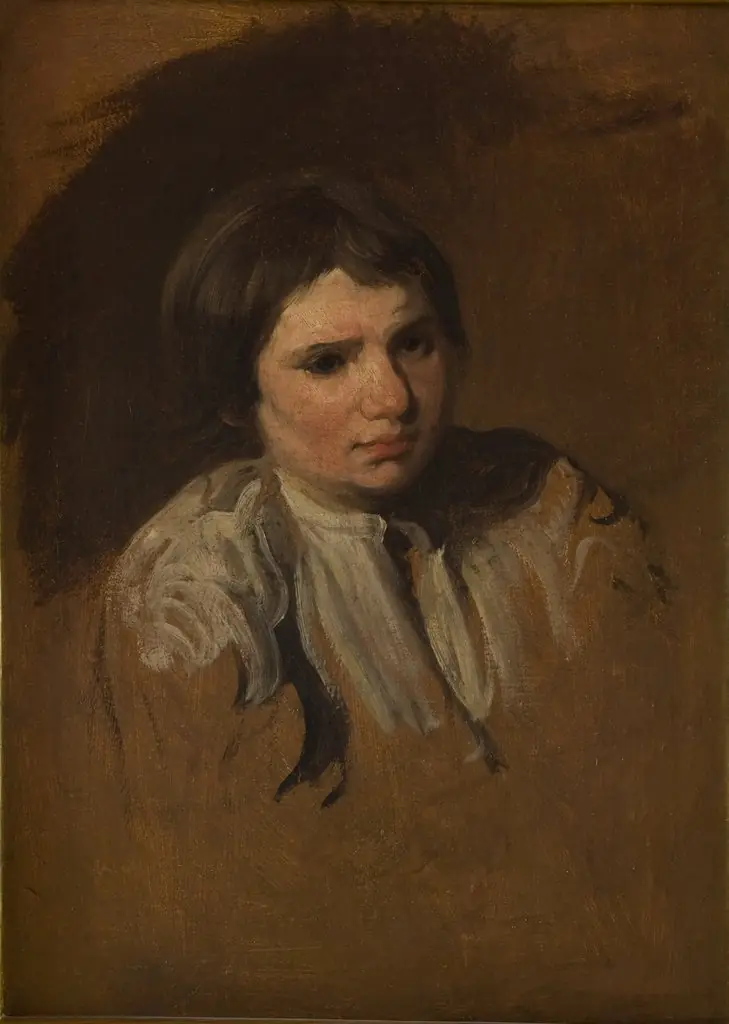
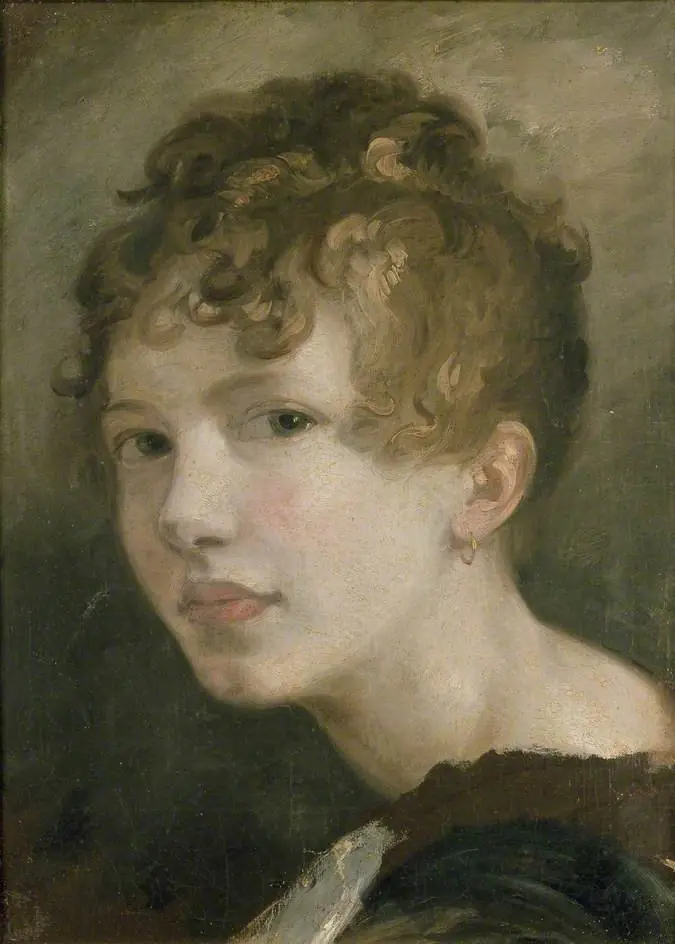
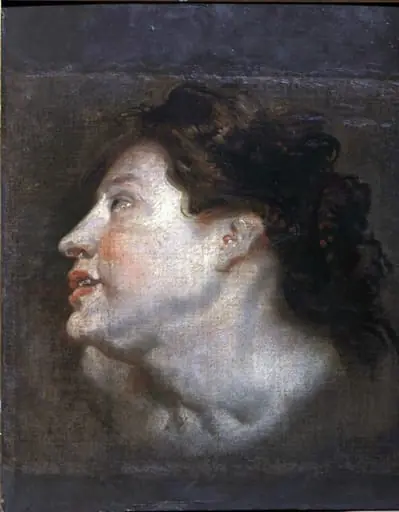
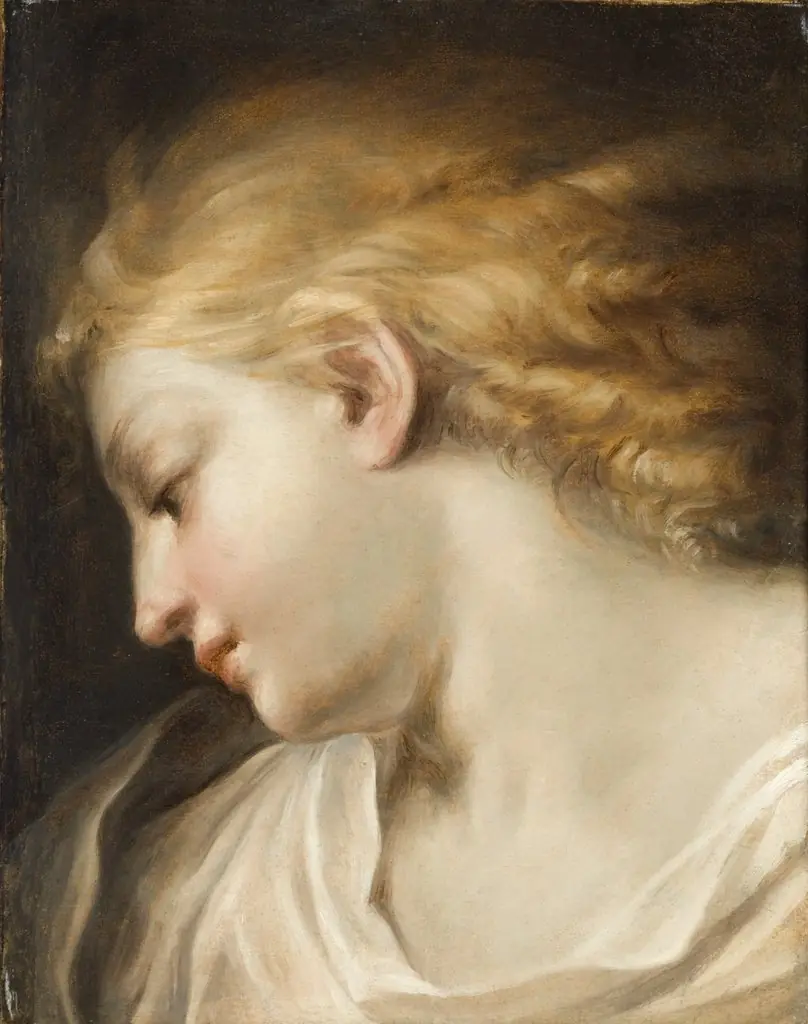
Study of head and bust of youth, looking to lower left
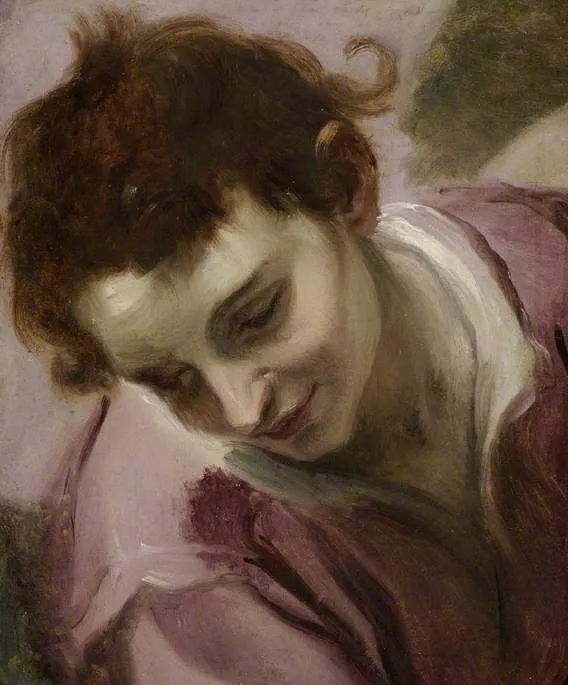
Study of head and bust of youth, looking to lower left is an unspecified painting by the Mannerist artist Cigoli. It dates from 1598 and is held in the collection of the Fitzwilliam Museum.
About this work
Overview
Created in 1598, this study by Lodovico Cardi, known as Cigoli, captures a young male figure in pencil or ink on paper. Executed during his Florentine period, the work reflects the artist’s interest in human form and expression. Unlike finished compositions, this piece serves as a focused exploration of posture, gaze, and texture, emphasizing anatomical precision over narrative context.
Subject & Meaning
The subject is a youth with downcast eyes and a tilted head, gazing toward the lower left. His disheveled hair and relaxed posture suggest introspection rather than idealized beauty. The absence of context or symbolic elements shifts attention entirely to the psychological stillness of the figure, evoking a moment of private thought rather than a staged scene.
Technique & Style
Cigoli employs subtle tonal gradations to define the contours of the face and neck, with delicate lines rendering the texture of hair and the softness of skin.
Cigoli employs subtle tonal gradations to define the contours of the face and neck, with delicate lines rendering the texture of hair and the softness of skin. The light background contrasts with the darker, more defined forms of the figure, enhancing three-dimensionality. The brushwork is restrained, prioritizing observation over embellishment, characteristic of preparatory studies in late Mannerist practice.
History & Provenance
The work originates from Cigoli’s early career in Florence, before his relocation to Rome around 1599. It likely served as a reference for larger religious or mythological figures he later painted. Its survival as a standalone study suggests it was valued for its expressive clarity, though its early ownership remains undocumented in public records.
Context
In late 16th-century Italy, artists increasingly turned to direct observation of the human form as a foundation for composition. Cigoli’s study aligns with this trend, reflecting the influence of Michelangelo’s anatomical rigor and the Florentine emphasis on drawing as intellectual discipline. Such studies were essential for training and refining artistic skill before executing major commissions.
Legacy
Though not widely exhibited, this study exemplifies Cigoli’s commitment to naturalism and psychological depth. It contributes to the broader understanding of how Mannerist artists bridged idealized forms with individualized expression. Today, it stands as a quiet testament to the artist’s observational discipline and the enduring value of preparatory work in Renaissance practice.
Artist & collection
Artist
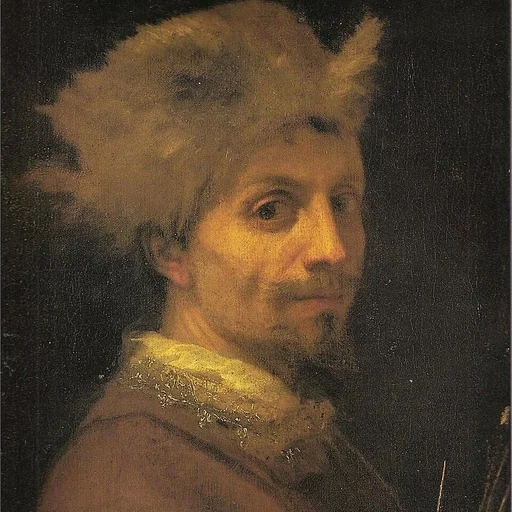
Lodovico or Ludovico Cardi (21 September 1559 – 8 June 1613), also known as Cigoli, was an Italian painter and architect of the late Mannerist and early Baroque period, trained and active in his early career in…