Artwork
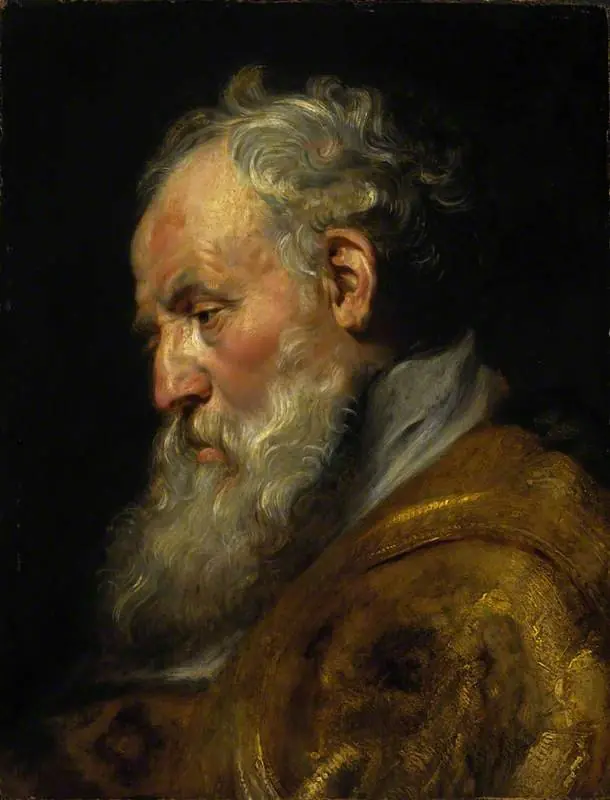
Head study of a bearded man
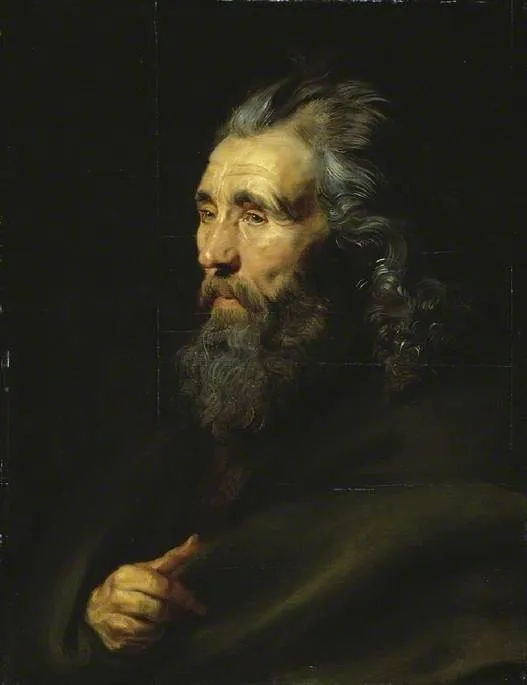
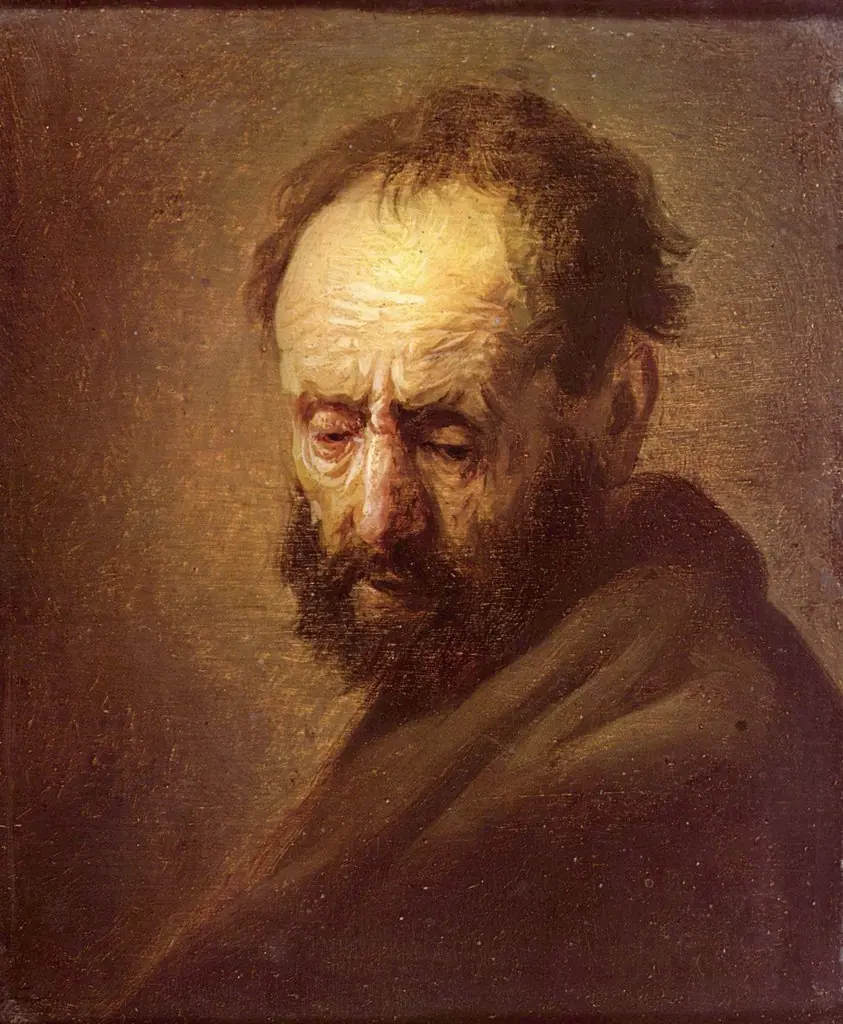
Head study of a bearded man is an oil painting by Peter Paul Rubens. It dates from 1617 and is held in the collection of the Fitzwilliam Museum.
About this work
Overview
Created during Rubens’s mature period, it is not a formal portrait but a focused exploration of character and light.
Painted in 1617 by Peter Paul Rubens, this oil-on-panel study portrays a bearded man with quiet intensity. Created during Rubens’s mature period, it is not a formal portrait but a focused exploration of character and light. The work resides in the Fitzwilliam Museum’s collection, where it exemplifies the artist’s habit of producing preparatory studies to refine his understanding of human expression and form.
Subject & Meaning
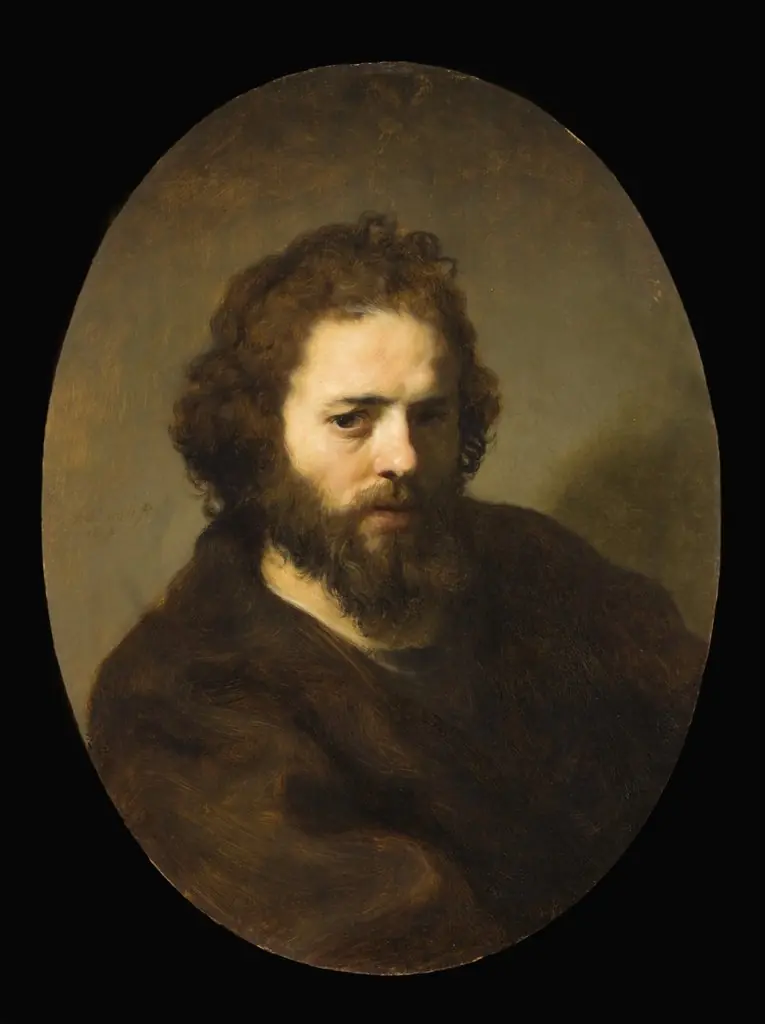
The subject is an older man with a long, grey-streaked beard and downcast eyes, suggesting introspection or quiet dignity. His identity remains unknown, and the painting avoids narrative or symbolic elements. Rather than conveying status or profession, it captures a moment of stillness—offering a psychological presence that reflects Rubens’s interest in the emotional resonance of the human face.
Technique & Style
Rubens employs chiaroscuro to model the face with subtle gradations of light and shadow, enhancing the three-dimensionality of the features. The brushwork is loose yet deliberate, particularly in the textured beard and hair, where thick impasto suggests volume without overdetailing. The dark, unmodeled background isolates the head, focusing attention on the play of warmth against depth—a hallmark of his approach to figure studies.
History & Provenance
The painting was likely made during Rubens’s time in Antwerp, where he maintained a large studio and produced numerous studies for larger compositions. It entered the Fitzwilliam Museum’s collection in the 19th century, having passed through private hands in Europe. Its survival as a standalone study, rather than a sketch for a known work, makes it a rare testament to Rubens’s personal artistic process.
Context
In early 17th-century Flanders, artists often produced head studies to master facial expressions and lighting before executing commissioned works. Rubens’s studies, influenced by Renaissance ideals and contemporary Italian painting, served both practical and expressive purposes. This piece aligns with a broader trend of artists treating the human head as a subject worthy of independent contemplation.
Legacy
Though not widely exhibited, this study remains a key example of Rubens’s methodical approach to portraiture. It influenced later artists interested in psychological depth and naturalistic lighting. Its preservation underscores the value placed on preparatory works in the Baroque tradition, revealing how even minor studies contributed to the development of major artistic practices.
Artist & collection
Artist
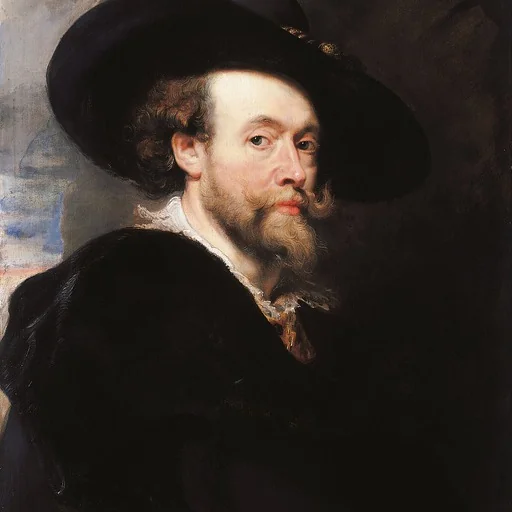
Sir Peter Paul Rubens ( ROO-bənz; Dutch: ; 28 June 1577 – 30 May 1640) was a Flemish artist and diplomat.