Artwork
Portrait of Judith with the Head of Holofernes
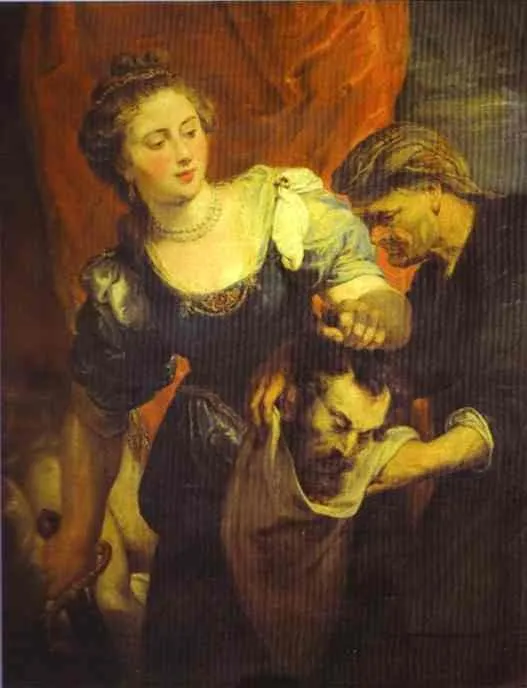
Portrait of Judith with the Head of Holofernes is an oil painting by the Flemish Baroque painting artist Peter Paul Rubens. It dates from 1630 and is held in the collection of the Uffizi Gallery.
About this work
Overview
Rubens, known for his dynamic compositions and rich pigment use, rendered this biblical scene with psychological depth and visual precision.
Painted in 1630 by Peter Paul Rubens, this oil-on-canvas work portrays Judith with the severed head of Holofernes. Executed in the Flemish Baroque style, it reflects the period’s emphasis on emotional intensity and dramatic lighting. The painting is part of the Uffizi Gallery’s collection in Florence, where it has remained since the 17th century. Rubens, known for his dynamic compositions and rich pigment use, rendered this biblical scene with psychological depth and visual precision.
Subject & Meaning
The scene depicts Judith, a biblical heroine, holding the head of Holofernes, the Assyrian general she beheaded to save her people. Her composed expression contrasts with the shock of the figure behind her, suggesting quiet resolve over violent triumph. The subject, drawn from the Book of Judith, was a common motif in early modern art, symbolizing virtue overcoming tyranny. Rubens emphasizes Judith’s agency, presenting her not as a victim but as a decisive actor in her own narrative.
Technique & Style
Rubens employed chiaroscuro to heighten the drama, directing light onto Judith’s face and upper body while plunging the background and Holofernes’ head into deep shadow. Her dark dress and pale shawl create a tonal contrast that draws attention to her form. The blurred, indistinct background isolates the figures, focusing the viewer on their emotional exchange. Brushwork is fluid yet controlled, with textures in fabric and skin rendered with tactile realism, typical of Rubens’ mature style.
History & Provenance
Commissioned during Rubens’ later years, the painting entered the Medici collection in Florence shortly after its completion. It was recorded in the Uffizi’s inventories by the mid-17th century and has remained there ever since. Unlike many of Rubens’ mythological works, this piece was likely intended for private contemplation rather than public display, reflecting the collector’s interest in morally complex biblical narratives.
Context
In early 17th-century Europe, depictions of Judith were popular among patrons who valued stories of female courage and divine justice. Rubens, influenced by both classical sculpture and Caravaggio’s naturalism, adapted the theme with greater psychological nuance than earlier versions. His version aligns with Counter-Reformation ideals that celebrated moral fortitude, while also reflecting the artist’s engagement with humanist themes through classical storytelling.
Legacy
Rubens’ interpretation of Judith influenced later Baroque artists who sought to merge emotional gravity with technical mastery. While not as widely reproduced as some of his mythological scenes, this painting remains a key example of how biblical subjects were reimagined with psychological realism. Its presence in the Uffizi ensures continued scholarly attention, particularly in studies of gender, power, and visual rhetoric in early modern art.
Artist & collection
Artist
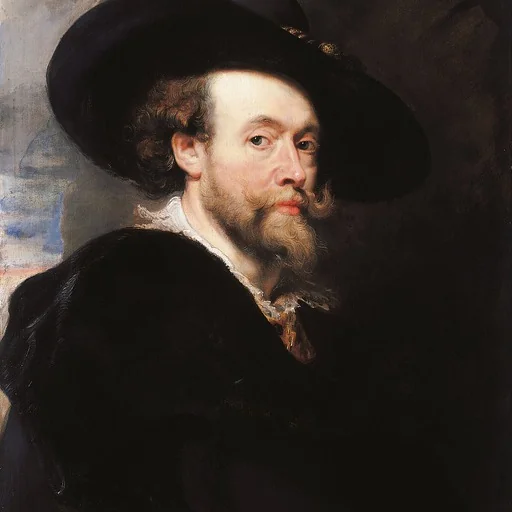
Sir Peter Paul Rubens ( ROO-bənz; Dutch: ; 28 June 1577 – 30 May 1640) was a Flemish artist and diplomat.

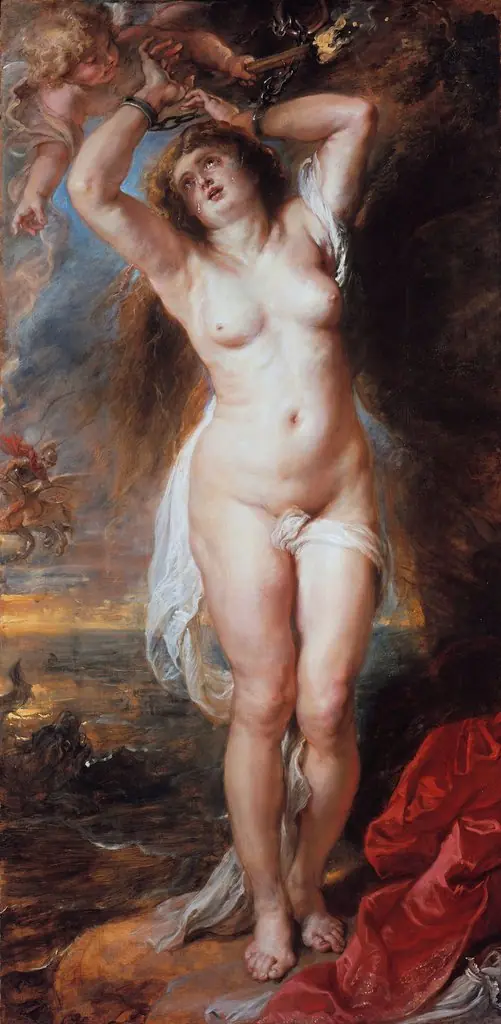
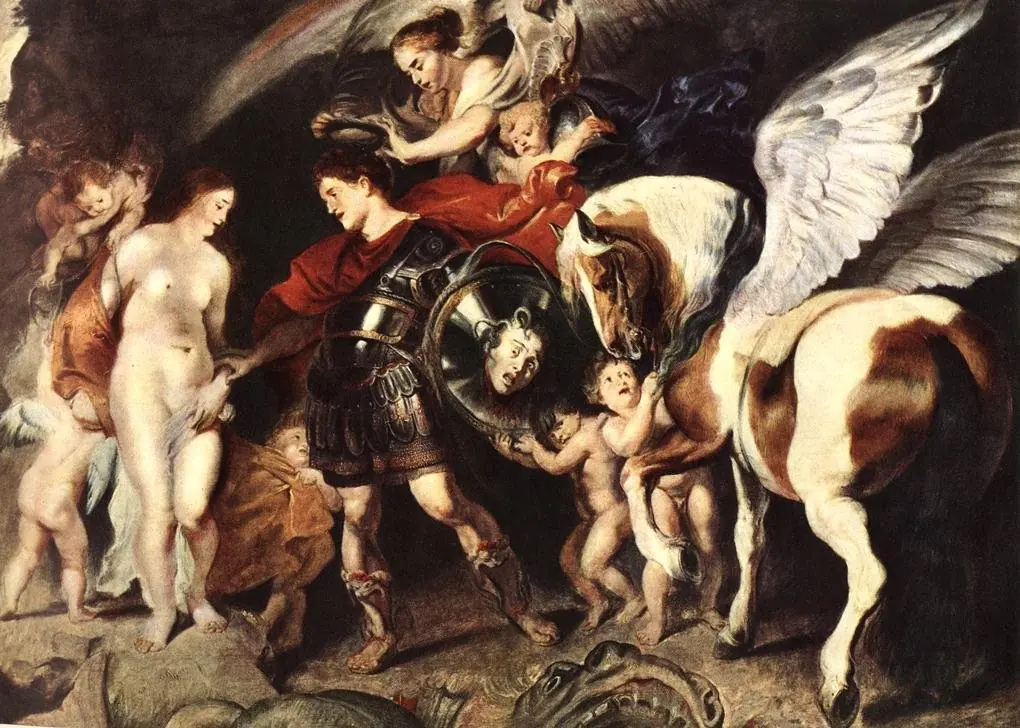
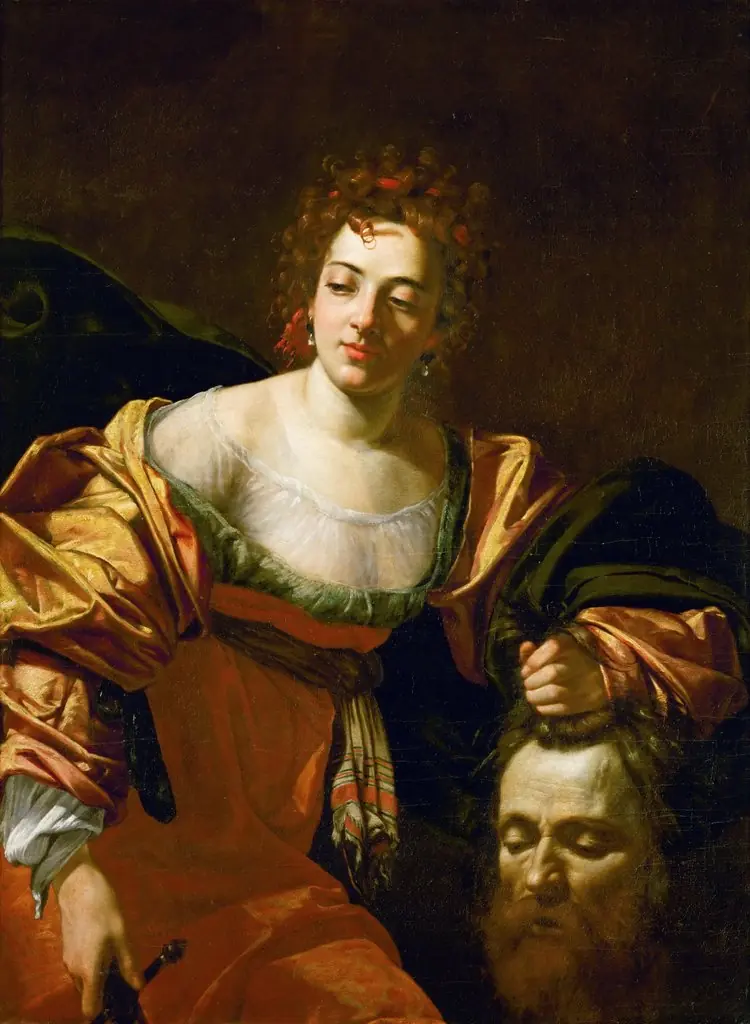 Judith with the Head of Holofernes
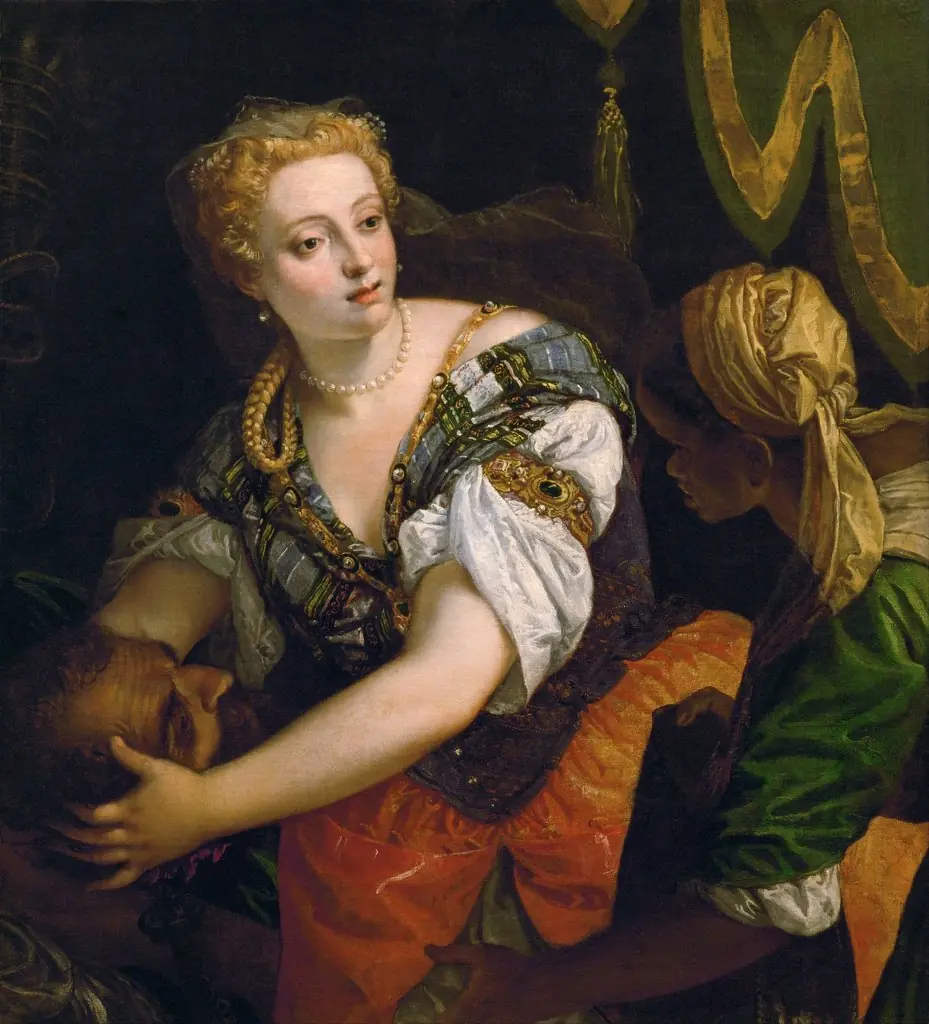 Judith with the Head of Holofernes
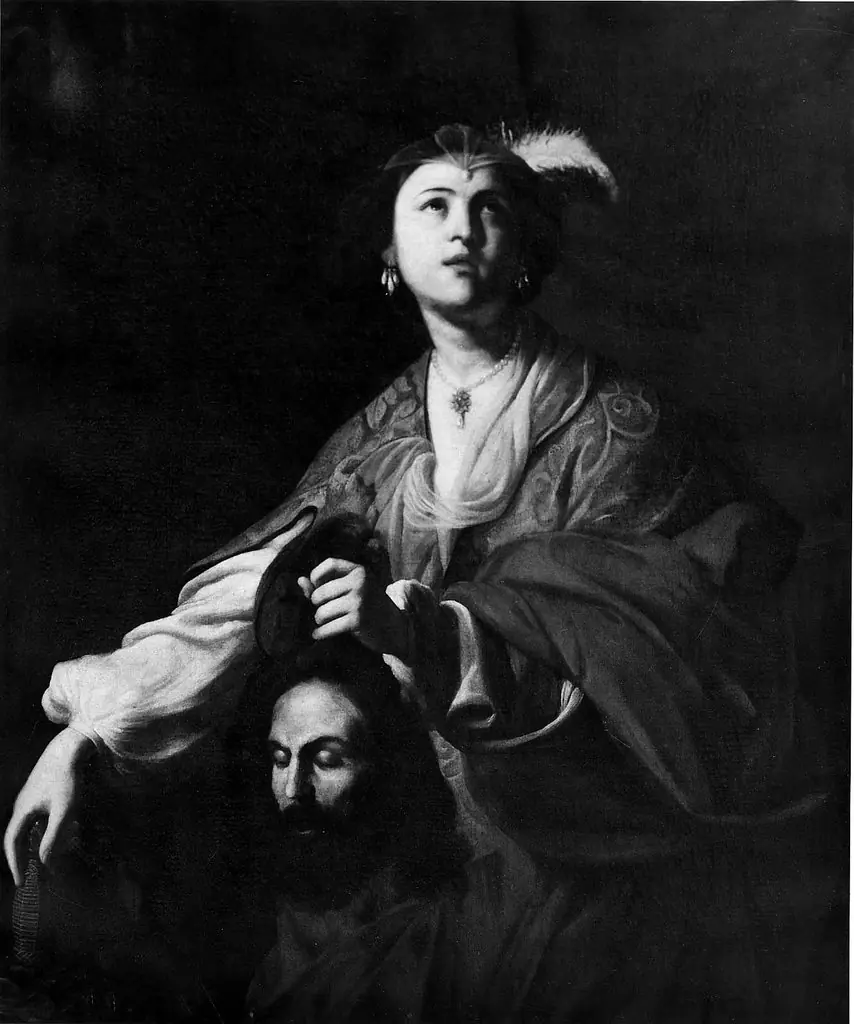 Judith with the Head of Holofernes
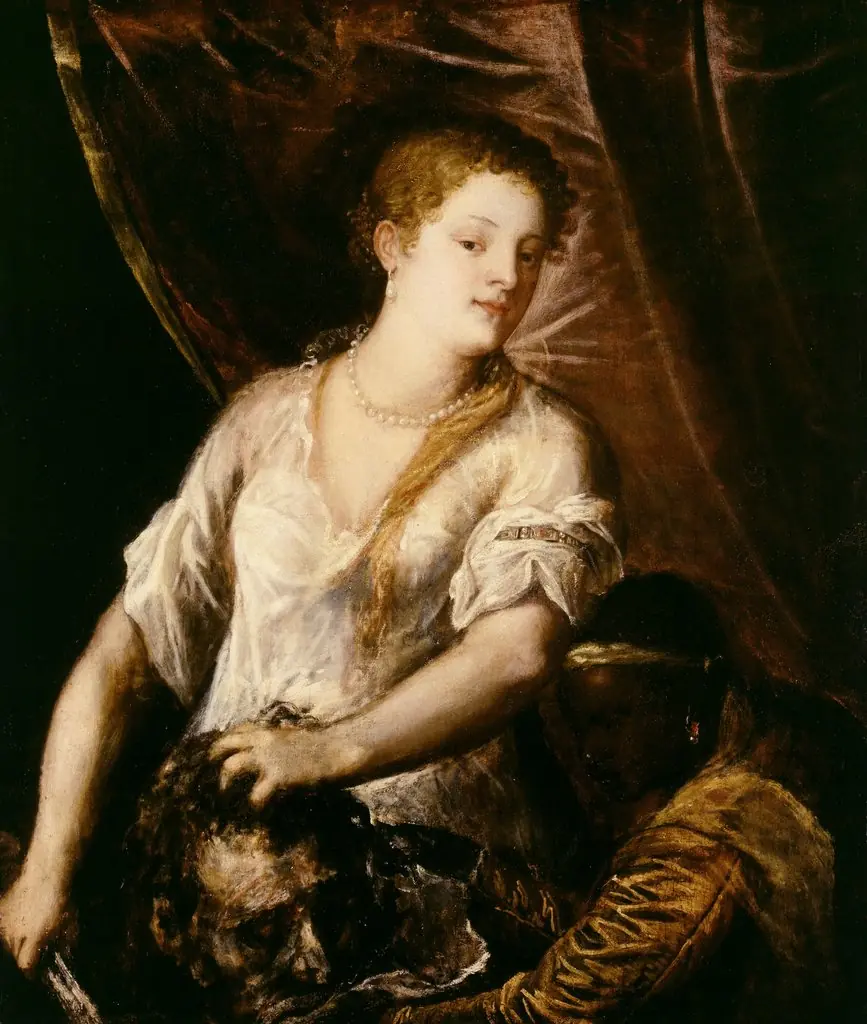 Judith with the Head of Holofernes
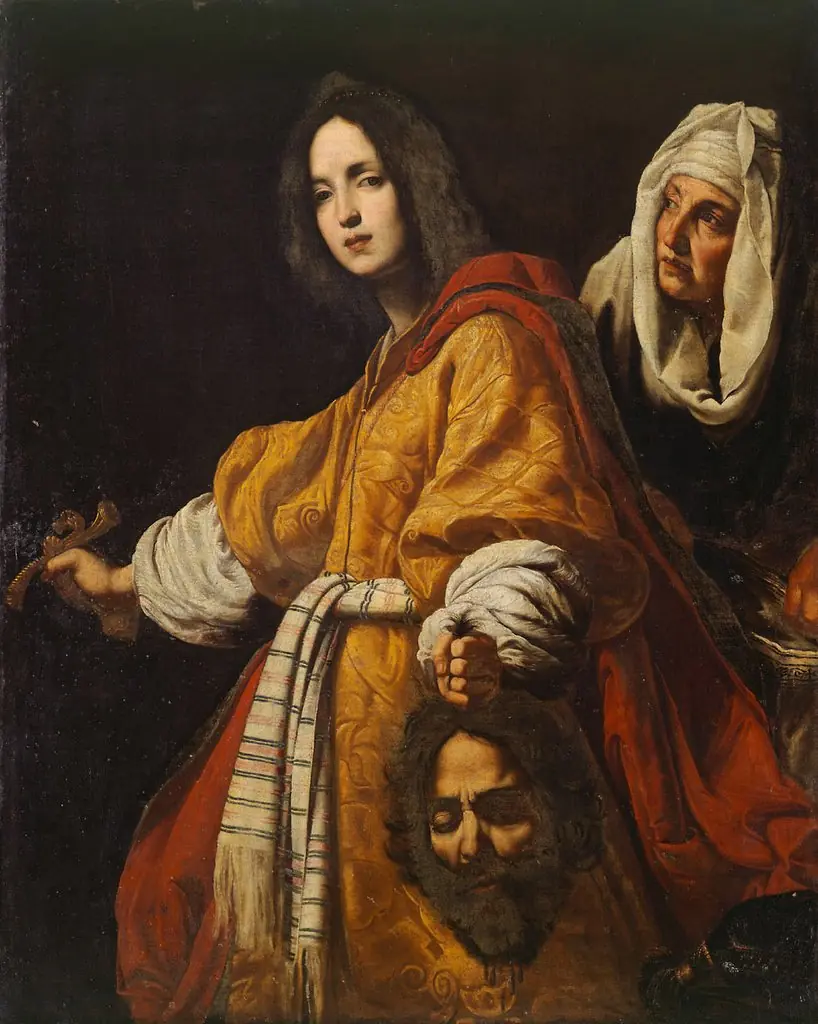 Judith with the head of Holofernes
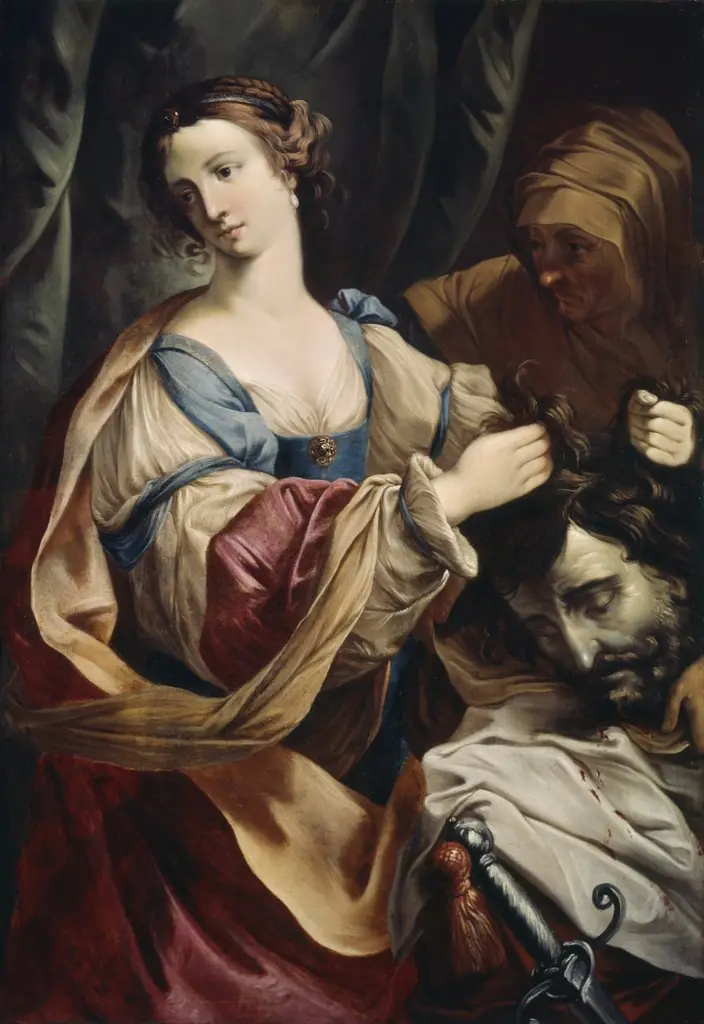 Judith with the Head of Holofernes
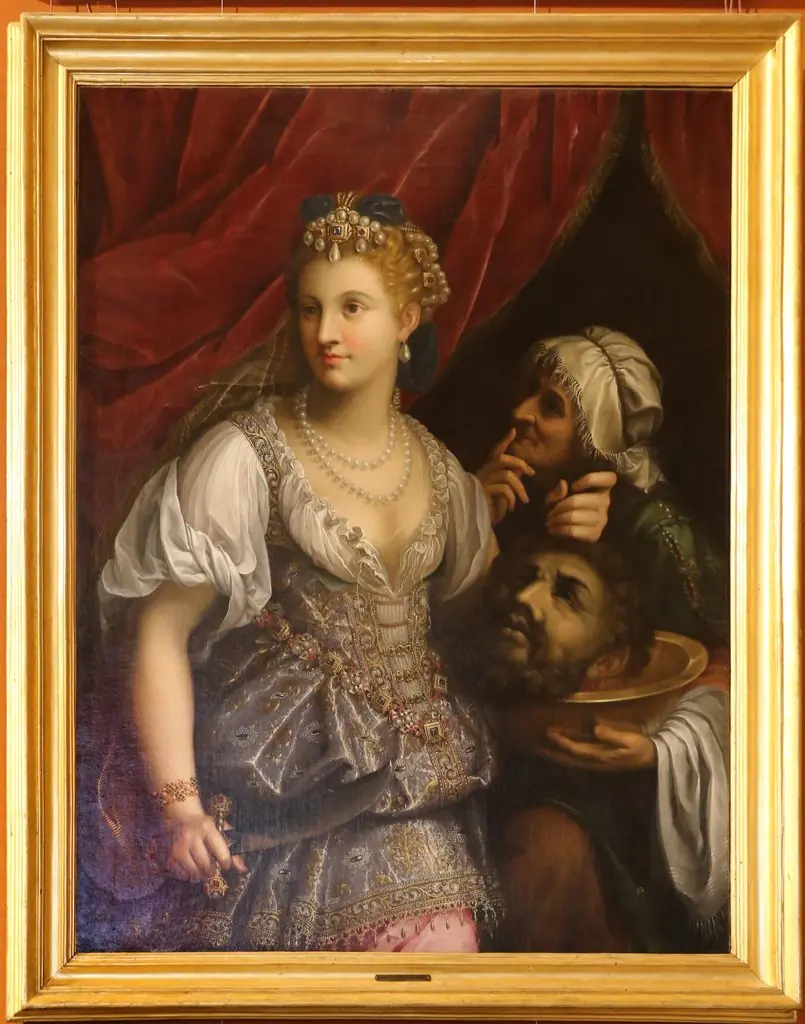 Judith with the Head of Holofernes
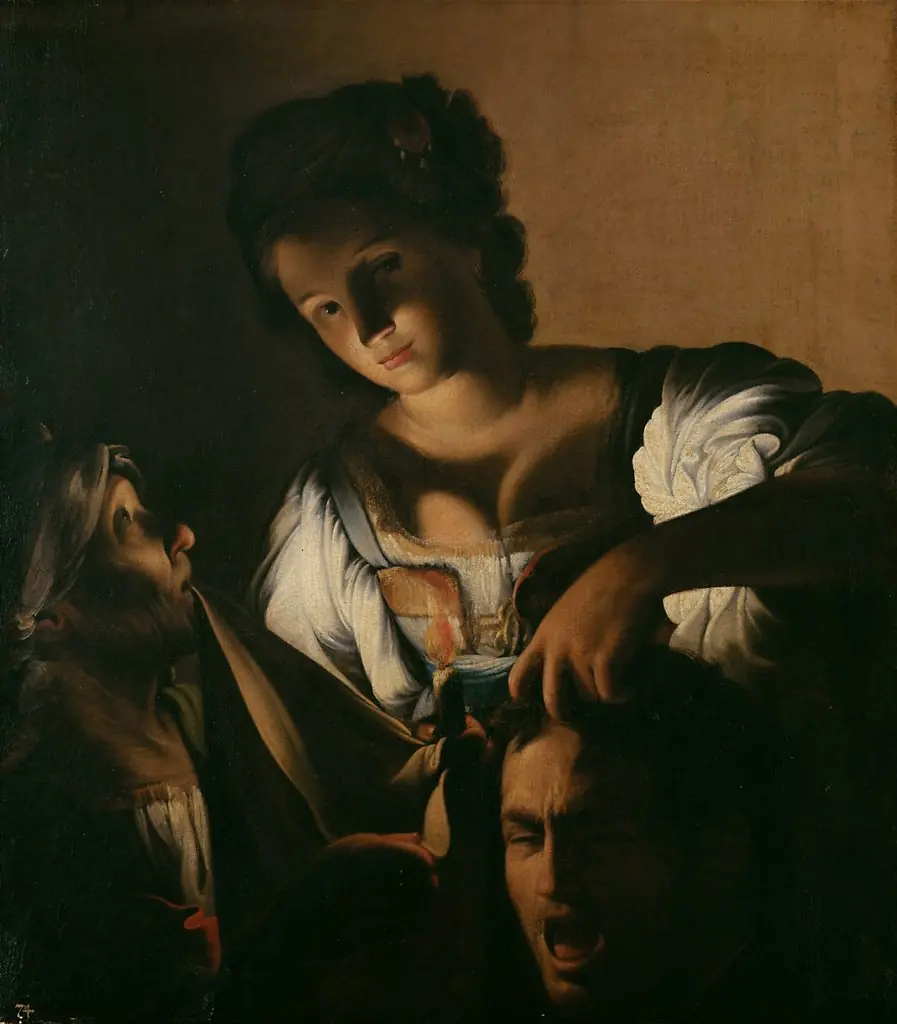 Judith with the head of Holofernes
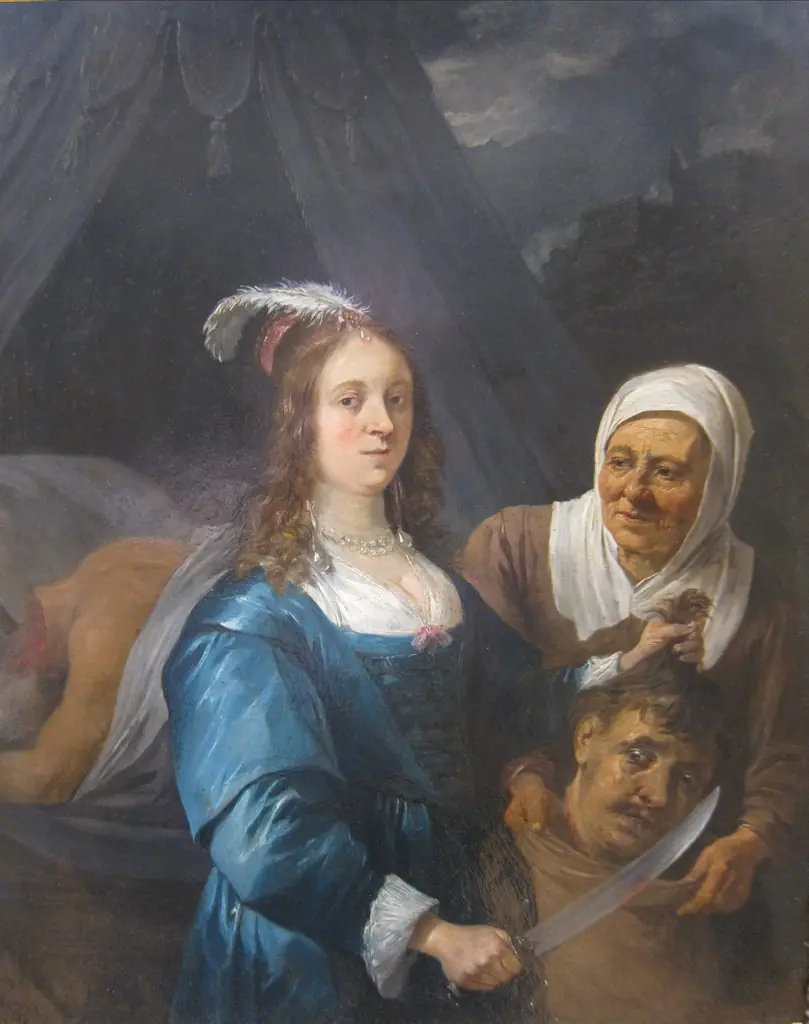 Judith with the Head of Holofernes
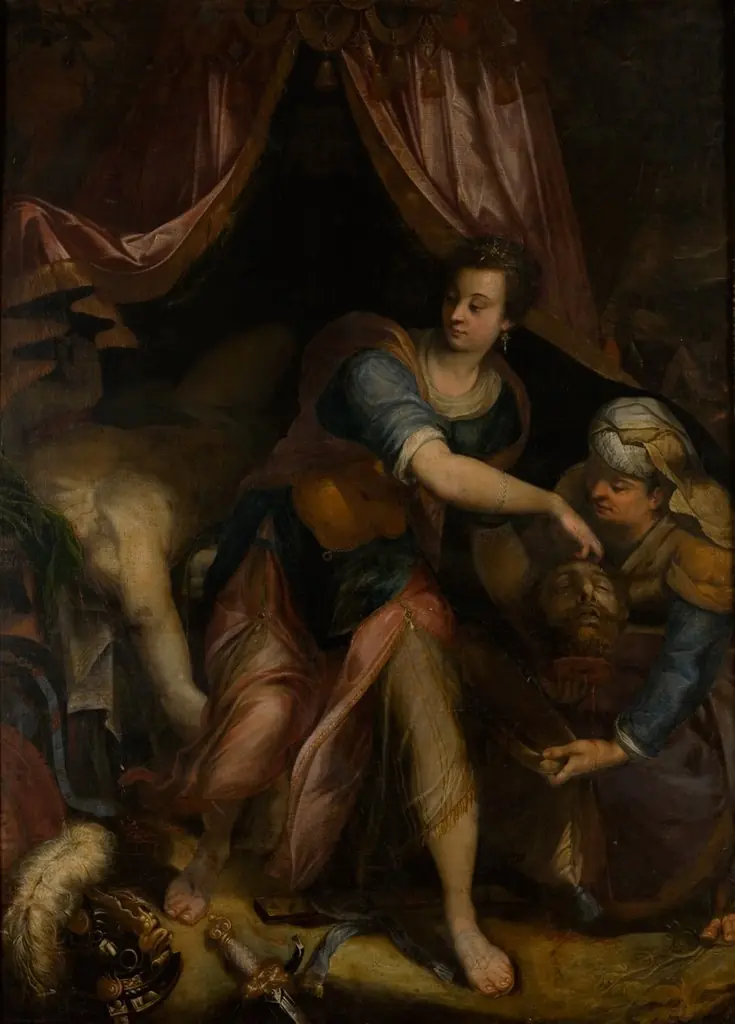 Judith with the Head of Holofernes