Artwork
Saint Jerome
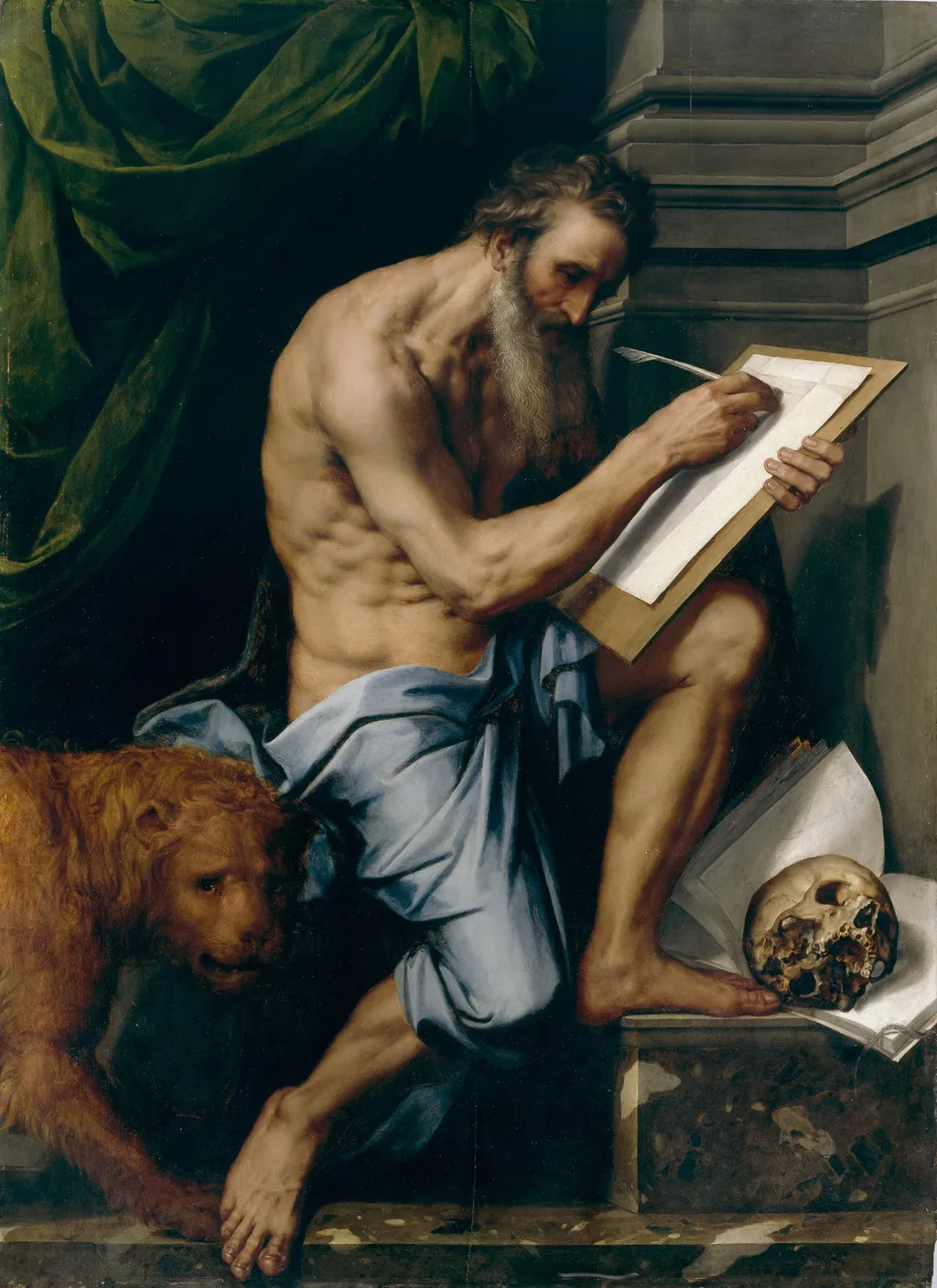
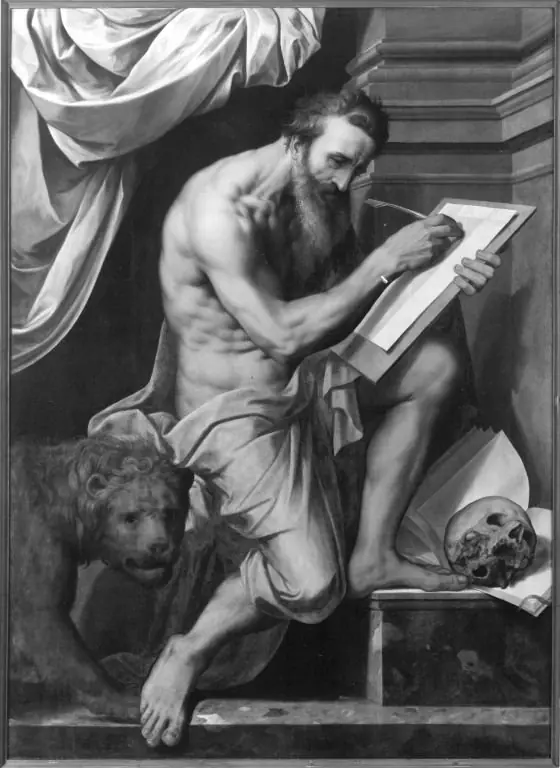
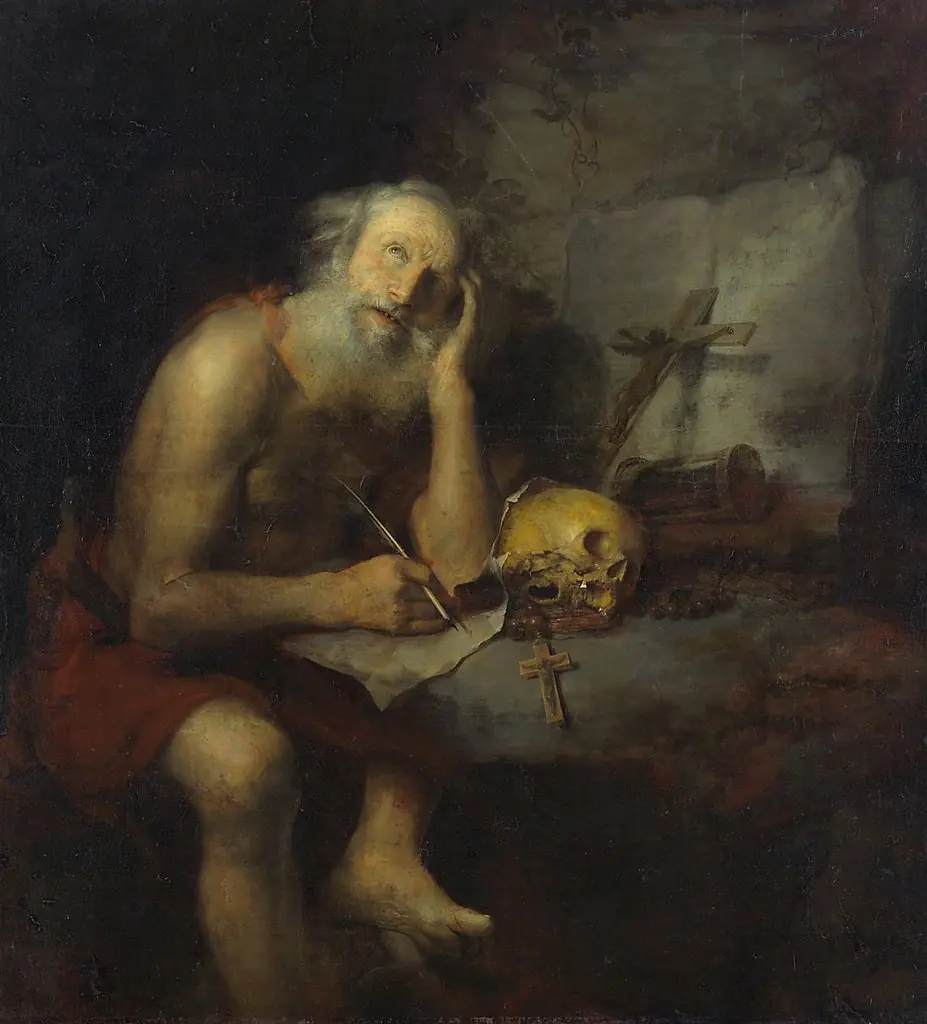
Saint Jerome is an unspecified painting by the Flemish Baroque painting artist Willem Key. It dates from 1559 and is held in the collection of the National Gallery of Ireland.
About this work
Overview
Key’s composition emphasizes stillness and introspection, aligning with the devotional tone common in mid-16th-century Northern European art.
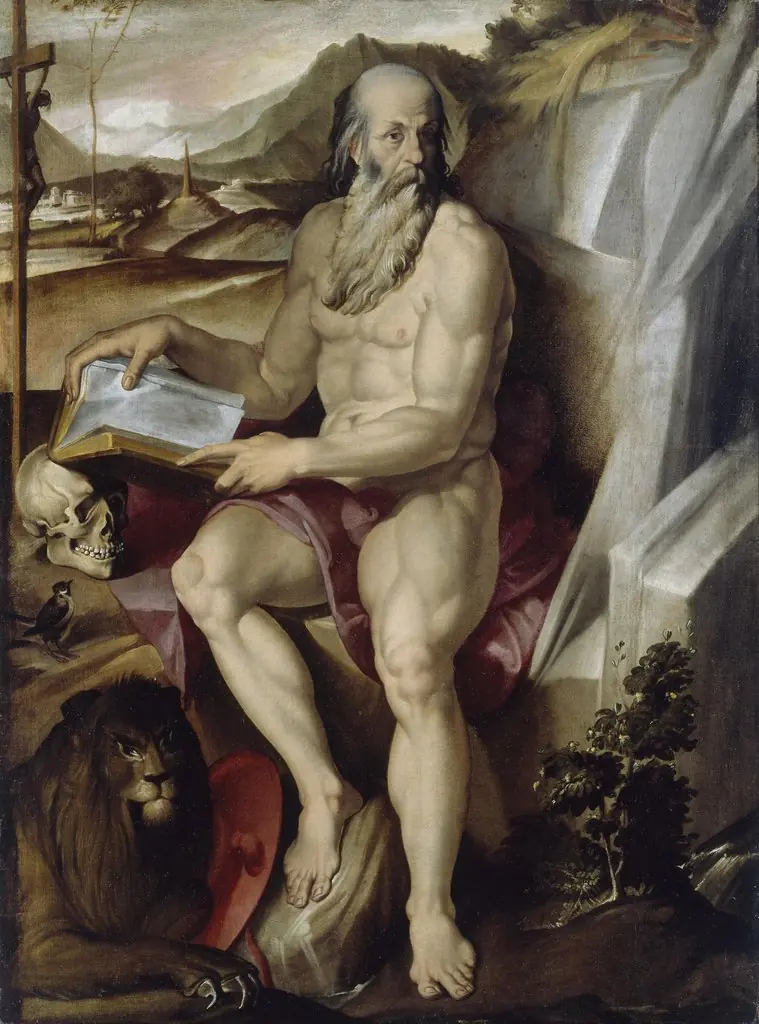
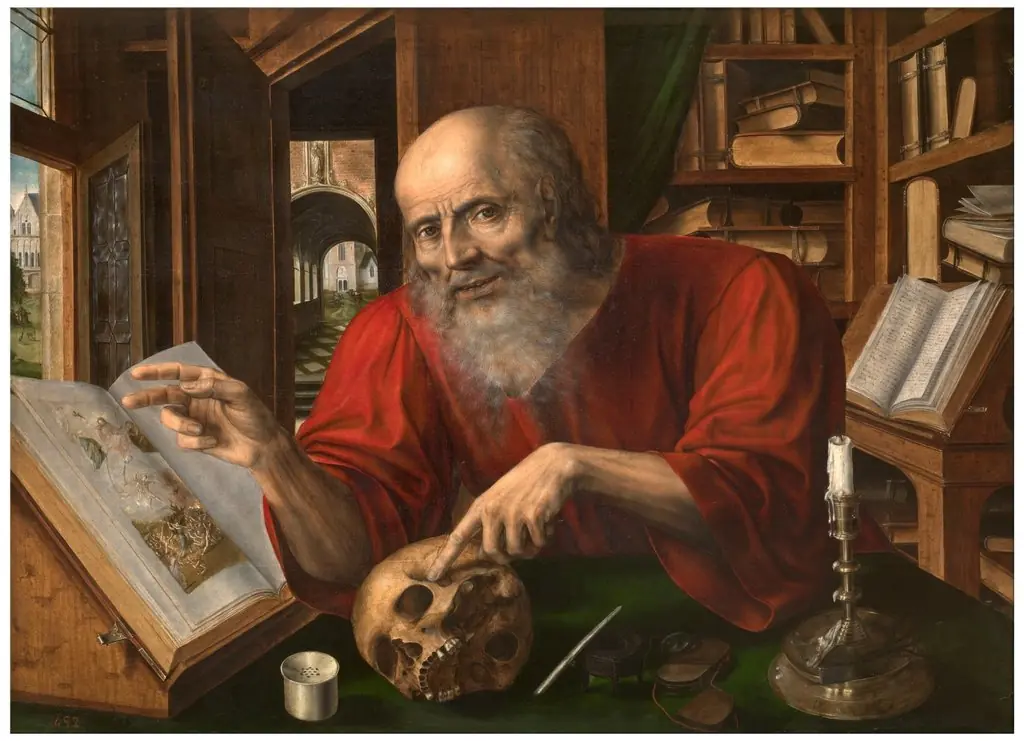
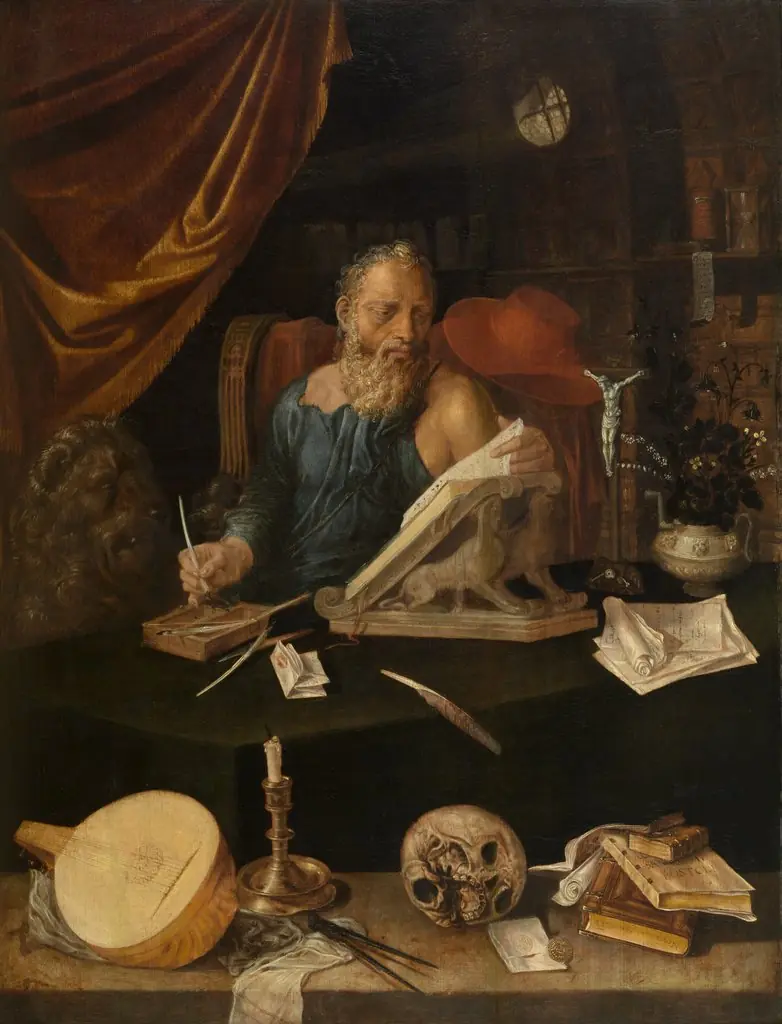
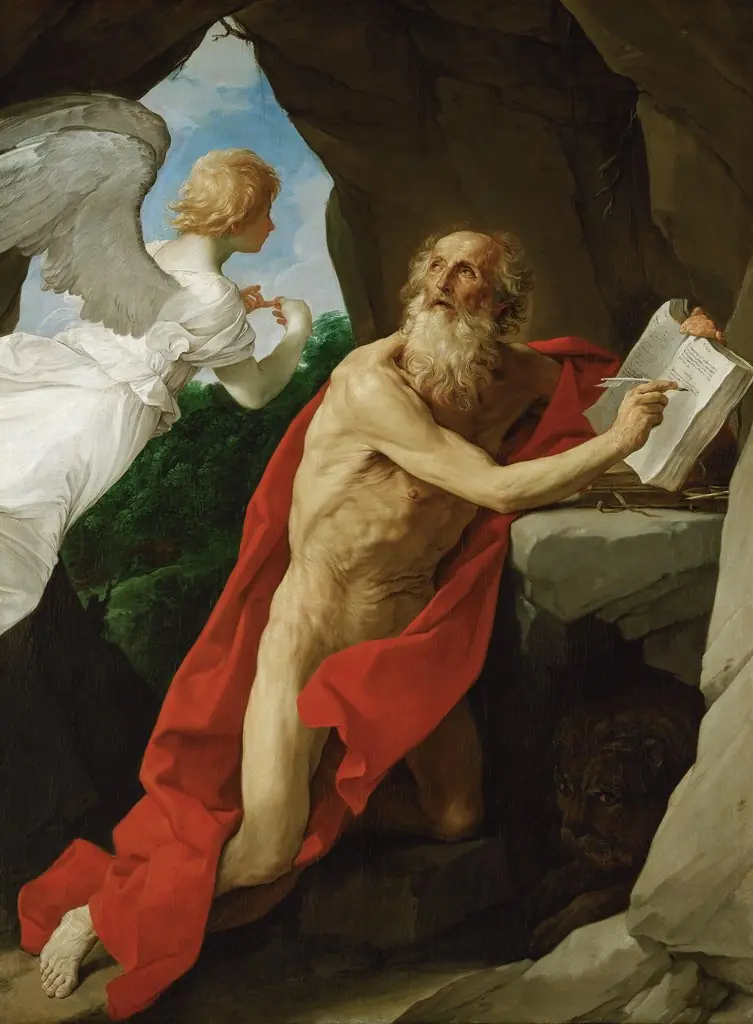
Painted in 1559 by Willem Key, this work portrays Saint Jerome, a Church Father renowned for translating the Bible into Latin. The painting is part of the National Gallery of Ireland’s collection. It captures the saint in a moment of solitary reflection, surrounded by symbolic objects that reflect his scholarly and ascetic life. Key’s composition emphasizes stillness and introspection, aligning with the devotional tone common in mid-16th-century Northern European art.
Subject & Meaning
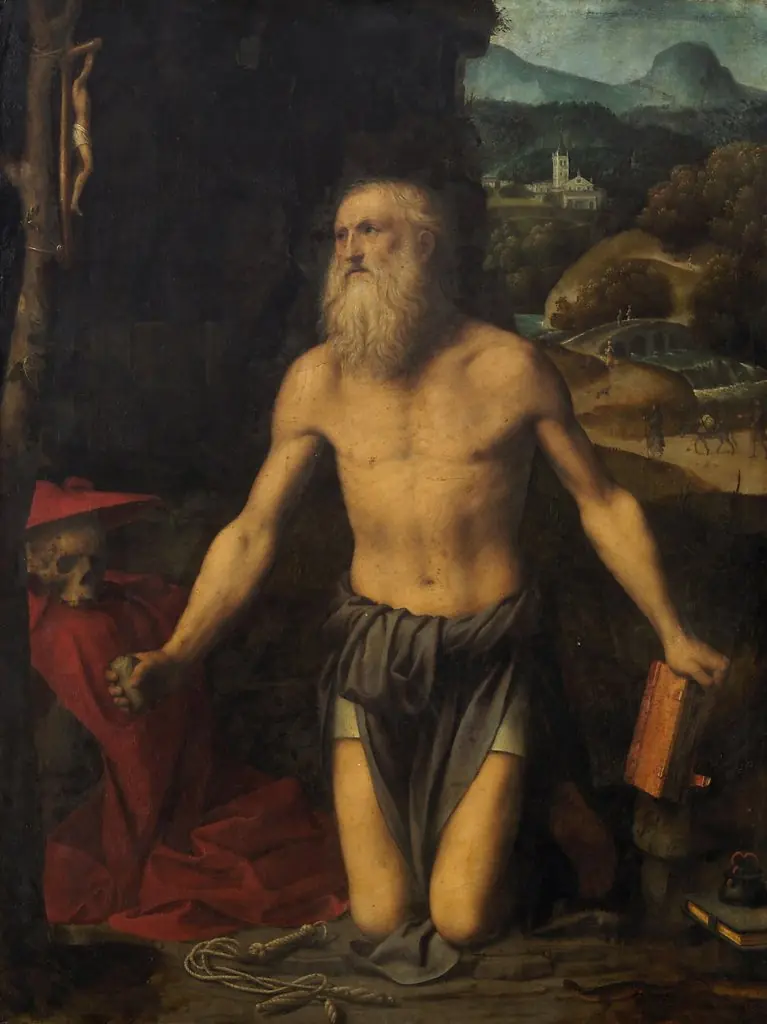
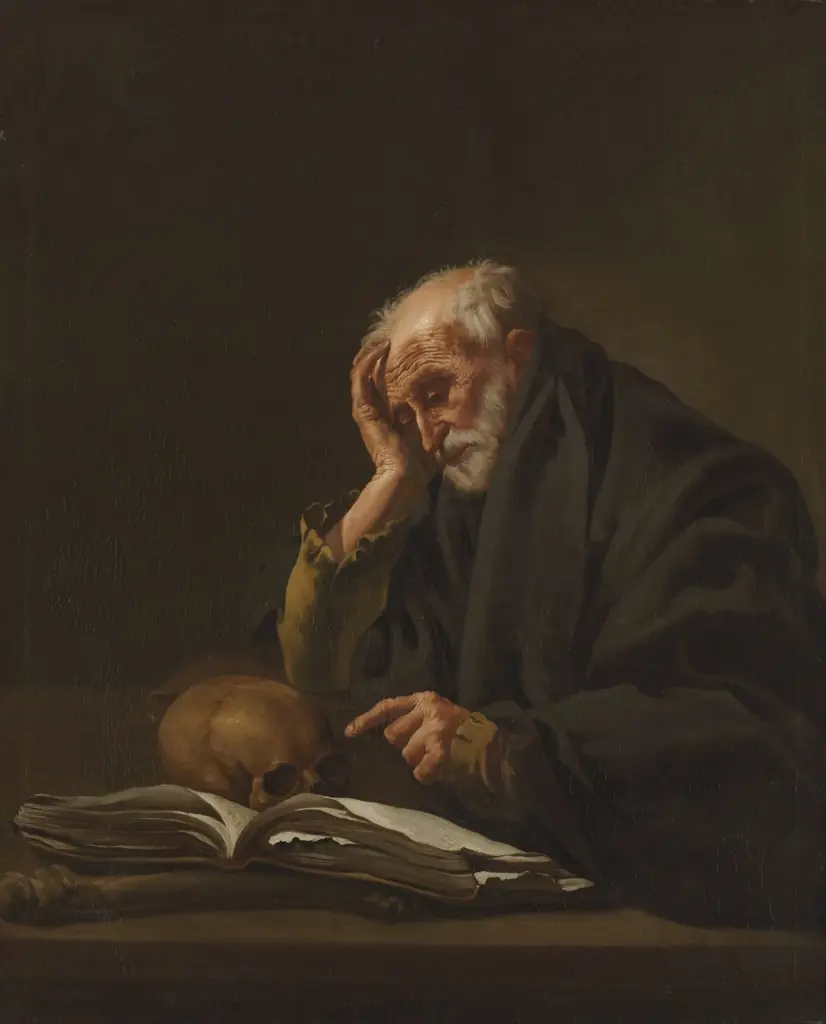
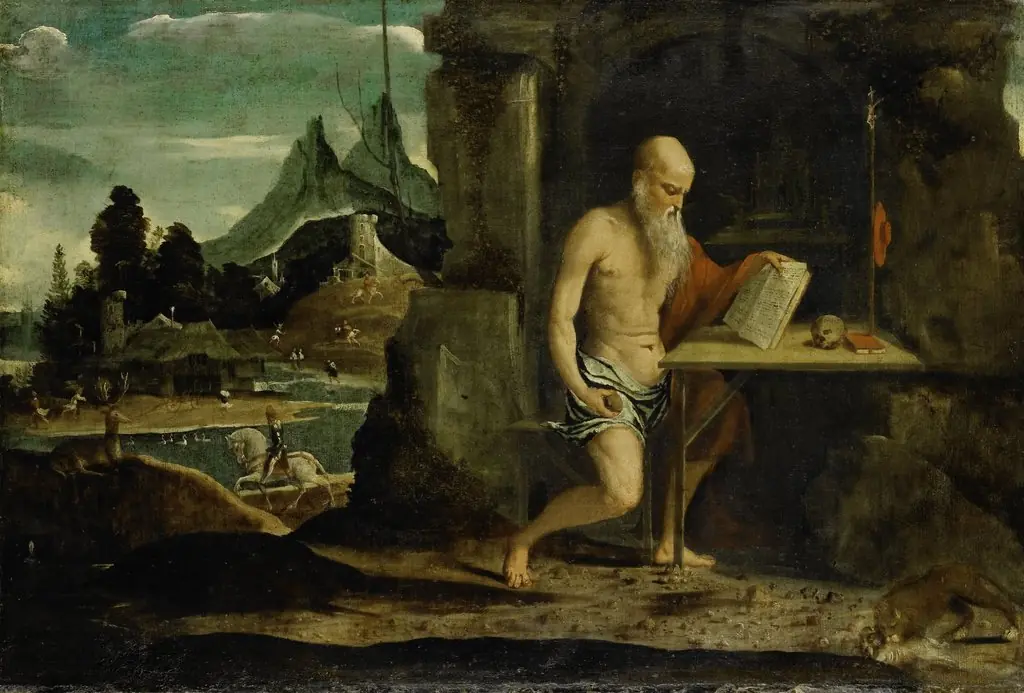
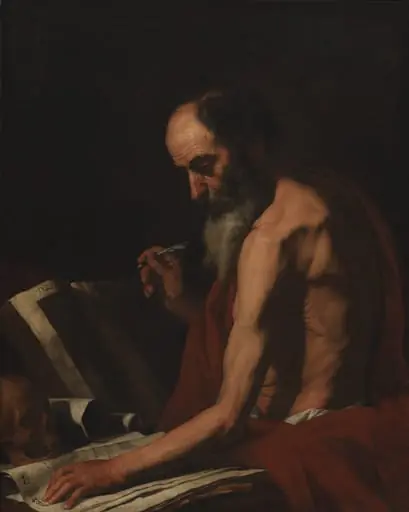
The figure of Saint Jerome is depicted in his traditional iconography: bare-chested, draped in a blue cloth, and accompanied by a lion—legendary companion from the tale of him removing a thorn from its paw. The skull signifies mortality and the contemplation of death, while the quill and parchment reference his scholarly labor. The lion’s subdued posture mirrors Jerome’s own meditative state, reinforcing a theme of quiet devotion and intellectual discipline.
Technique & Style
Key employs chiaroscuro to model the saint’s form with strong contrasts between light and shadow, lending volume and emotional gravity to the scene. The textures of skin, fabric, and stone are rendered with careful attention, though the background remains dark and unobtrusive. The restrained palette and focused lighting direct the viewer’s gaze to the saint’s face and hands, emphasizing psychological depth over narrative detail.
History & Provenance
The painting was completed in 1559 during Key’s active period in the Low Countries. It entered the National Gallery of Ireland’s collection in the 19th century, likely through acquisition from a private European collection. Its survival in relatively intact condition reflects its continued value to collectors and institutions interested in Netherlandish religious art of the Reformation era.
Context
In the mid-16th century, depictions of Saint Jerome were common among Protestant and Catholic patrons alike, symbolizing piety through scholarship. Though the Reformation challenged traditional iconography, Jerome’s role as a biblical translator made him a figure of cross-confessional respect. Key’s portrayal aligns with humanist ideals, presenting the saint not as a miracle-worker but as a contemplative scholar in a private, intimate setting.
Legacy
Willem Key’s Saint Jerome exemplifies the quiet, psychologically nuanced approach to religious subjects that distinguished certain Northern Renaissance painters. While not widely reproduced, the painting remains a significant example of how devotional themes were adapted to emphasize inner life rather than spectacle. It contributes to the understanding of how religious identity was visually negotiated in a period of profound theological change.
Own this work as a print
Artist & collection