Artwork
Saint Mathias
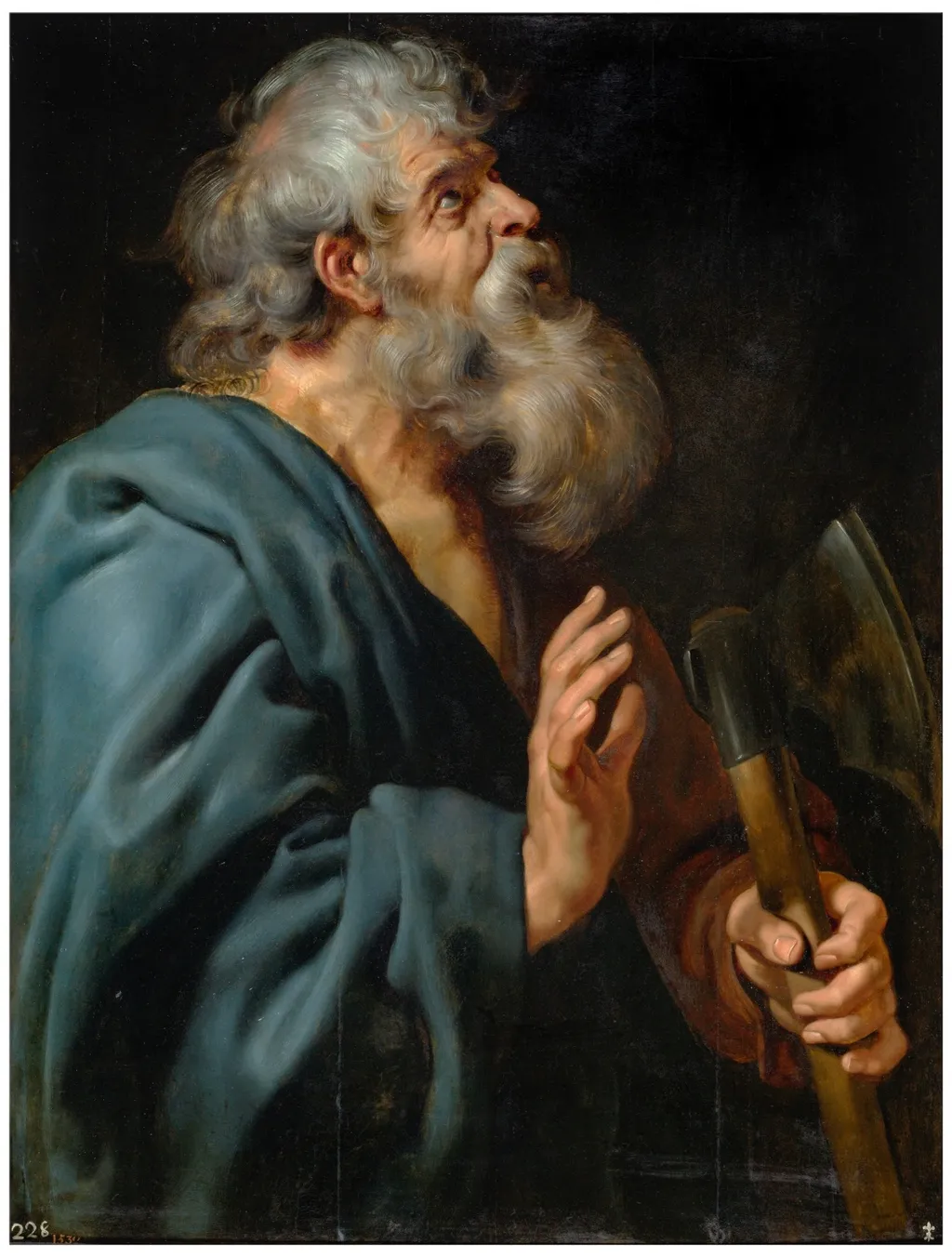
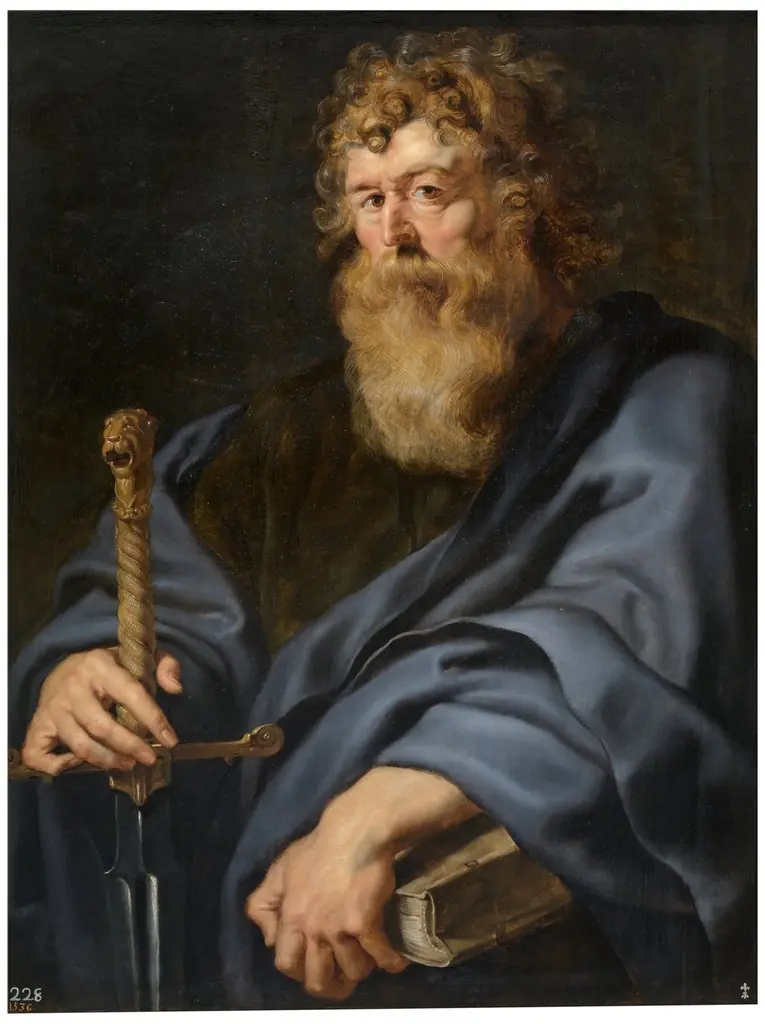
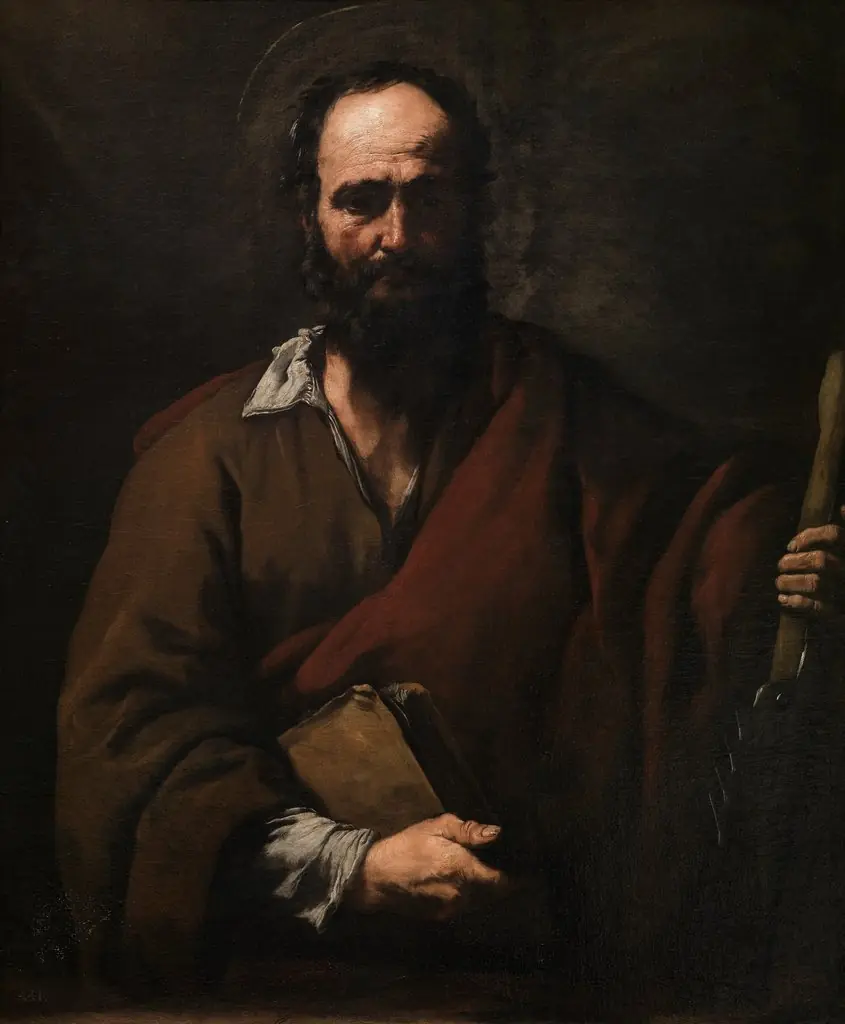
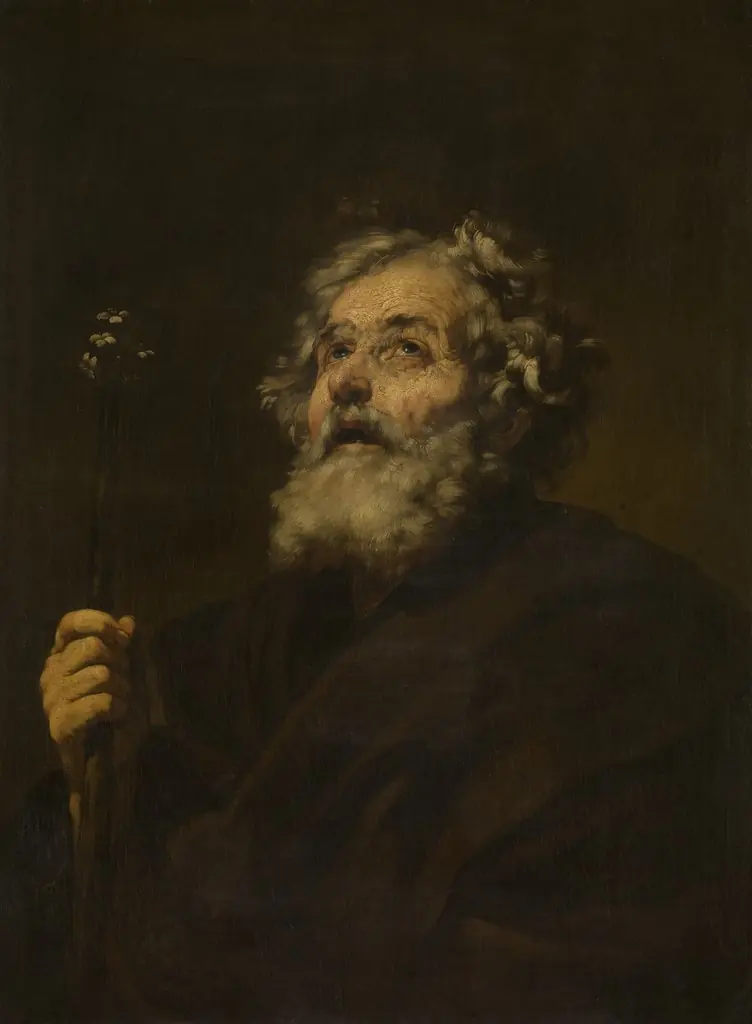
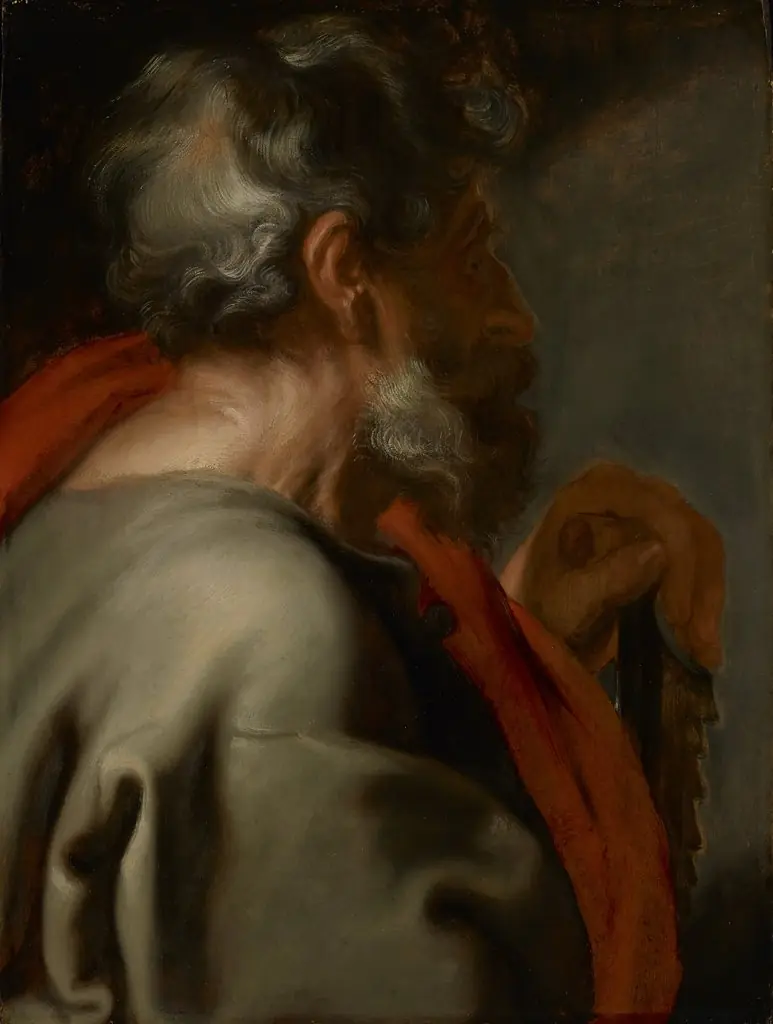
Saint Mathias is an oil painting by the Flemish Baroque painting artist Peter Paul Rubens. It dates from 1610 and is held in the collection of the Museo del Prado.
About this work
Overview
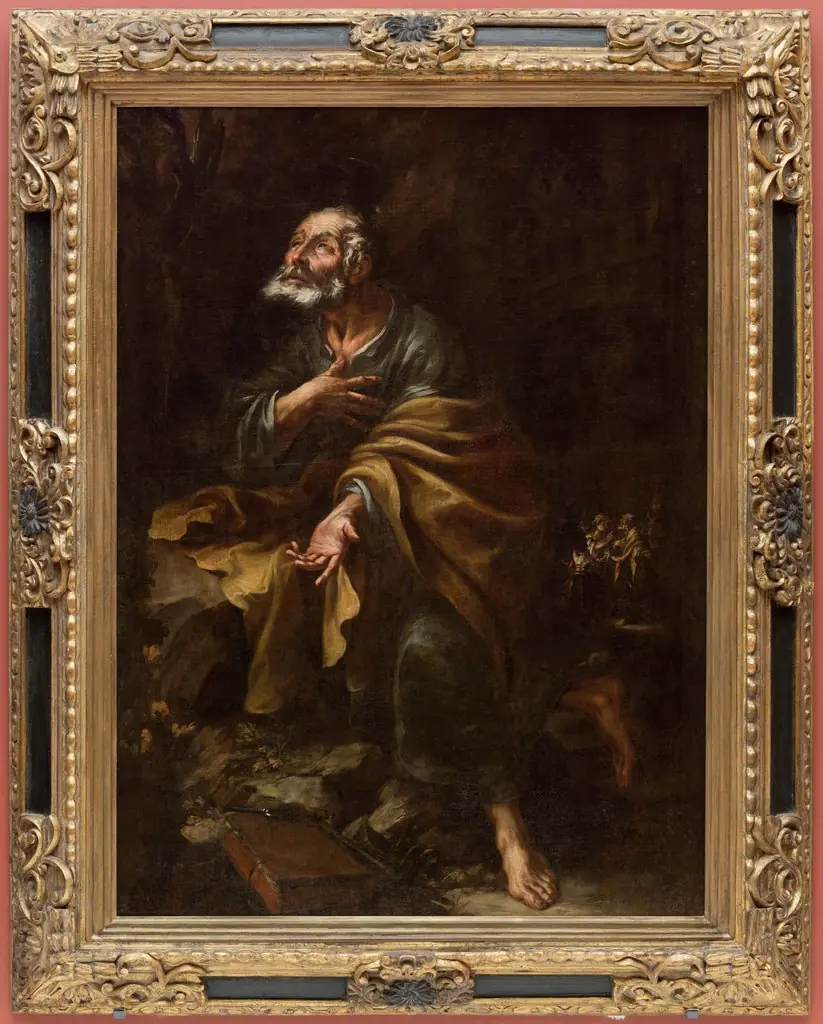
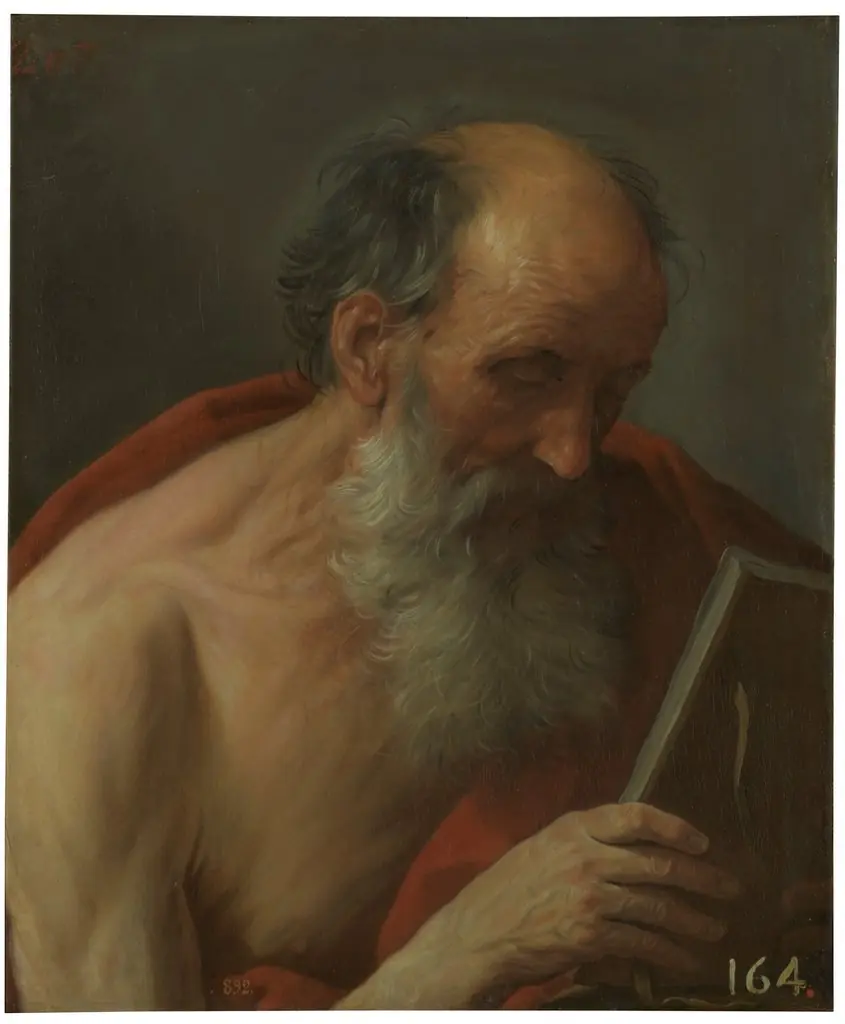
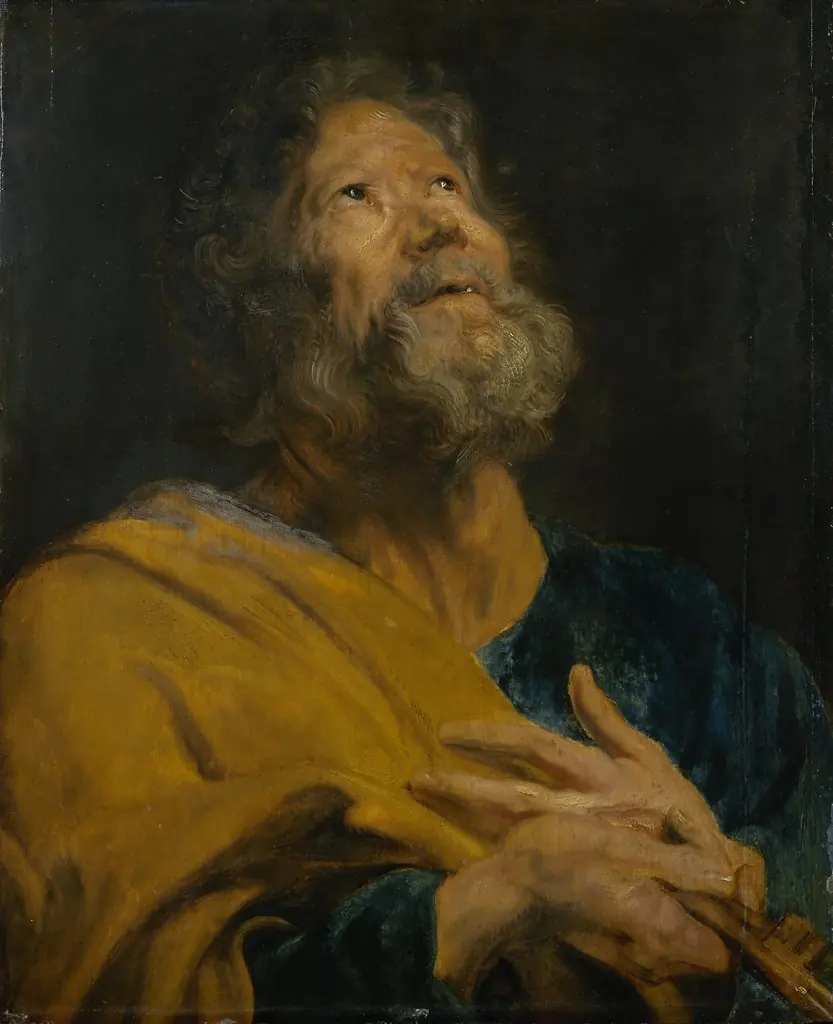
Created in 1610 by the Flemish painter and diplomat Peter Paul Rubens, this oil on canvas portrays Saint Matthias. The work exemplifies the Baroque sensibility of the Low Countries, employing a dramatic arrangement of light and shadow to focus the viewer’s attention on the solitary figure against a dark, unadorned backdrop.
Subject & Meaning
The saint is presented as an elderly man with flowing white hair and a full beard, garbed in a deep blue robe. He holds an axe—an emblem traditionally linked to his martyrdom—while his other hand rests upon his chest, a gesture that suggests contemplation or devotion.
Technique & Style
Rubens applies chiaroscuro, allowing a concentrated beam of light to illuminate the saint’s face and hands, creating a sense of three‑dimensionality. Soft, graduated shadows model the flesh and fabric, while the stark contrast between illuminated and shadowed areas heightens the emotional intensity typical of Flemish Baroque painting.
History & Provenance
Since its completion, the canvas has become part of the Museo del Prado’s collection in Madrid. The painting’s provenance reflects the museum’s long‑standing commitment to acquiring works by major Baroque masters, ensuring its preservation and public accessibility.
Context
Within Rubens’s oeuvre, the depiction of Saint Matthias aligns with his broader interest in religious subjects rendered with theatrical vigor. The work’s composition, color palette, and use of symbolic attributes echo contemporary Counter‑Reformation aims to inspire piety through vivid visual storytelling.
Own this work as a print
Artist & collection
Artist
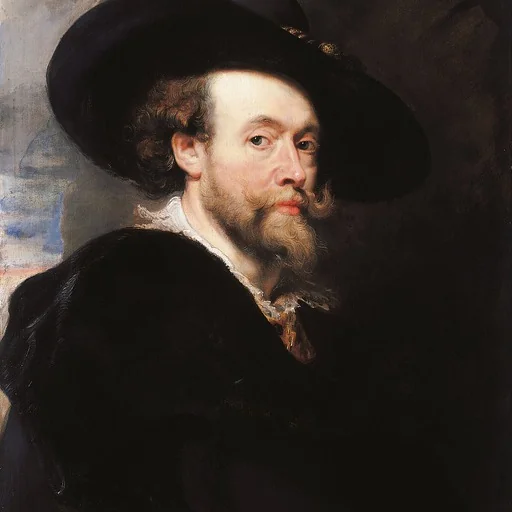
Sir Peter Paul Rubens ( ROO-bənz; Dutch: ; 28 June 1577 – 30 May 1640) was a Flemish artist and diplomat.