Artwork
Temple of Janus (Templum Jani)
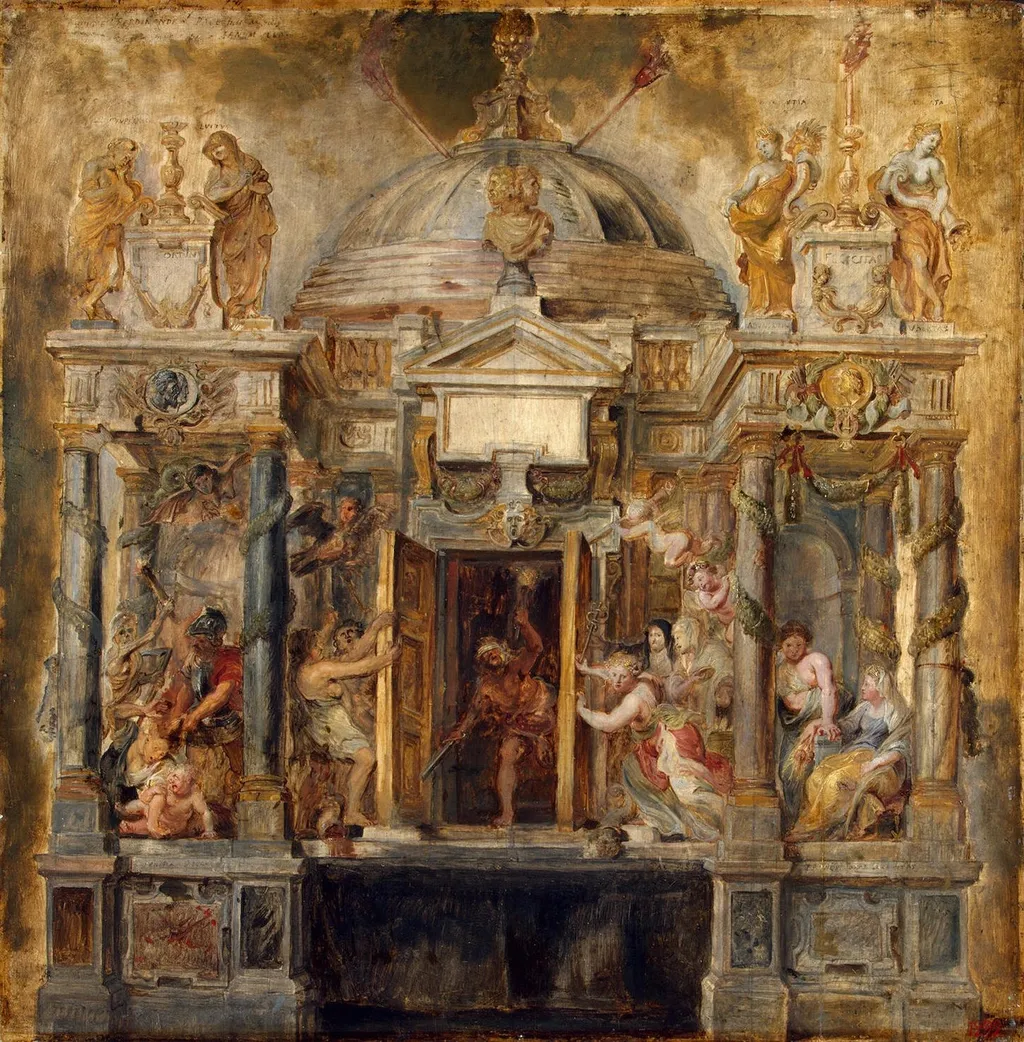
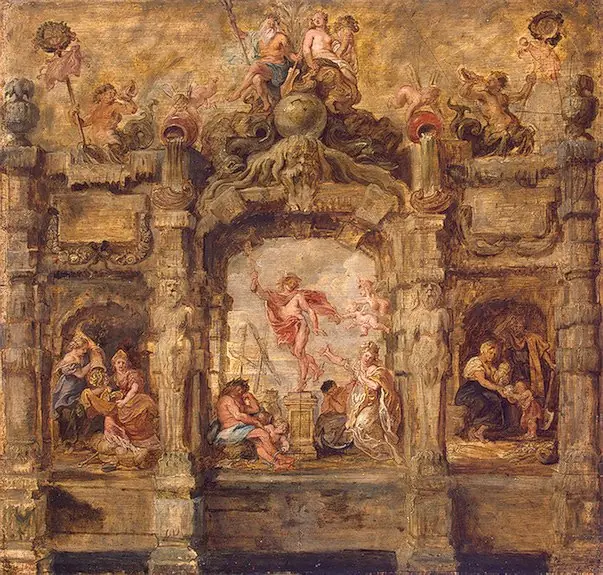
Temple of Janus (Templum Jani) is an oil painting by the Flemish Baroque painting artist Peter Paul Rubens. It dates from 1634 and is held in the collection of the Hermitage Museum.
About this work
Overview
Peter Paul Rubens painted *Temple of Janus* in 1634 using oil on canvas. The work belongs to the State Hermitage Museum’s collection. It depicts an elaborate classical building crowned with a dome, columns, and sculptural decoration, surrounded by figures and cherubs rendered in a restrained palette of browns and golds, conveying a sense of monumental grandeur.
Subject & Meaning
The composition centers on a monumental temple, likely referencing the ancient Roman sanctuary of Janus, a deity associated with beginnings and transitions. Rubens populates the scene with human figures and angelic cherubs, suggesting a synthesis of pagan architecture and Christian allegory, a common practice in his oeuvre to convey moral or theological ideas through classical motifs.
Technique & Style
Executed in the Baroque idiom, the painting employs vigorous modeling, dramatic chiaroscuro, and a fluid arrangement of forms that guide the eye toward the central doorway. Rubens’ characteristic use of rich, yet muted, earth tones and gold highlights enhances the sense of depth and opulence, while the dynamic placement of figures creates a lively, theatrical atmosphere.
History & Provenance
Created during Rubens’ later period, the work reflects his mature style after years of diplomatic service and extensive travel. It entered the State Hermitage Museum’s holdings in the 19th century, becoming part of the Russian imperial collection before being transferred to the public museum, where it remains on display.
Context
*Temple of Janus* exemplifies the Counter-Reformation’s artistic agenda, which favored visually compelling works to inspire devotion and reinforce Catholic ideals. Rubens’ integration of classical architecture with religious symbolism influenced subsequent generations of European painters, reinforcing his role as a pivotal figure in the development of the Flemish Baroque tradition.
Artist & collection
Artist
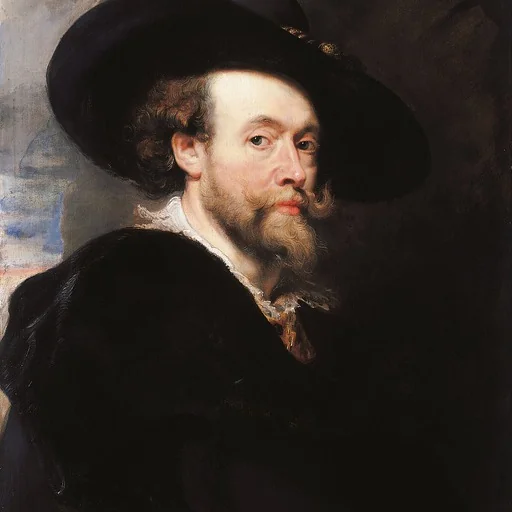
Sir Peter Paul Rubens ( ROO-bənz; Dutch: ; 28 June 1577 – 30 May 1640) was a Flemish artist and diplomat.

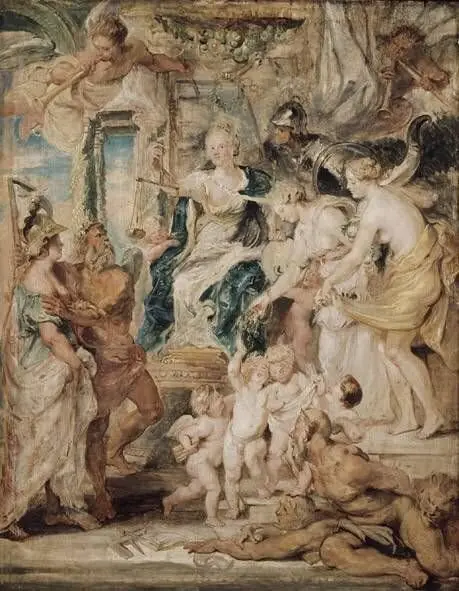 The Felicity of the Regency
 Mercury Moving away (Mercurius Abituriens)
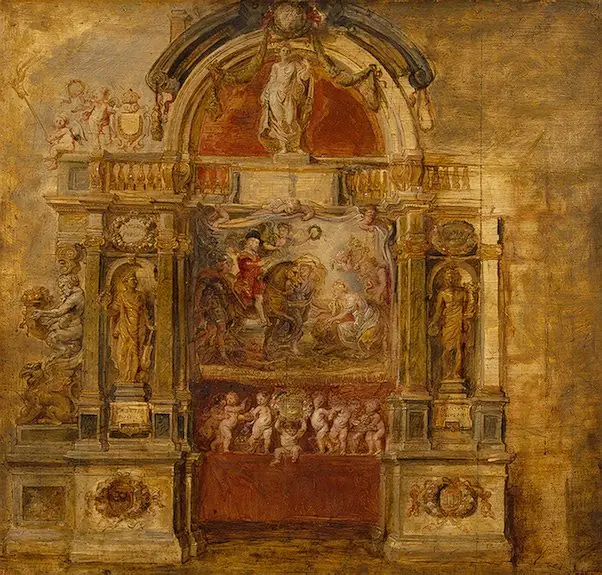 Congratulations on the Arrival of Prince Ferdinand (Adventus Seren. Princ. Gratulatio)
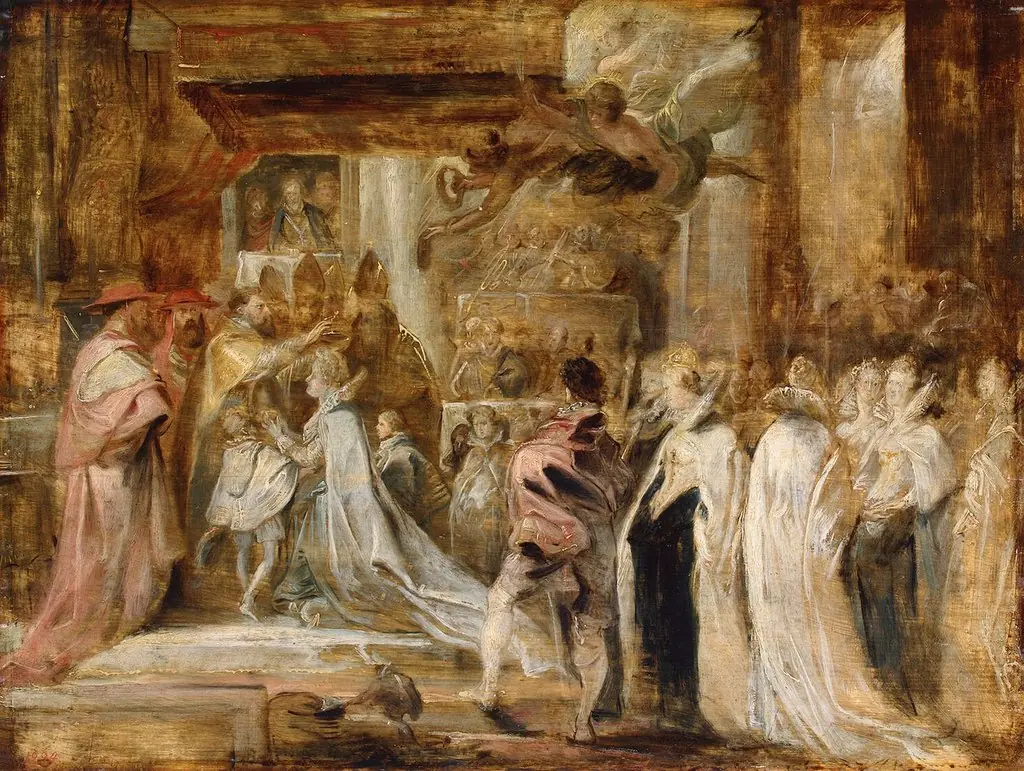 Coronation of Maria de' Medici
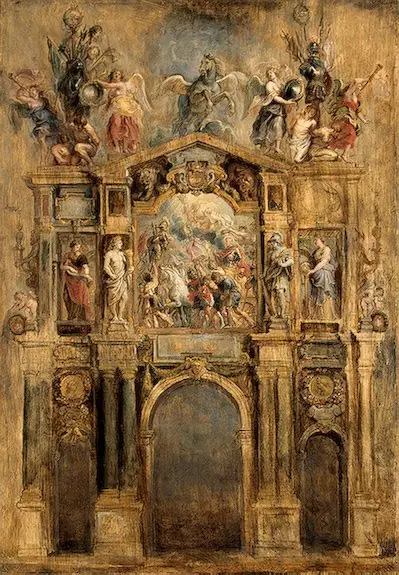 Arch of Ferdinand, the Reverse Side (Arcus Ferdinandi, pars posterior)
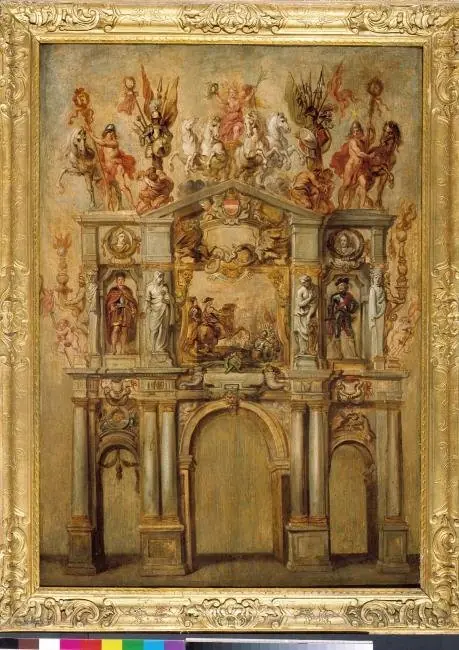 Sketch of the front of the triumphal arch of the Cardinal-Infant Ferdinand
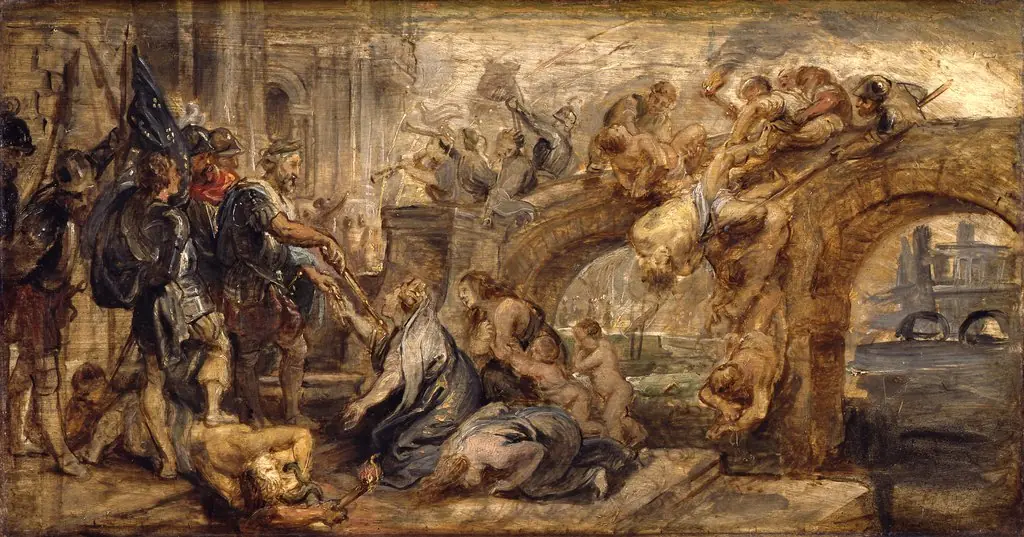 The Entry in Paris by Henry IV
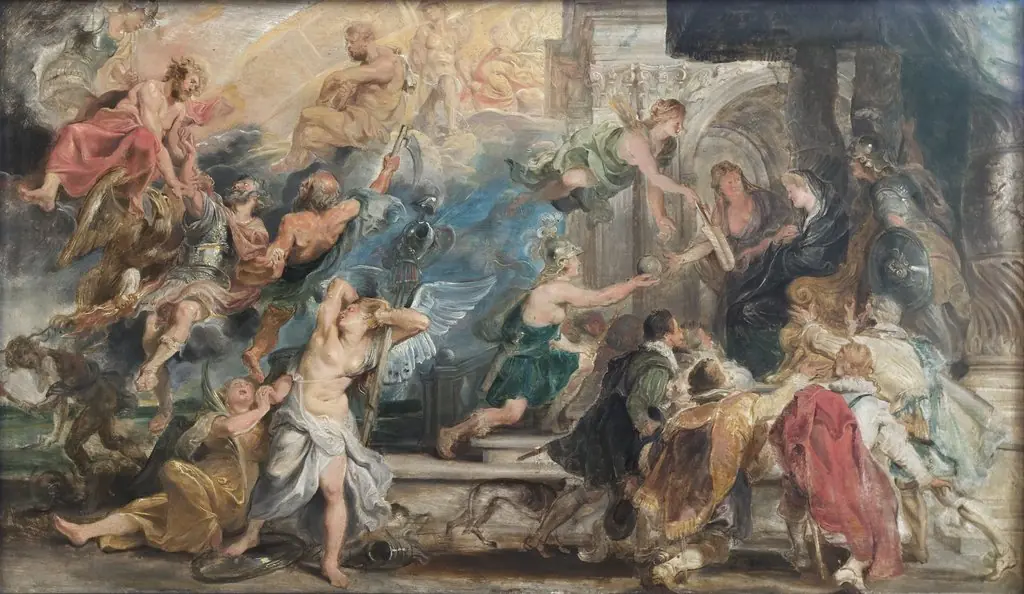 The Apotheosis of Henri IV
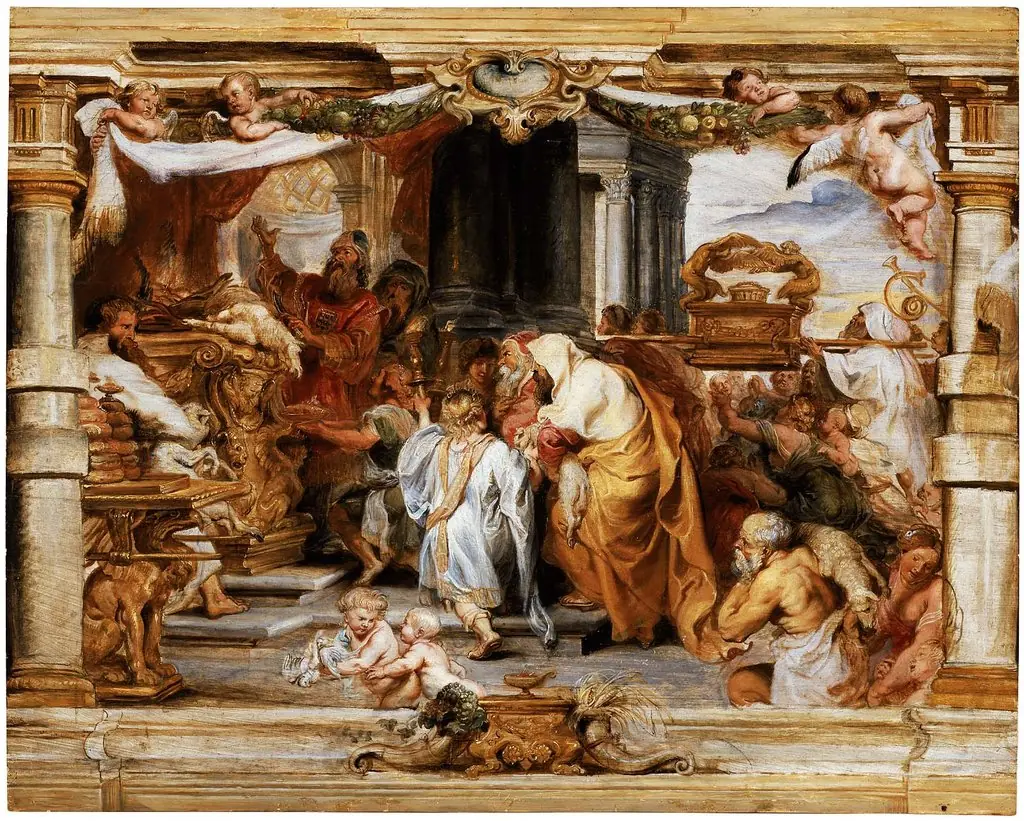 The Sacrifice of the Old Covenant
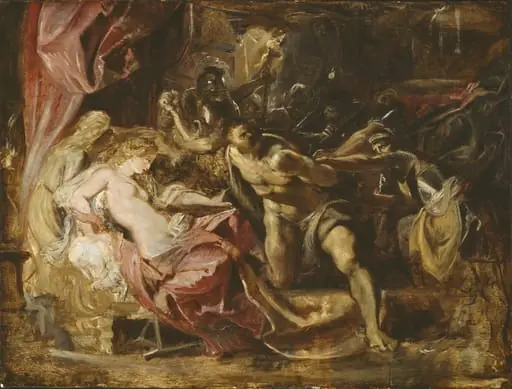 The Capture of Samson
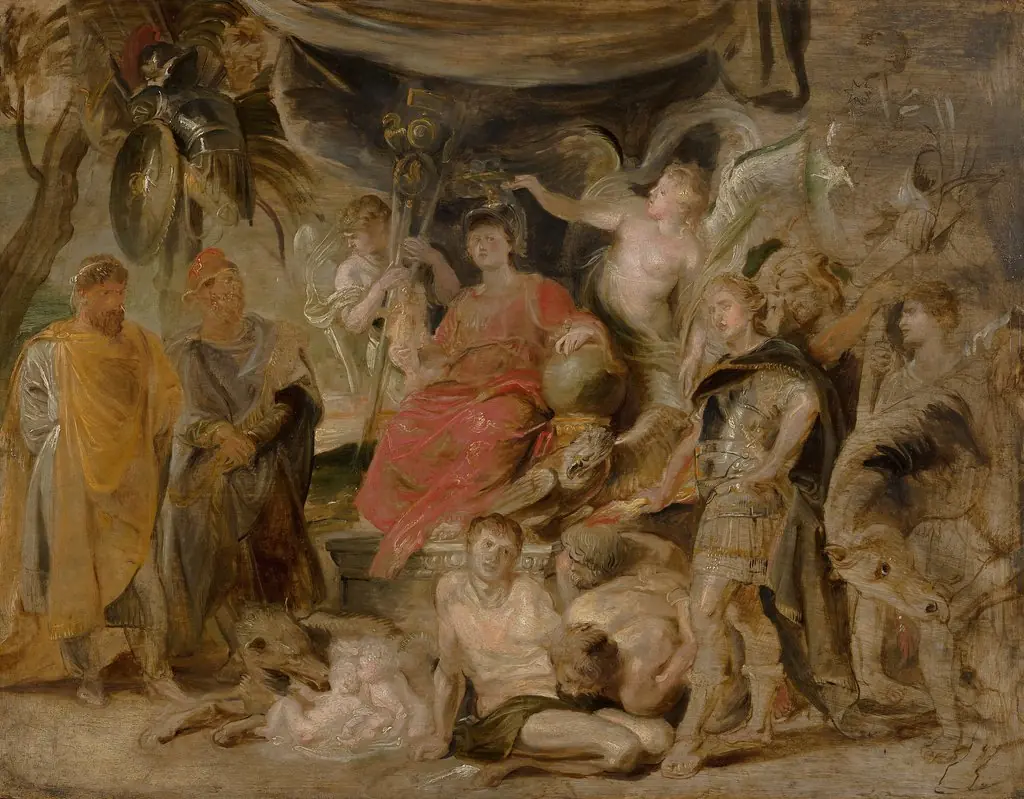 The Triumph of Rome: The Youthful Emperor Constantine Honouring Rome
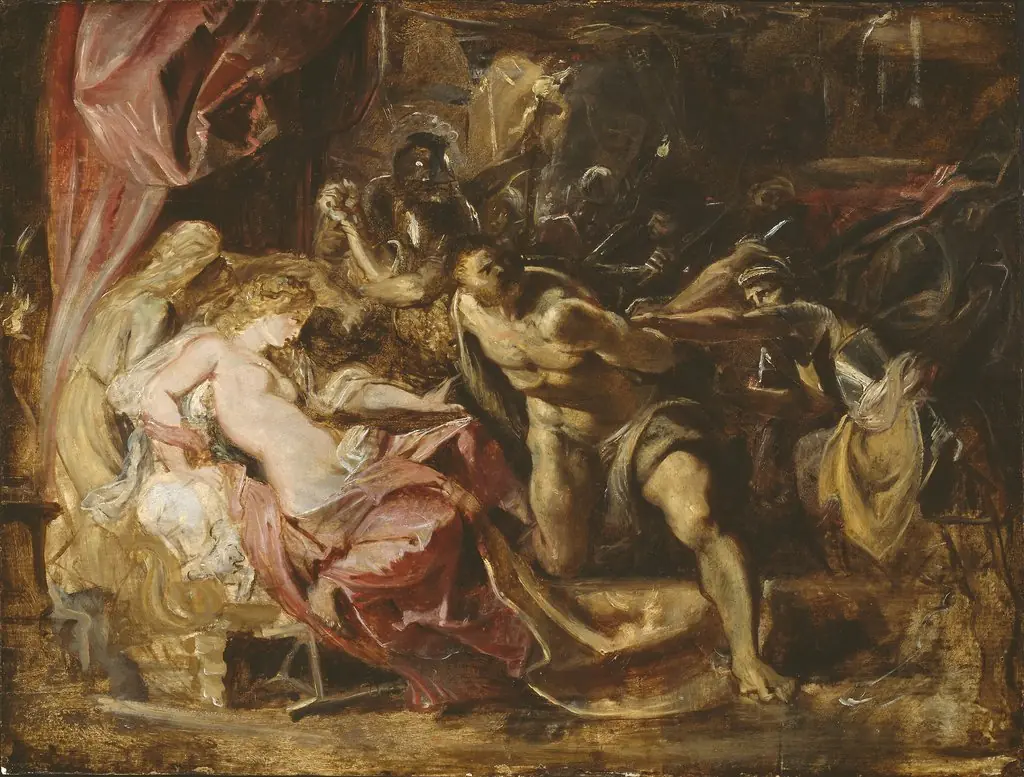 The Capture of Samson