Artwork
The Recognition of Phililpoemen
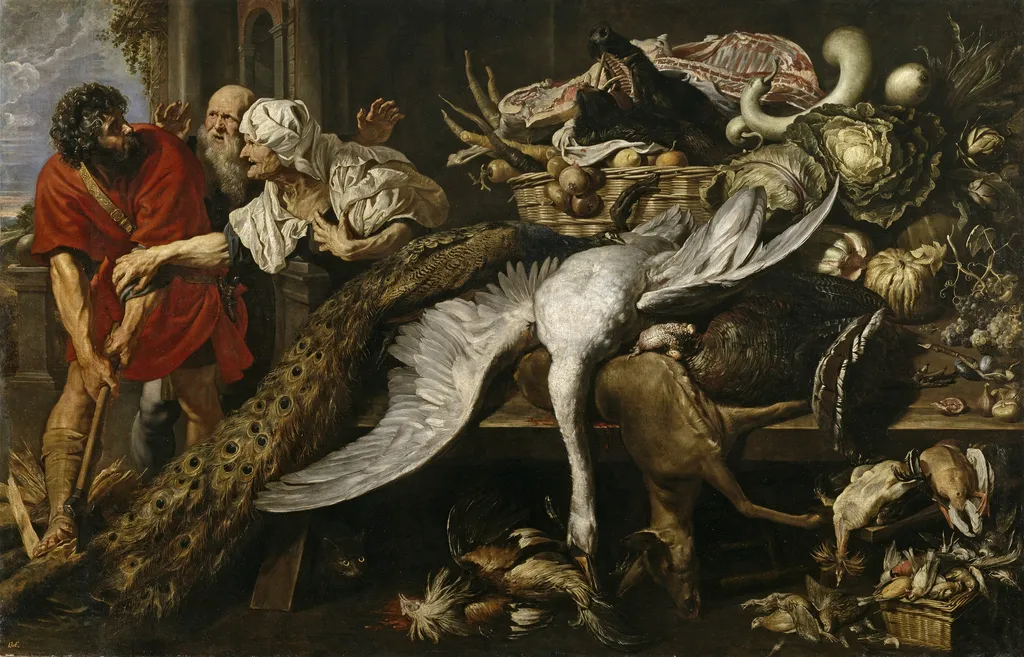
The Recognition of Phililpoemen is an oil painting by the Flemish Baroque painting artist Peter Paul Rubens. It dates from 1609 and is held in the collection of the Museo del Prado.
About this work
Overview
Peter Paul Rubens painted *The Recognition of Phililpoemen* in 1609, employing oil on canvas. The work exemplifies the Flemish Baroque aesthetic, noted for its vigorous composition and saturated palette. It is part of the Museo del Prado’s holdings, where it remains on display as a representative example of Rubens’s early output.
Subject & Meaning
The scene unfolds in a dim interior where two figures confront a cluttered table.
The scene unfolds in a dim interior where two figures confront a cluttered table. A man in a red robe clutches a staff while eyeing a heap of dead birds and game, whereas a white‑clad companion gestures emphatically amid scattered fruit, vegetables, and feathers. Objects such as a peacock, a pig, and a basket of bread hint at themes of abundance, mortality, and perhaps a moral allegory drawn from classical or Christian sources.
Technique & Style
Rubens employs strong chiaroscuro, contrasting illuminated planes with deep shadows to heighten drama and give the composition a three‑dimensional quality. The play of light across faces and the textured surfaces of the animal carcasses creates a tactile sense of depth, while the vivid reds and earthy tones reinforce the Baroque emphasis on emotional intensity.
History & Provenance
Created early in Rubens’s career, the painting entered the Spanish royal collection before being transferred to the Museo del Prado in the 19th century. Its provenance reflects the artist’s diplomatic connections, which facilitated the movement of his works across European courts and ultimately into public institutions.
Context
The work belongs to a period when Rubens was synthesizing influences from Italian masters with his native Flemish tradition. The inclusion of both classical motifs—such as the axe and basketry—and Christian symbolism aligns with the broader Baroque aim of merging secular and sacred narratives to engage viewers on multiple levels.
Own this work as a print
Artist & collection
Artist
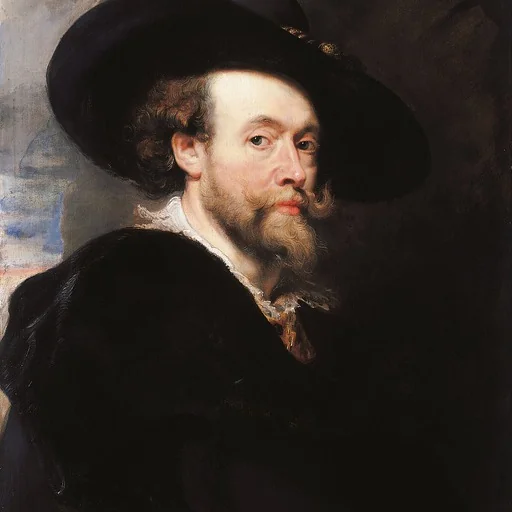
Sir Peter Paul Rubens ( ROO-bənz; Dutch: ; 28 June 1577 – 30 May 1640) was a Flemish artist and diplomat.

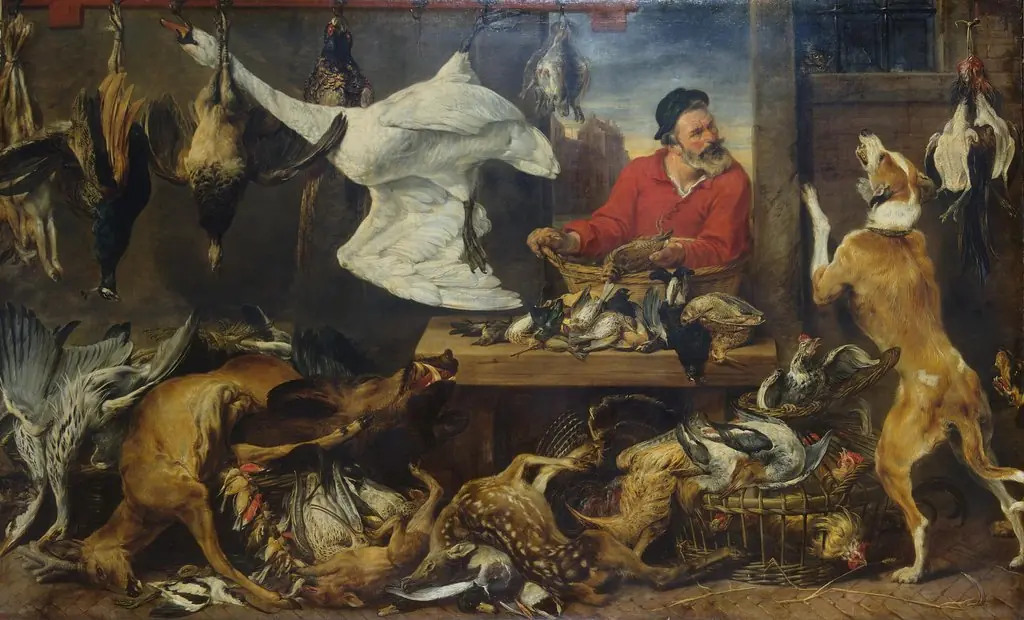 Game Stall
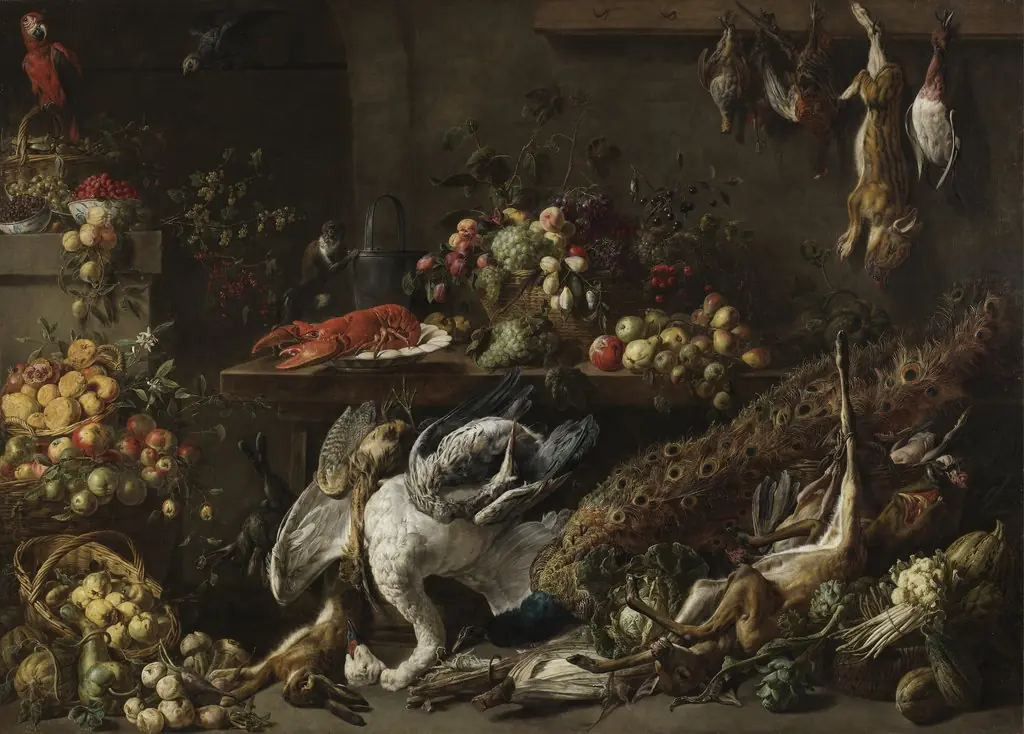 A Larder
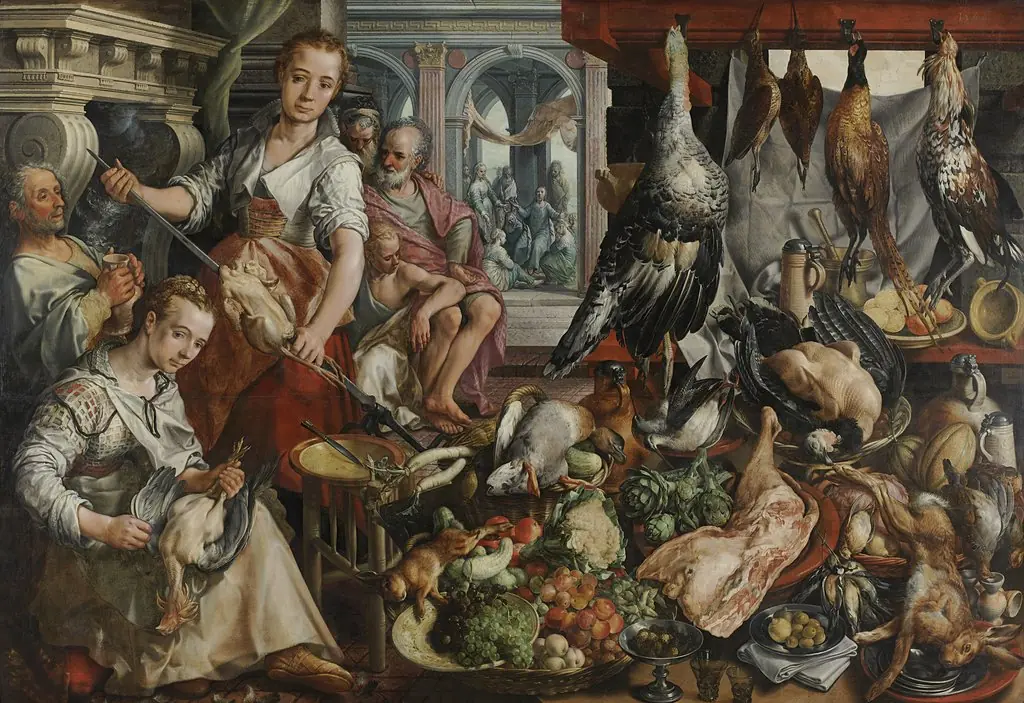 The Well-stocked Kitchen
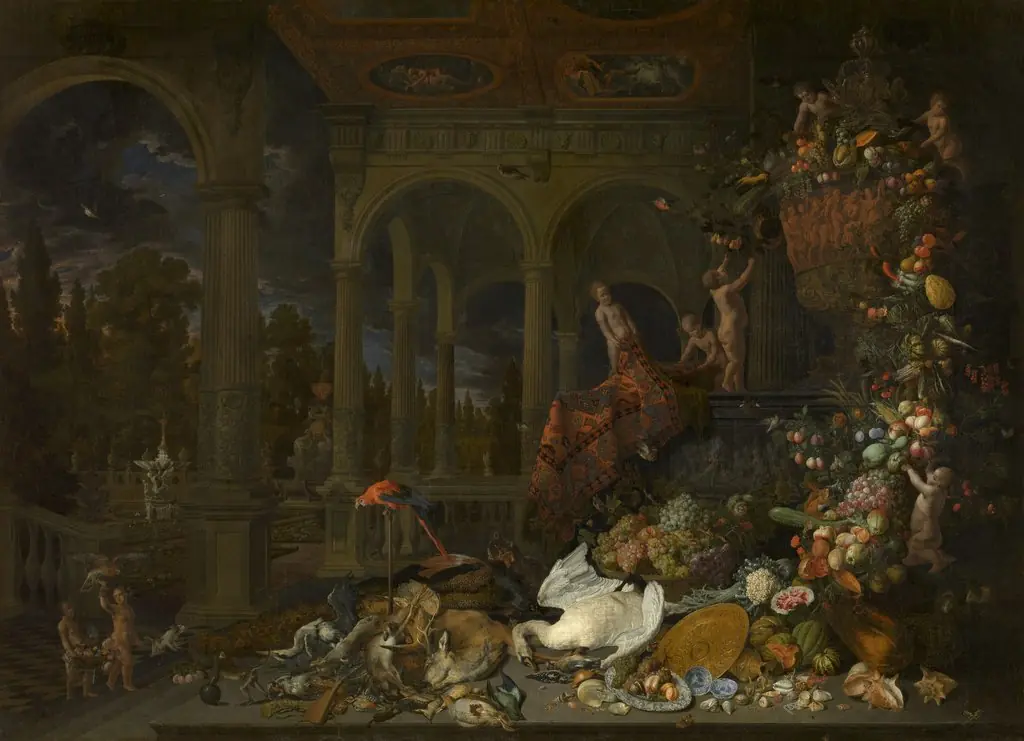 Still Life
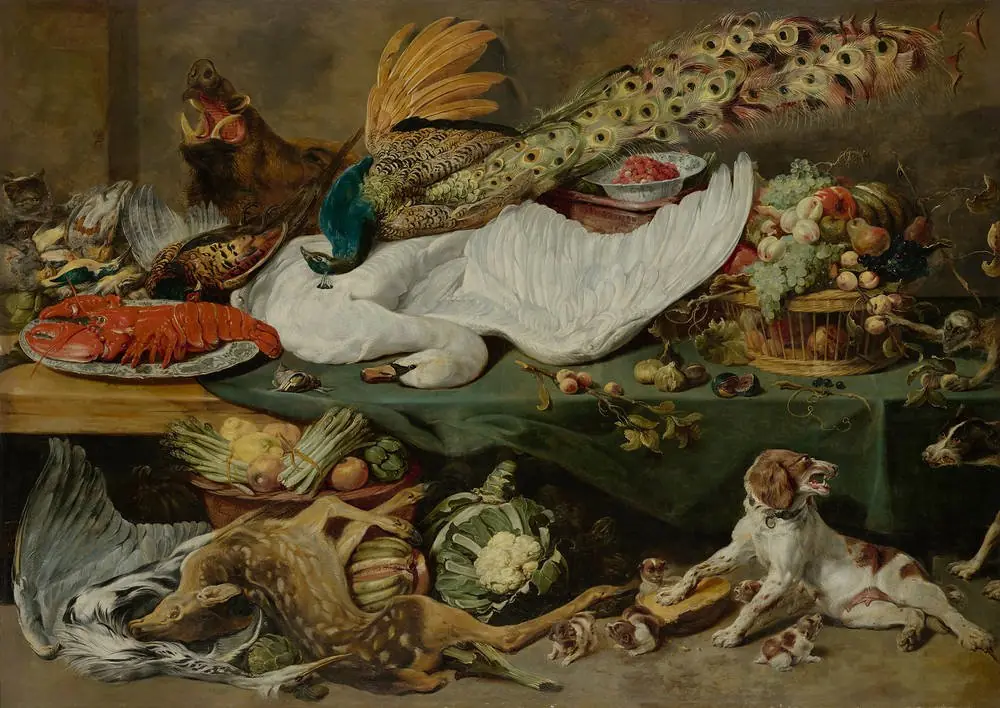 Still-life with a Spaniel and her Pups
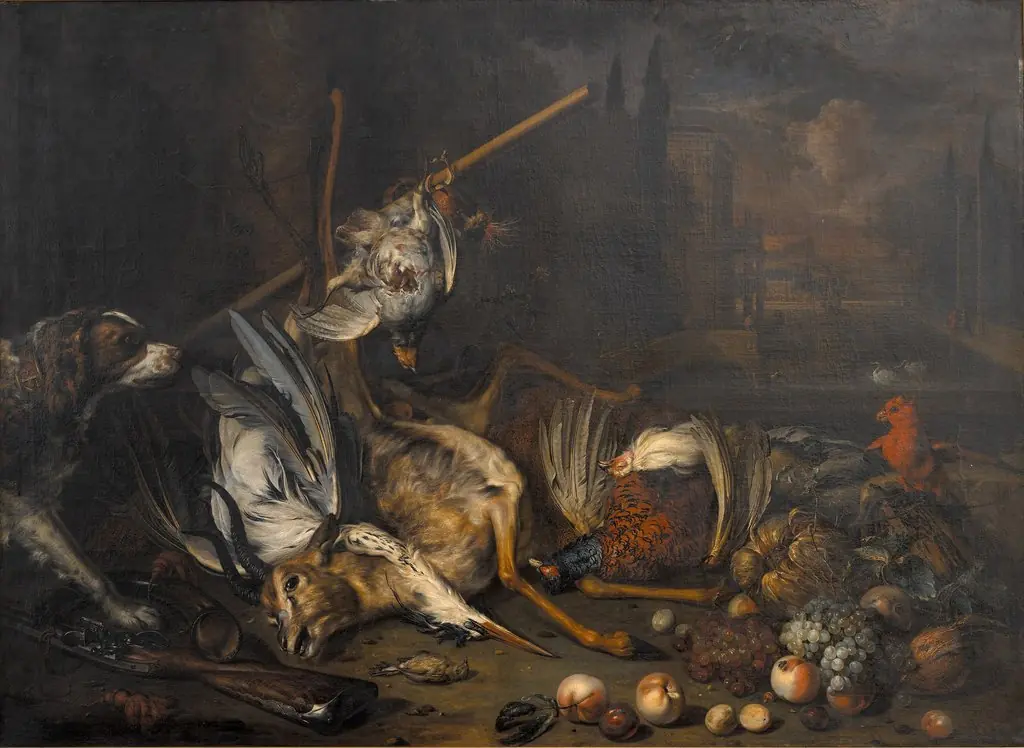 Game and Fruit
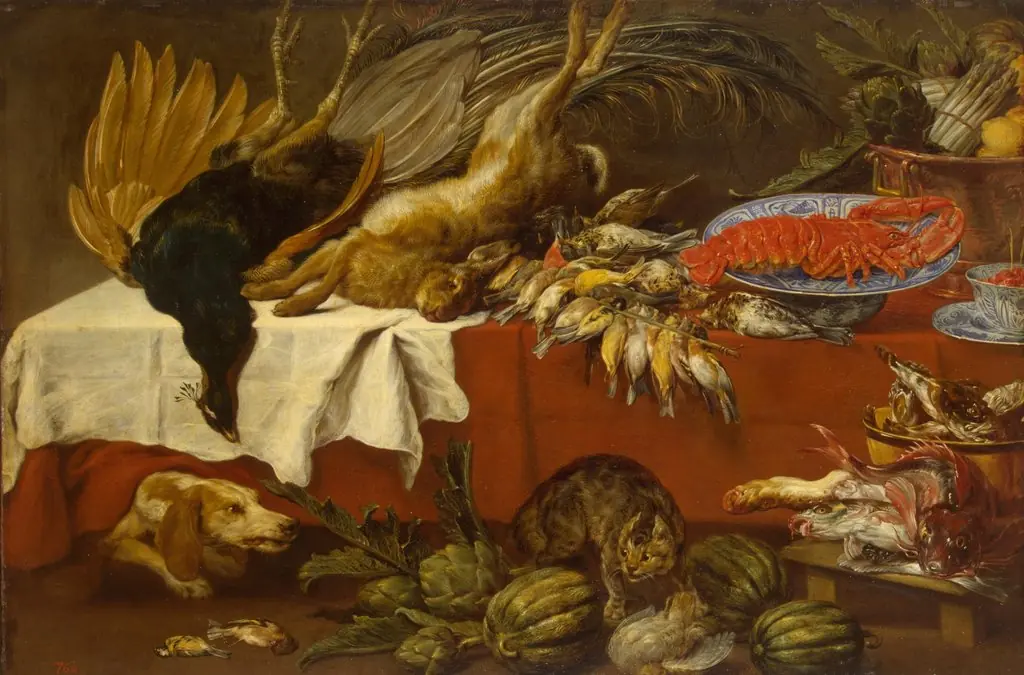 Still Life with Dead Game and Lobster
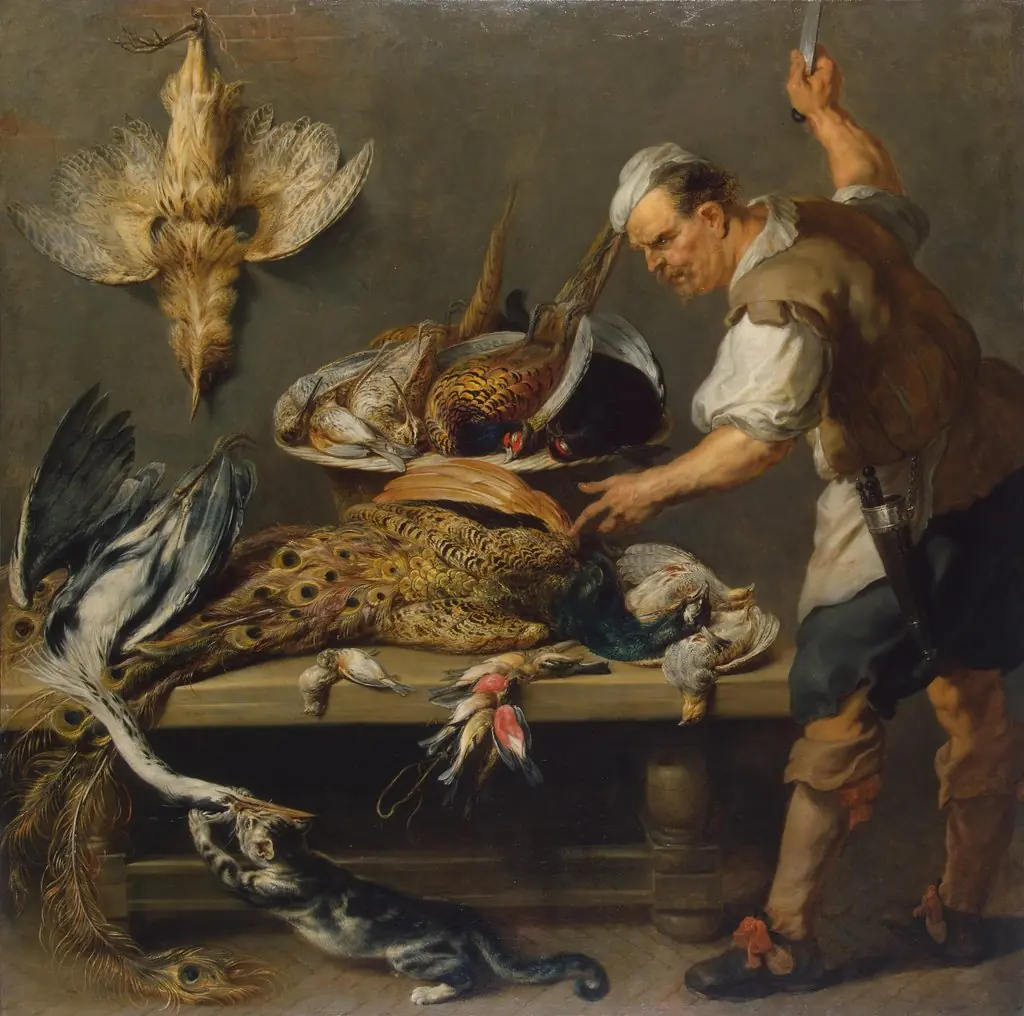 Cook at a Kitchen Table with Dead Game on it
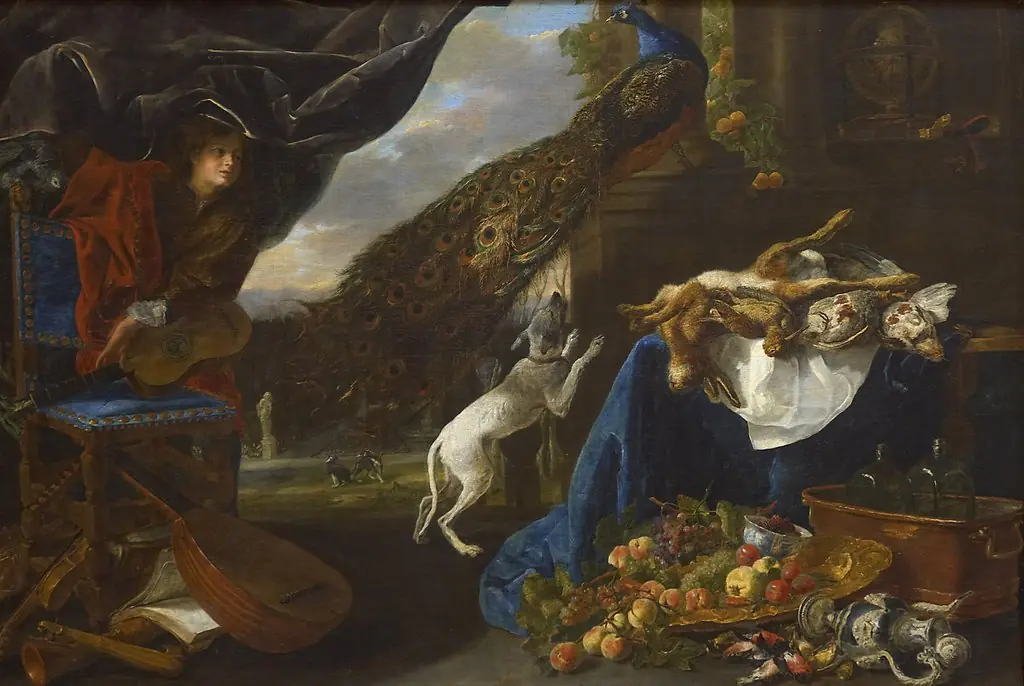 Still life with a boy
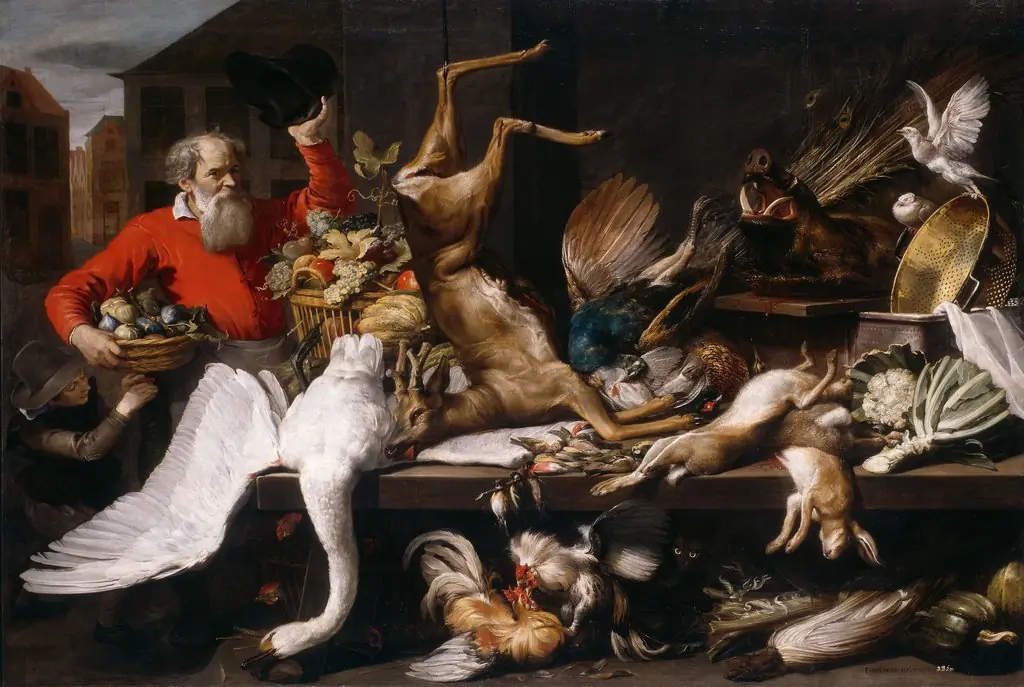 Still Life with Dead Game, Fruits, and Vegetables in a Market
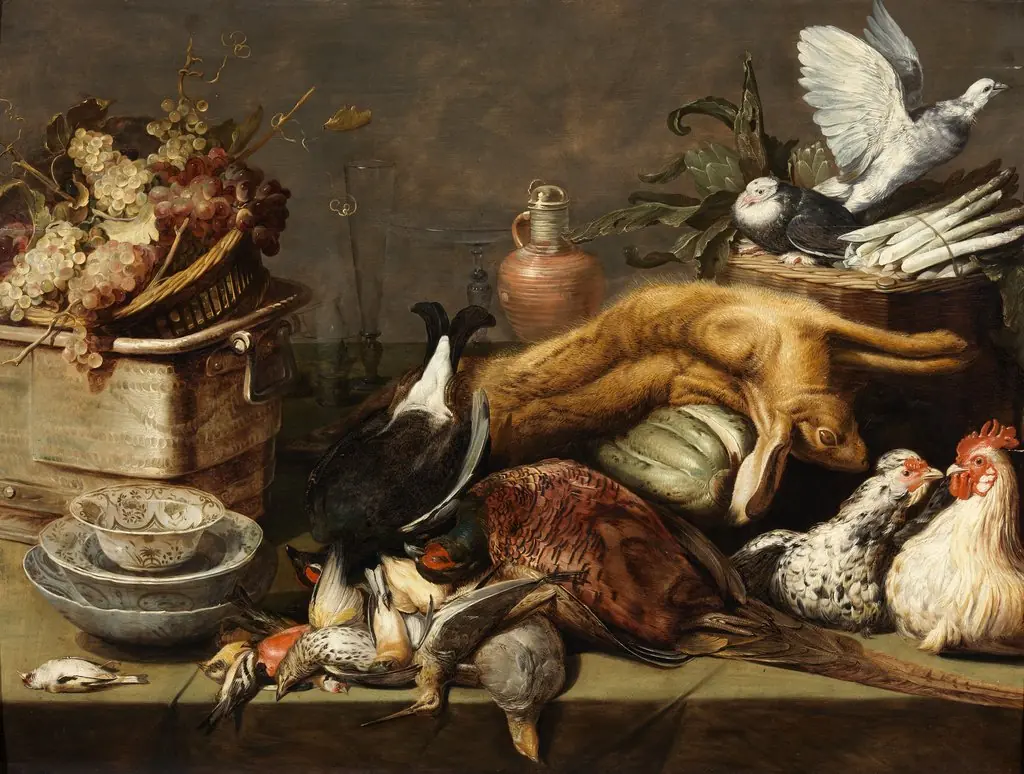 A Still Life with Dead Birds and a Hare
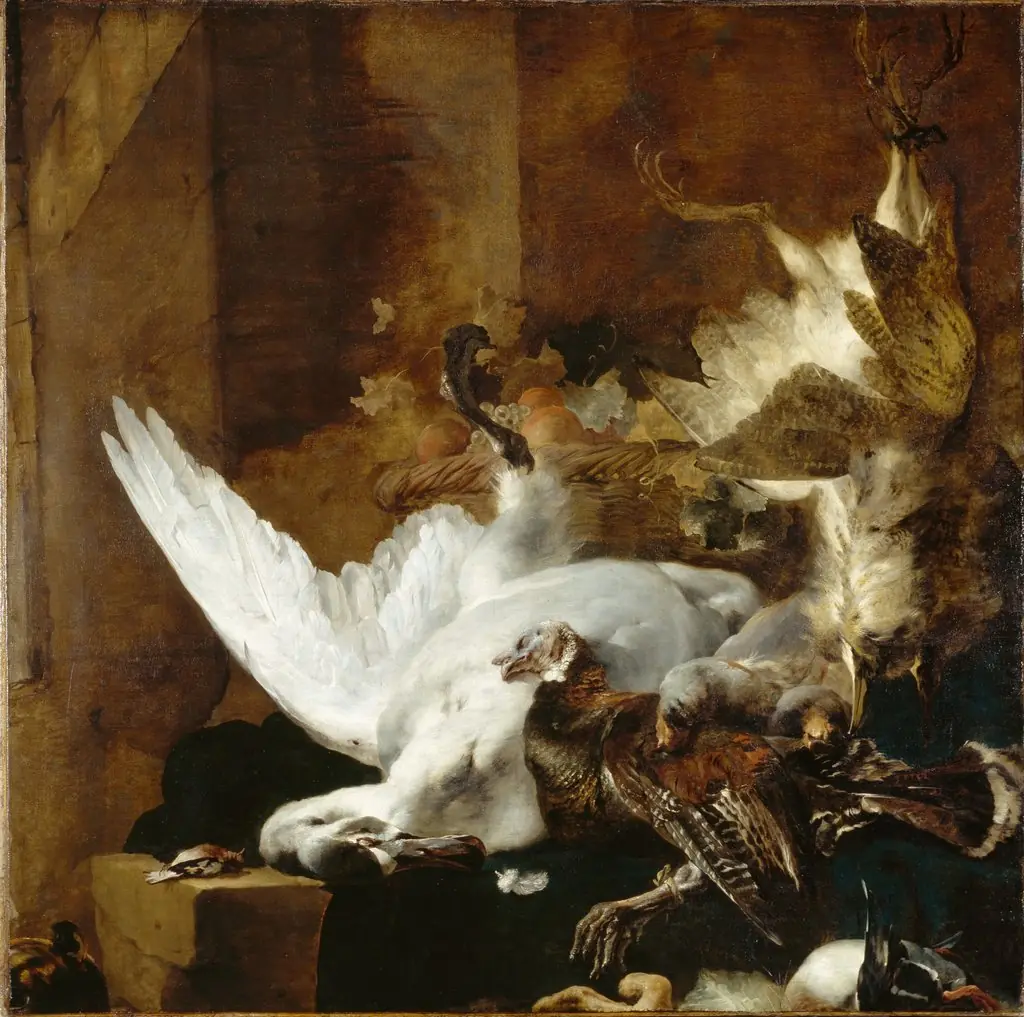 Still Life with a Dead Swan