Artwork
The Triumph of the Church
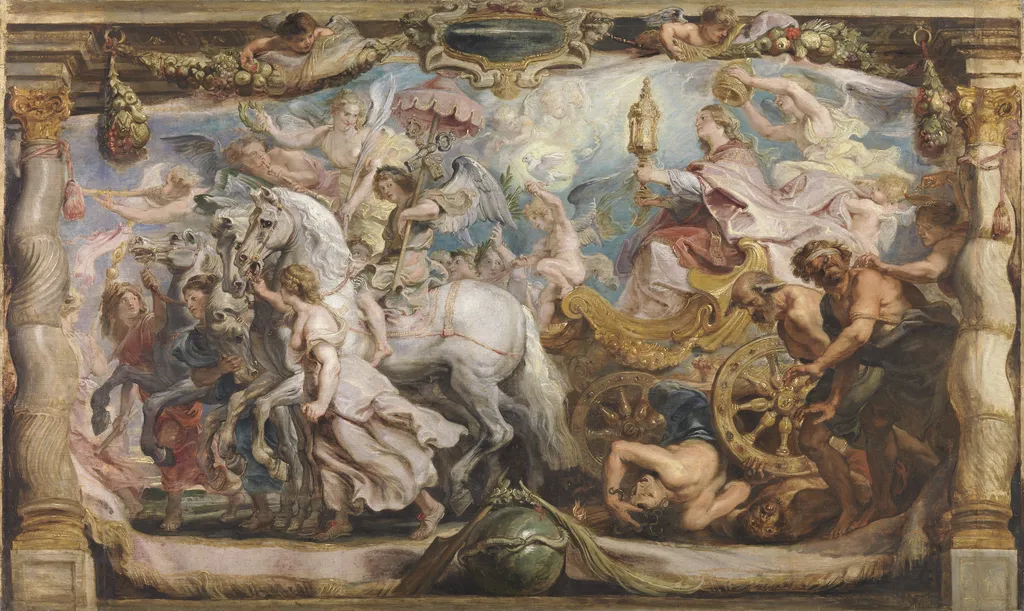
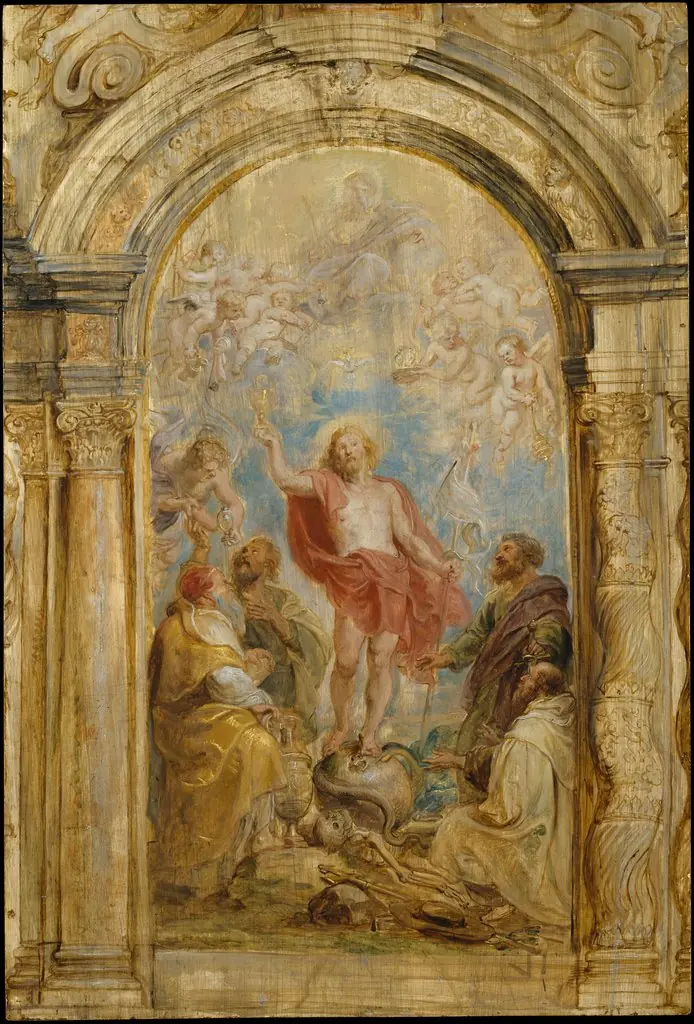
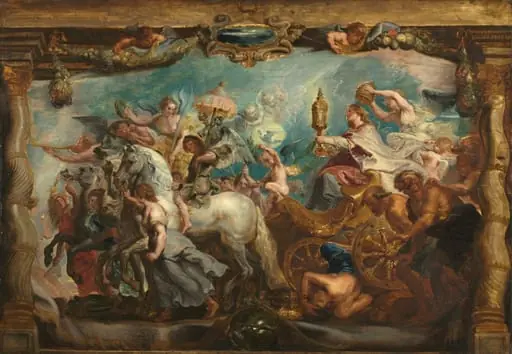
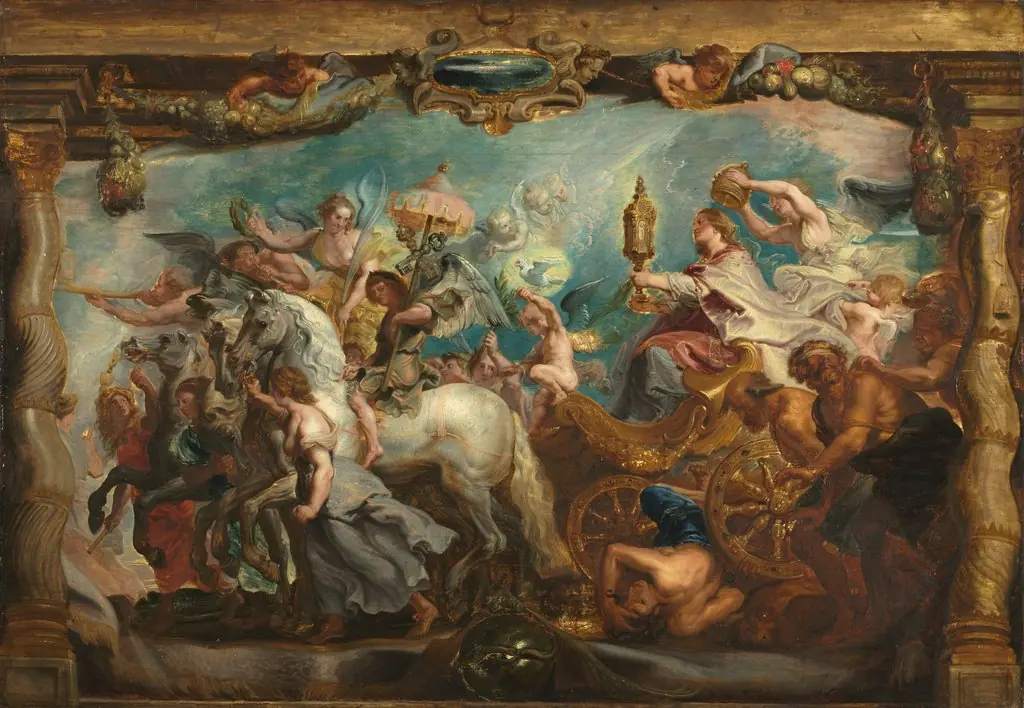
The Triumph of the Church is an oil painting by the Flemish Baroque painting artist Peter Paul Rubens. It dates from 1625 and is held in the collection of the Museo del Prado.
About this work
This painting shows a big religious theme. Rubens painted it around 1625. It’s an allegory—meaning it tells a story without showing real people.
The work is small for its bold idea. It’s only 63.5 cm tall and 105 cm wide. Still, it packs a lot of meaning into a tight space.
See how Rubens painted his church triumphs over chaos. Check out the Museo del Prado next.
Overview
Though modest in size, it presents a densely composed allegorical scene that celebrates the victory of the Christian Church over chaotic forces.
Peter Paul Rubens’ oil‑on‑panel work titled The Triumph of the Church, also known as The Triumph of the Church over Fury, Discord and Hatred, dates from around 1625. Measuring roughly 63.5 cm in height and 105 cm in width, the painting resides in Madrid’s Museo del Prado. Though modest in size, it presents a densely composed allegorical scene that celebrates the victory of the Christian Church over chaotic forces.
Subject & Meaning
The composition depicts an allegorical triumph in which the personified Church, often rendered as a regal female figure, stands victorious amid representations of fury, discord and hatred. These antagonistic elements are subdued or driven away, underscoring a theological message that divine order ultimately overcomes moral and social disorder. Rubens thus conveys a moral narrative without depicting specific historical events or individuals.
Technique & Style
Executed in oil on a wooden panel, the painting showcases Rubens’ characteristic dynamism and vigorous brushwork. The artist employs a rich, warm palette and dramatic chiaroscuro to model the figures, creating a sense of movement that propels the victorious Church forward. The compact format required a concentrated arrangement of forms, resulting in a tightly knit visual rhythm typical of Rubens’ late Baroque allegories.
History & Provenance
Created circa 1625, the work entered the Spanish royal collection in the 18th century before being transferred to the Museo del Prado, where it remains on public display. Documentation traces its ownership through several aristocratic hands, reflecting the high regard for Rubens’ religious allegories among European collectors of the period.
Context
The painting belongs to a series of Rubens’ religious allegories produced during the Counter‑Reformation, a time when the Catholic Church commissioned art that affirmed its spiritual authority. By visualizing the Church’s triumph over destructive passions, Rubens aligned his work with contemporary theological propaganda that emphasized order, piety, and the power of faith.
Artist & collection
Artist
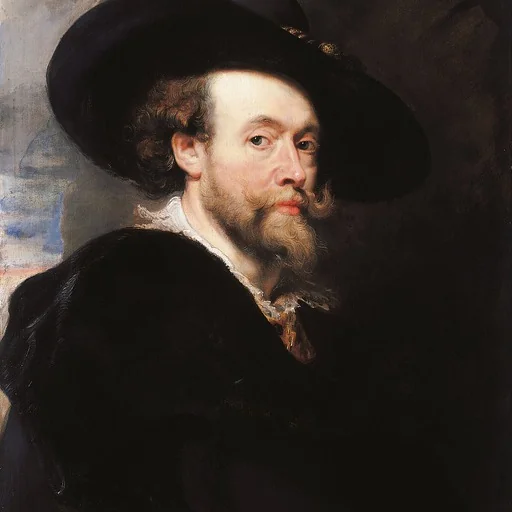
Sir Peter Paul Rubens ( ROO-bənz; Dutch: ; 28 June 1577 – 30 May 1640) was a Flemish artist and diplomat.

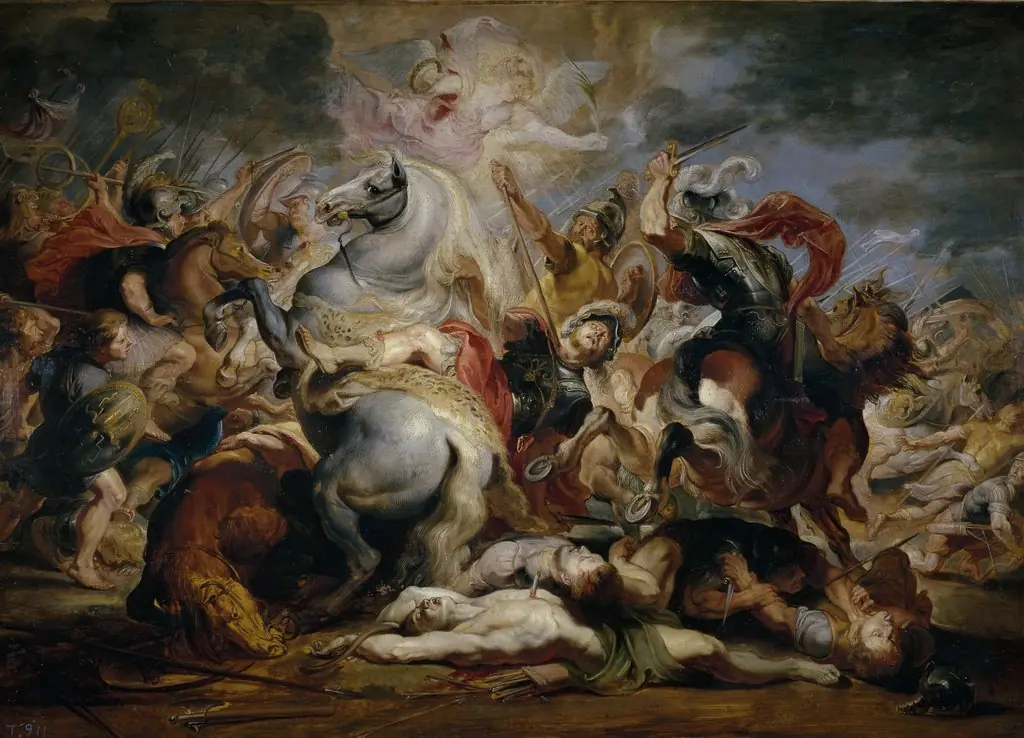 The Death of the Consul Decius
 The Triumph of the Church
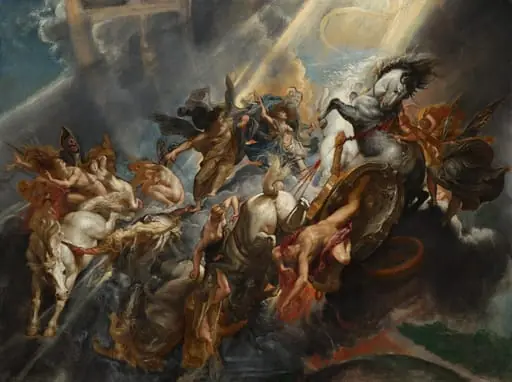 The Fall of Phaeton
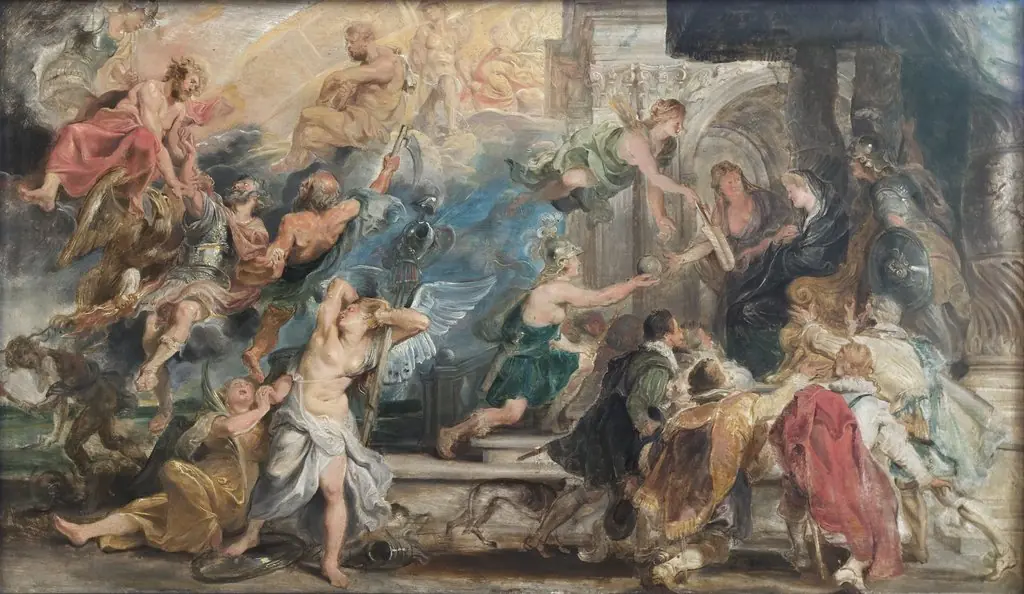 The Apotheosis of Henri IV
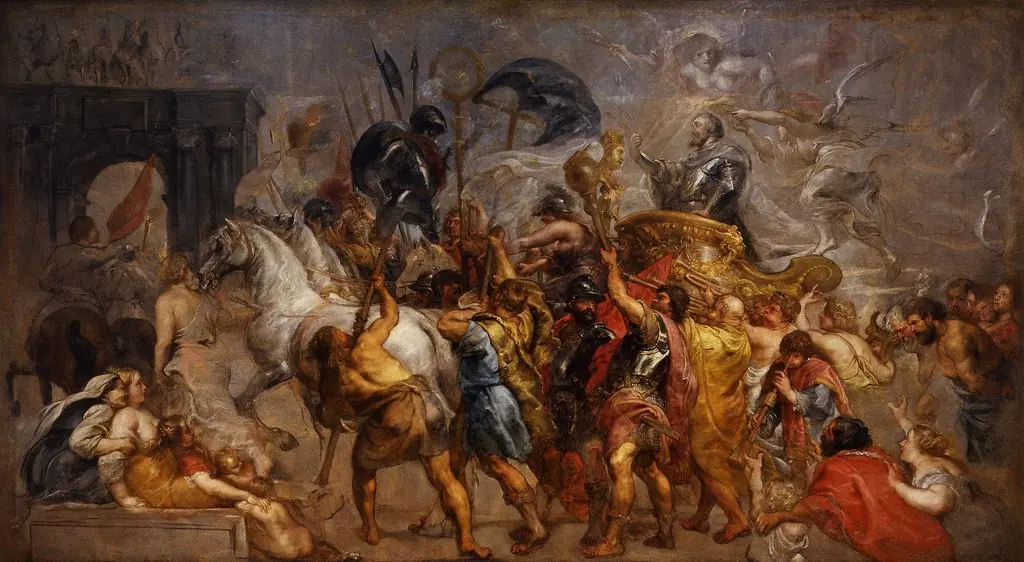 The Triumphal Entry of Henry IV into Paris
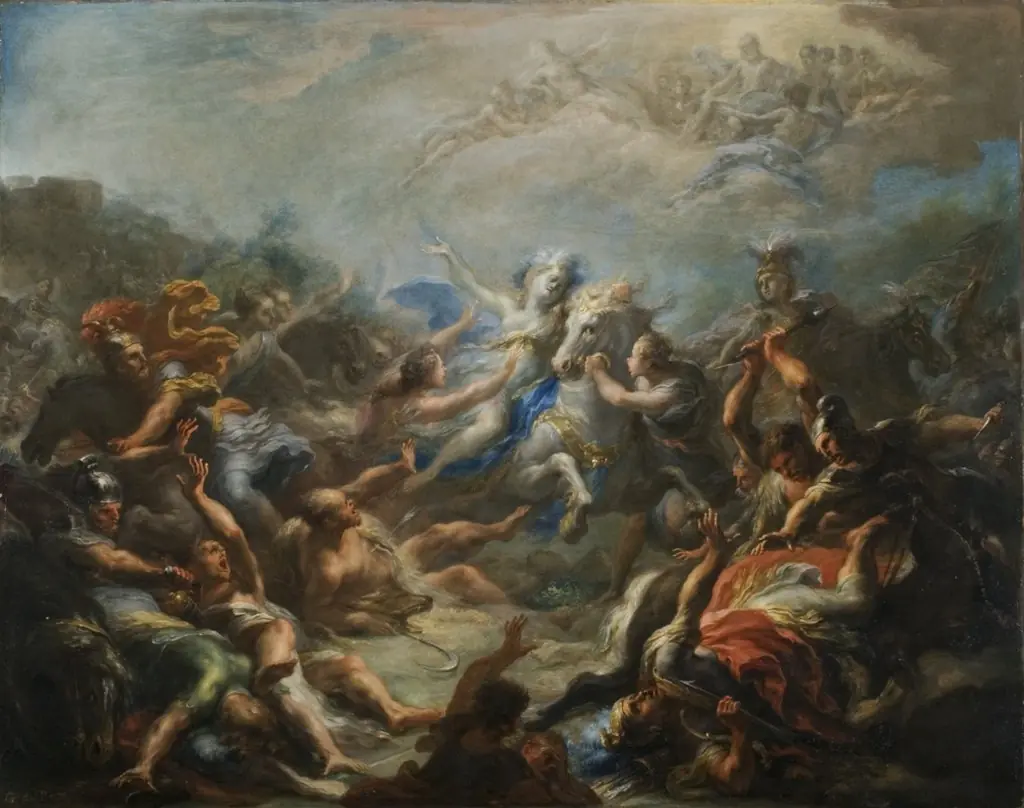 Camillia at War from Virgil's Aeneid
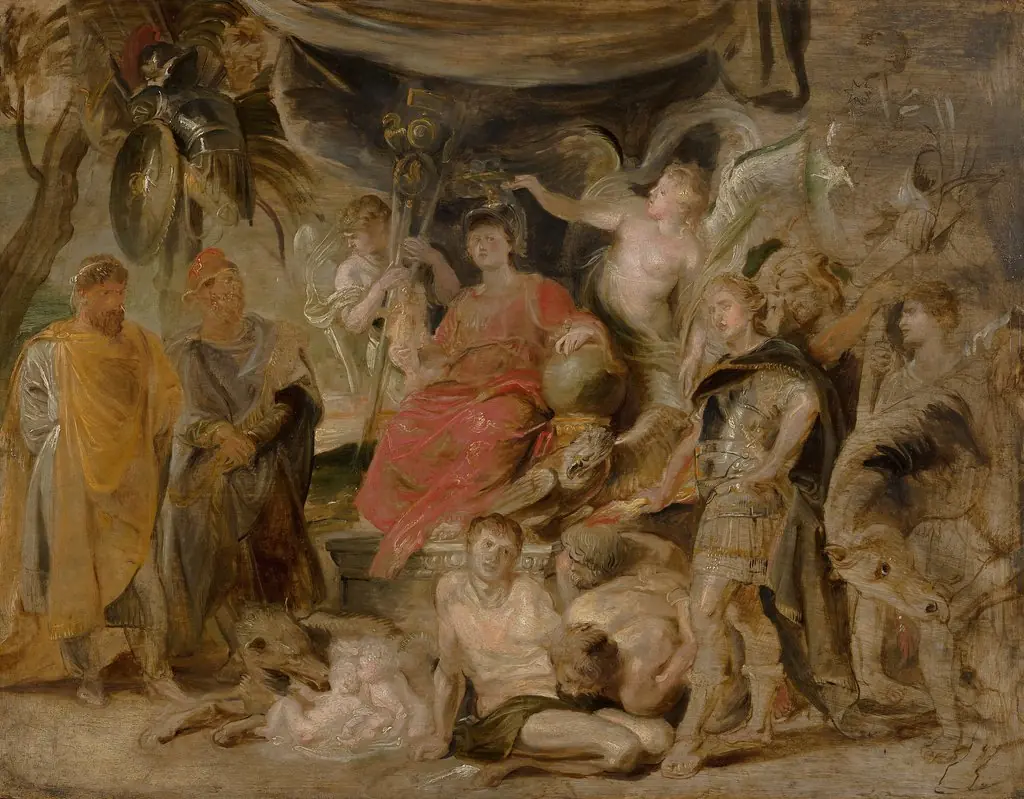 The Triumph of Rome: The Youthful Emperor Constantine Honouring Rome
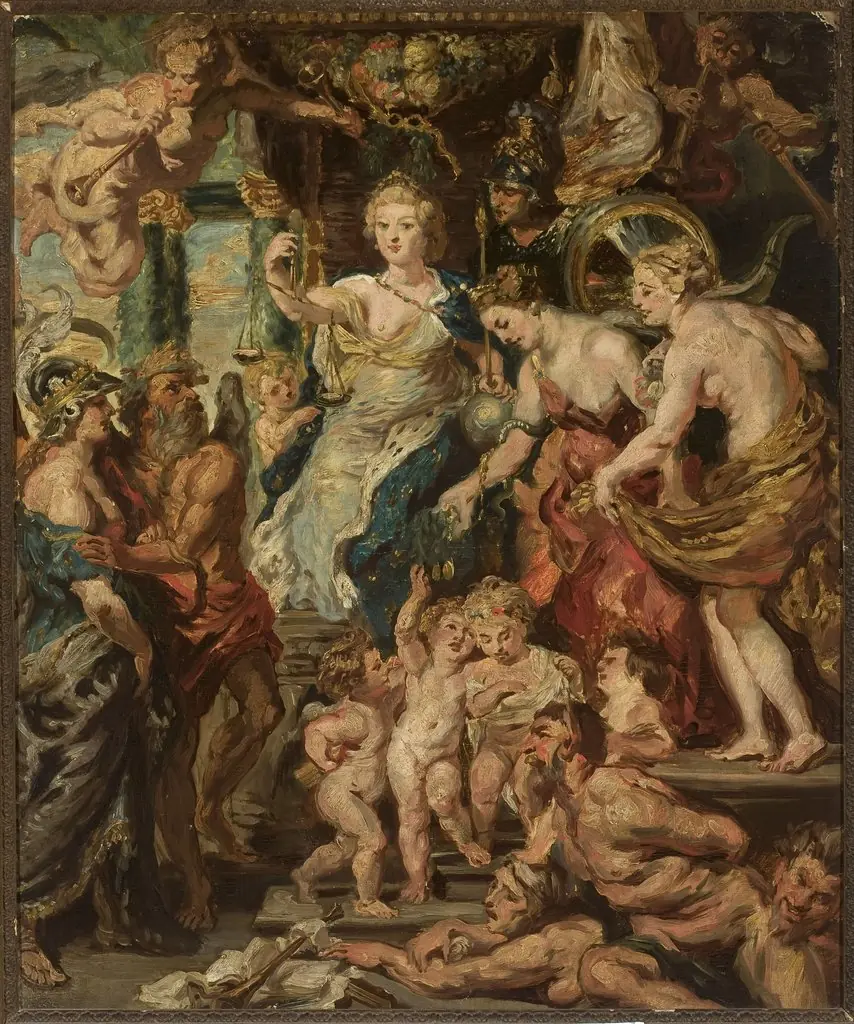 Apotheosis of Maria Medici
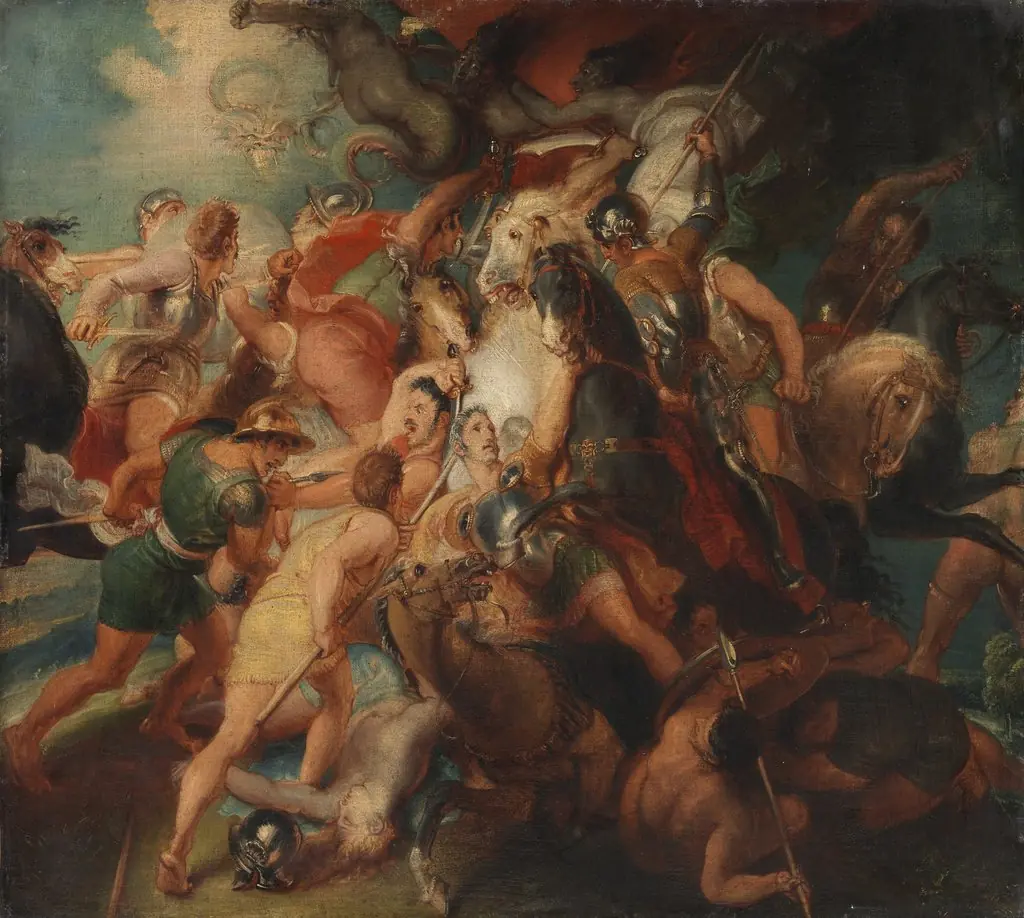 The Horrors of War, Sketch for Burghley House Mural
 The Triumph of Neptune and Amphitrite
 The Triumph of Amphitrite
 The Triumph of the Church