Artwork
Caudebec, Normandy
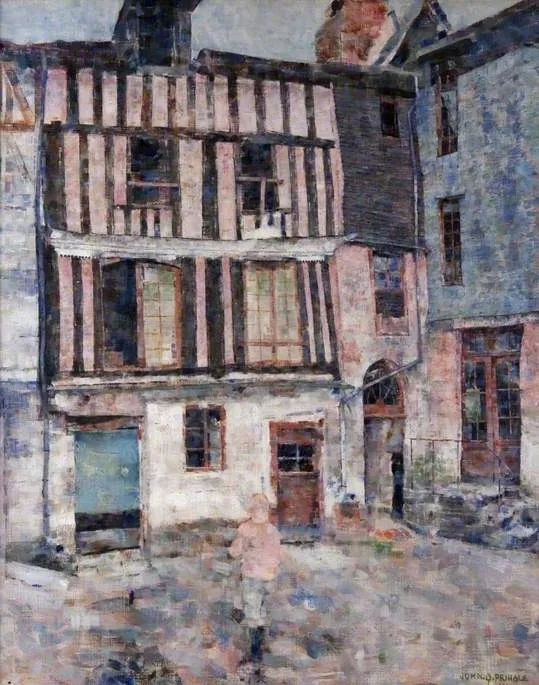
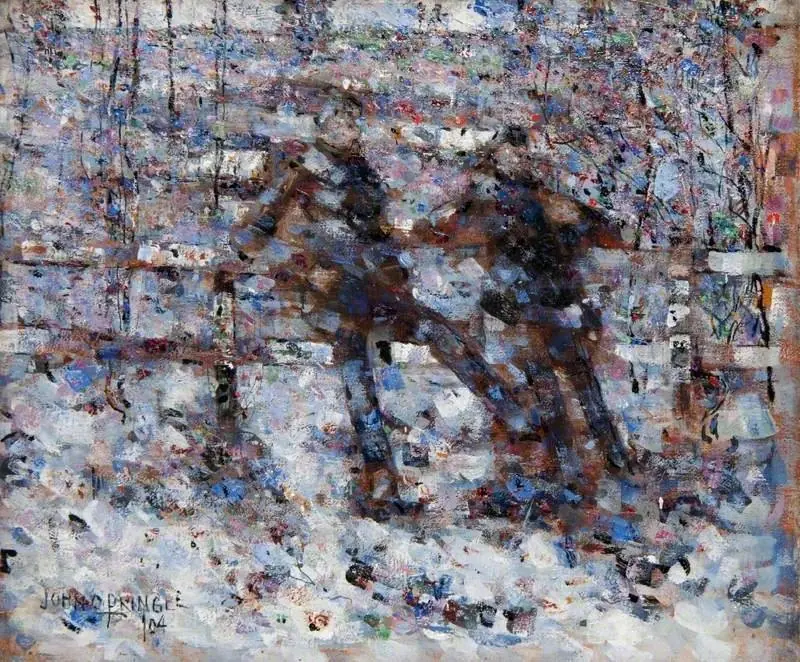
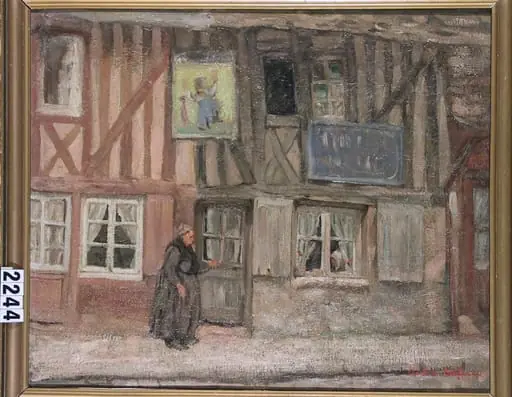
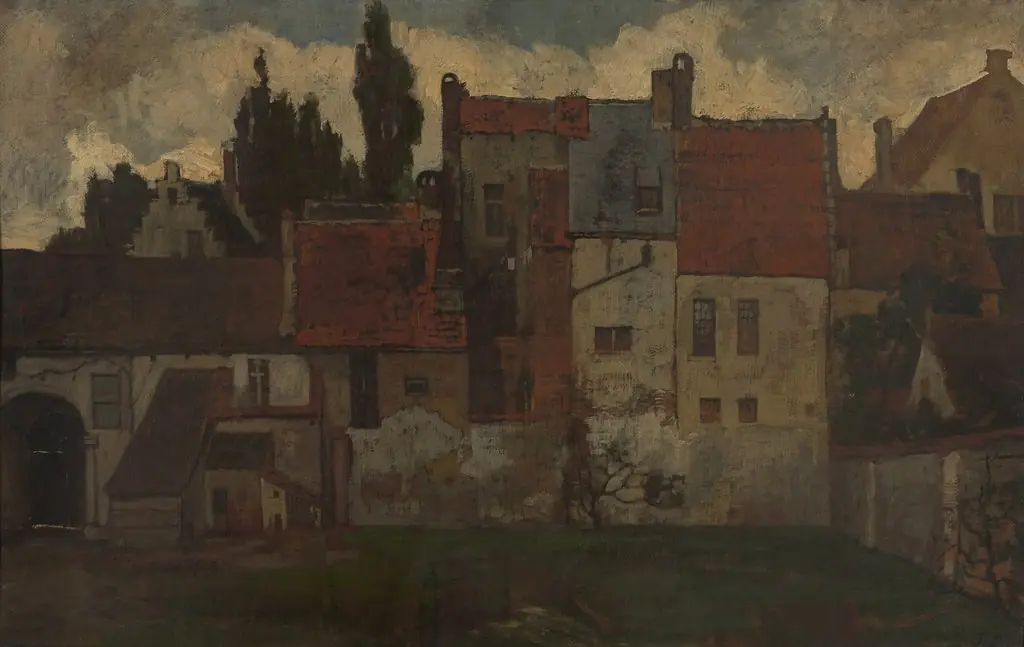
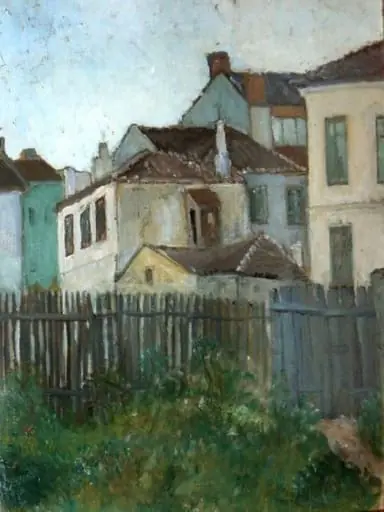
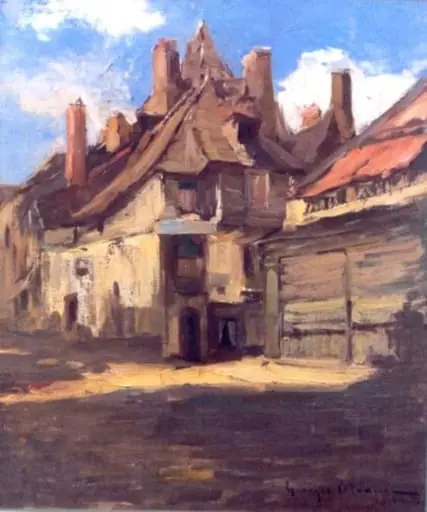
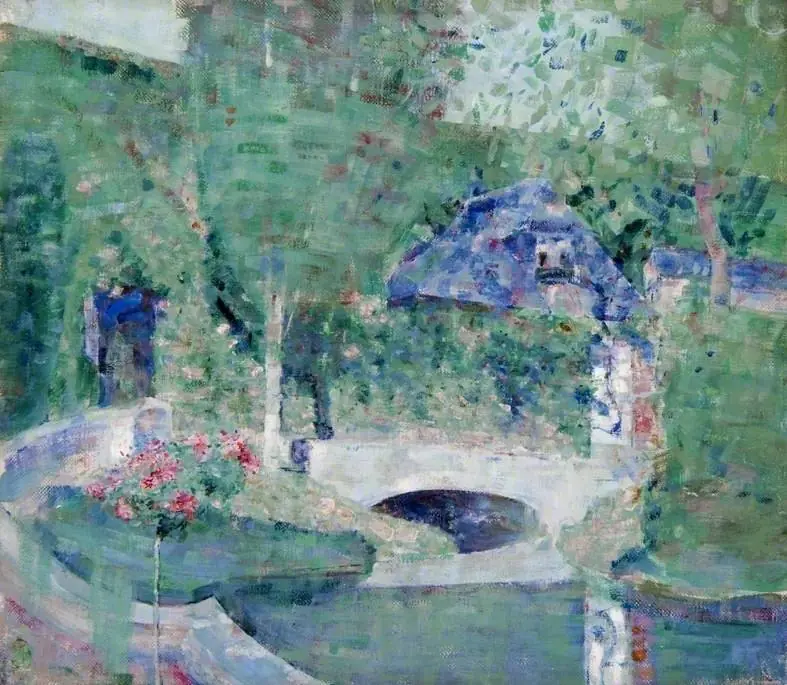
Caudebec, Normandy is an oil painting by the Post-Impressionist artist John Quinton Pringle. It dates from 1910 and is held in the collection of the Kelvingrove Art Gallery and Museum.
About this work
Overview
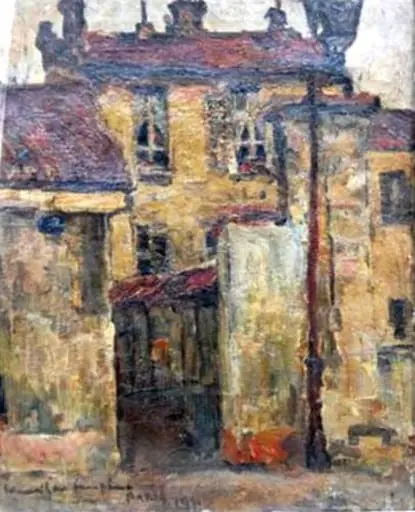
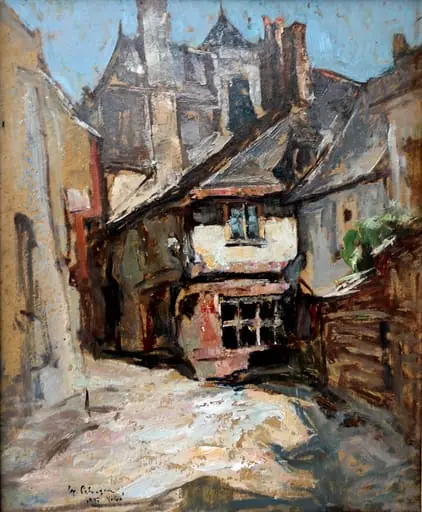
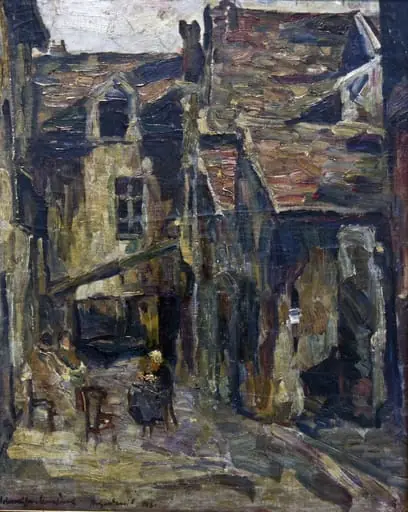
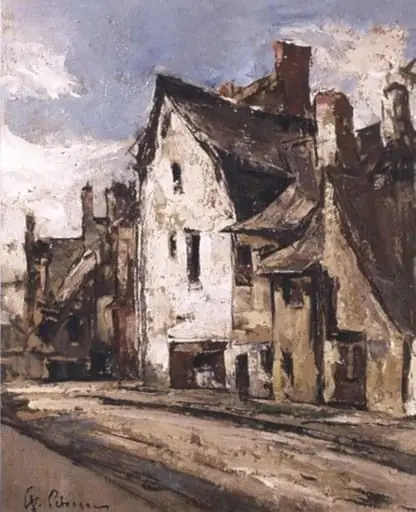
John Quinton Pringle, a Scottish artist linked to the Glasgow Boys, painted *Caudebec, Normandy* in 1910 using oil on canvas. The work captures a quiet street in the Normandy village, reflecting his interest in everyday rural life and the subtle effects of light and atmosphere. It is part of the permanent collection at Kelvingrove Art Gallery and Museum in Glasgow.
Subject & Meaning
The painting presents a solitary figure standing before narrow, timber-framed buildings typical of northern French villages. The stillness of the scene, devoid of movement or narrative action, suggests contemplation rather than drama. The figure’s anonymity and the muted surroundings evoke a sense of solitude and the quiet rhythm of daily life in early 20th-century Normandy.
Technique & Style
Pringle employed a restrained palette of grays, browns, and muted reds and blues, emphasizing tonal harmony over vibrant color. Brushwork is deliberate but not overly detailed, favoring atmospheric suggestion over precision. The composition draws the eye along the receding street, with the low horizon and overcast sky reinforcing the painting’s calm, introspective mood.
History & Provenance
Created during Pringle’s period of travel in France, the painting entered the Kelvingrove collection in the early 20th century. It reflects his engagement with French realism and post-impressionist tendencies, particularly through his adaptation of Jules Bastien-Lepage’s naturalism. The work has remained in public ownership since its acquisition, with no documented private transactions.
Context
Pringle’s work emerged alongside the Glasgow Boys, a group seeking to move beyond academic conventions by depicting ordinary life with emotional sincerity.
Pringle’s work emerged alongside the Glasgow Boys, a group seeking to move beyond academic conventions by depicting ordinary life with emotional sincerity. *Caudebec, Normandy* aligns with this ethos, echoing contemporary European trends that valued quiet observation over theatricality. Its subject matter and subdued tone reflect a broader shift toward introspective realism in early modern British art.
Legacy
Though not widely exhibited outside Scotland, the painting remains a representative example of Pringle’s mature style and his contribution to Scottish realism. It illustrates how British artists engaged with continental subjects while maintaining a distinctly restrained aesthetic. The work continues to be studied for its quiet composition and its place in the evolution of early 20th-century British painting.
Artist & collection
Artist
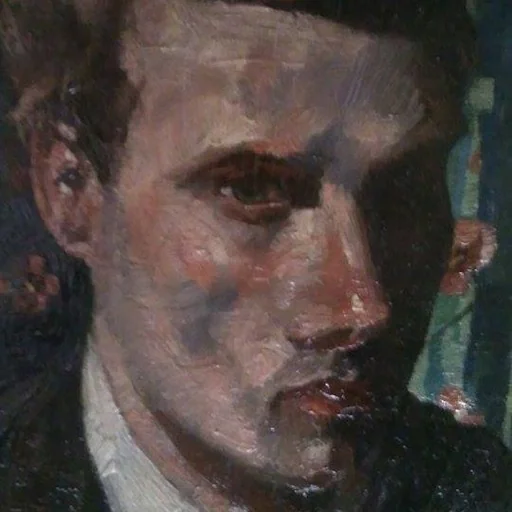
John Quinton Pringle (13 December 1864 – 25 April 1925) was a Scottish painter, influenced by Jules Bastien-Lepage and associated with the Glasgow Boys.