Artwork
Scène de Carnaval
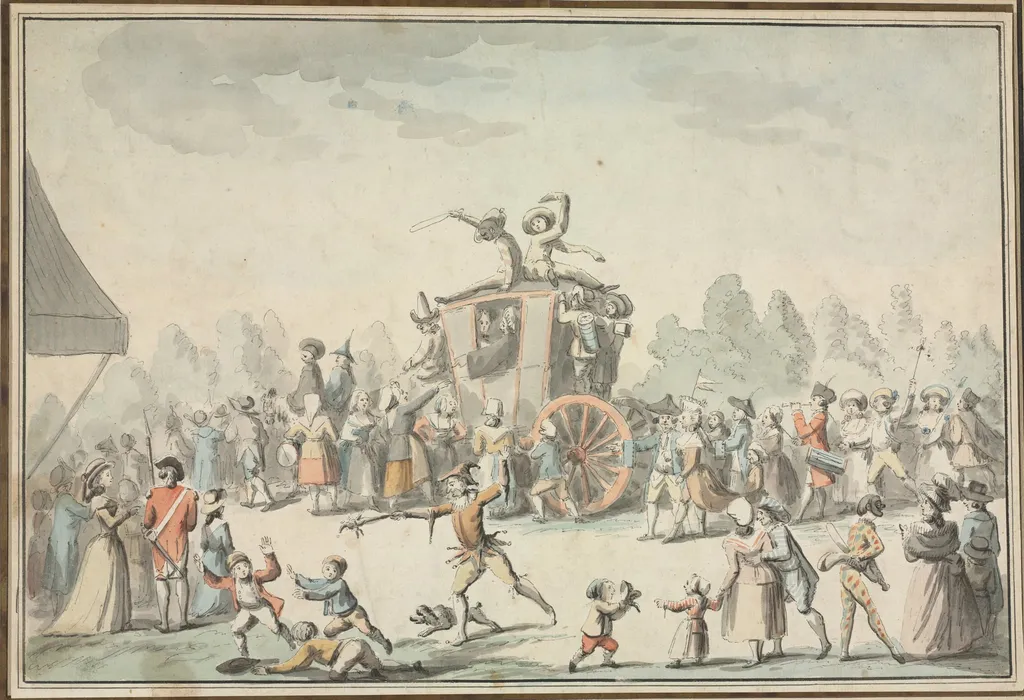
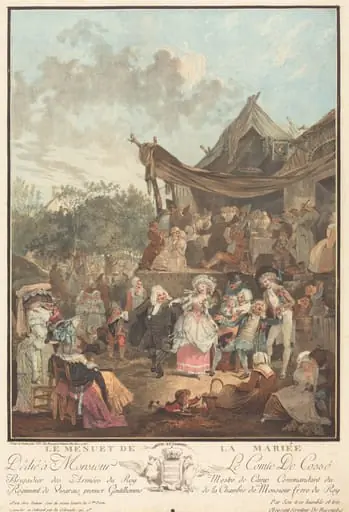
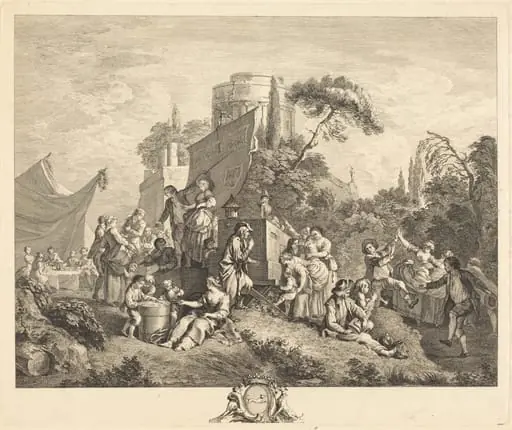
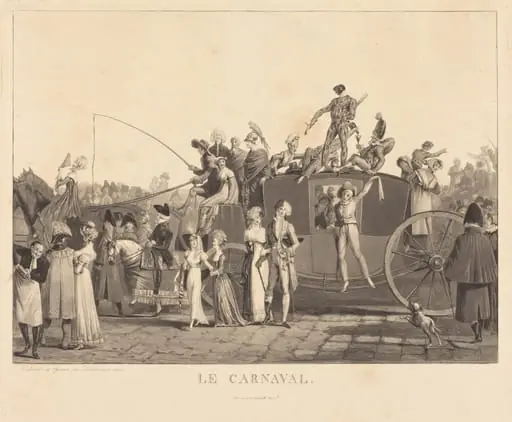
Scène de Carnaval is a drawing by Philibert-Louis Debucourt. It dates from 1803 and is held in the collection of the Cleveland Museum of Art. Created around 1803 by Philibert Louis Debucourt, this ink and wash drawing captures a lively street carnival in early 19th-century France.
About this work
Overview
Created around 1803 by Philibert Louis Debucourt, this ink and wash drawing captures a lively street carnival in early 19th-century France.
Created around 1803 by Philibert Louis Debucourt, this ink and wash drawing captures a lively street carnival in early 19th-century France. Executed with fluid lines and subtle tonal gradations, the work depicts a public celebration teeming with movement and social variety. It is part of the permanent collection at The Cleveland Museum of Art, where it is preserved as an example of Debucourt’s observational skill and engagement with urban festivity.
Subject & Meaning
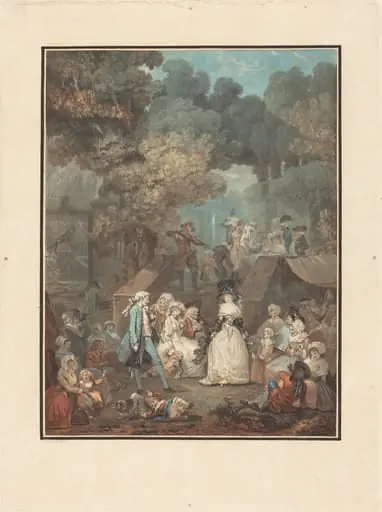
The scene portrays a moment of communal revelry during a carnival, where social boundaries blur among soldiers, children, costumed performers, and onlookers. At the center, a decorated float bearing a man with a sword and a woman in elaborate attire suggests a theatrical or satirical performance common in such events. The gathering reflects the temporary suspension of everyday hierarchies, offering a snapshot of collective joy and fleeting disorder in public space.
Technique & Style
Debucourt employed fine ink lines and delicate washes to convey texture, motion, and depth. Figures are rendered with expressive, economical strokes, capturing gestures and costumes without excessive detail. The composition is densely packed yet organized, guiding the eye through layers of activity. The use of light and shadow enhances the sense of a sunlit outdoor setting, reinforcing the spontaneity and energy of the scene.
History & Provenance
The drawing entered the collection of The Cleveland Museum of Art in the 20th century, though its earlier ownership remains undocumented. It is one of several works by Debucourt that record French social life during the post-Revolutionary era. Its survival in good condition suggests it was valued as a study or finished piece, possibly intended for reproduction or private appreciation rather than public display.
Context
Created shortly after the Napoleonic era, the drawing reflects a society still adjusting to political change, where public festivals offered a space for release and unity. Carnivals in France during this period often blended folk traditions with theatrical spectacle, serving as both entertainment and subtle social commentary. Debucourt’s focus on ordinary participants, rather than elite spectators, aligns with broader artistic interests in everyday life.
Legacy
Debucourt’s drawing contributes to a tradition of French graphic art that documented urban life with empathy and precision. While not widely exhibited, it remains a significant example of early 19th-century observational drawing, illustrating how artists captured transient social moments before photography. Its presence in a major American museum underscores its value as a cultural record beyond its aesthetic qualities.
Artist & collection
Artist
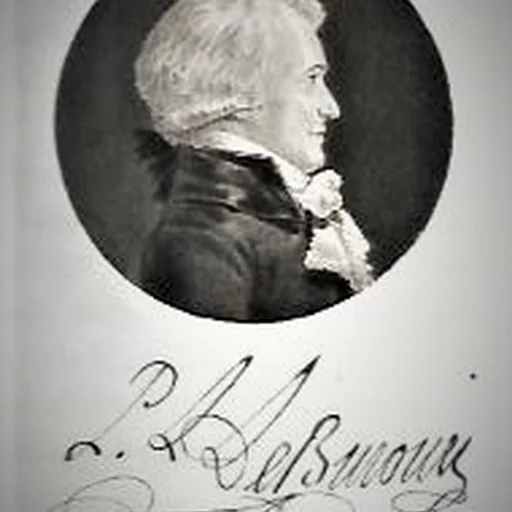
Philibert-Louis Debucourt (1755–1832) was a French artist, born in Paris.