Artwork
Le Carnaval
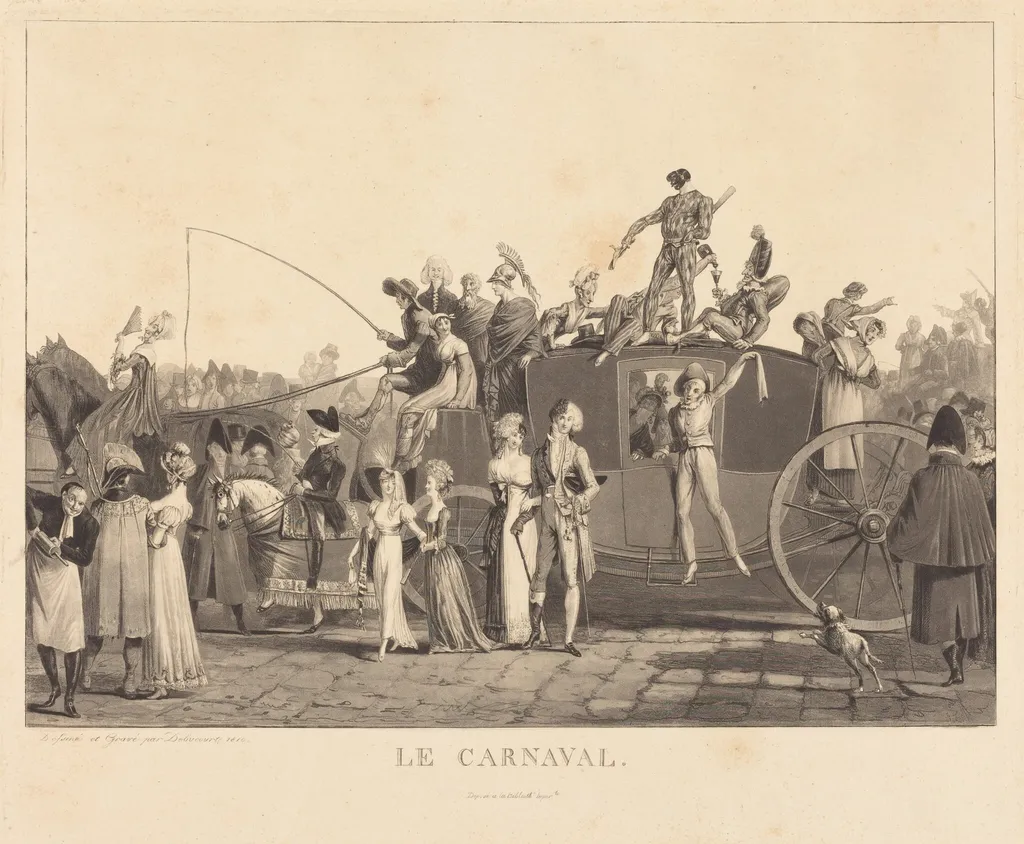
Le Carnaval is an ink print by the Romanticist artist Philibert-Louis Debucourt. It dates from 1810 and is held in the collection of the National Gallery of Art.
About this work
Overview
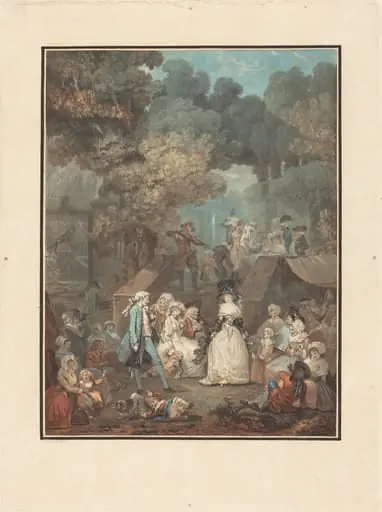
Le Carnaval is a print created by Philibert-Louis Debucourt in 1810, utilizing etching and aquatint techniques on wove paper. The work depicts a vibrant street party scene set in the early 19th century.
Subject & Meaning
The scene showcases a lively carnival atmosphere with elegantly dressed individuals, including women in large dresses and hats, and men with canes, alongside performers on a wagon engaging in balancing and juggling acts. A distant crowd observes the festivities, with a small dog being a notable animal presence.
Technique & Style
Debucourt employed fine lines to achieve meticulous detail, rendering intricate elements such as ruffles and shadows. The combination of etching and aquatint allowed for nuanced textures and tonal depths in the print.
History & Provenance
Created in 1810, specific details regarding the print's provenance and historical context beyond its creation date are not provided.
Context
Le Carnaval reflects the social and recreational practices of the early 19th century, capturing the essence of a public entertainment event during this period.
Legacy
The legacy of Le Carnaval is not explicitly detailed in the provided information, though it remains a representative example of Debucourt's work and early 19th-century printmaking techniques.
Artist & collection
Artist
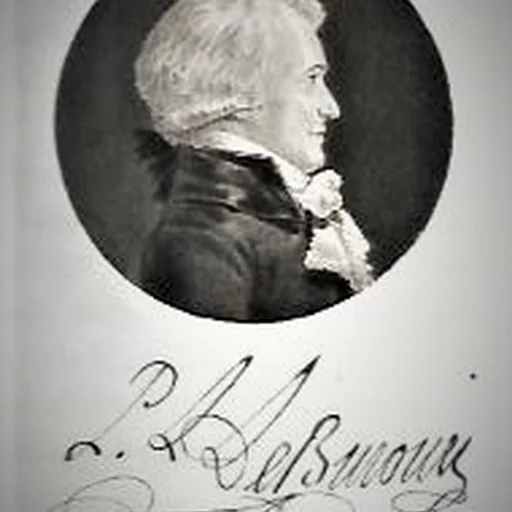
Philibert-Louis Debucourt (1755–1832) was a French artist, born in Paris.

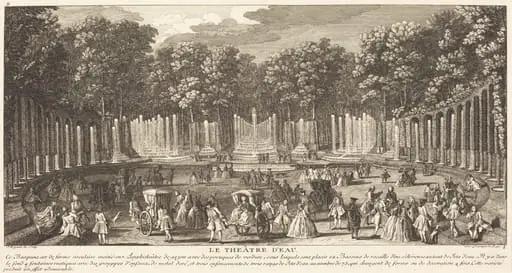 Le Théâtre d'Eau
 H Beard Print Collection
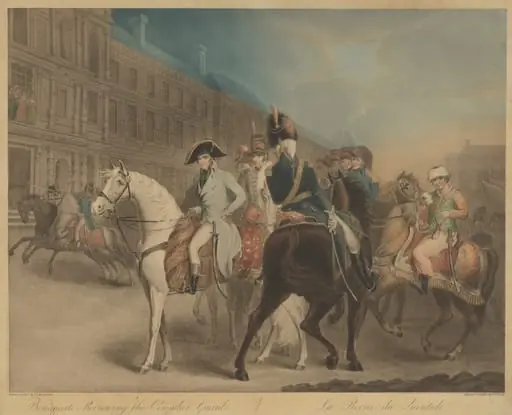 Bonaparte Reviewing the Consular Guard (La Revue du Quintidi)
 H Beard Print Collection
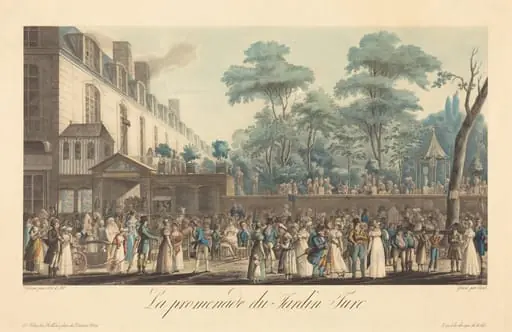 La promenade au Jardin Turc
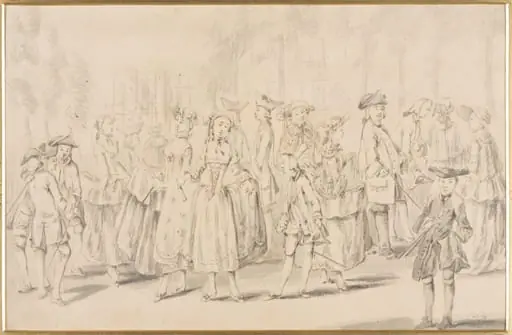 Promenaders in St. James' Park
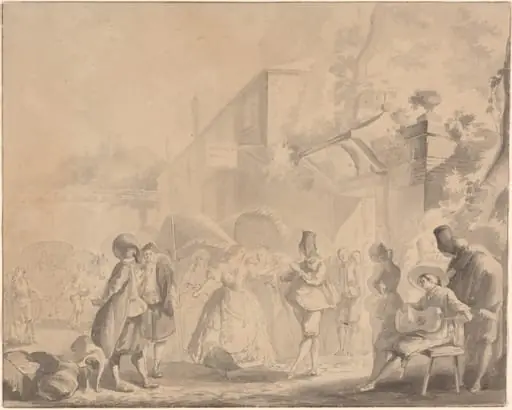 Dance in a Village Square
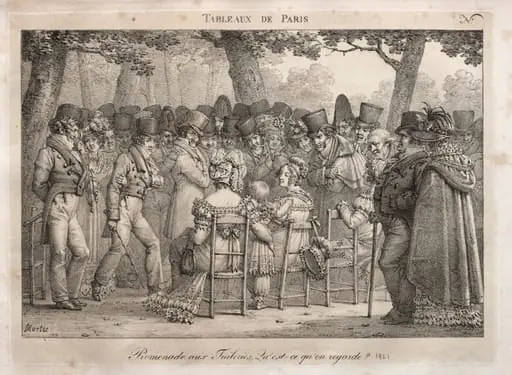 Promenade in the Tuileries. What are they looking at?
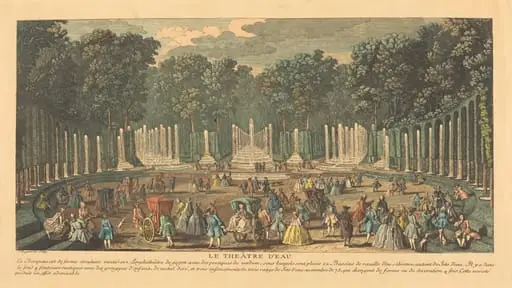 The Theatre of Water (Le Théâtre d'Eau)
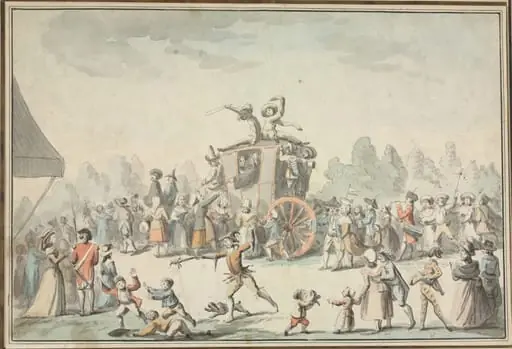 Scène de Carnaval
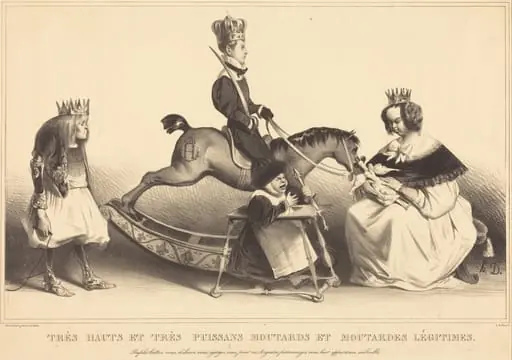 Très hauts et très puissans moutards et moutardes légitimes