Artwork
Futheypoor Sikre Guard Gate of the Fort
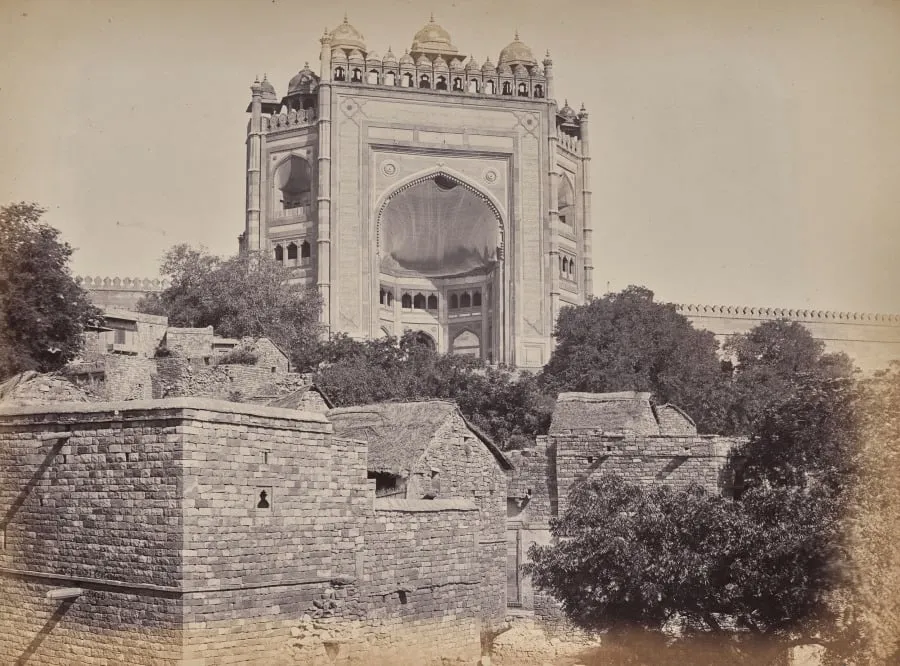
Futheypoor Sikre Guard Gate of the Fort is a photography by the Impressionist artist Samuel Bourne. It dates from 1866 and is held in the collection of the Cleveland Museum of Art.
About this work
Overview
Shot with a bulky camera and glass plate negatives, the image captures the Futheypoor Sikre Guard Gate as it appeared before 20th-century interventions.
This photograph is one of fifty taken by William Bourne in India during the 1860s, documenting architectural sites across northern regions from the Himalayan foothills to major urban centers. Shot with a bulky camera and glass plate negatives, the image captures the Futheypoor Sikre Guard Gate as it appeared before 20th-century interventions. The series serves as a visual archive of colonial-era India, preserving structures in their pre-restoration states.
Subject & Meaning
The gate forms part of a historic fort complex, its pointed arches and floral carvings reflecting Mughal-era design traditions. Positioned as a defensive entry point, its presence signals the layered military and imperial history of the region. The photograph does not idealize the structure but records it plainly, emphasizing its materiality and scale as a functional monument rather than a romanticized ruin.
Technique & Style
Bourne employed large-format glass plate photography, requiring careful handling of fragile materials under challenging conditions. The sharp shadows and high contrast in the image result from direct sunlight and long exposure times, revealing fine details in stone carving and surface texture. The composition is straightforward, with the gate centered and framed by open sky, prioritizing documentary clarity over artistic embellishment.
History & Provenance
Taken during Bourne’s travels with fellow photographer Charles Shepherd, the photograph was part of a commercial album produced for British audiences interested in colonial India. The album circulated in Europe and India, offering a visual record of sites later altered by restoration efforts. The original plates and prints are now held in institutional collections, valued for their historical accuracy.
Context
In the 1860s, photography was emerging as a tool for ethnographic and architectural documentation in British India. Bourne’s work aligned with colonial efforts to catalog and preserve perceived cultural heritage. His images were among the first systematic visual surveys of India’s monuments, contributing to both scholarly interest and imperial narratives of control and observation.
Legacy
Bourne’s photographs remain key references for historians studying the condition of Indian architecture prior to modern restoration. Their technical precision and lack of romanticization provide a baseline for understanding structural changes over time. Though produced for a colonial audience, the images now serve as neutral records, valued for their evidentiary rather than aesthetic qualities.
Artist & collection

Artist
Samuel Bourne was a British photographer known for his prolific seven years' work in India, from 1863 to 1870.

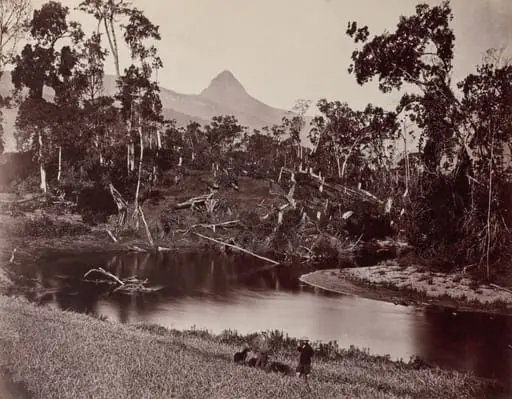 Ceylon Views to Adam's Tooth
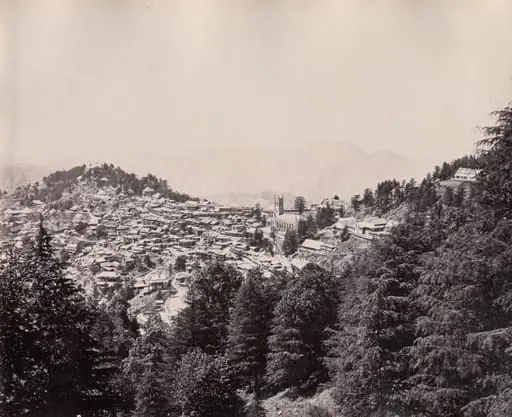 Shimla
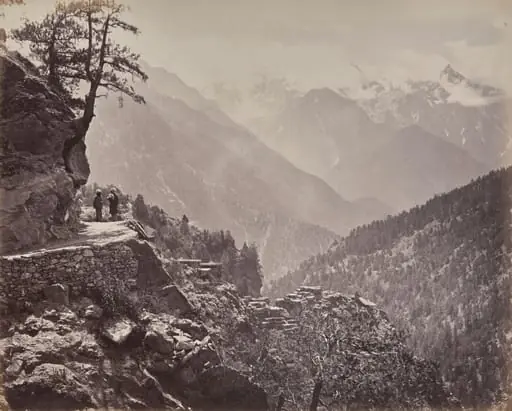 The Upper Himmalayahs. View on the New Road between India and China. Mt. Pangi with the Snowy Peaks of China in the Distance
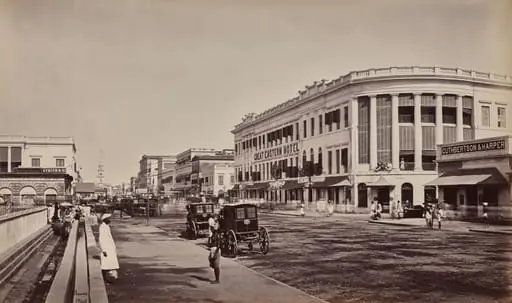 Calcutta. Old Court House Street
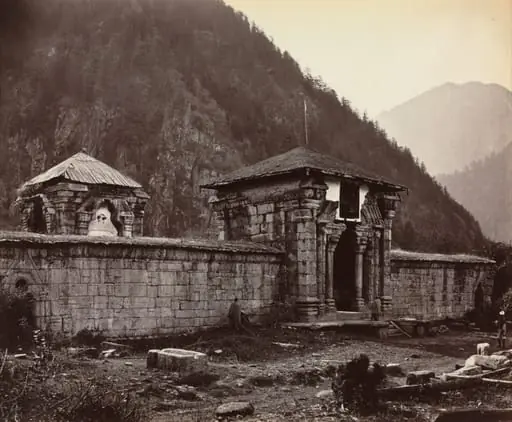 Temple at Naveshera, Kashmir, India
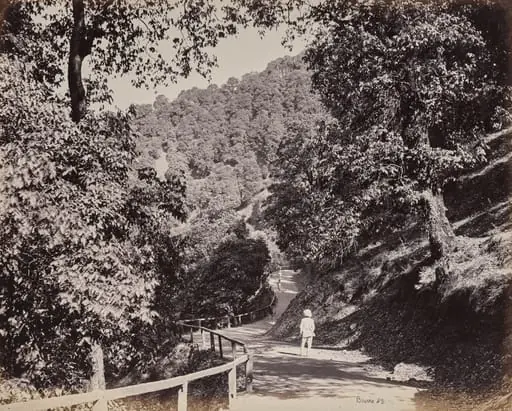 Shimla. The Mall near Rabq Lodge
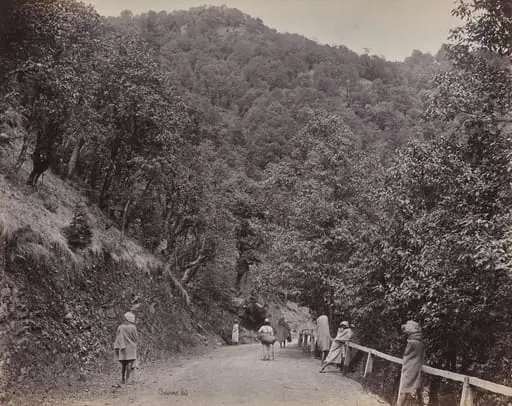 Shimla. The Mall or Principal
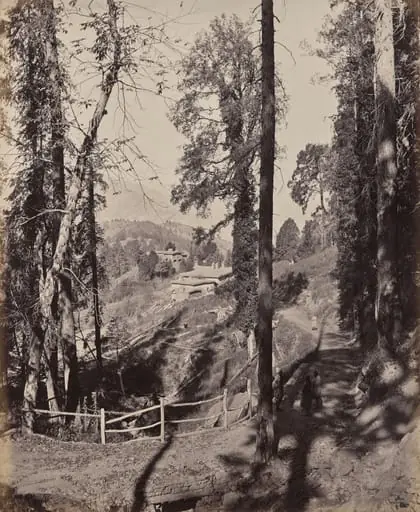 Murree. A Hill Station in the Himmalayahs, View Through the Forest
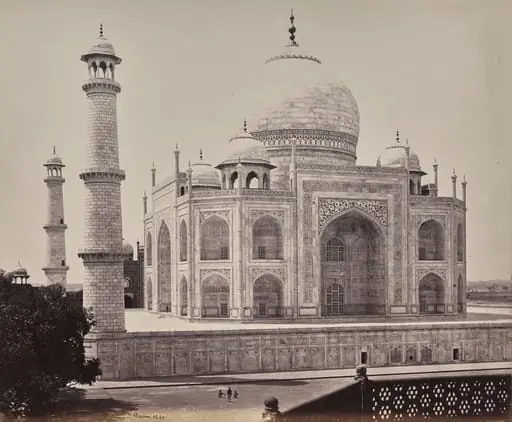 Agra. View of the Taj from a Corner in the Quadrangle
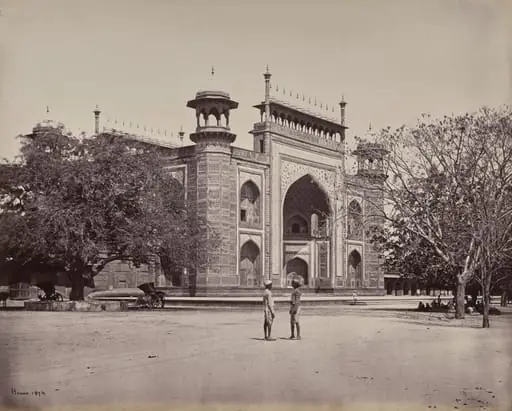 Agra. The Gateway of the Gardens Surrounding the Taj
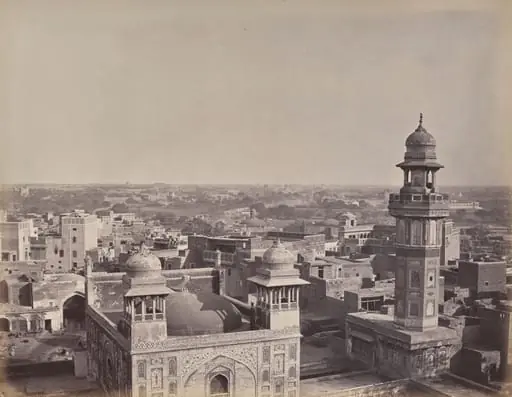 The City of Lahore. Another View Taken from Huzeer Khan's House
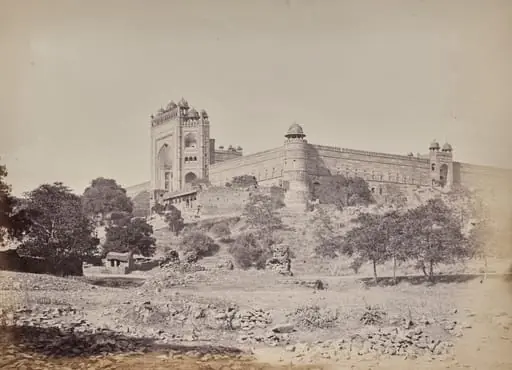 Fort of Futheypoor Sikre near Agra. The Residence of the Emperor Akbar
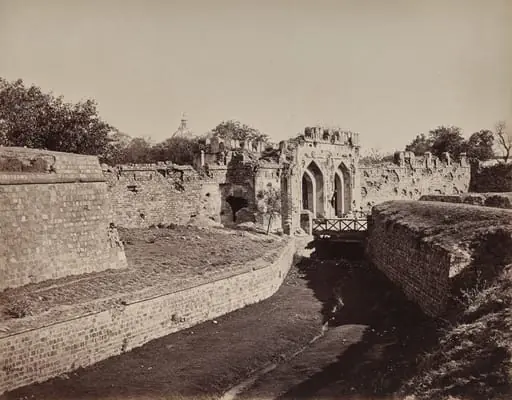 Delhi. The Kashmire Gate. The Scene of Some Very Hard Fighting in 1857
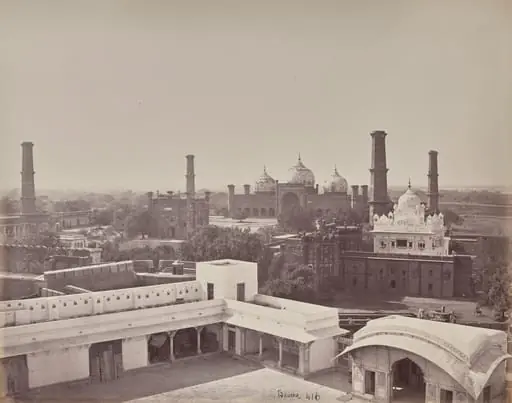 View of the City of Lahore Taken from the Roof of the Palace in the Fort
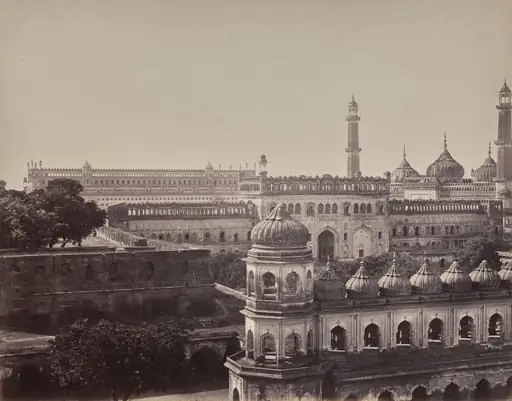 Lucknow. The Great Emambara and Mosque
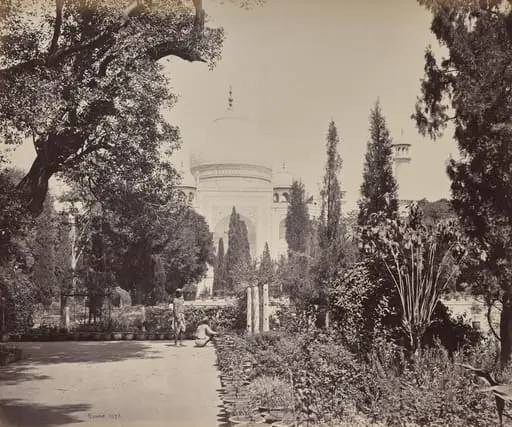 Agra. View of the Taj from the Garden
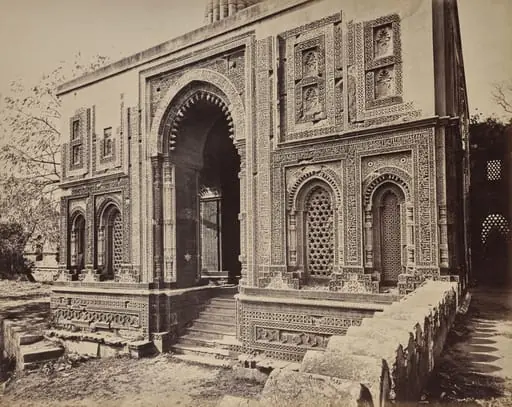 Delhi. Gateway of Allahood Deen's Palace, Old Delhi