Artwork
Compoziție reprezentand o scenă a întâlnirii domnitorului Al. I. Cuza cu țăranii: domnitorul îmbrăcat în uniformă militară, cu pelerină și căciulă, primește o „jalbă” de la un țăran pe care îl are în fața sa. Cuza este secondat de Mihail Kogălniceanu. În jurul lor sunt grupuri de țărani (bărbați, femei, copii). Pe fundal este un relief muntos. Este semnat
Compoziție reprezentand o scenă a întâlnirii domnitorului Al. I. Cuza cu țăranii: domnitorul îmbrăcat în uniformă militară, cu pelerină și căciulă, primește o „jalbă” de la un țăran pe care îl are în fața sa. Cuza este secondat de Mihail Kogălniceanu. În jurul lor sunt grupuri de țărani (bărbați, femei, copii). Pe fundal este un relief muntos. Este semnat is an unspecified painting by Pictor Vasile Ștefan. It is held in the collection of the Moldova National Museum Complex. The work, signed V.
About this work
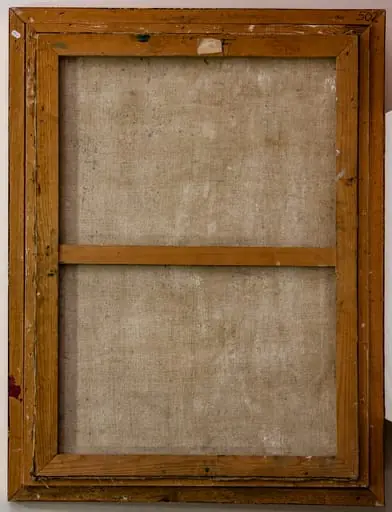
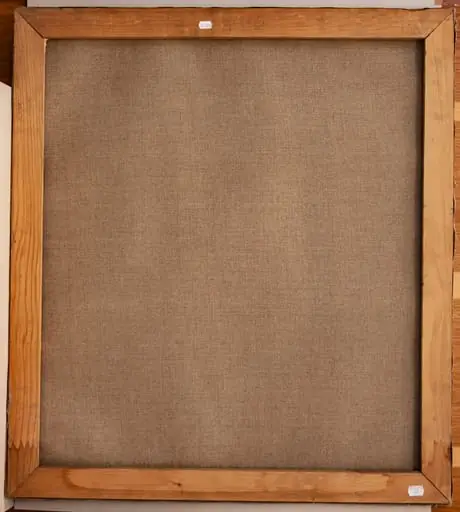
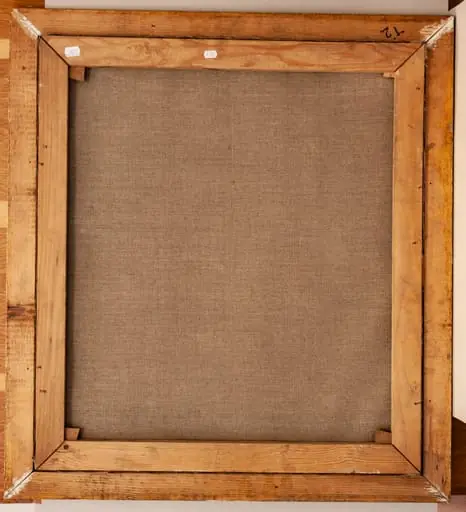
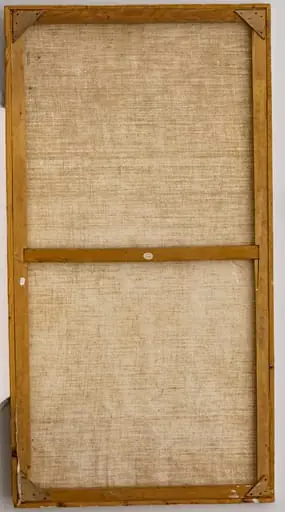
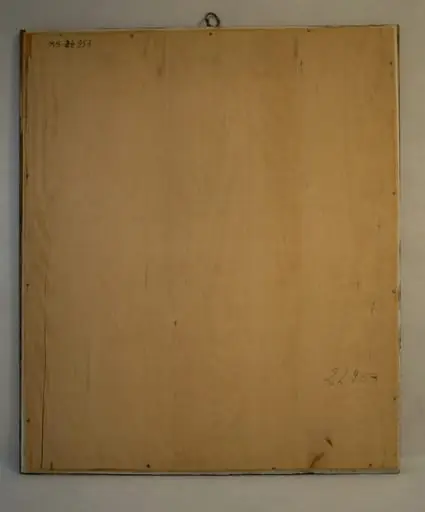
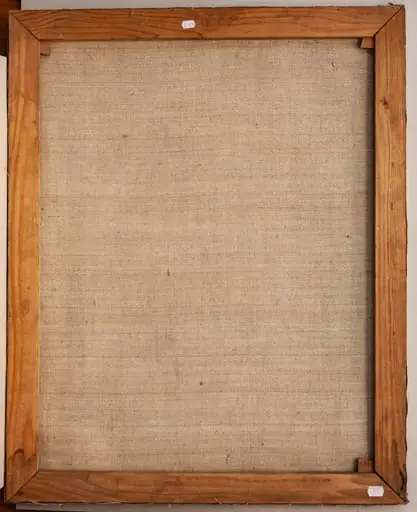
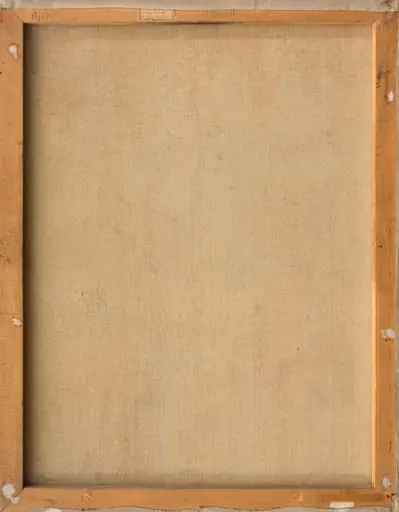
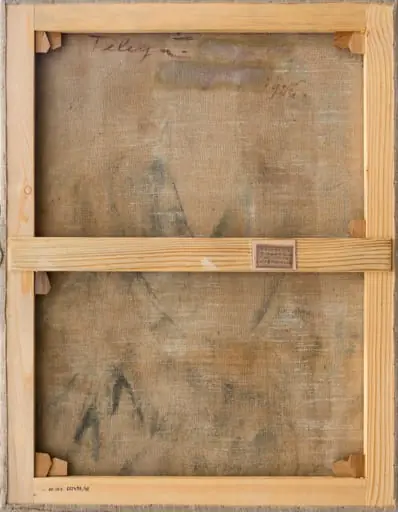
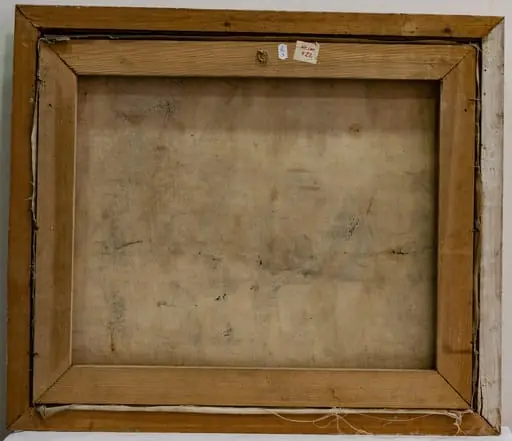
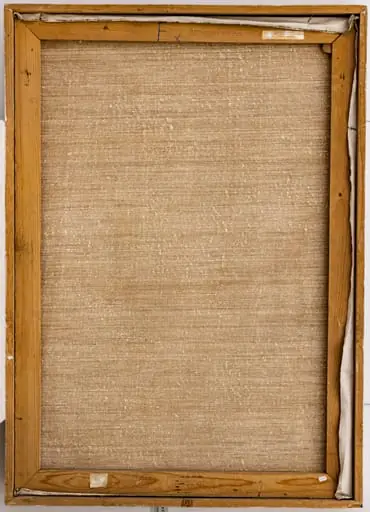
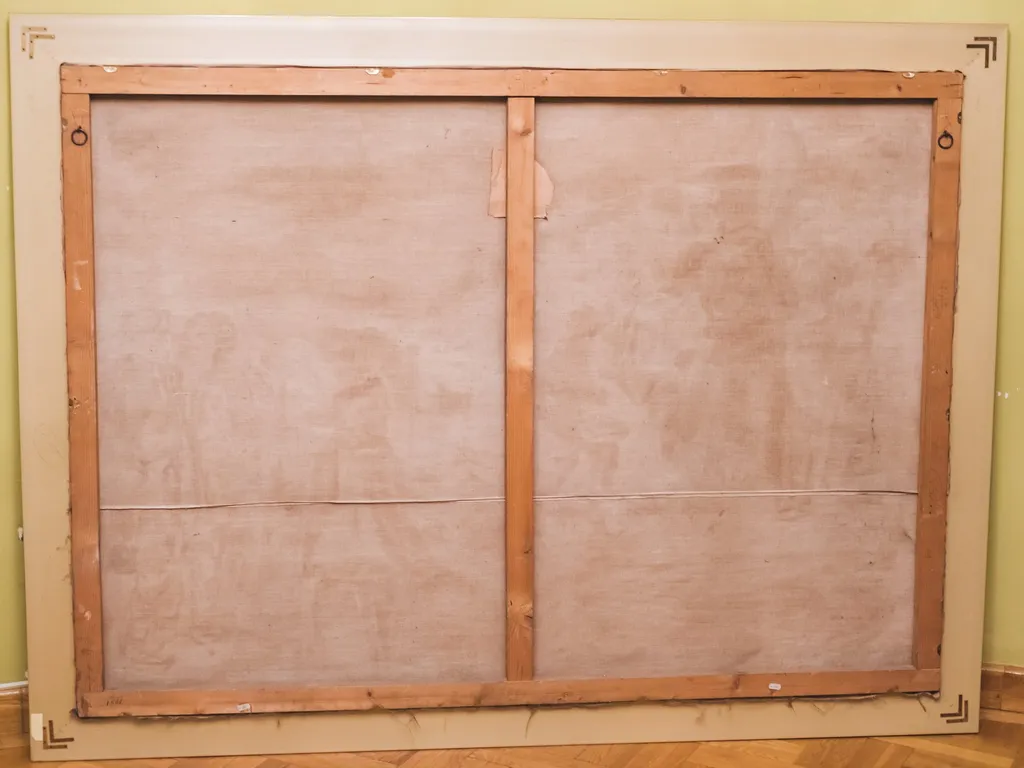
This is an empty canvas stretched over a wooden frame. The wood is light brown, showing some wear and small marks. The canvas itself is plain, with no visible painting or details.
The painting was meant to show a ruler meeting peasants, but it’s blank now. The artist, Vasile Ștefan, likely worked on it in 1958.
Look up Pictor Vasile Ștefan to see his other works.
Overview
The work, signed V. Ștefan and dated 1958, depicts a historic encounter between Domnitor Alexandru Ioan Cuza and a gathering of peasants. Cuza is shown in military attire, accompanied by Mihail Kogălniceanu, while surrounding villagers of various ages observe the meeting against a stylised mountainous backdrop.
Subject & Meaning
The composition emphasizes the ruler’s direct engagement with the rural population, a theme resonant with mid‑twentieth‑century narratives of national unity and agrarian reform. By placing Cuza at the centre receiving a symbolic offering from a peasant, the painting underscores the perceived bond between leadership and the peasantry.
Technique & Style
Executed in oil on canvas, the piece employs a realistic yet slightly idealised visual language typical of socialist‑realist commissions. The figures are rendered with clear outlines and modest shading, while the background relief suggests a simplified, almost emblematic landscape rather than detailed topography.
History & Provenance
Vasile Ștefan (1905‑1986) created the canvas on a special commission, likely for a state or local institution seeking to commemorate Cuza’s reforms. The work bears the artist’s signature and the number 958 in the lower left corner, indicating its place within a series of commissioned pieces produced in the late 1950s.
Context
The painting aligns with post‑World‑War II Romanian efforts to reinterpret 19th‑century figures like Cuza within contemporary ideological frameworks. By highlighting the ruler’s interaction with ordinary citizens, the artwork reflects the period’s emphasis on agrarian solidarity and the glorification of historical leaders who championed peasant rights.
Artist & collection
Artist
Vasile Ștefan painted large historical scenes packed with details. One is *Composition Representing a Meeting of Domnitor Al. I. Cuza with Peasants*, showing Cuza in military uniform receiving a written petition from a…