Artwork
Saint Jerome
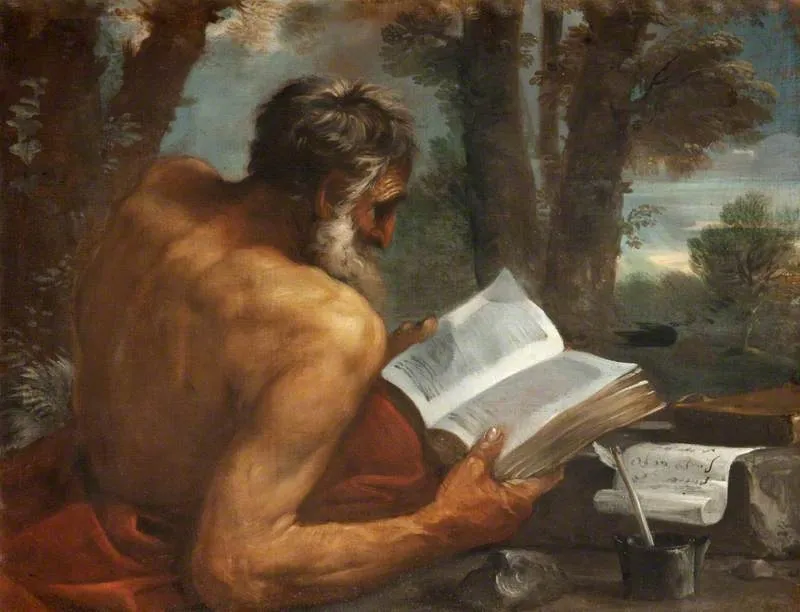
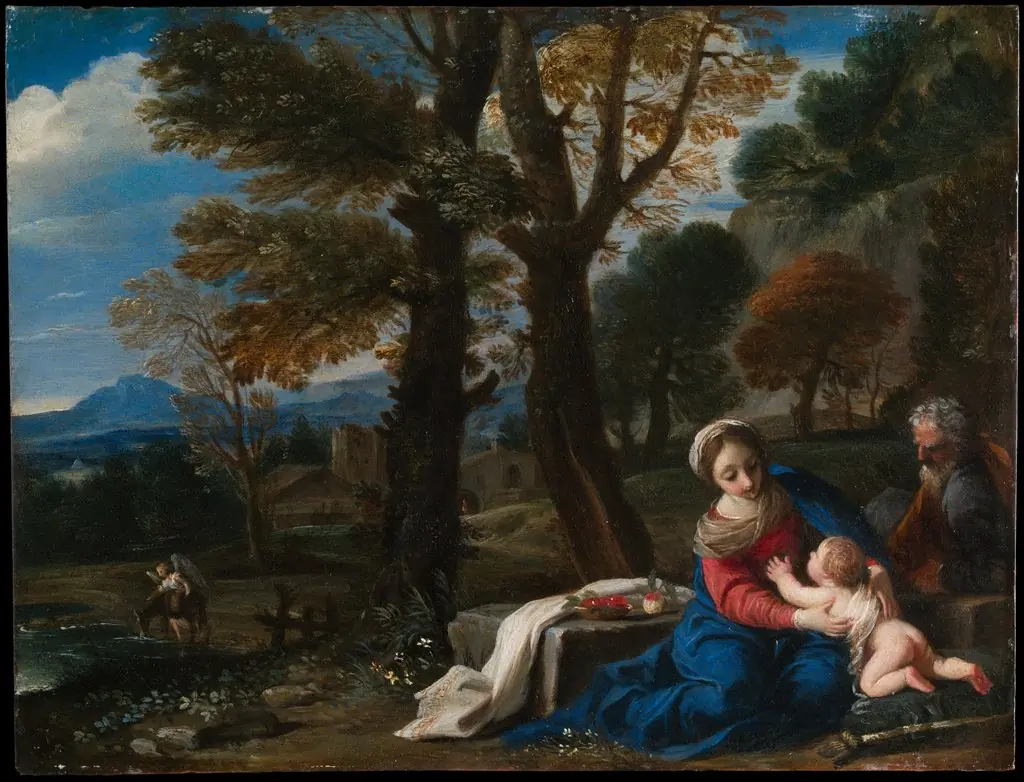
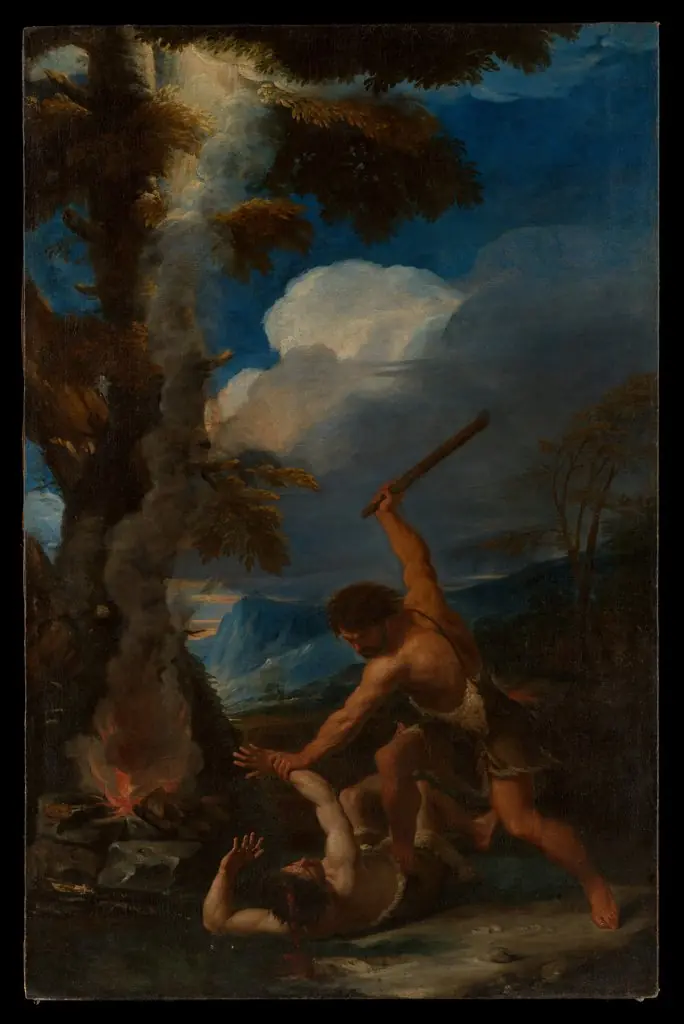
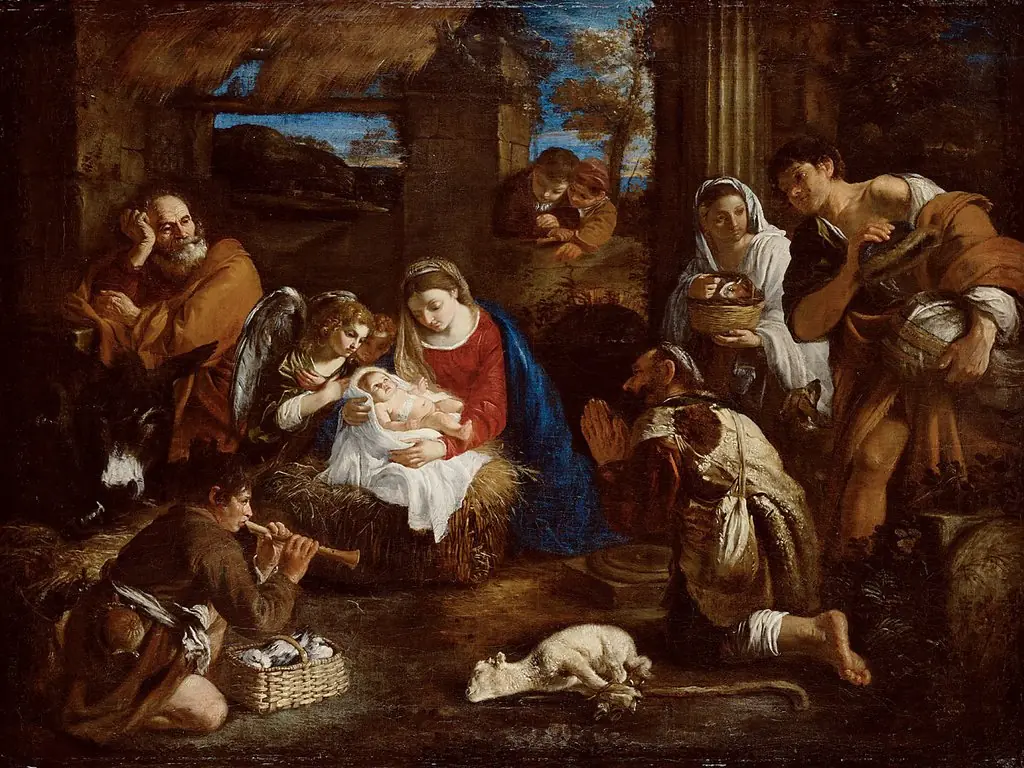
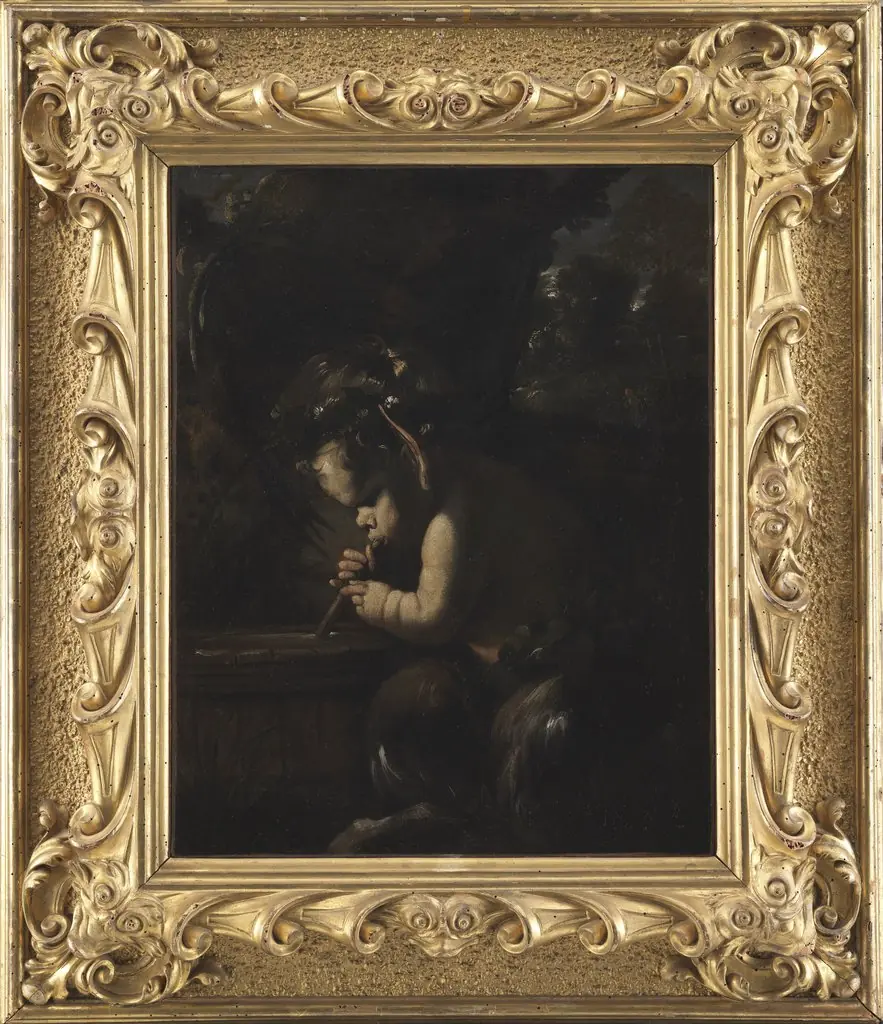
Saint Jerome is an oil painting by the Early Baroque Italian artist Pier Francesco Mola. It dates from 1650 and is held in the collection of the National Galleries Scotland.
About this work
Overview
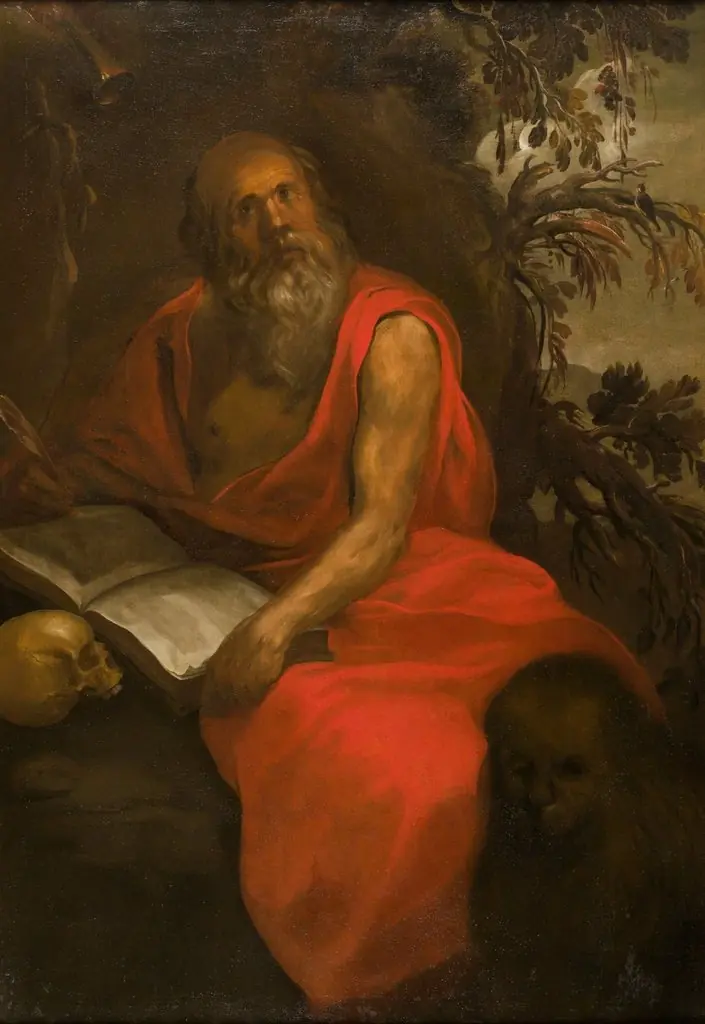
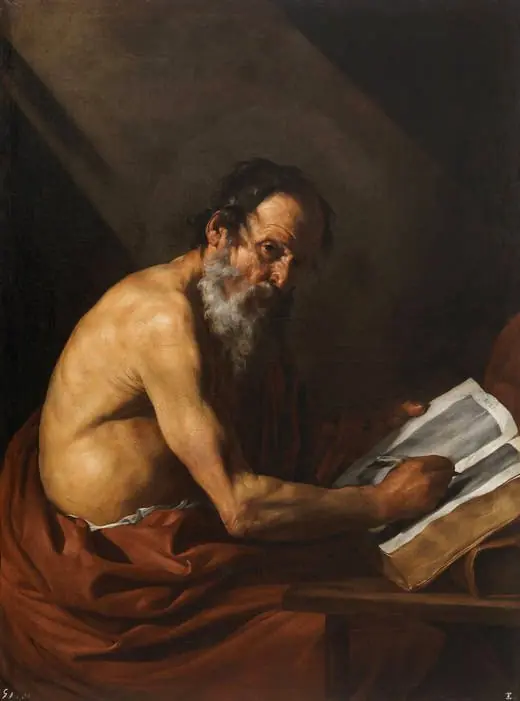
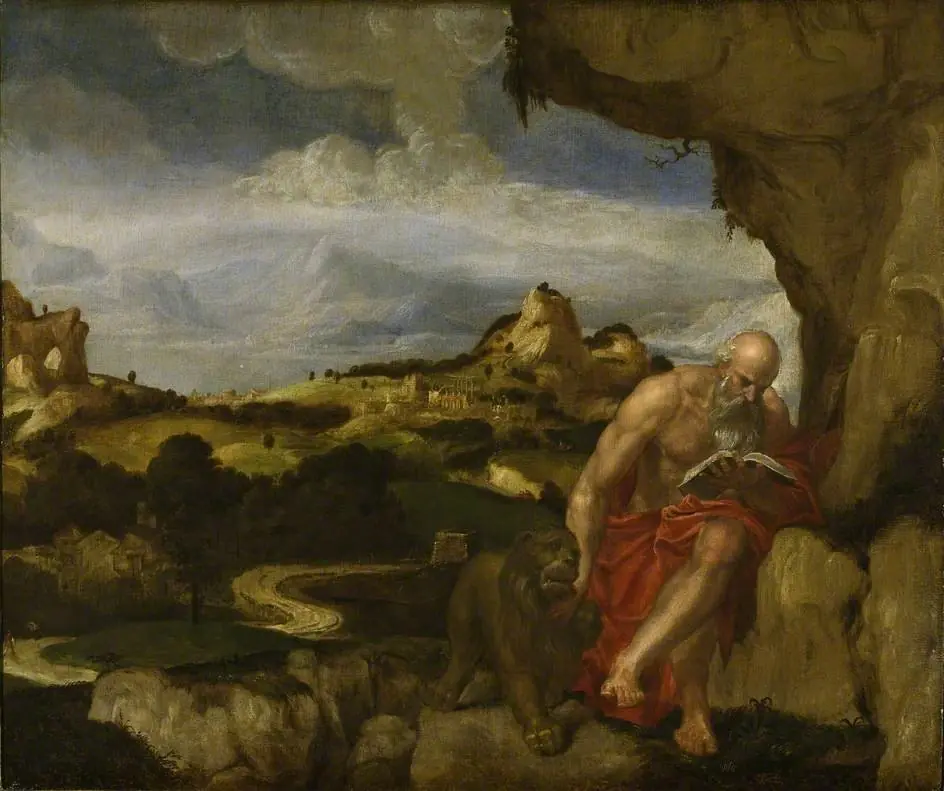
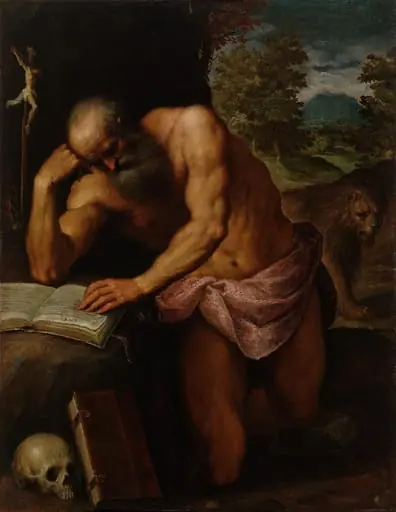
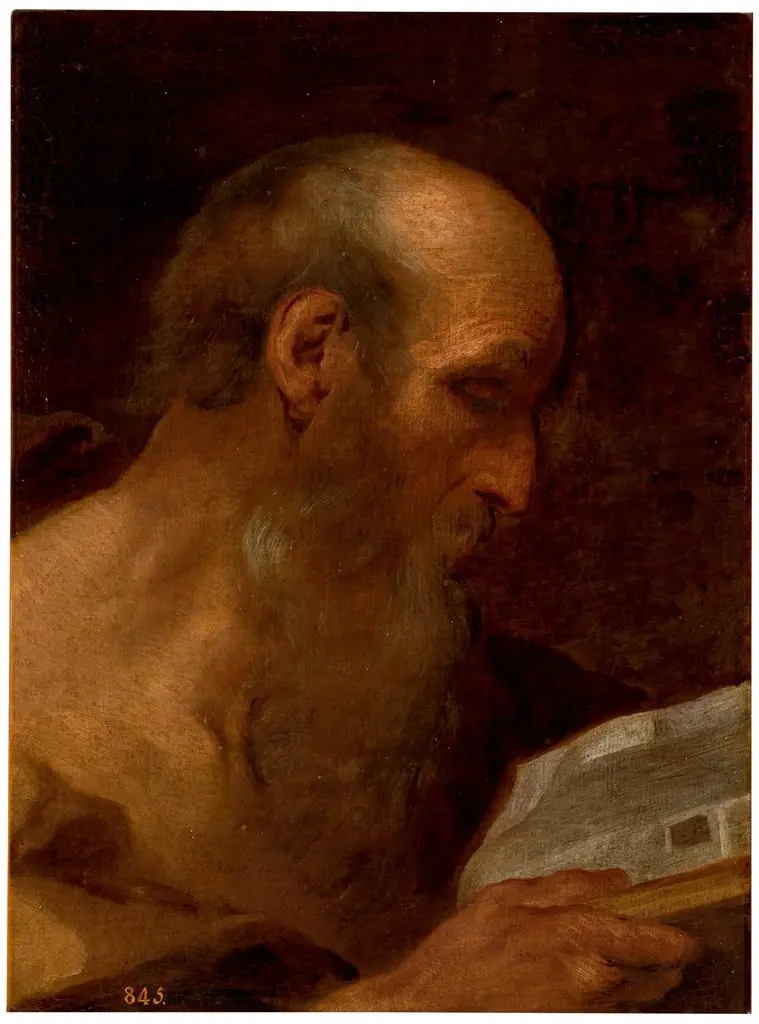
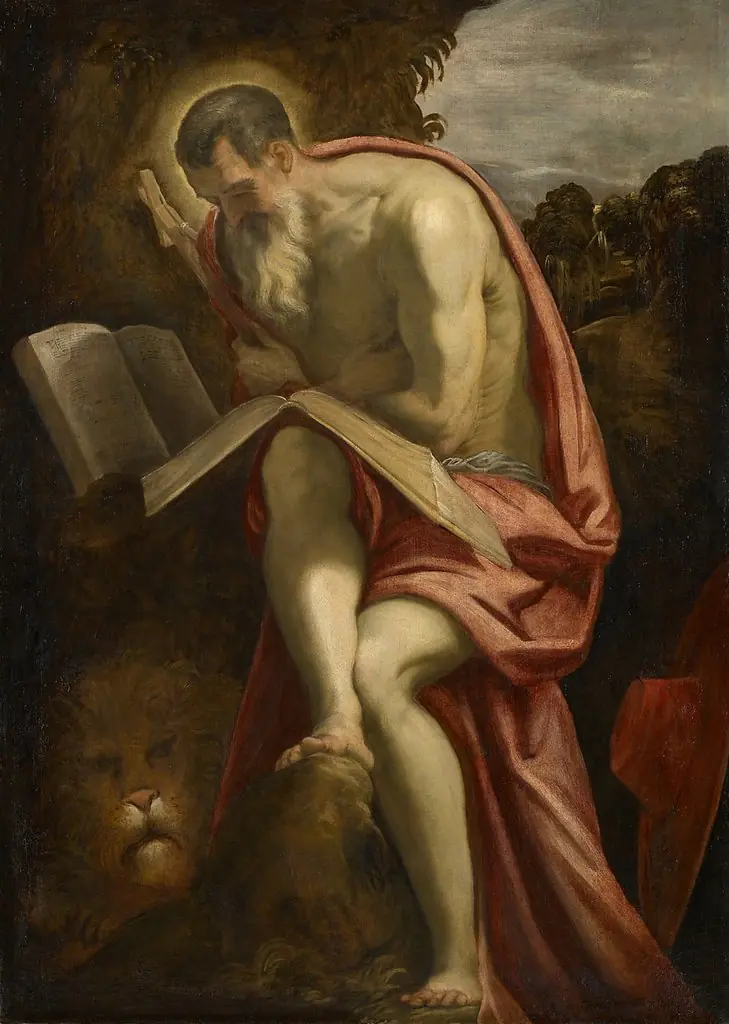
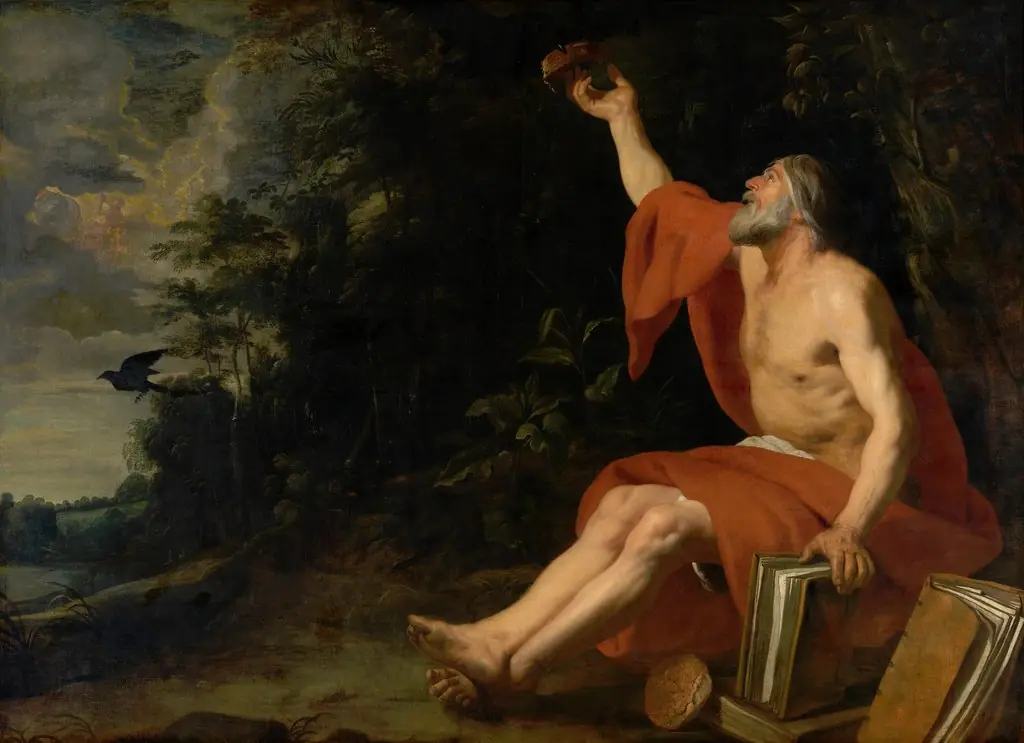
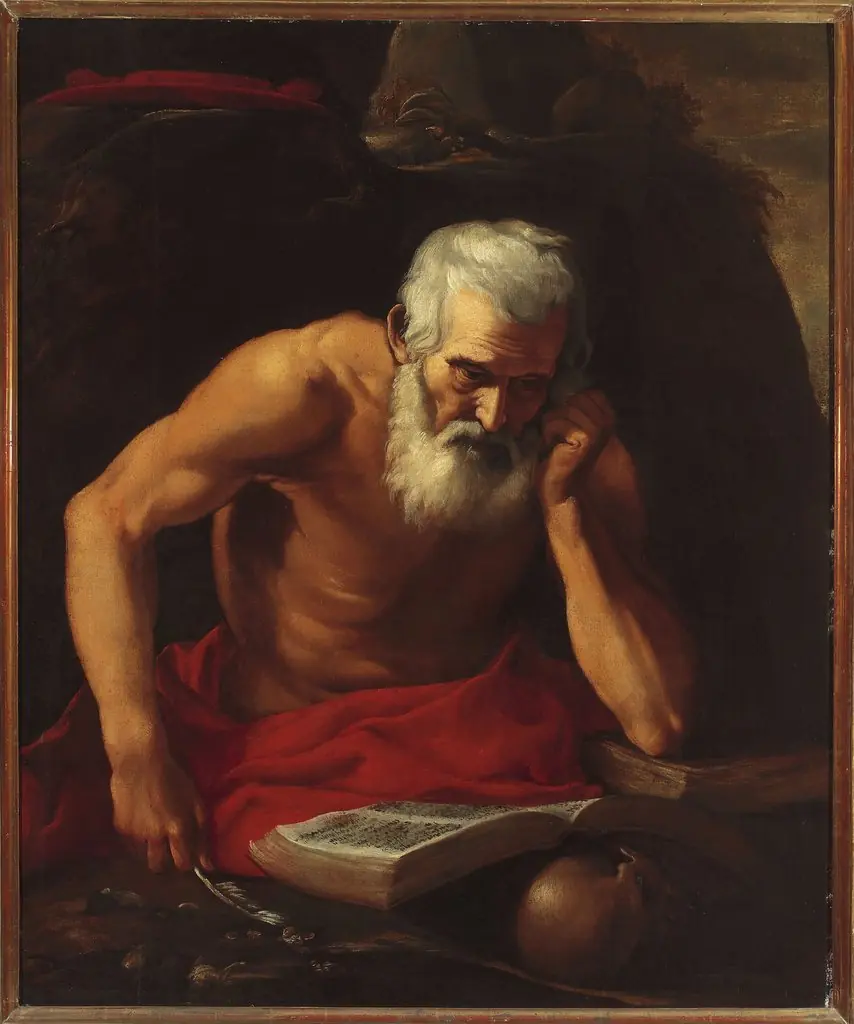
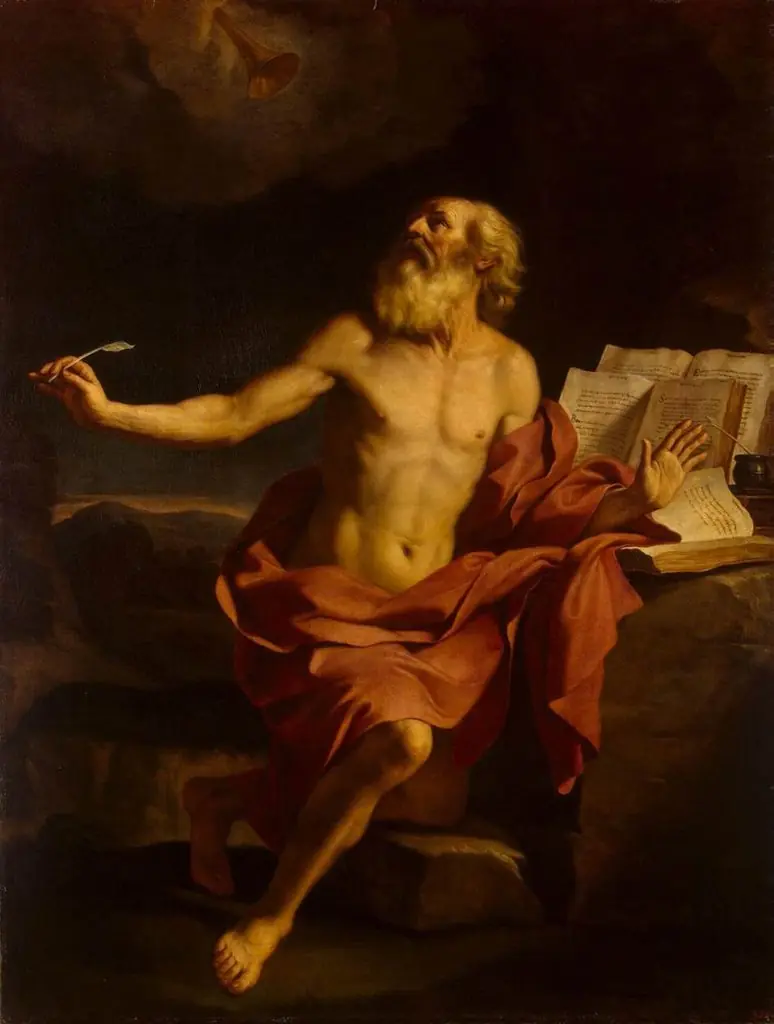
Painted around 1650 by Pier Francesco Mola, this oil on canvas depicts Saint Jerome in a secluded natural setting. The work is part of the collection at the Scottish National Gallery. It captures the saint in a moment of stillness, surrounded by woodland and distant water, emphasizing solitude over grandeur. The composition avoids theatricality, focusing instead on quiet introspection.
Subject & Meaning
The figure is Saint Jerome, the 4th-century scholar and translator of the Bible into Latin.
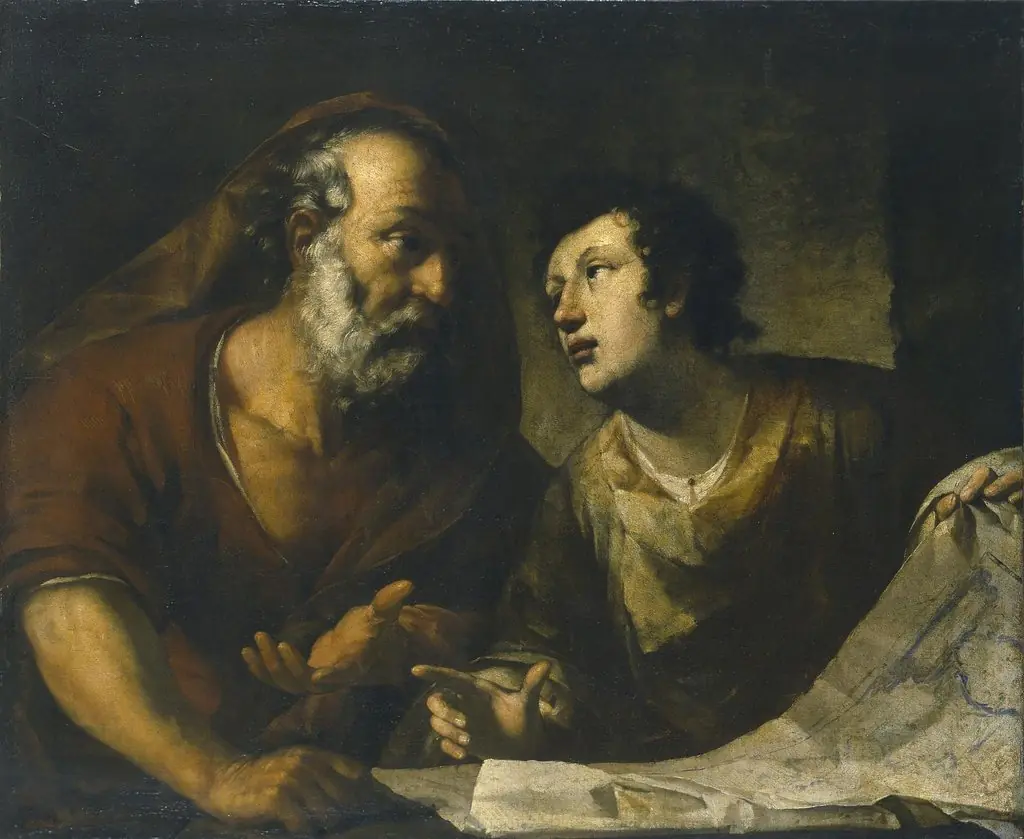
The figure is Saint Jerome, the 4th-century scholar and translator of the Bible into Latin. He is shown engaged in study, holding a book as if absorbed in scripture. His aged appearance—gray beard and hair—signals wisdom and devotion. The setting, removed from any architectural context, underscores his life of ascetic reflection, aligning with traditional portrayals of the saint as a contemplative hermit.
Technique & Style
Mola employs soft, atmospheric brushwork to blend the figure into the landscape. The red robe contrasts subtly with muted greens and browns, drawing attention without disruption. Light falls gently across the saint’s face and hands, enhancing the sense of quiet focus. The painting’s tonal harmony and restrained palette reflect Roman Baroque tendencies, favoring emotional restraint over dramatic intensity.
History & Provenance
The painting entered the Scottish National Gallery’s collection in the 19th century, though its earlier ownership remains undocumented. It was likely acquired during a period of increased interest in Italian Baroque works by British collectors. No records indicate commission or patronage, suggesting it may have been a personal or studio piece rather than a formal commission.
Context
In mid-17th century Rome, depictions of Saint Jerome were common among artists influenced by Caravaggio and the Carracci. Mola, trained in this environment, adapted the tradition with a lyrical sensitivity. Unlike more monumental versions, his approach favors intimacy, reflecting a broader shift toward personal piety in Counter-Reformation art, where quiet devotion was valued over public spectacle.
Legacy
While not widely exhibited outside Scotland, the painting remains a quiet example of Roman Baroque devotional art. It illustrates how artists of the period moved beyond grand narratives to explore inner spiritual states. Mola’s treatment of Jerome influenced later depictions emphasizing solitude and intellectual reverence, contributing to a more humanized vision of sacred figures.
Artist & collection

Artist
Pier Francesco Mola, called Il Ticinese was an Italian painter of the High Baroque, mainly active around Rome.