Artwork
Portrait of Marie Adélaïde of Savoy, Duchess of Burgundy
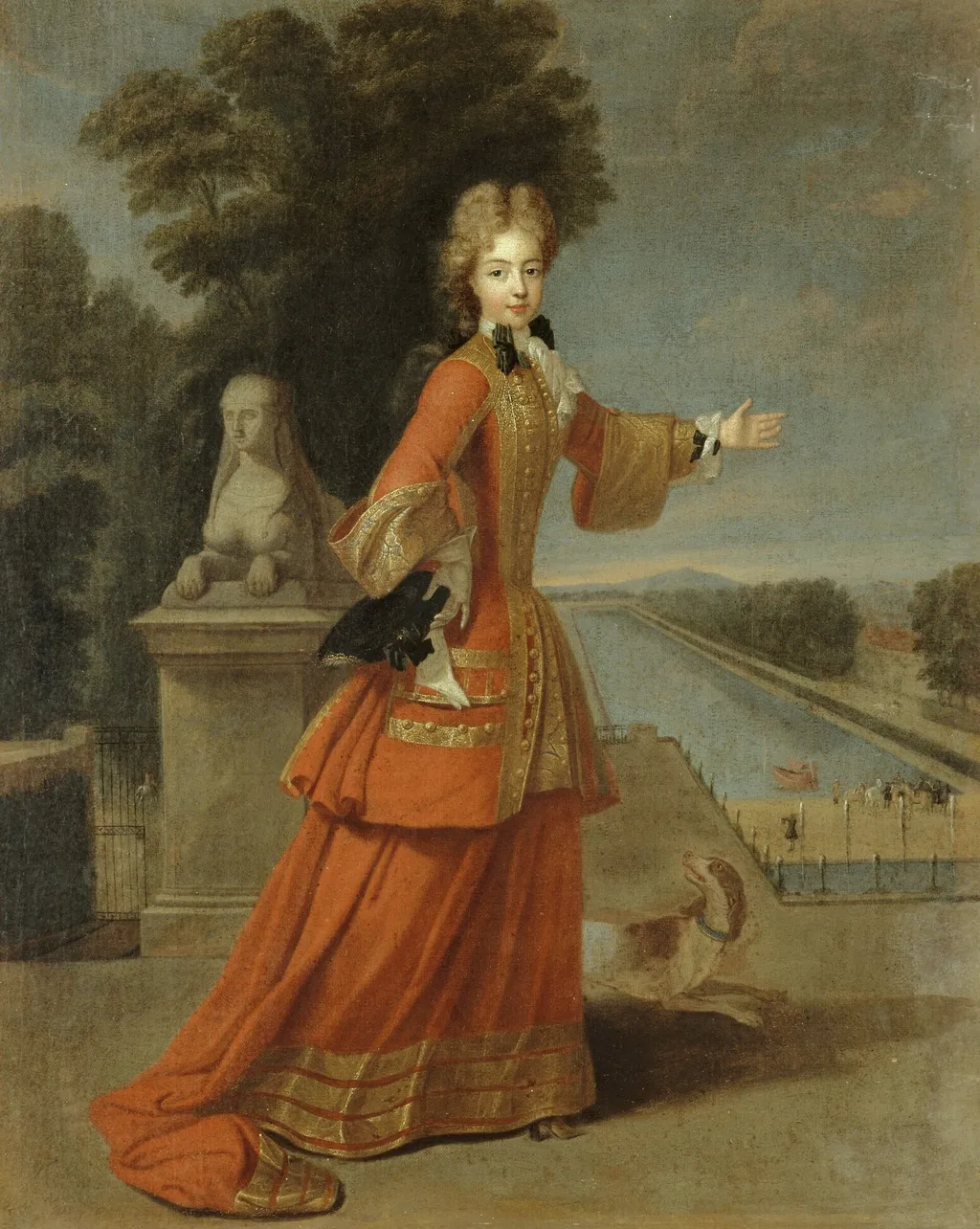
Portrait of Marie Adélaïde of Savoy, Duchess of Burgundy is an oil painting by the Rococo painting artist Pierre Gobert. It dates from 1727 and is held in the collection of the Palace of Versailles.
About this work
Overview
Painted in 1727 by Pierre Gobert, this oil portrait captures Marie Adélaïde of Savoy, Duchess of Burgundy, in a formal yet relaxed pose. The work is part of the royal collection at the Palace of Versailles, reflecting her status within the French court. Gobert, known for his refined depictions of aristocracy, rendered her with subtle elegance, emphasizing her position without overt grandeur.
Subject & Meaning
Marie Adélaïde, granddaughter of the Duke of Savoy and wife of the Duke of Burgundy, is portrayed not as a monarch but as a noblewoman in private repose.
Marie Adélaïde, granddaughter of the Duke of Savoy and wife of the Duke of Burgundy, is portrayed not as a monarch but as a noblewoman in private repose. Her extended arm and diverted gaze suggest contemplation or response to an unseen presence, evoking quiet dignity. The dog at her feet and the classical statue behind her imply loyalty and cultural refinement, reinforcing her role as a symbol of dynastic continuity.
Technique & Style
Gobert employed soft brushwork and muted lighting to convey texture and depth without theatricality. The red dress with gold embroidery is rendered with precision, its folds suggesting movement, while the background remains deliberately hazy to focus attention on the figure. The cloudy sky and natural setting avoid the stiffness of court portraiture, favoring a serene, intimate atmosphere characteristic of early 18th-century French aristocratic portraiture.
History & Provenance
Commissioned during Marie Adélaïde’s brief tenure as Duchess of Burgundy, the painting was likely intended for display in royal residences. After her death in 1712, it remained within the French royal collection and was later transferred to the Palace of Versailles, where it has been preserved as part of the institutional heritage of the Bourbon court.
Context
Created during the twilight of Louis XIV’s reign, the portrait reflects a shift from rigid absolutist imagery toward more personal, naturalistic representations of royalty. Marie Adélaïde’s youth and early death made her a figure of poignant memory; her depiction here avoids martyrdom, instead presenting her as a poised, contemporary noblewoman within a cultivated landscape.
Legacy
Pierre Gobert’s portrait of Marie Adélaïde stands as a representative example of French aristocratic portraiture in the early 1700s. It influenced later court painters by balancing formality with psychological nuance. Though not widely exhibited outside Versailles, it remains a key reference for understanding how royal women were visually framed in the decades before the French Revolution.
Own this work as a print
Artist & collection

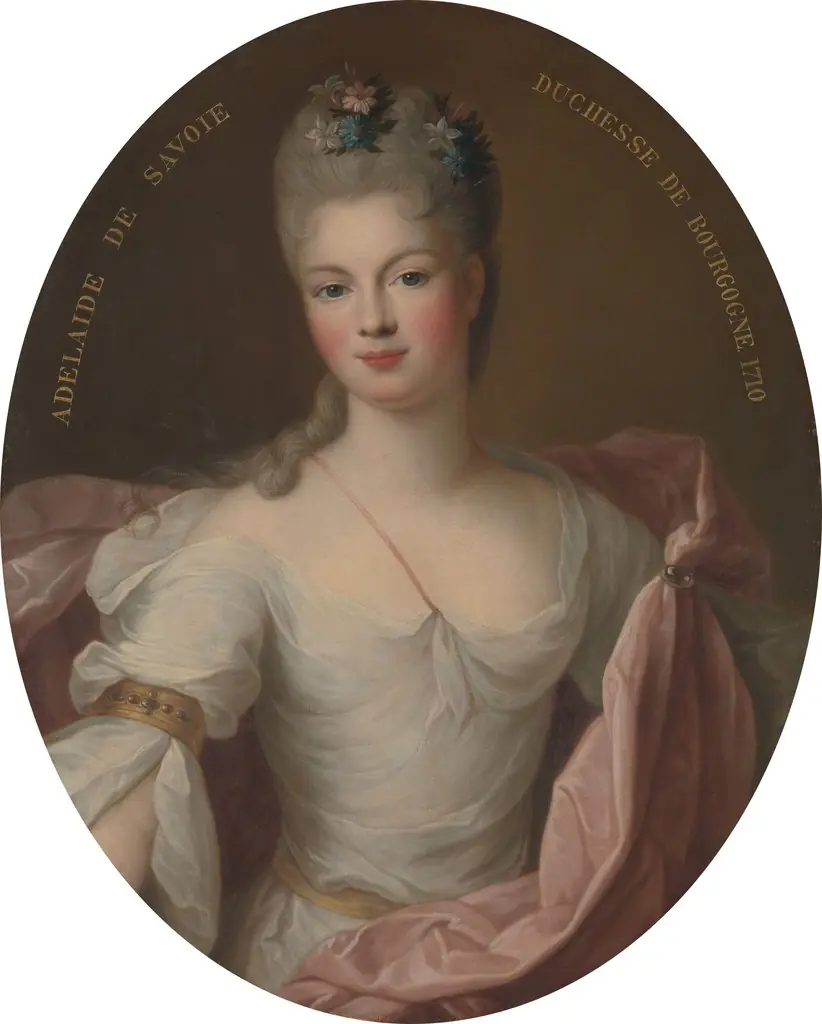 Marie Adélaïde de Savoie (1685–1712), Duchesse de Bourgogne
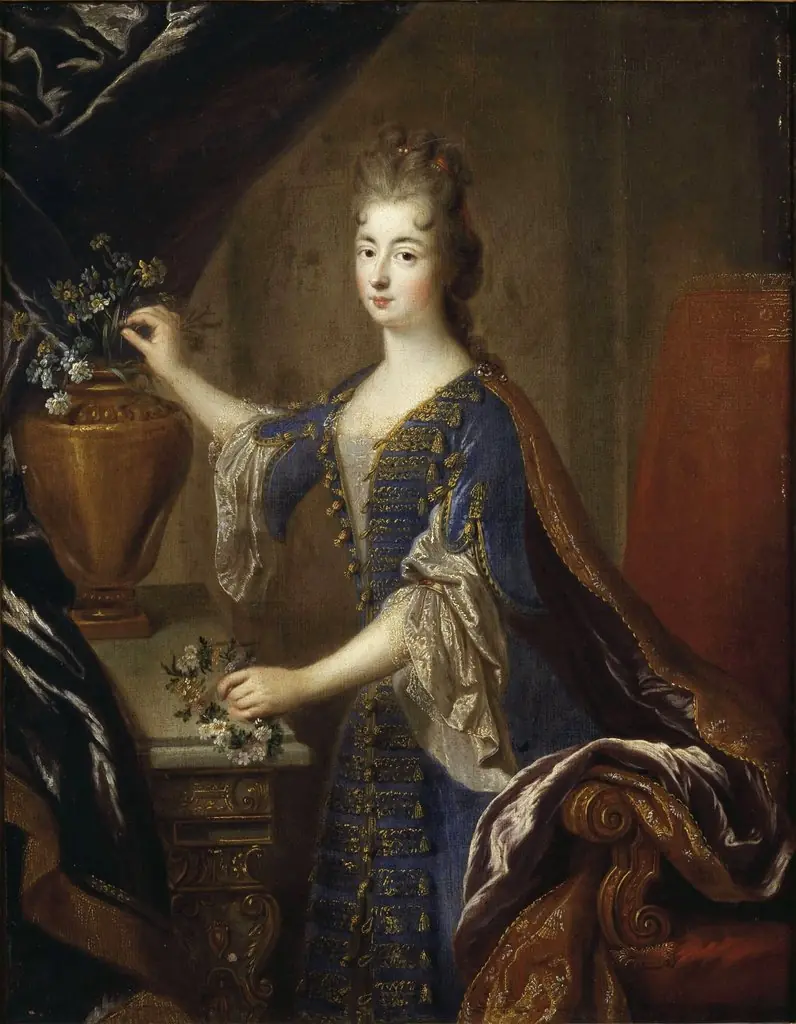 Marie-Anne de Bourbon, Princess of Conti (1666-1739)
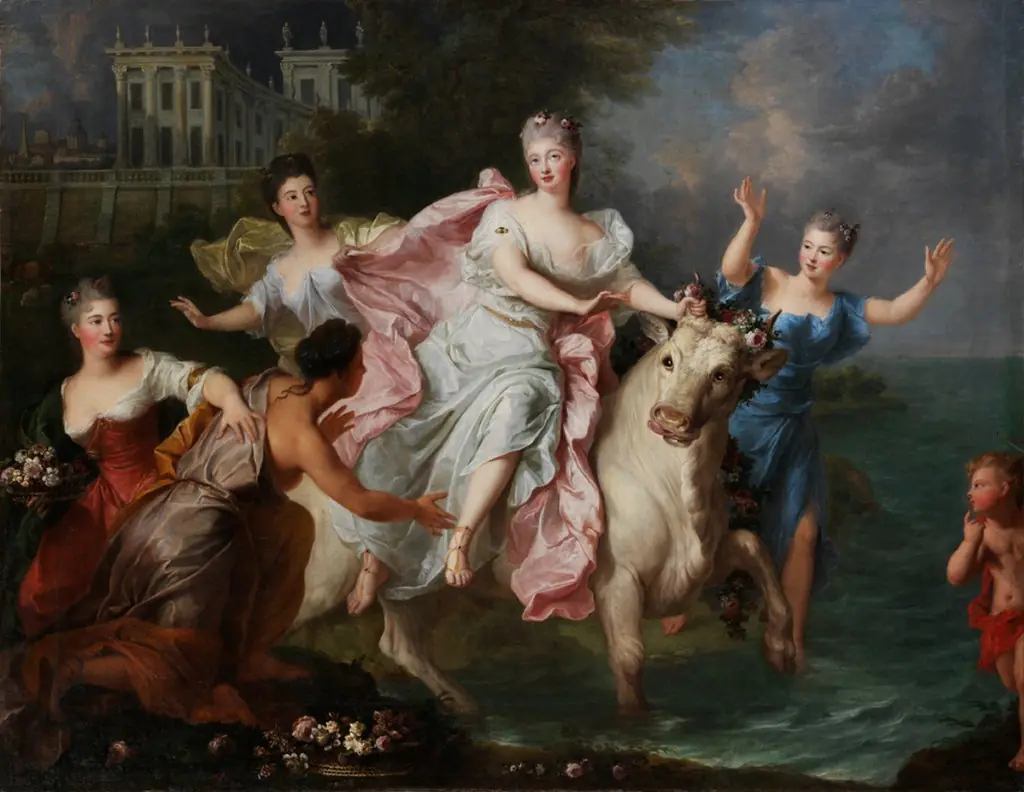 The Rape of Europa
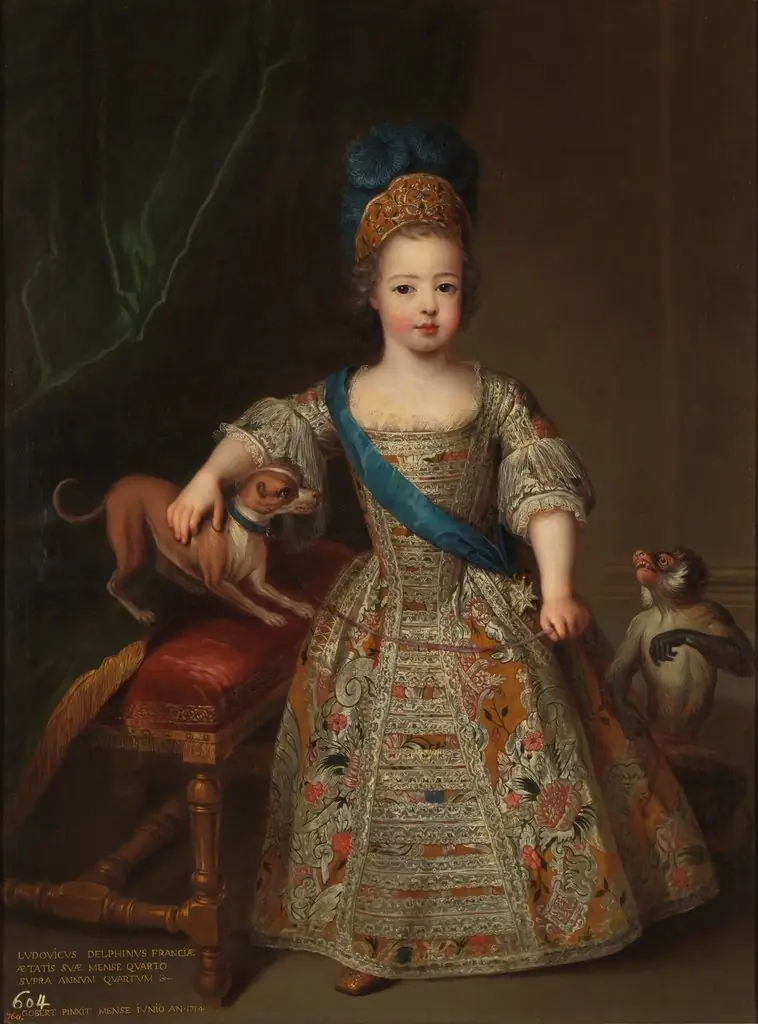 The Young Louis XV
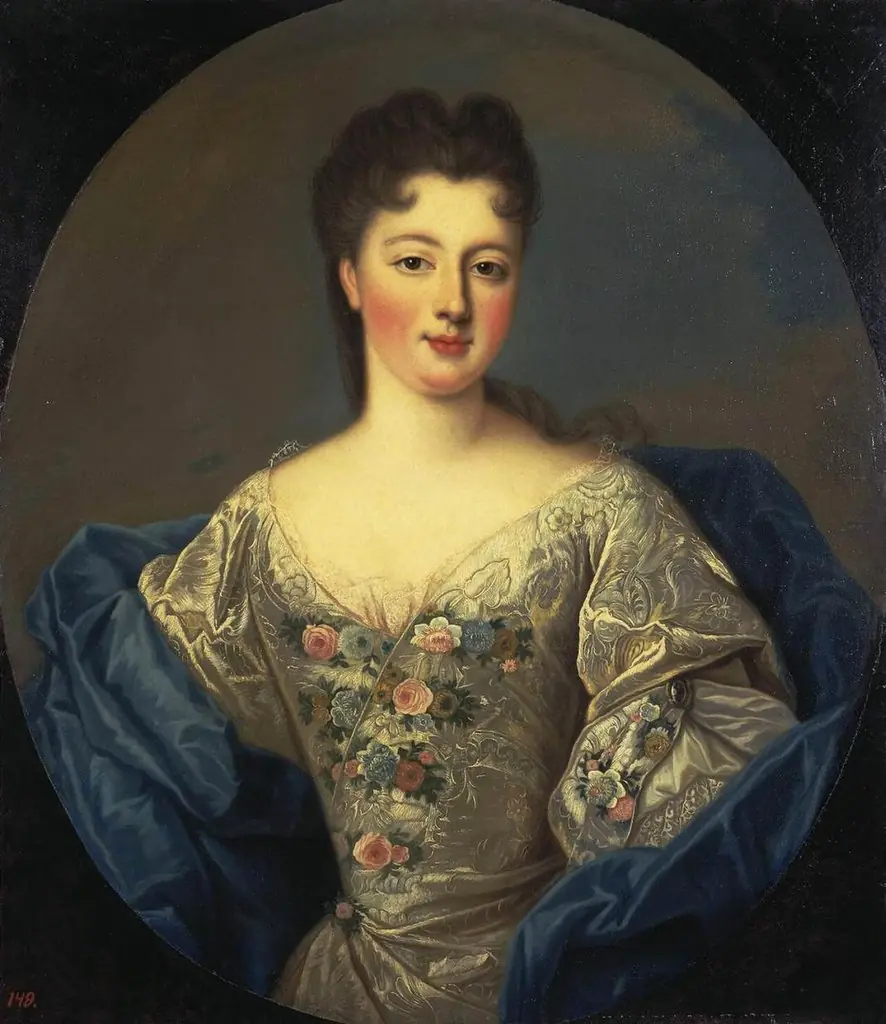 Portrait of Luiza Adelaida of Orleans
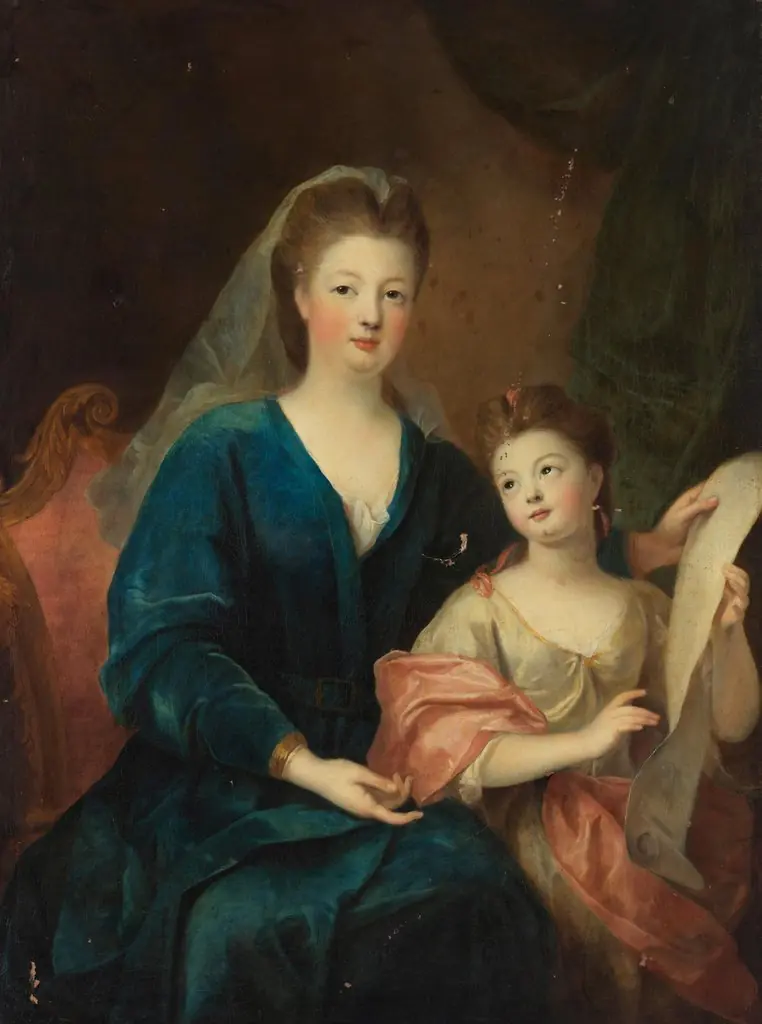 The Duchess of Bourbon and her daughter
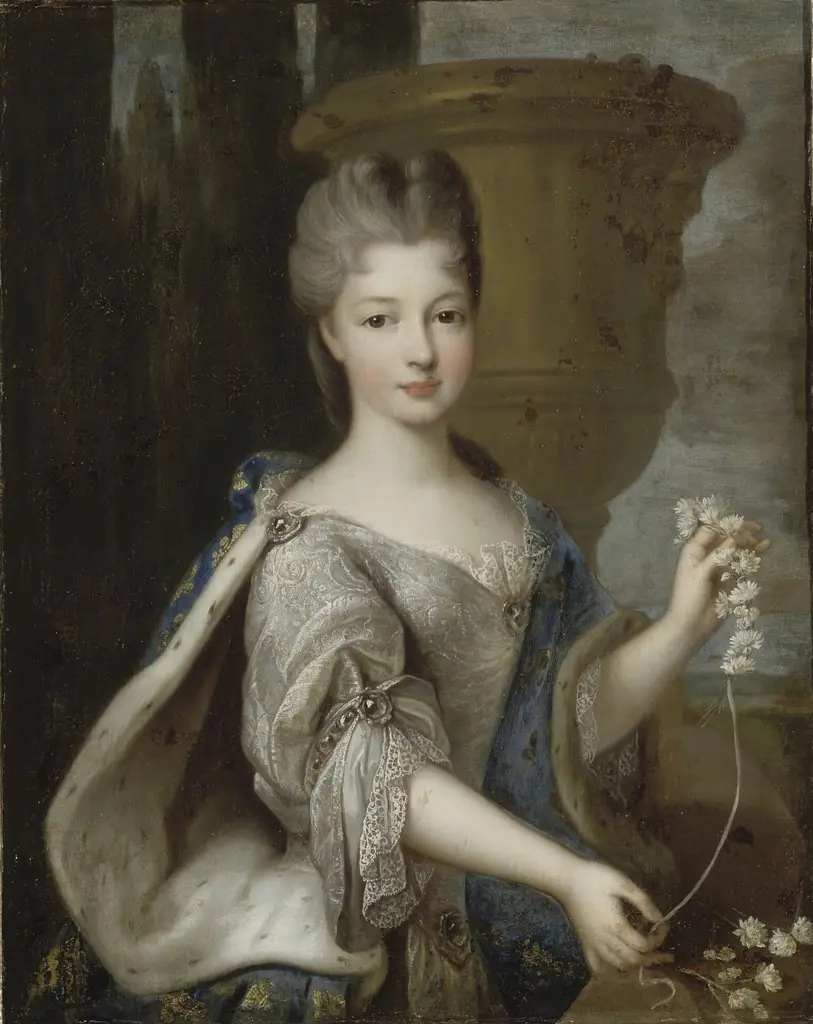 Louise-Elisabeth de Bourbon-Condé, Princess of Conti (1699-1775)
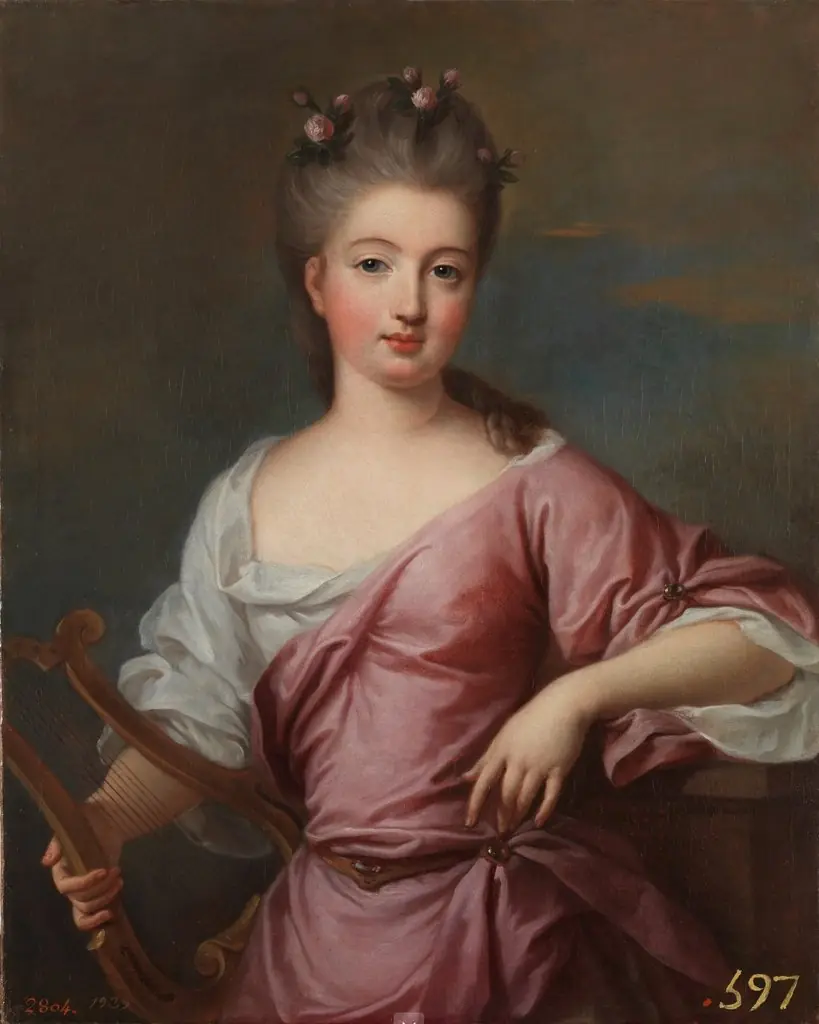 Portrait of Mlle de Berry
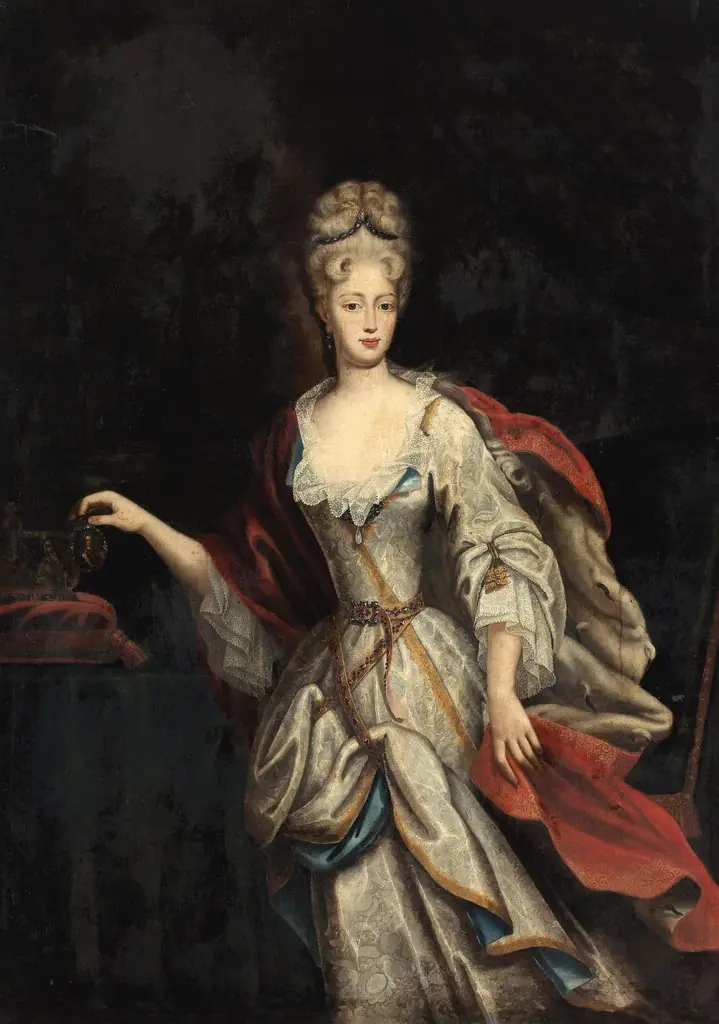 Bildnis einer Fürstin
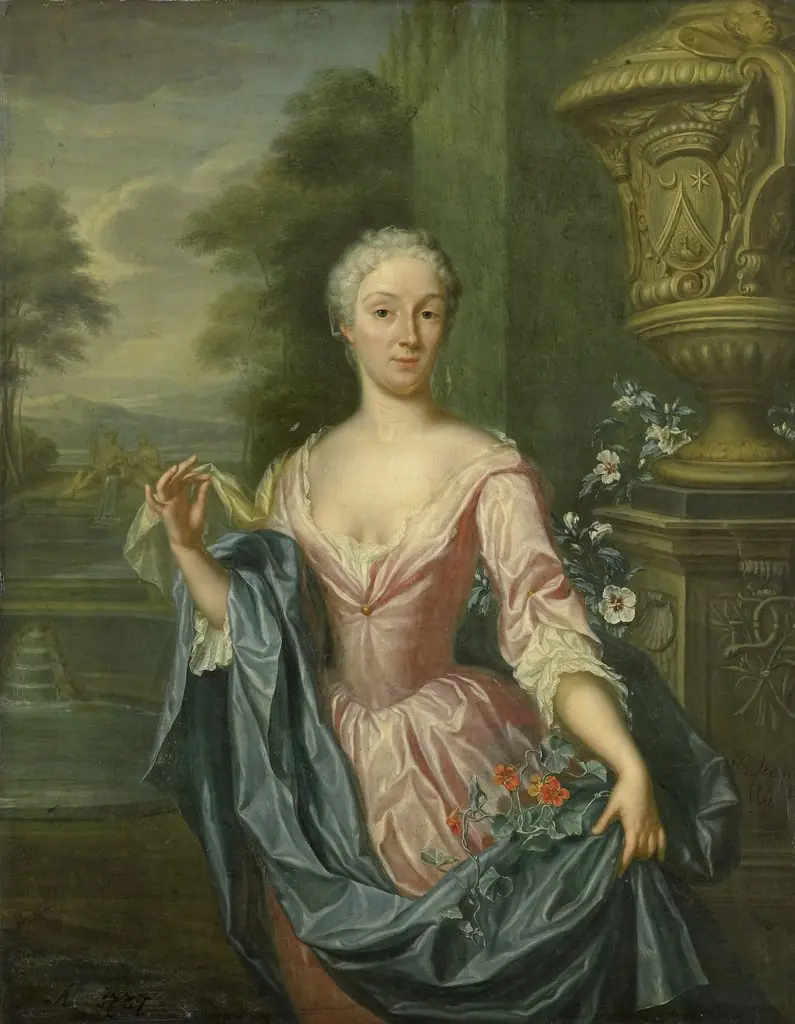 Portrait of Claudine van Royen (born 1712), Wife of Pieter Teding van Berkhout
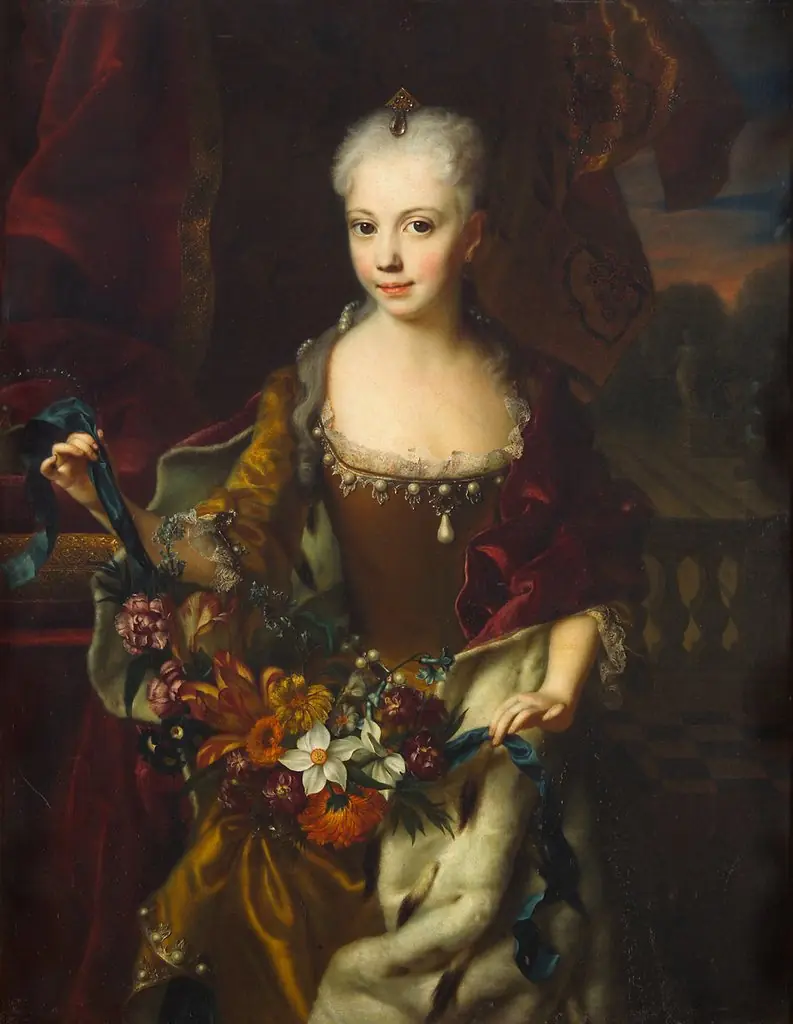 Erzherzogin Maria Anna (1718-1744), Tochter von Karl VI. im Alter von neun Jahren, Kniestück
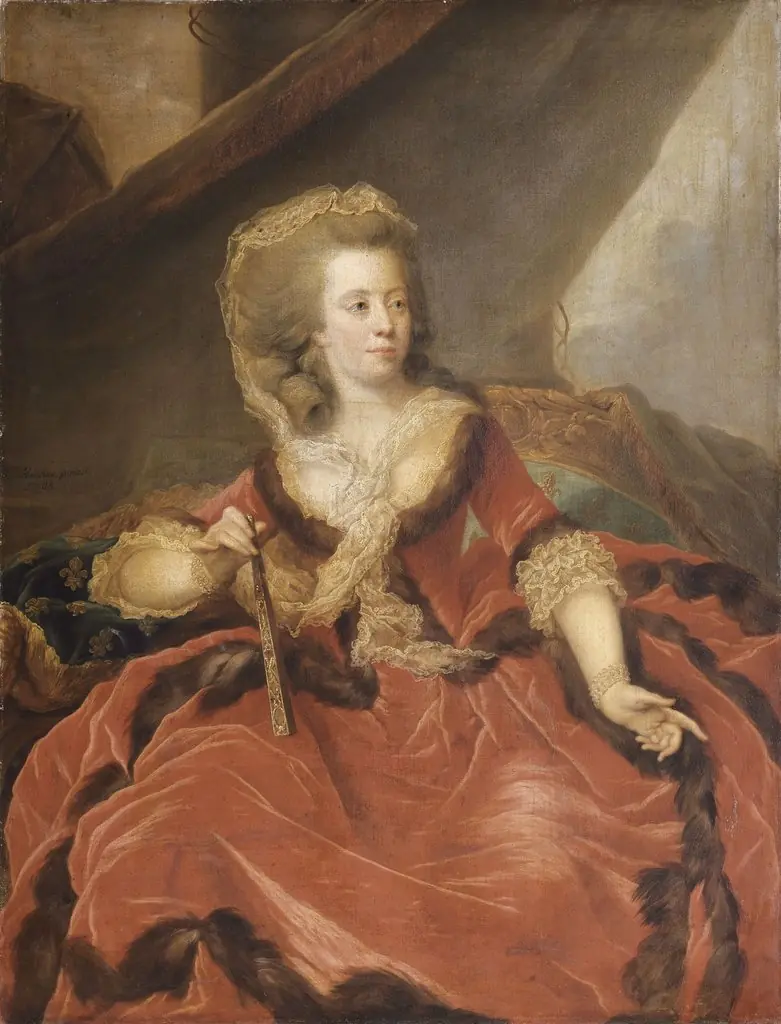 Portrait de Marie-Adélaïde de France
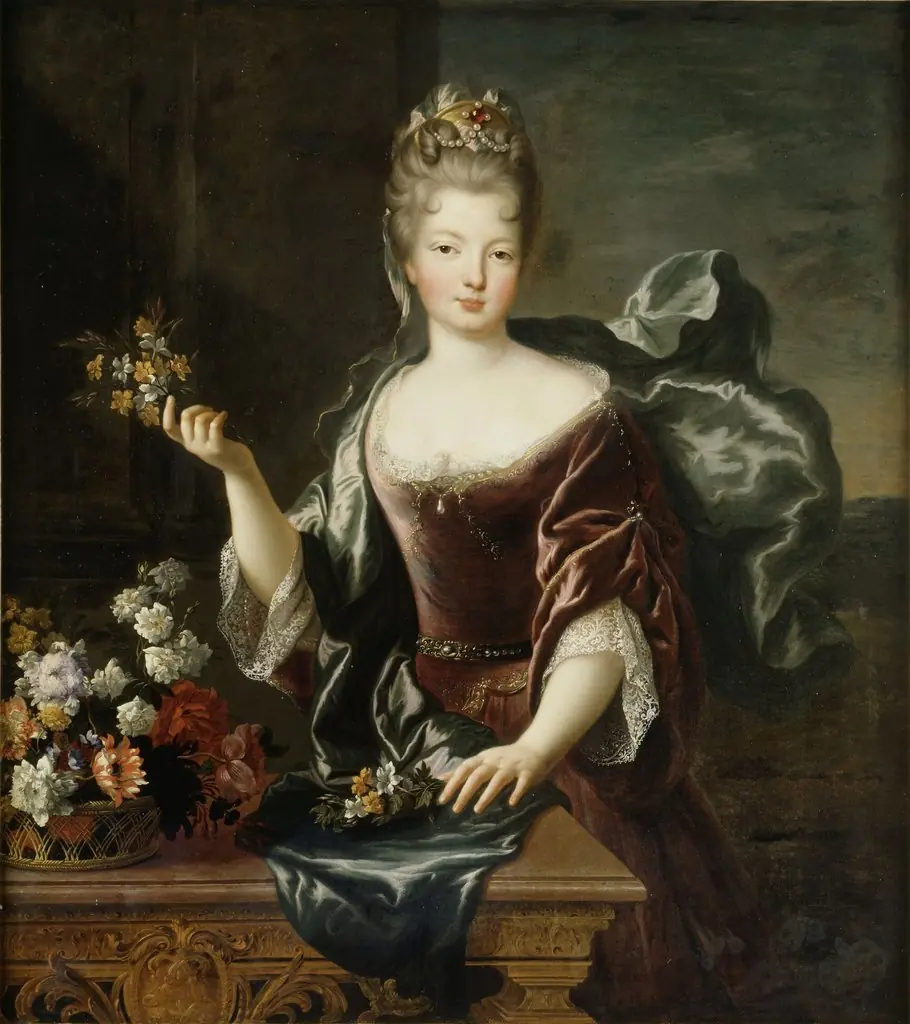 Françoise-Marie de Bourbon, Mademoiselle de Blois, Duchess of Orleans
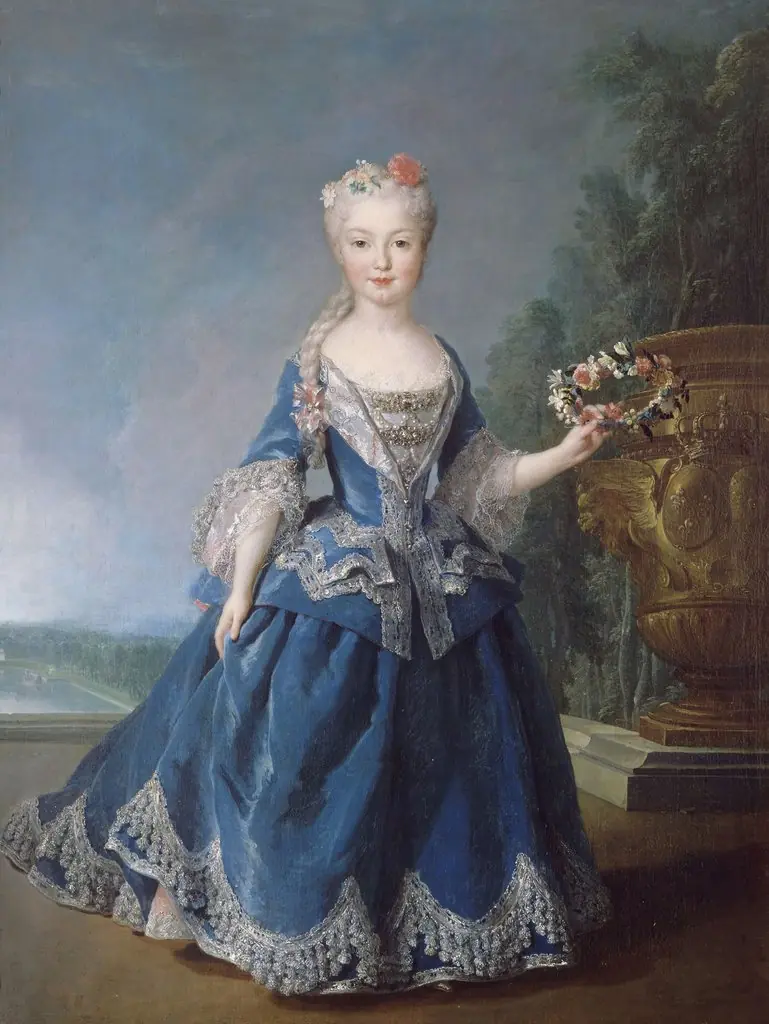 Portrait of Mariana Victoria of Spain (1718-1781)
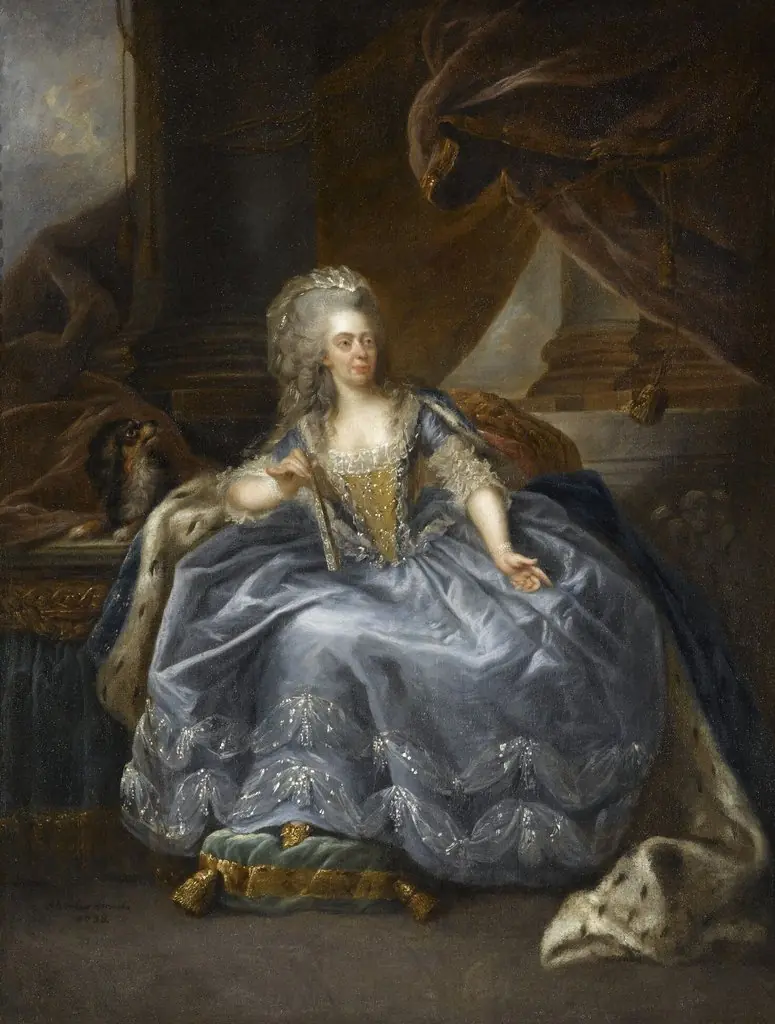 Marie-Adélaïde de France (1732-1800), fille de Louis XV, dite Madame Adélaïde
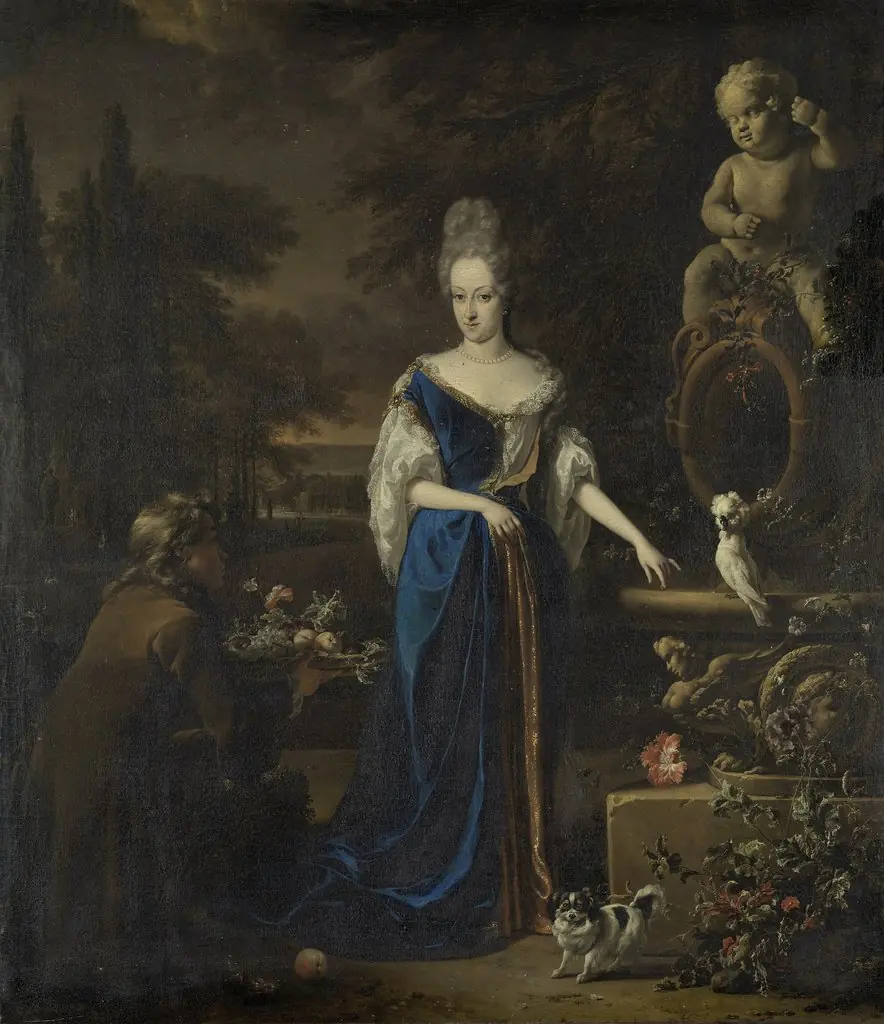 Portrait of Maria Cornelisz, wife of Silvester van Tongeren
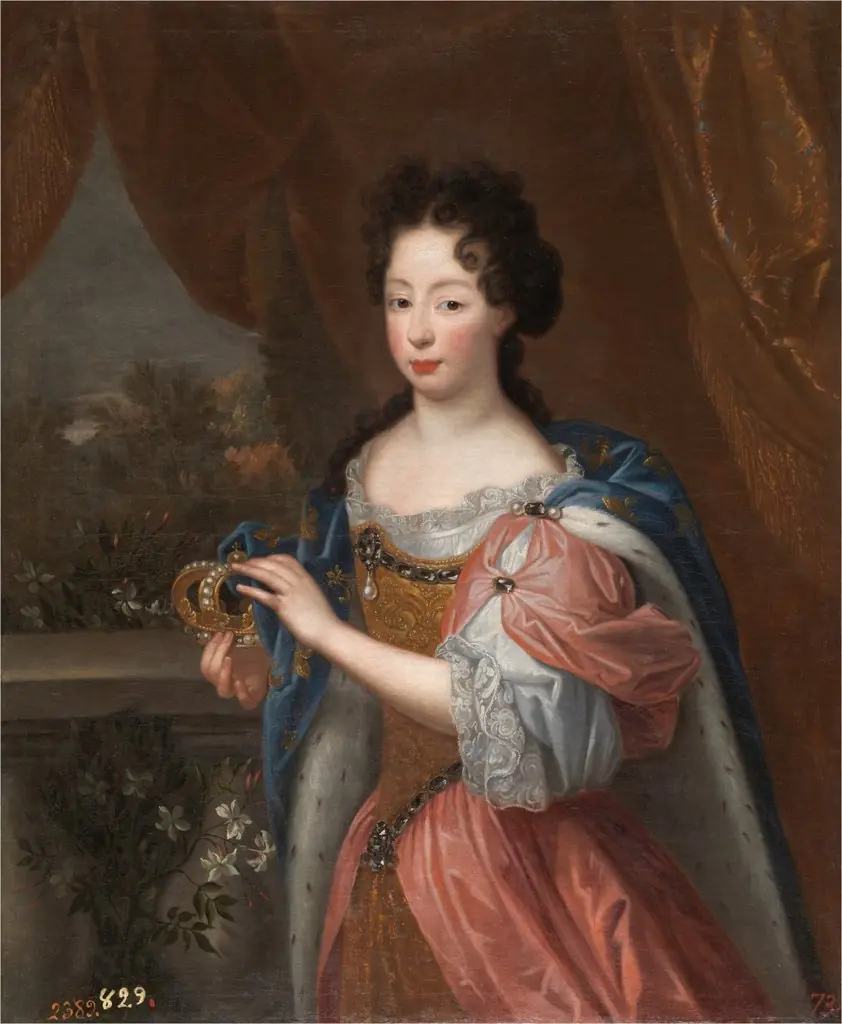 Anne Marie d'Orléans
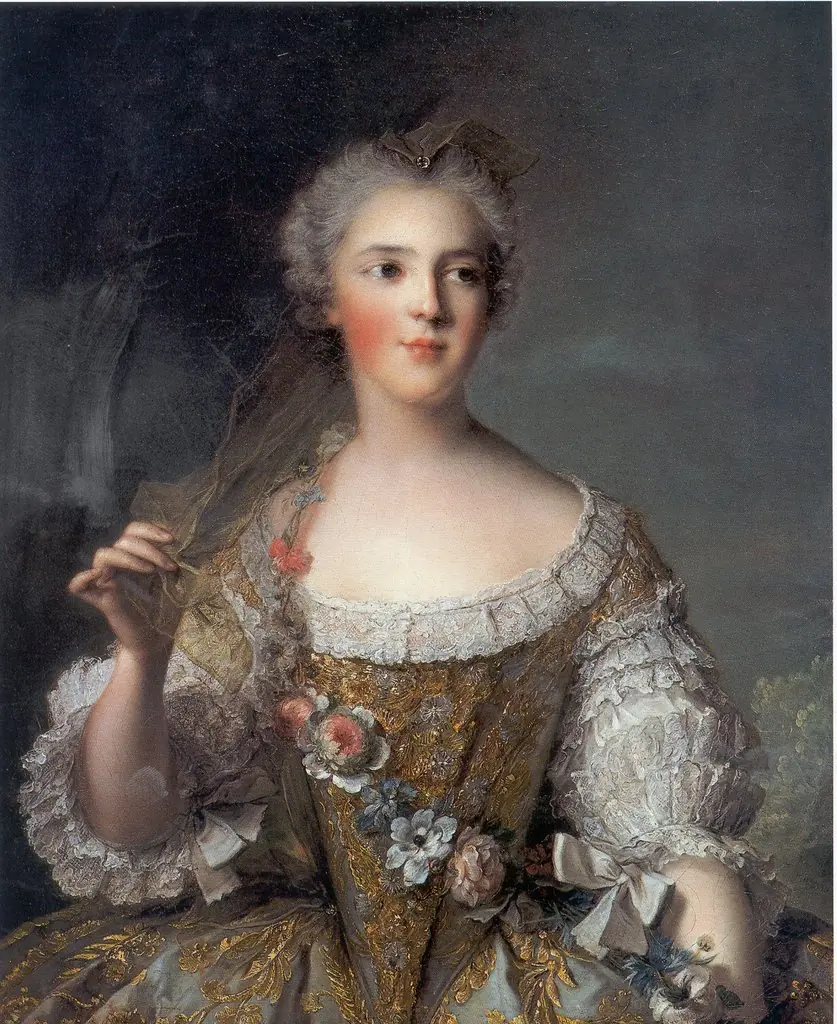 Madame Sophie of France
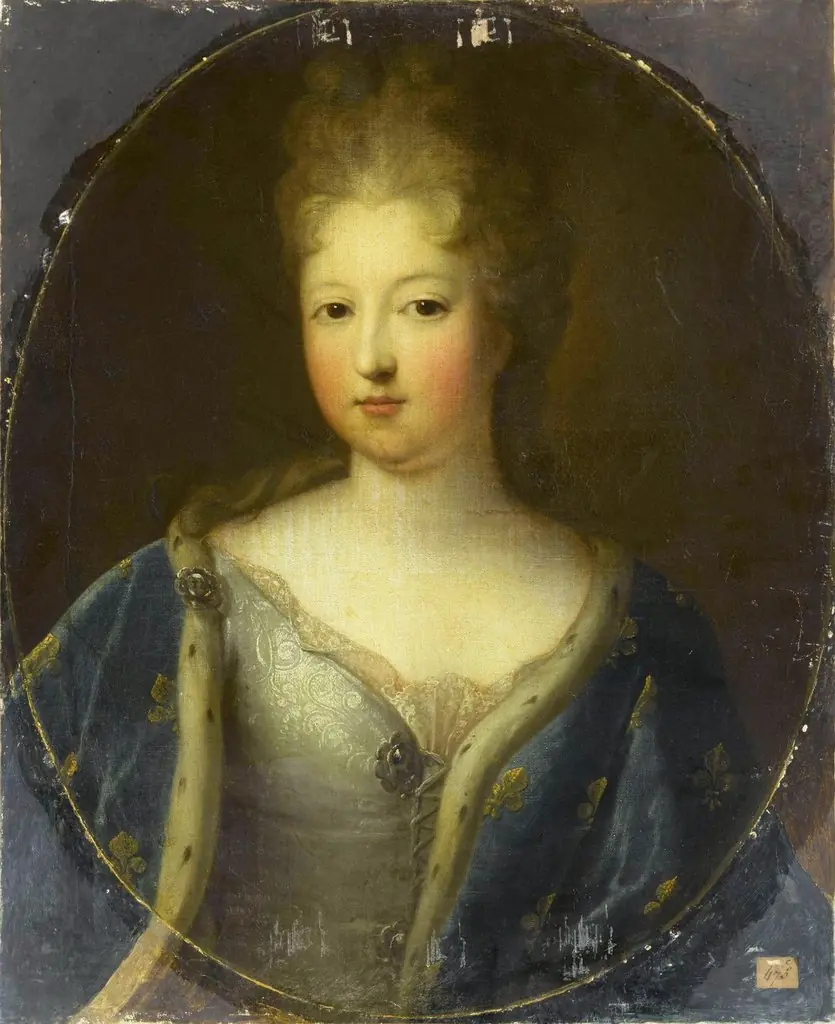 Portrait of Françoise-Marie de Bourbon