Artwork
The finding of Moses
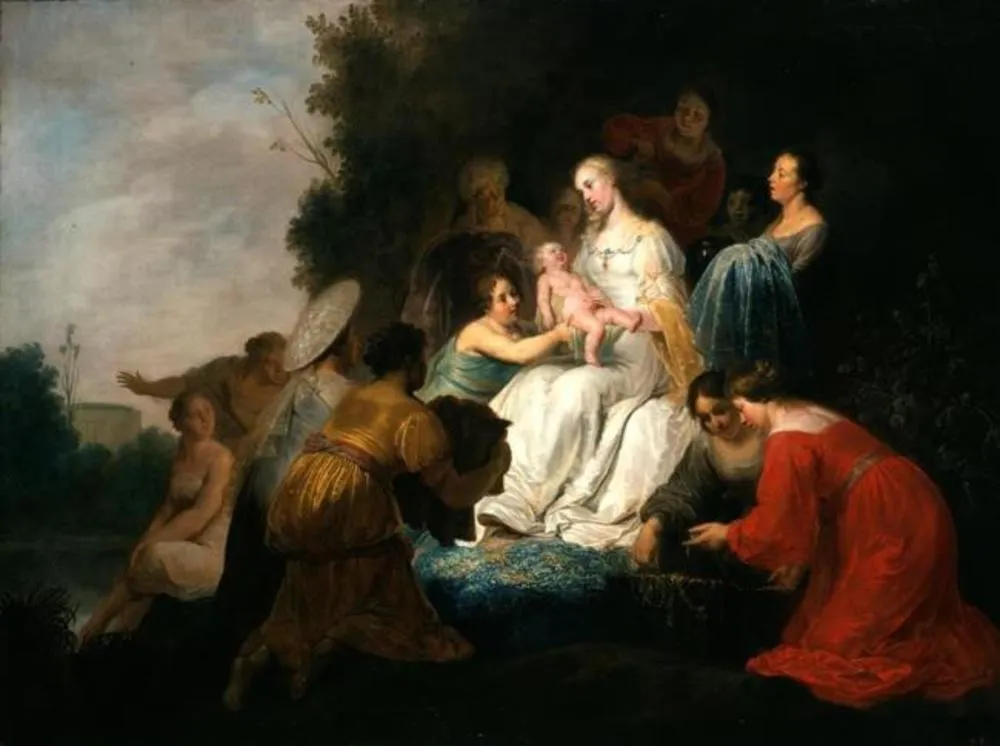
The finding of Moses is an oil painting by the Dutch Golden Age artist Pieter de Grebber. It dates from 1634 and is held in the collection of the Staatliche Kunstsammlungen Dresden.
About this work
Overview
The composition emphasizes quiet reverence rather than dramatic action, aligning with the Dutch Golden Age’s preference for restrained narrative.
Painted in 1634 by Pieter de Grebber, this oil on canvas depicts a moment from the biblical story of Moses’ infancy. The work resides in the Gemäldegalerie Alte Meister in Dresden. It captures the moment when Pharaoh’s daughter discovers the infant Moses in a basket among the reeds, surrounded by attendants. The composition emphasizes quiet reverence rather than dramatic action, aligning with the Dutch Golden Age’s preference for restrained narrative.
Subject & Meaning
The scene illustrates the biblical episode in which Moses, placed in a basket to escape Pharaoh’s decree, is found by the Egyptian princess. The central focus is the infant, cradled in the princess’s lap, while attendants observe in hushed anticipation. The white garment of the princess symbolizes purity and divine favor, distinguishing her as the chosen vessel of providence. The moment conveys compassion and destiny, key themes in religious storytelling of the period.
Technique & Style
De Grebber employs soft modeling and muted tones to create a serene atmosphere, with the princess’s white dress acting as a luminous focal point against earthy backgrounds. The figures are arranged in a gentle arc, directing attention to the child. Brushwork is precise yet unobtrusive, avoiding theatricality. The use of light and subtle color contrasts reflects Flemish influences, while the calm composition reveals the artist’s alignment with Haarlem’s devotional painting traditions.
History & Provenance
Commissioned during the height of the Dutch Republic’s religious art production, the painting entered the collection of the Gemäldegalerie Alte Meister in the 19th century. Its provenance traces back to private Dutch collections, likely acquired by patrons sympathetic to biblical narratives. No significant alterations or restorations are documented, preserving its original tonal balance and compositional integrity.
Context
Created during a period when Protestant Dutch artists avoided overt Catholic iconography, de Grebber’s work reflects a quiet, domestic interpretation of biblical stories. The emphasis on maternal tenderness and quiet observation aligns with contemporary tastes for intimate, morally resonant scenes. This approach allowed religious subjects to remain acceptable in a Calvinist cultural climate, prioritizing emotional truth over spectacle.
Legacy
Though not widely known outside specialist circles, the painting exemplifies how Dutch artists adapted biblical themes to suit local sensibilities. De Grebber’s restrained treatment influenced later generations in Haarlem and beyond, contributing to a broader trend of psychological depth in religious painting. The work remains a quiet testament to the period’s capacity for spiritual nuance within domesticated imagery.
Artist & collection


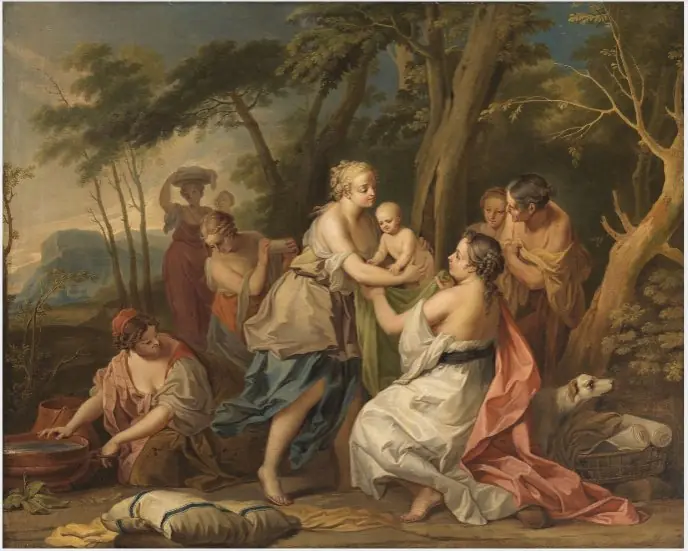 The Birth of Adonis
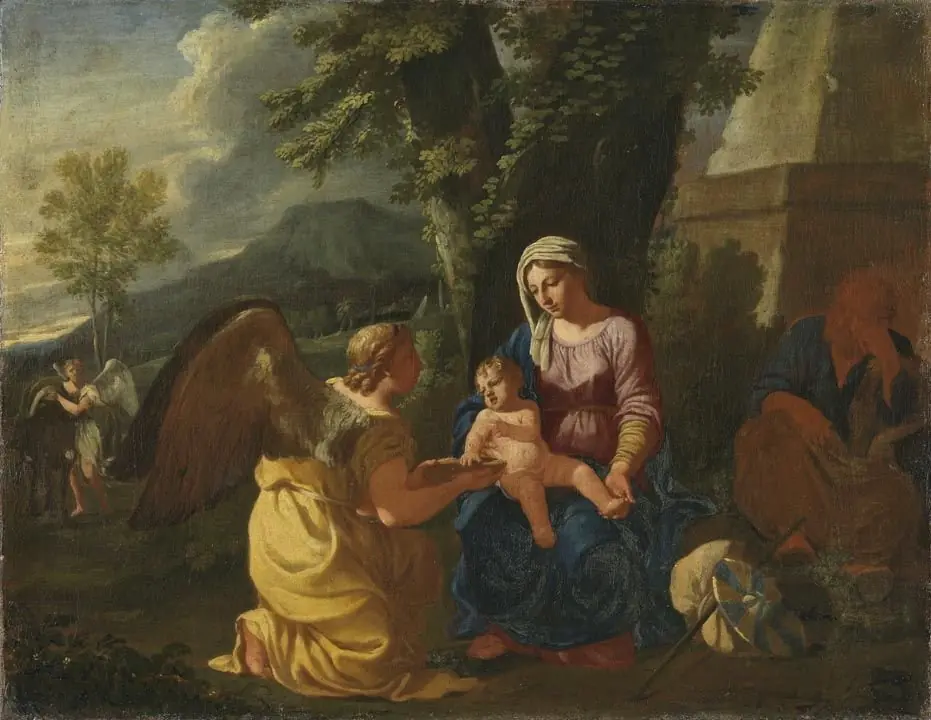 The Flight into Egypt
 Rest on the Flight into Egypt
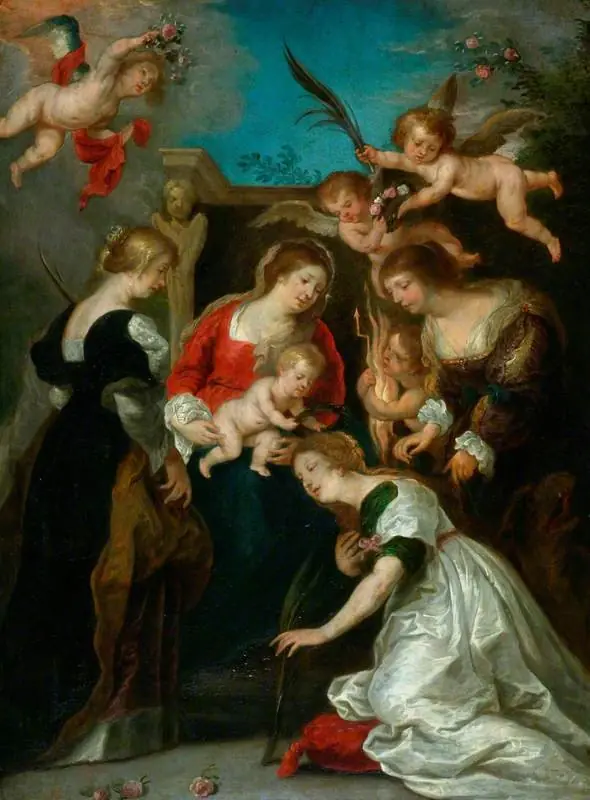 The Mystic Marriage of Saint Catherine
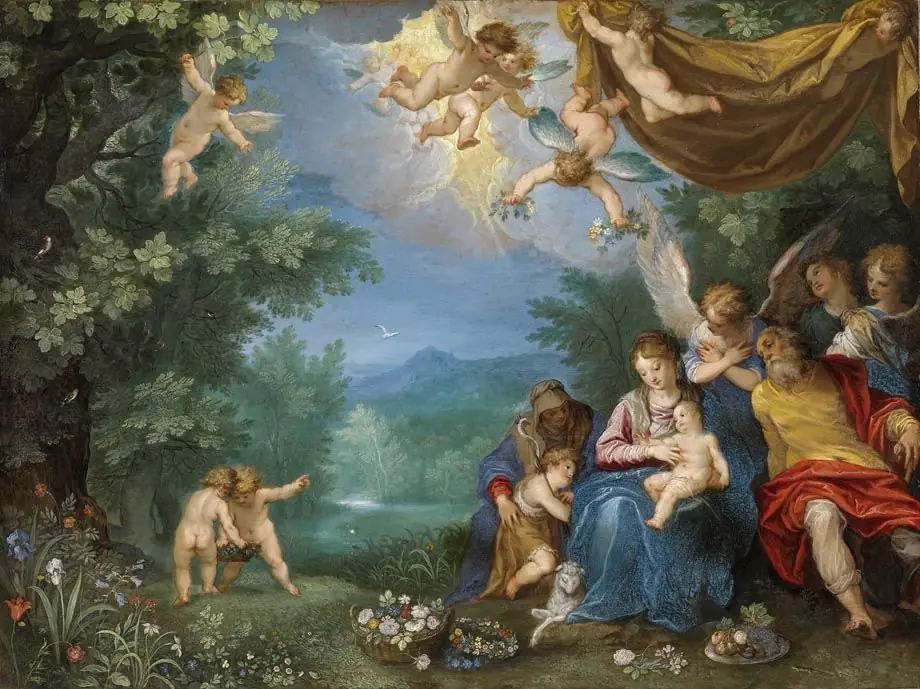 Rest on the Flight into Egypt
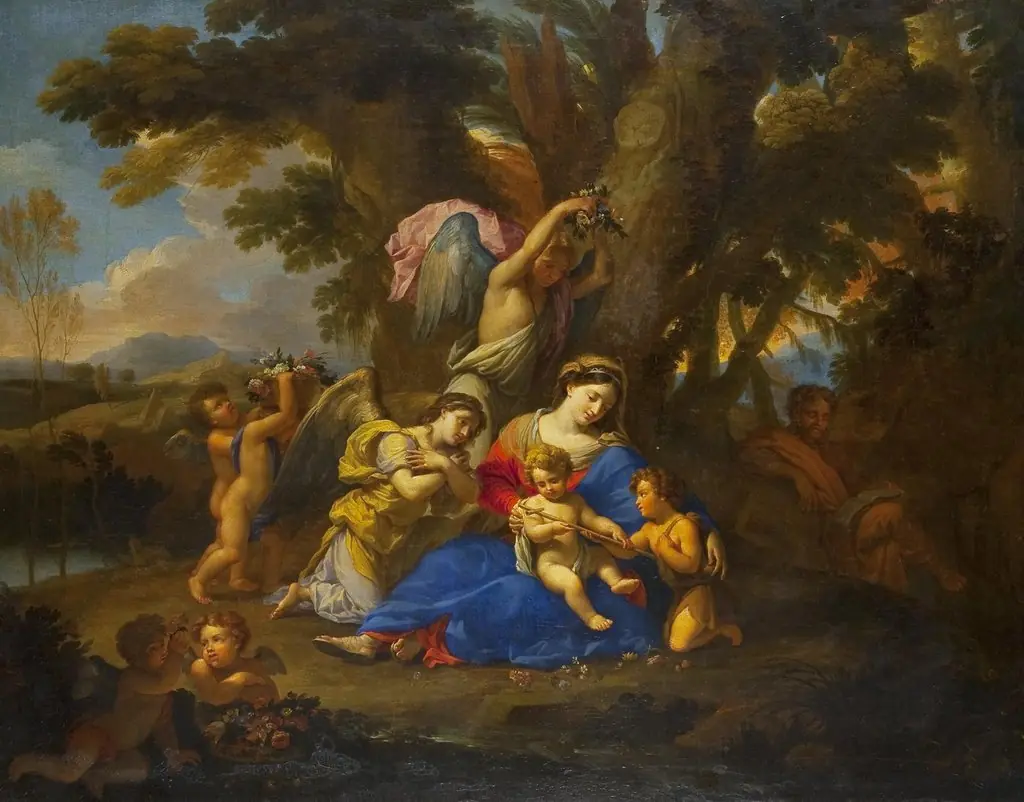 Madonna and Christ Child, with St John the Baptist and Angels
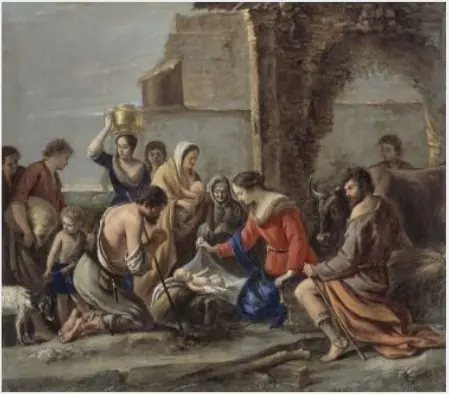 The Adoration of the Shepherds
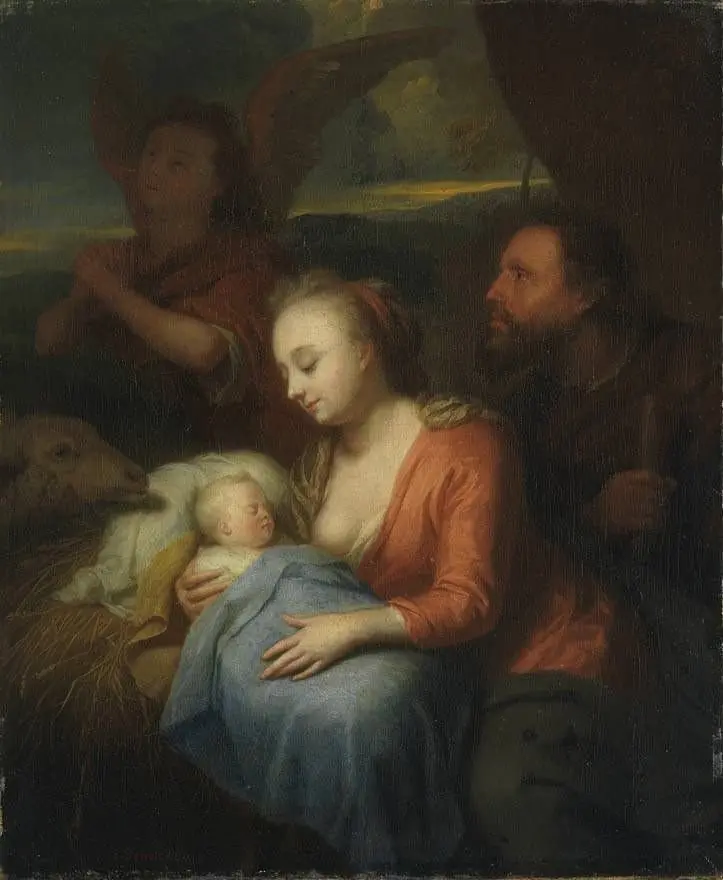 Rest on the Flight to Egypt
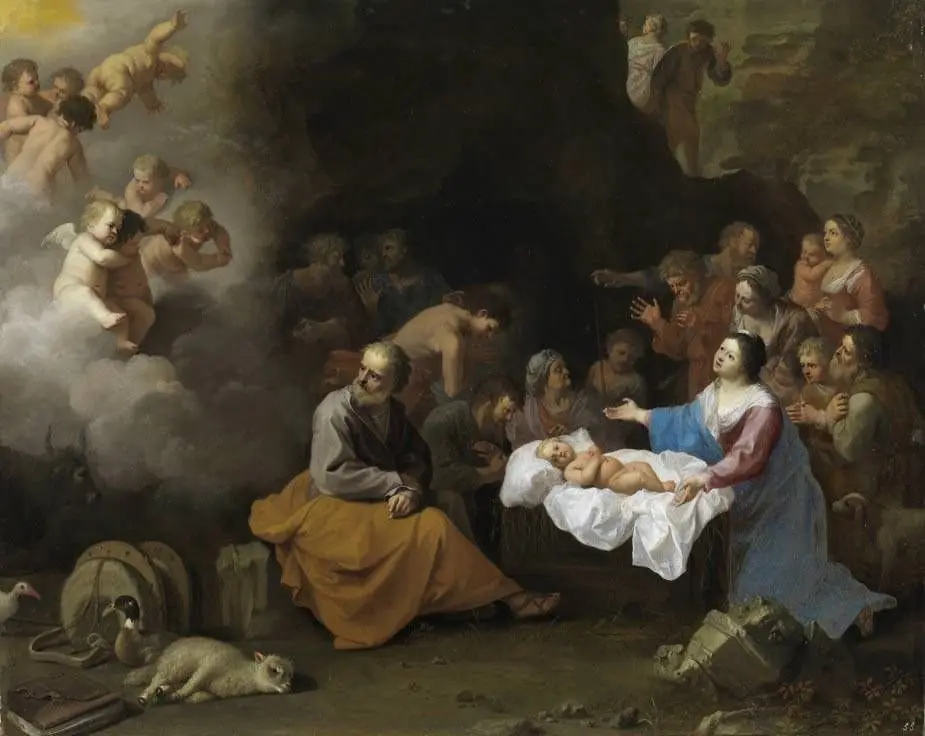 The adoration of the shepherds
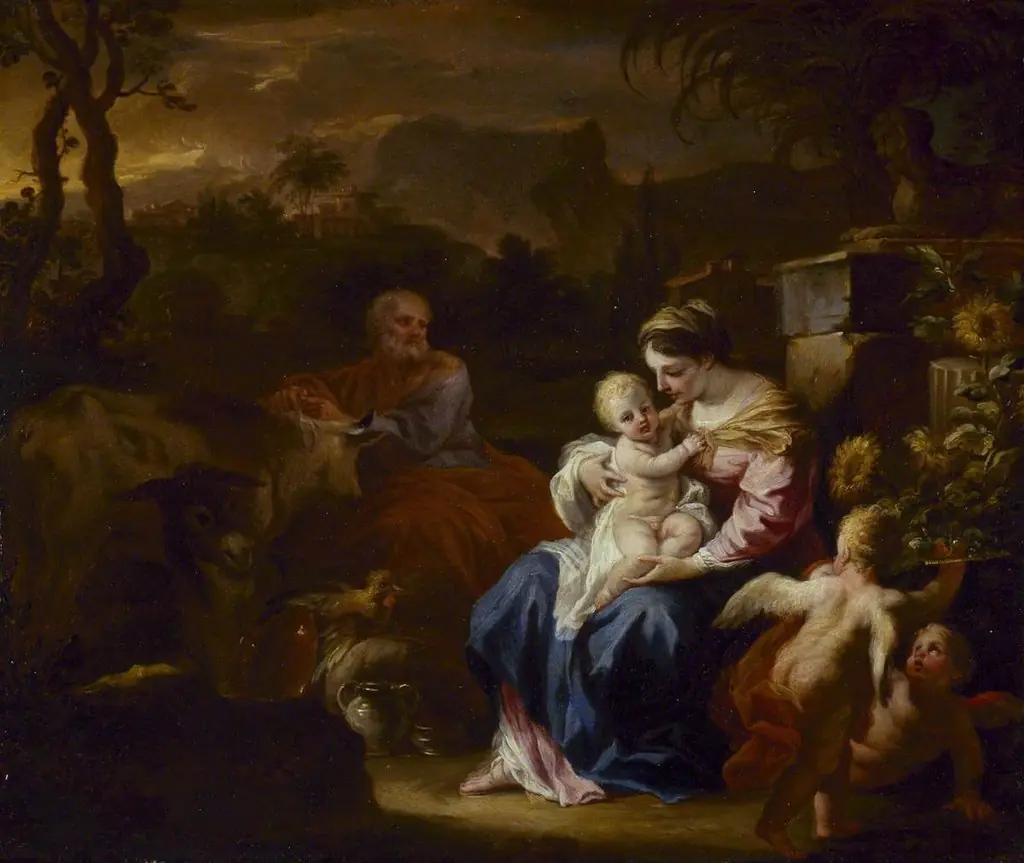 The Rest on the Flight into Egypt
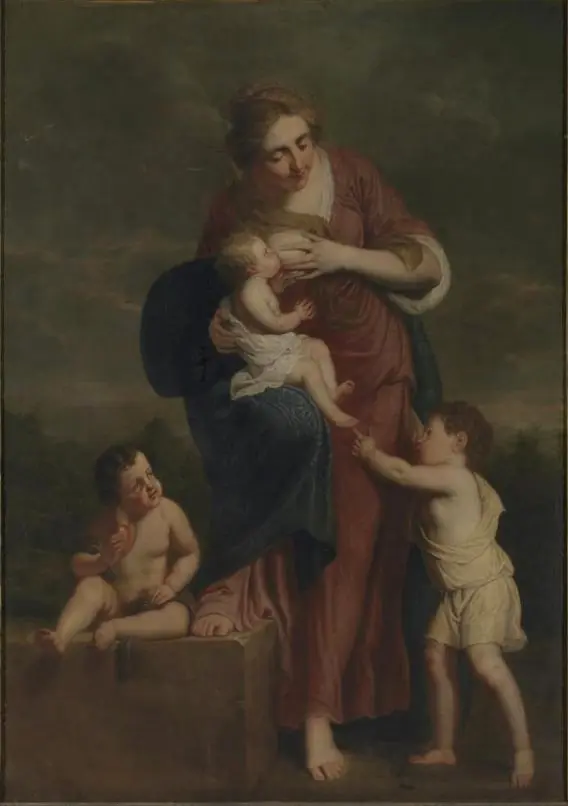 Caritas
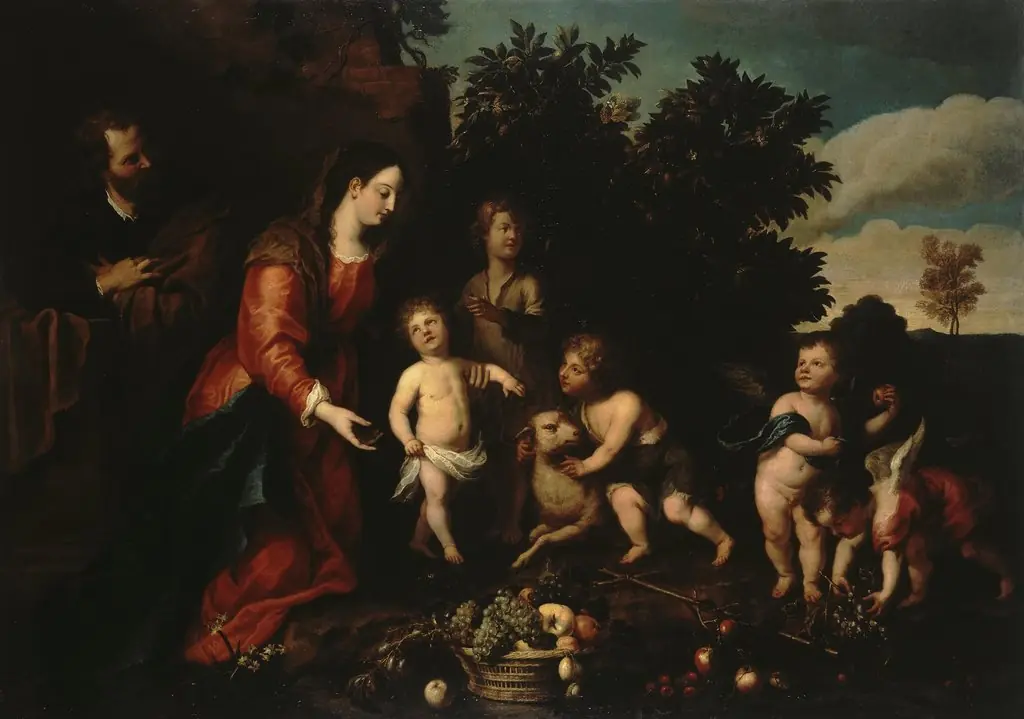 Holy Family with the Infant John and Angels