Artwork
The Annunciation
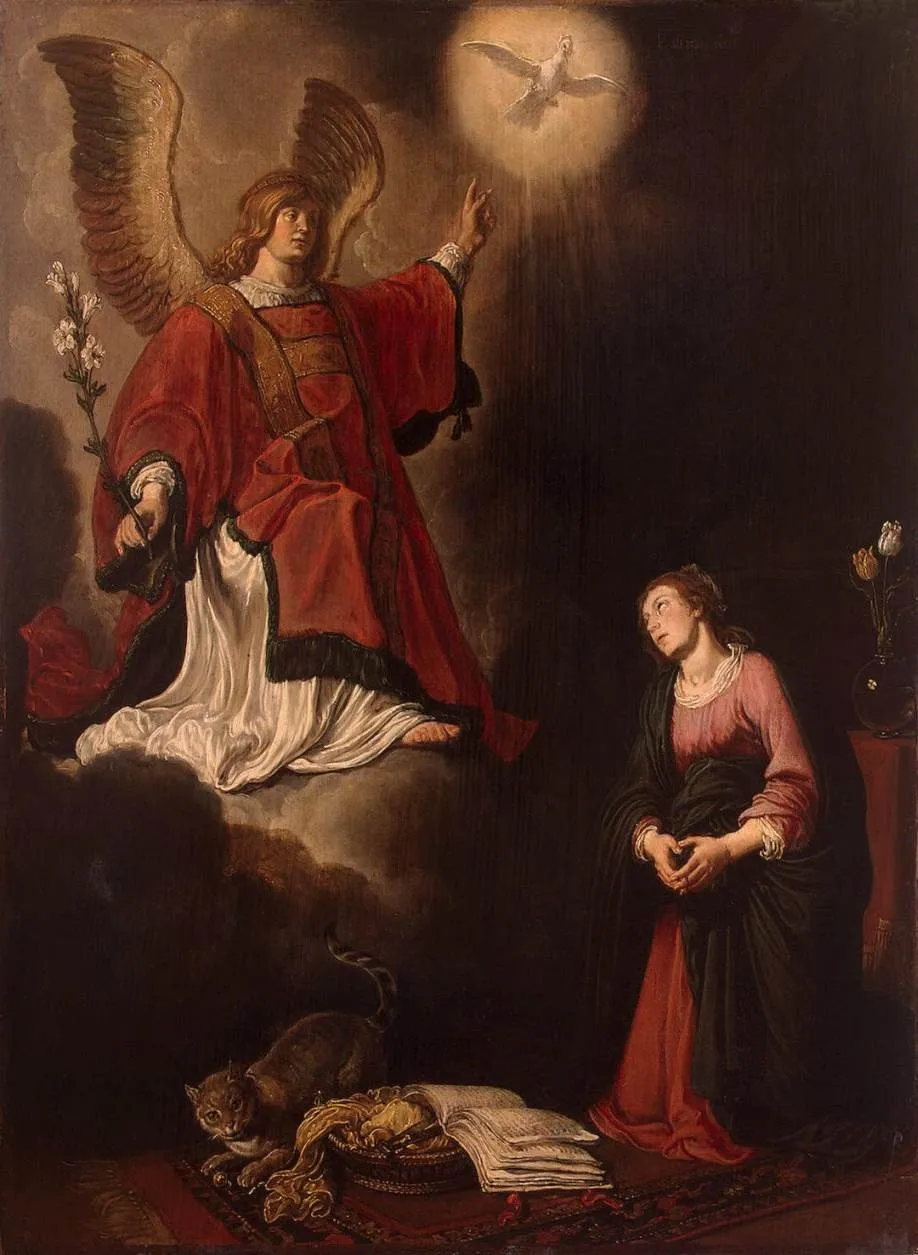
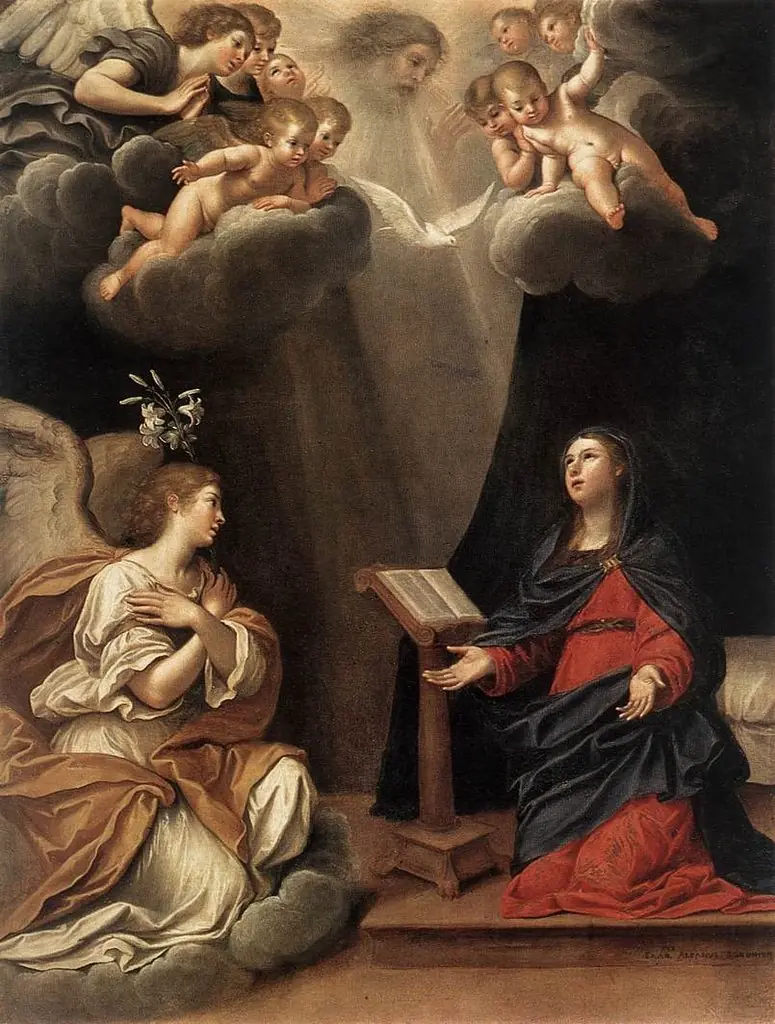
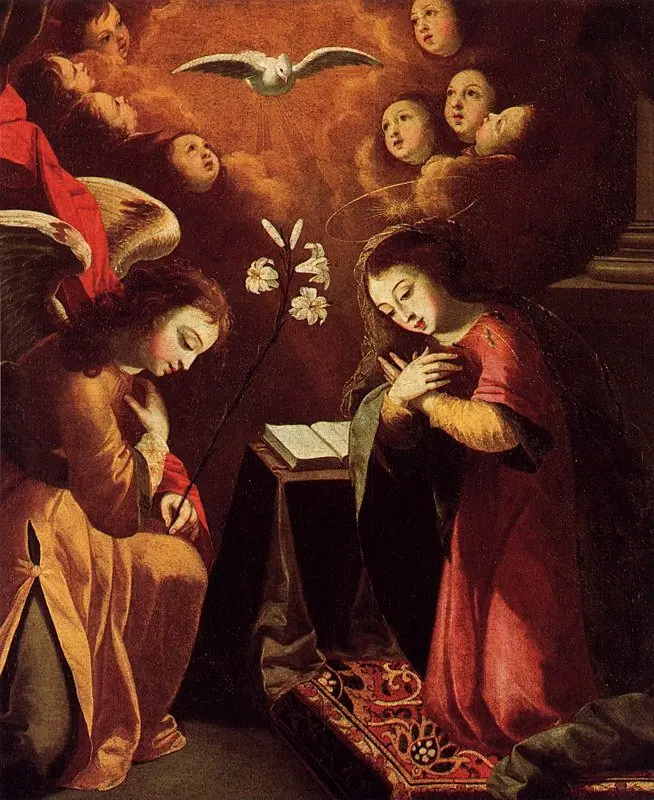
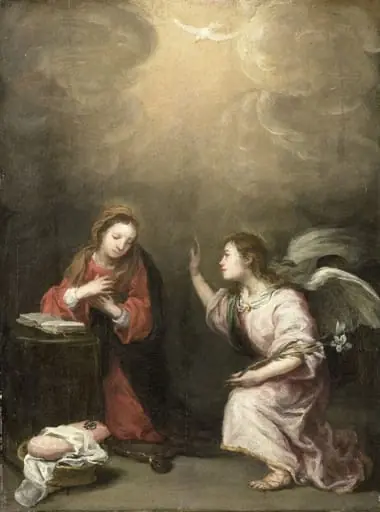
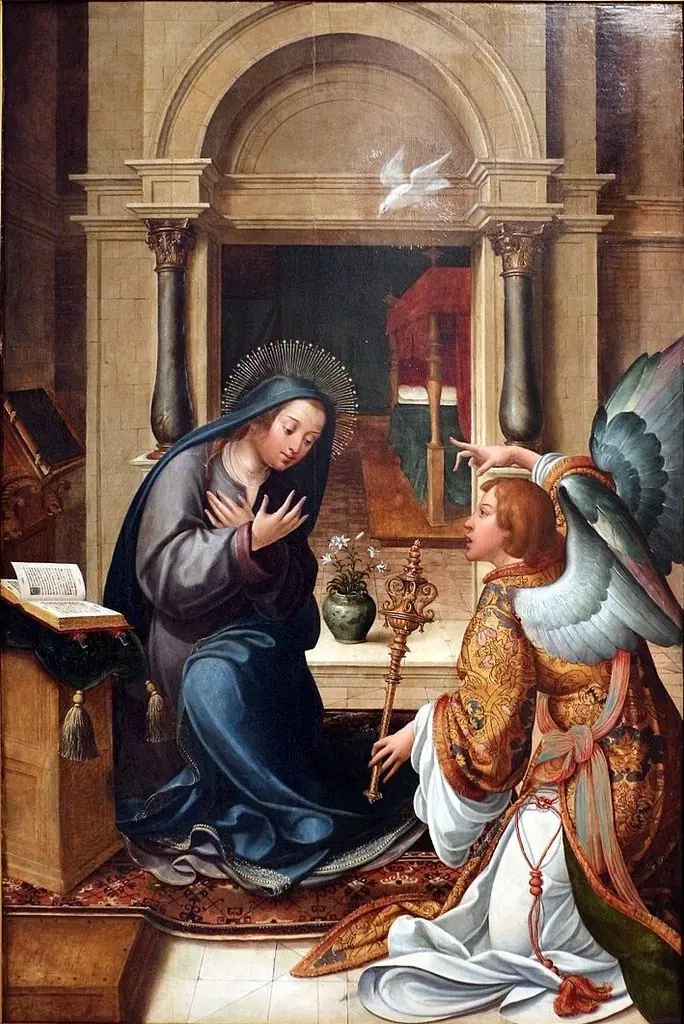
The Annunciation is an oil painting by the Dutch Golden Age artist Pieter Lastman. It dates from 1618 and is held in the collection of the Hermitage Museum.
About this work
Overview
Lastman, known for narrative-driven compositions, rendered this biblical scene with careful attention to anatomical detail and expressive gesture.
Painted in 1618 by Pieter Lastman, *The Annunciation* is an oil-on-panel work from the early Dutch Golden Age. Lastman, known for narrative-driven compositions, rendered this biblical scene with careful attention to anatomical detail and expressive gesture. The painting is part of the State Hermitage Museum’s collection in Saint Petersburg, where it remains a representative example of early 17th-century Dutch historical painting.
Subject & Meaning
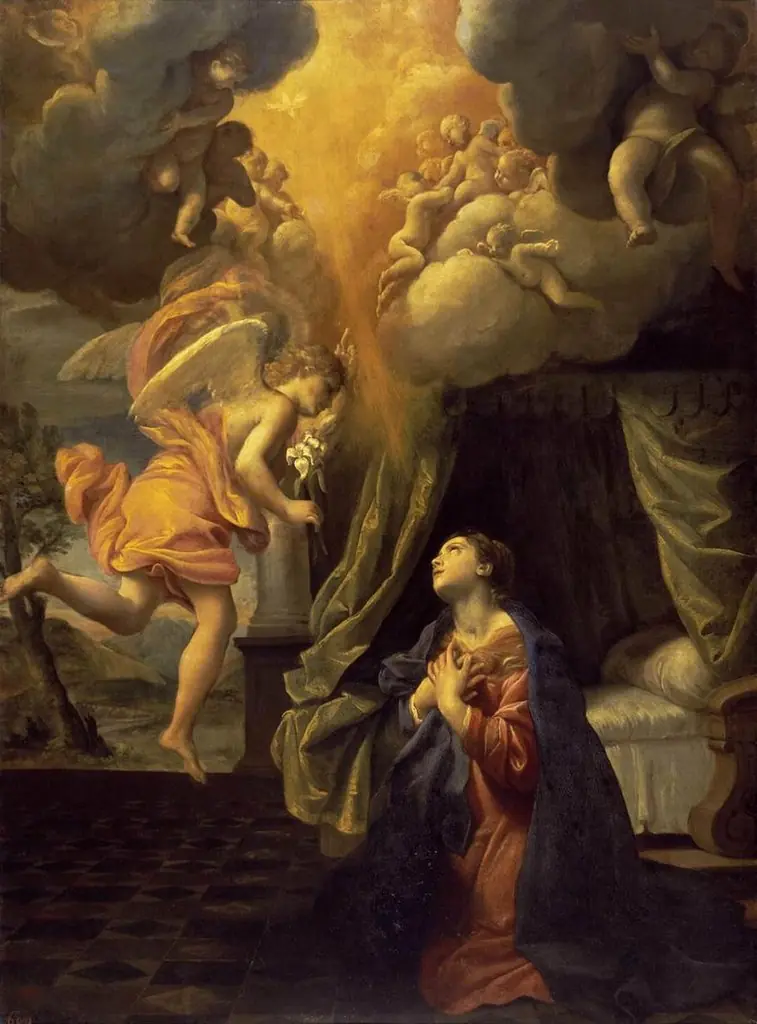
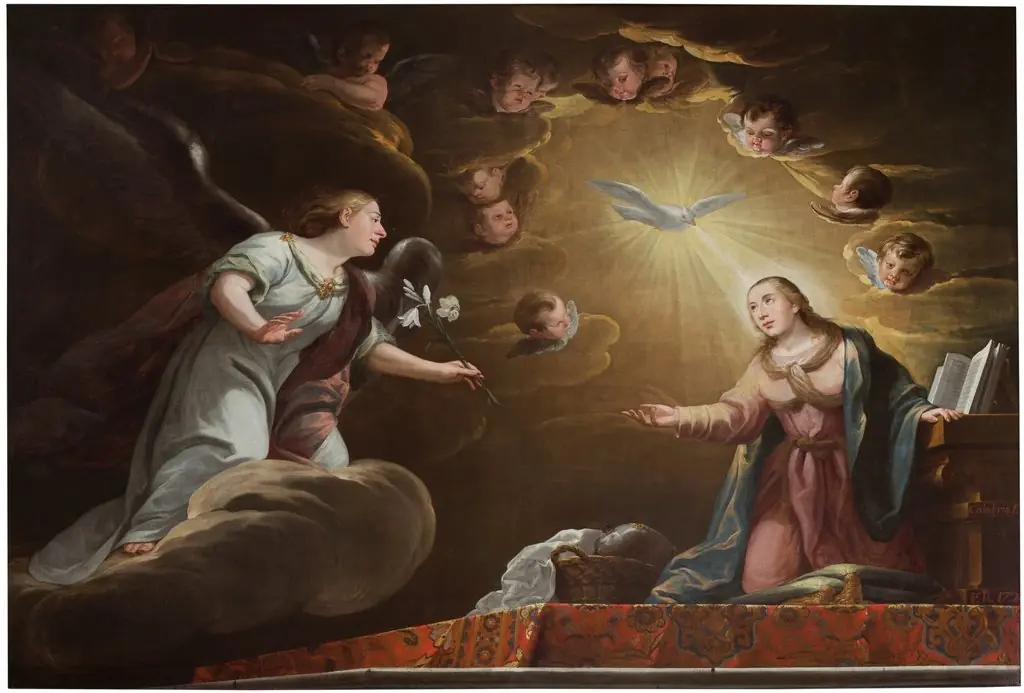
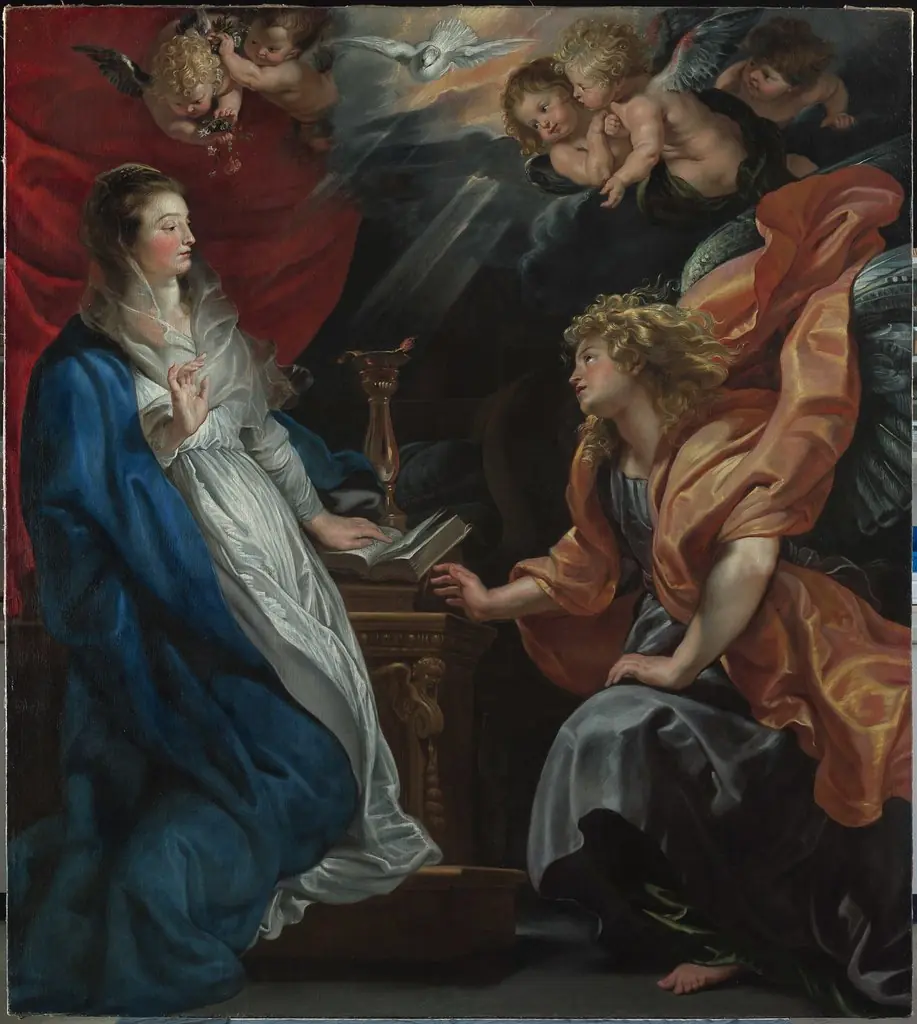
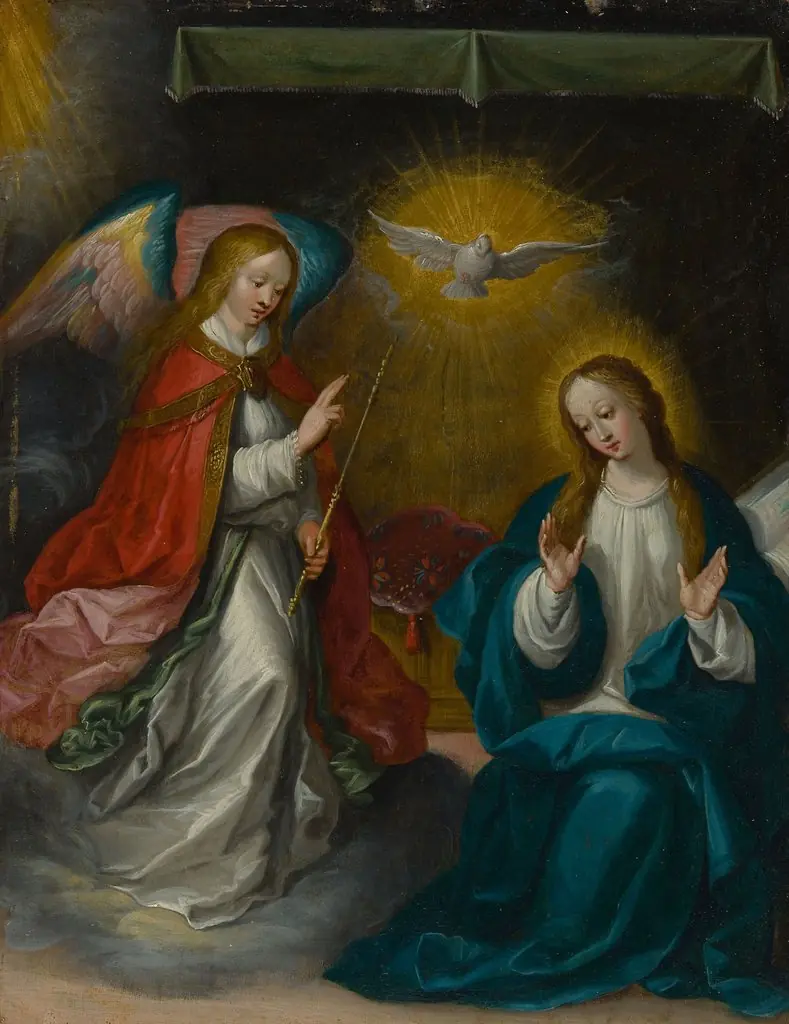
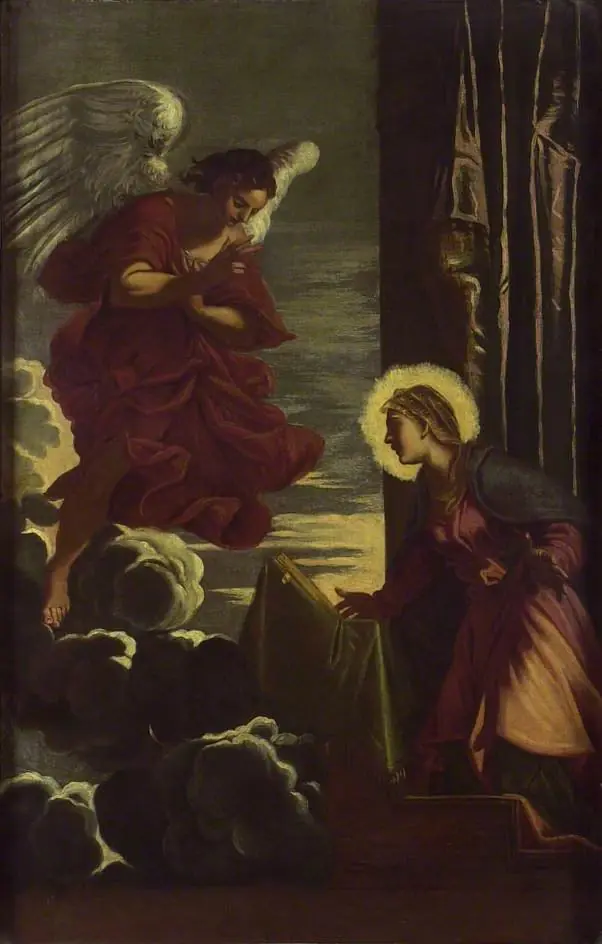
The scene depicts the moment the Archangel Gabriel announces to the Virgin Mary that she will bear the Son of God. The angel, hovering on a cloud in crimson robes, gestures toward a glowing dove—the symbol of the Holy Spirit—while Mary, kneeling in humility, responds with clasped hands. An open book suggests her devotion, and the cat and flowers subtly reference earthly life, contrasting with the divine intervention unfolding above.
Technique & Style
Lastman employed chiaroscuro to heighten emotional focus, directing light toward the angel’s face and Mary’s hands to emphasize their spiritual significance. The figures are rendered with precise detail, particularly in the articulation of fingers and facial expression, reflecting his training in Italianate naturalism. The dark, atmospheric background isolates the sacred moment, enhancing its dramatic intensity without overt ornamentation.
History & Provenance
Created during Lastman’s mature period, the painting entered the Hermitage collection in the 18th or early 19th century, likely through imperial acquisitions of Dutch art. Its presence in the museum reflects Russian interest in Northern European narrative painting during the Enlightenment. No significant alterations or reattributions are recorded, and it has remained in stable condition since its acquisition.
Context
In early 17th-century Amsterdam, religious subjects remained popular despite the Protestant Reformation’s influence, often rendered with psychological depth rather than overt piety. Lastman’s work bridged Italian Renaissance composition and Dutch realism, influencing younger artists like Rembrandt. His approach to biblical scenes emphasized human emotion and physical presence, aligning with broader trends in Dutch art that valued observation over idealization.
Legacy
Though less widely known today than his pupils, Lastman’s *The Annunciation* exemplifies the transition from Mannerist drama to Baroque naturalism in Dutch painting. Its restrained symbolism and focus on human response to the divine helped shape the narrative style adopted by Rembrandt and others. The work endures as a quiet but precise study of faith, light, and gesture within the evolving visual language of the Dutch Golden Age.
Artist & collection
Artist
Pieter Lastman (1583–1633) was a Dutch painter. Lastman is considered important because of his work as a painter of history pieces and because his pupils included Rembrandt and Jan Lievens. In his paintings Lastman paid…