Artwork
Triptiek van de Brugse visverkopers
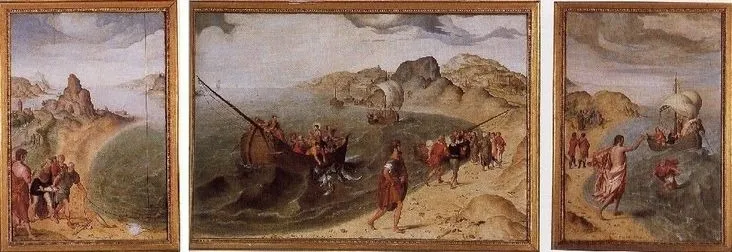
Triptiek van de Brugse visverkopers is an unspecified painting by Pieter Pourbus. It dates from 1563 and is held in the collection of the Royal Museums of Fine Arts of Belgium.
About this work
Overview
It remains part of the Royal Museums of Fine Arts of Belgium’s collection, preserved as a rare example of secular narrative in his oeuvre.
Created around 1563 by Pieter Pourbus, the triptych known as *Triptiek van de Brugse visverkopers* is a three-panel oil painting rooted in the Flemish Renaissance tradition. Though Pourbus is primarily recognized for religious and portrait subjects, this work diverges into scenes of maritime labor, reflecting the daily rhythms of Bruges’ fishing community. It remains part of the Royal Museums of Fine Arts of Belgium’s collection, preserved as a rare example of secular narrative in his oeuvre.
Subject & Meaning
The triptych portrays the lives of fishmongers through three distinct moments: a gathering on a rocky shore, a solitary figure on a distant rock, and a central scene of a boat in distress amid turbulent waters. The figures in the center appear engaged in a moment of crisis, suggesting the dangers of their trade. The presence of a possible saint in the right panel may imply divine intervention or protection, framing the fishermen’s labor within a spiritual context.
Technique & Style
Pourbus employs precise draftsmanship and controlled chiaroscuro to model forms and suggest depth. The central panel’s dynamic composition uses overlapping bodies and rippling water to convey motion and urgency. Figures are rendered with individualized expressions, and the rocky terrain is detailed with careful attention to texture. The palette is restrained, favoring earth tones and muted blues, enhancing the somber realism of the scene.
History & Provenance
The triptych has remained in institutional care since at least the 19th century, entering the collection of the Royal Museums of Fine Arts of Belgium. Its early ownership is undocumented, but its survival suggests it was valued locally, possibly commissioned by a Bruges guild or merchant family connected to the fishing trade. No records indicate significant alterations or relocations prior to its museum acquisition.
Context
In mid-16th century Bruges, economic shifts and the decline of its commercial prominence led artists to depict everyday labor with increasing attention. This triptych aligns with a broader trend of secular narrative in Flemish art, where religious symbolism coexists with observations of working-class life. The depiction of peril at sea reflects both the real risks faced by fishermen and the moral undertones common in Northern Renaissance art.
Legacy
Though less celebrated than Pourbus’s religious altarpieces, this triptych stands as a significant record of civic life in late Renaissance Flanders. It contributes to the understanding of how artists documented labor and environment without idealization. Its preservation offers insight into the visual culture of Bruges beyond ecclesiastical commissions, influencing later studies of Northern European genre painting.
Artist & collection
Artist
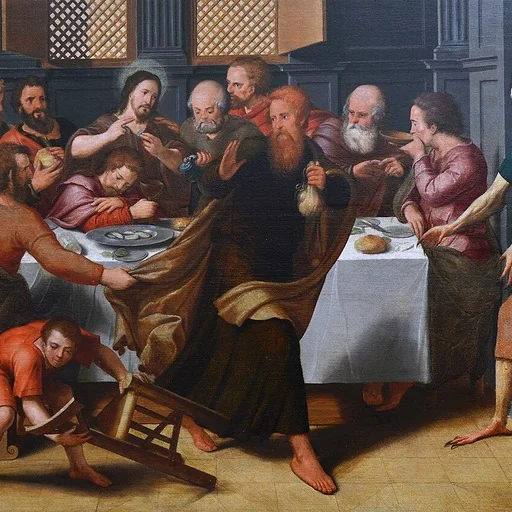
Pieter Jansz. Pourbus (c. 1523–1584) was a Flemish Renaissance painter, draftsman, engineer and cartographer who was active in Bruges during the 16th century. He is known primarily for his religious and portrait paintings.

Museum
Royal Museums of Fine Arts of Belgium
Continue through works from the same source collection.
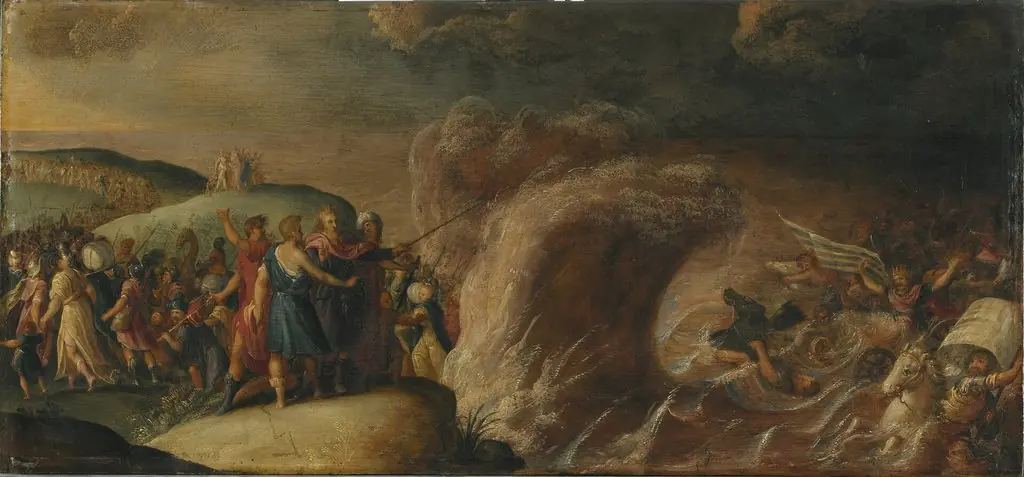 The Crossing of the Red Sea
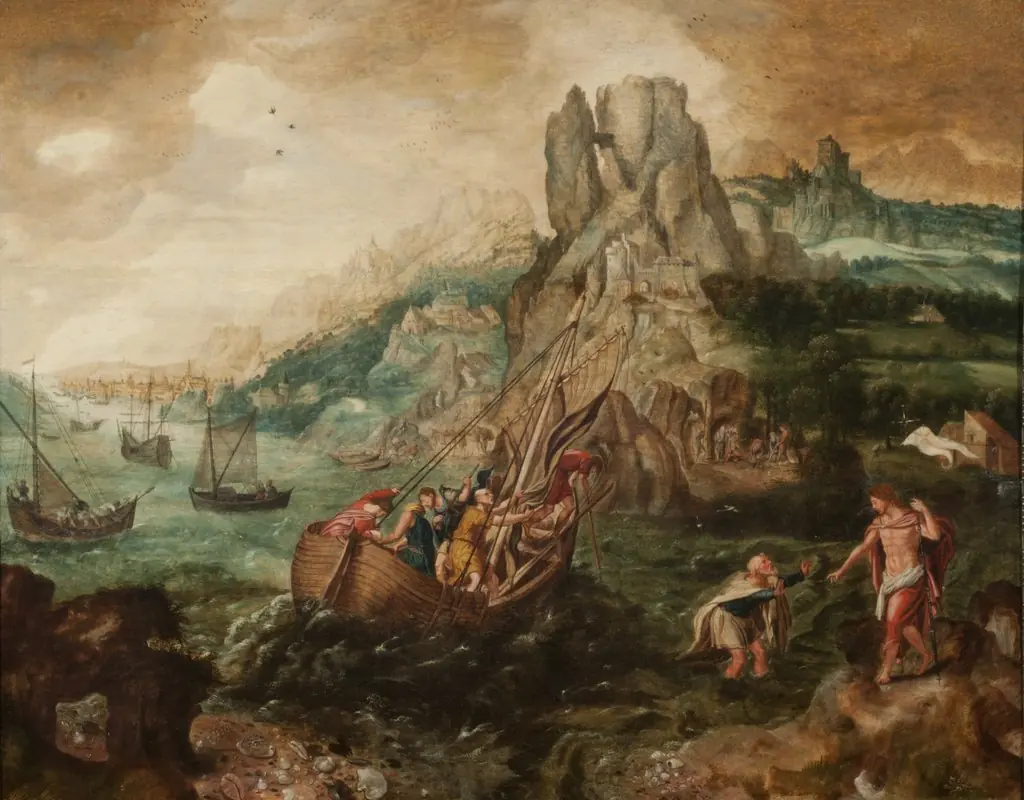 The last appearance of Christ to his disciples
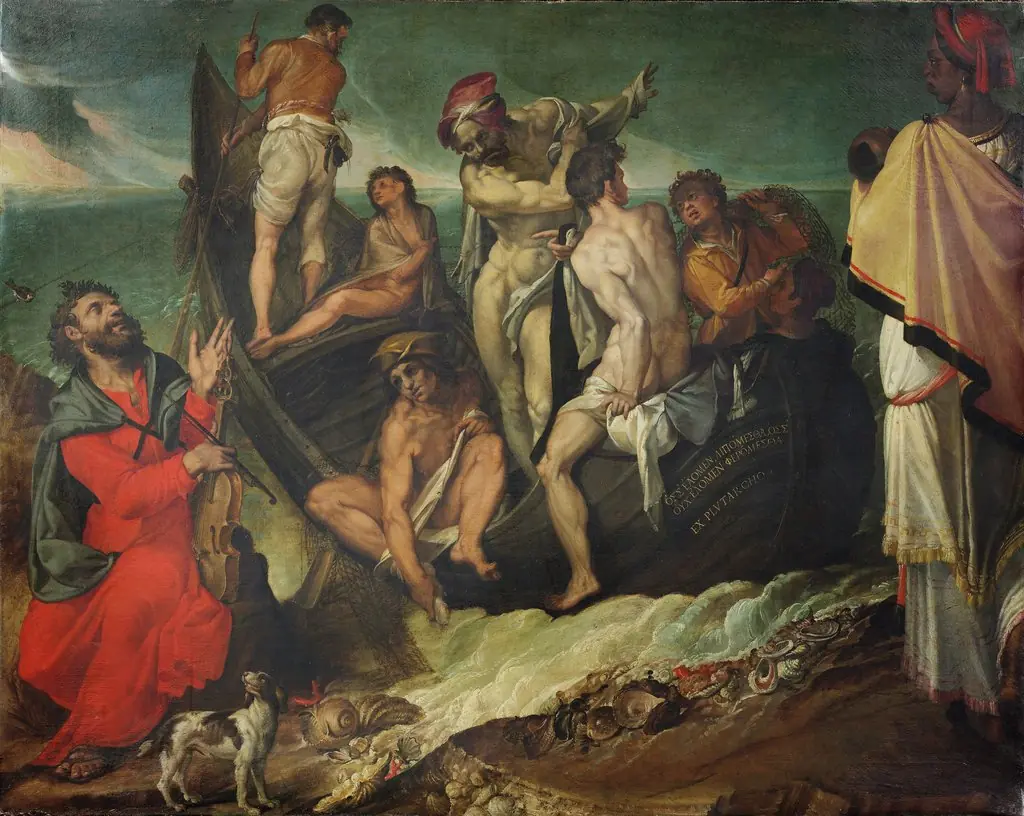 Homer’s Riddle
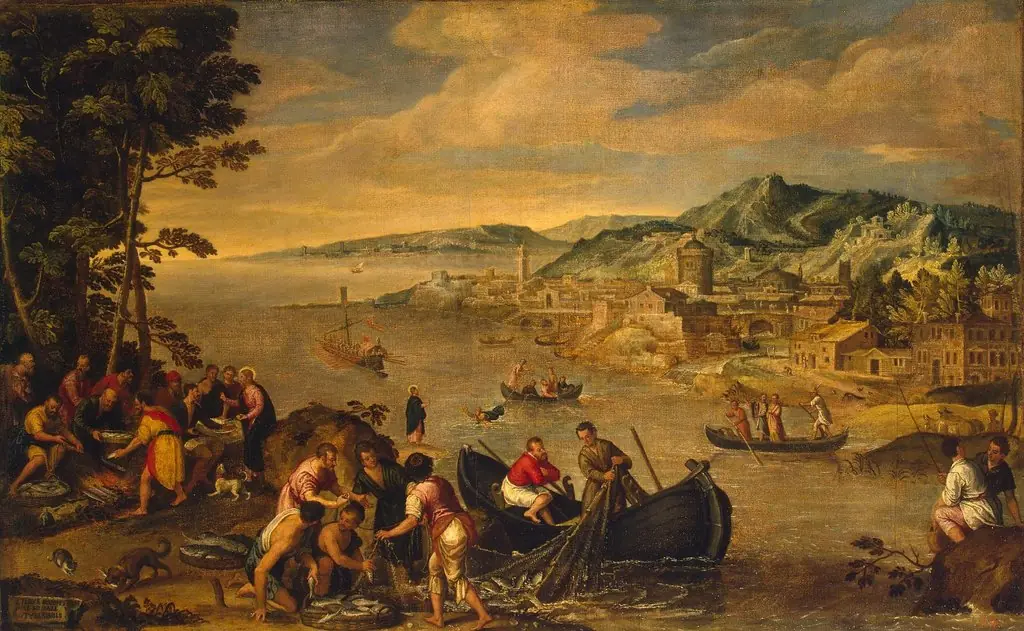 Miraculous Fishing
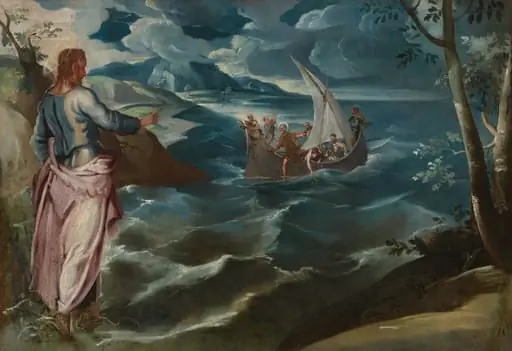 Christ at the Sea of Galilee
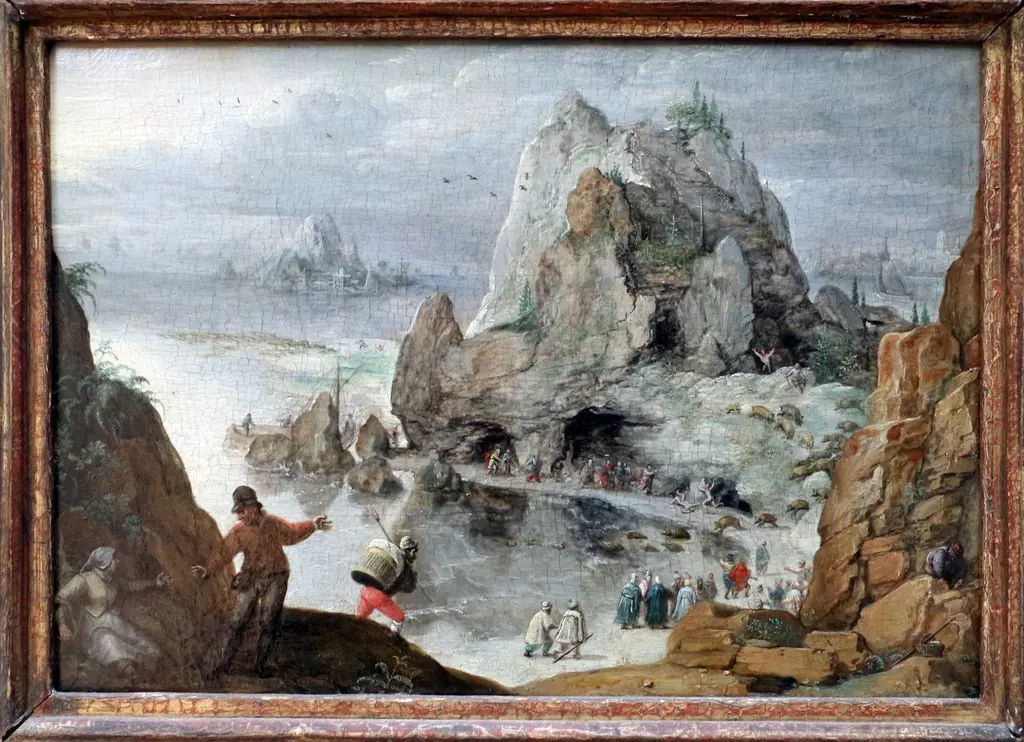 De bezetenen van Gerasa
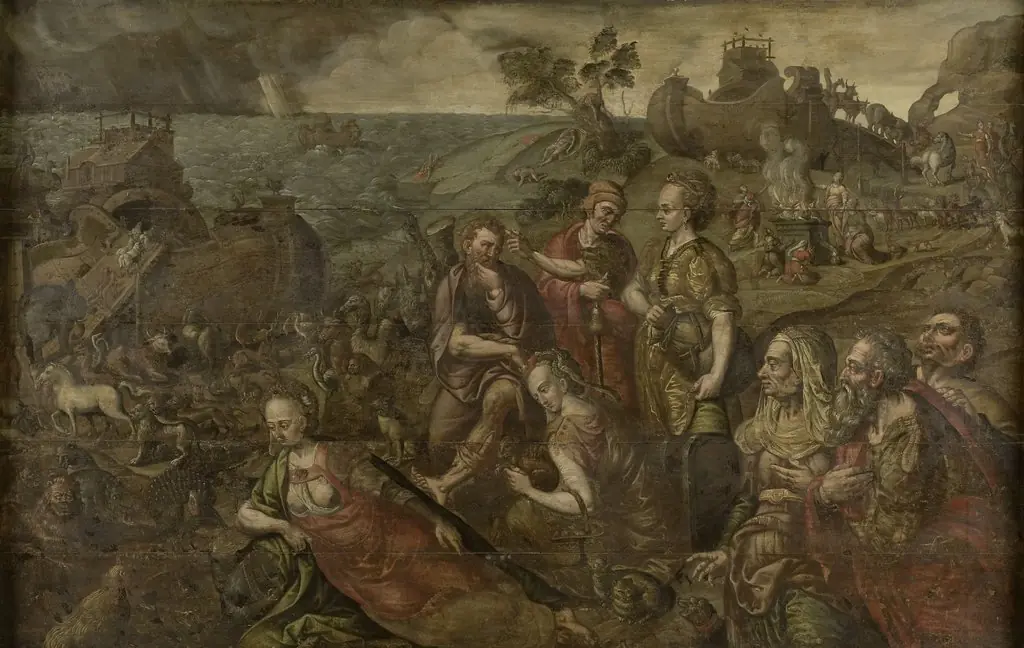 Noah's Ark
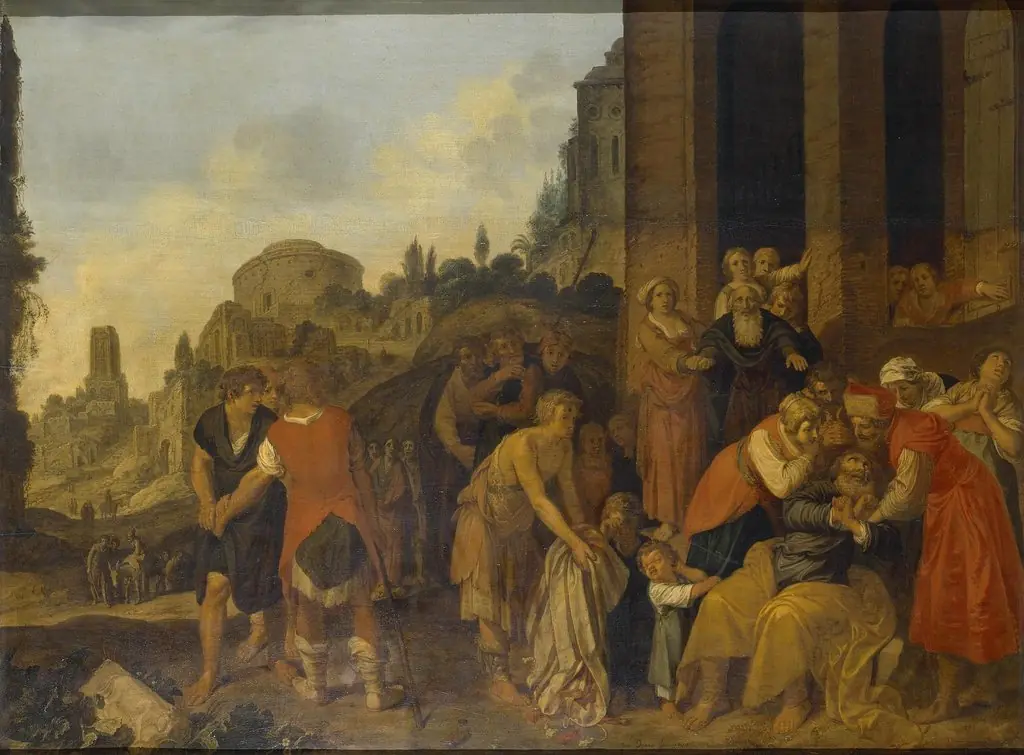 Jacob's Sons Show Him Joseph's Blood-Stained Robe
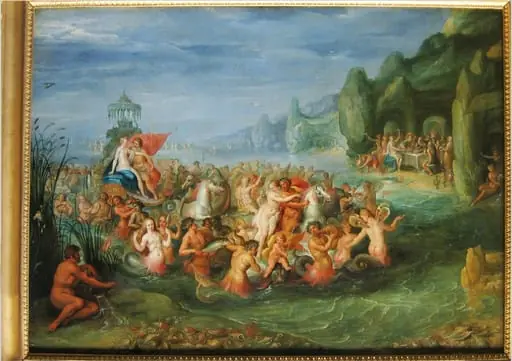 Neptun și Amphitrite
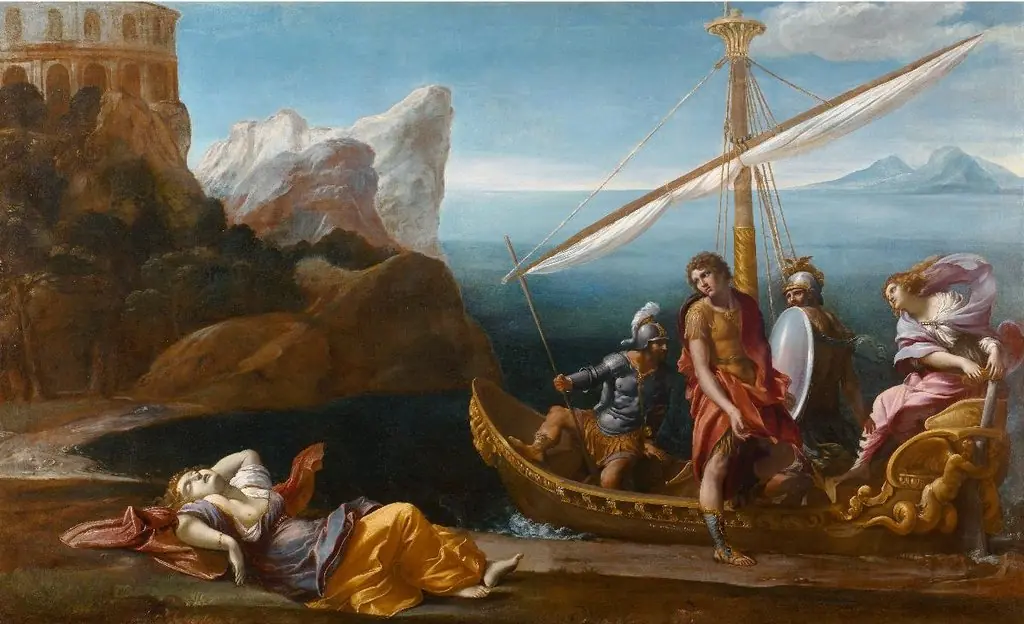 L’addio di Rinaldo ad Armida
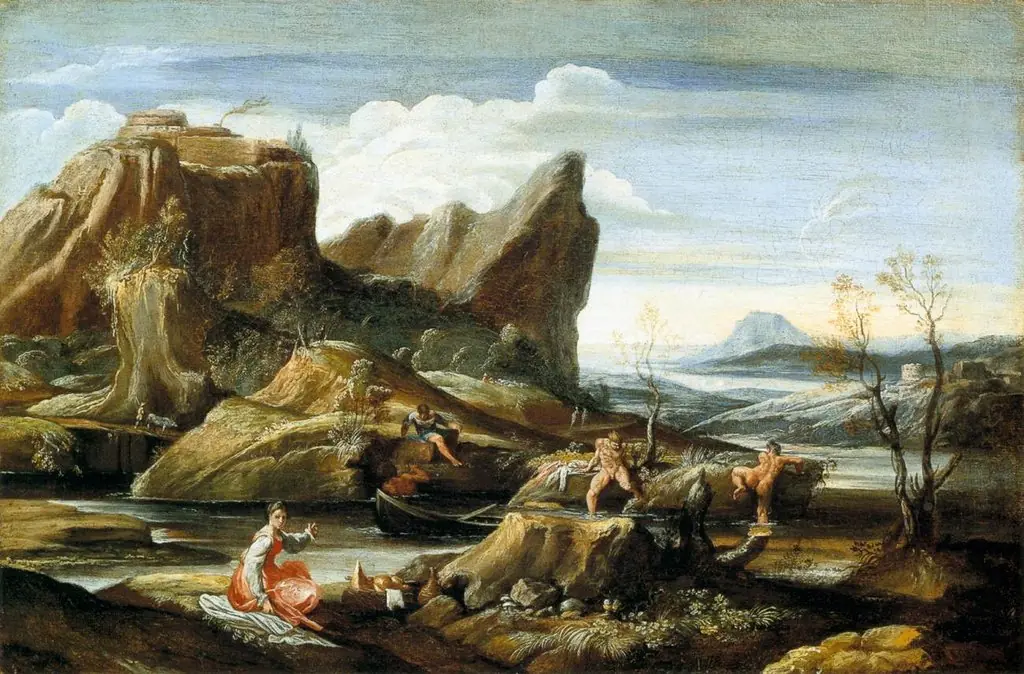 Landscape with Bathers
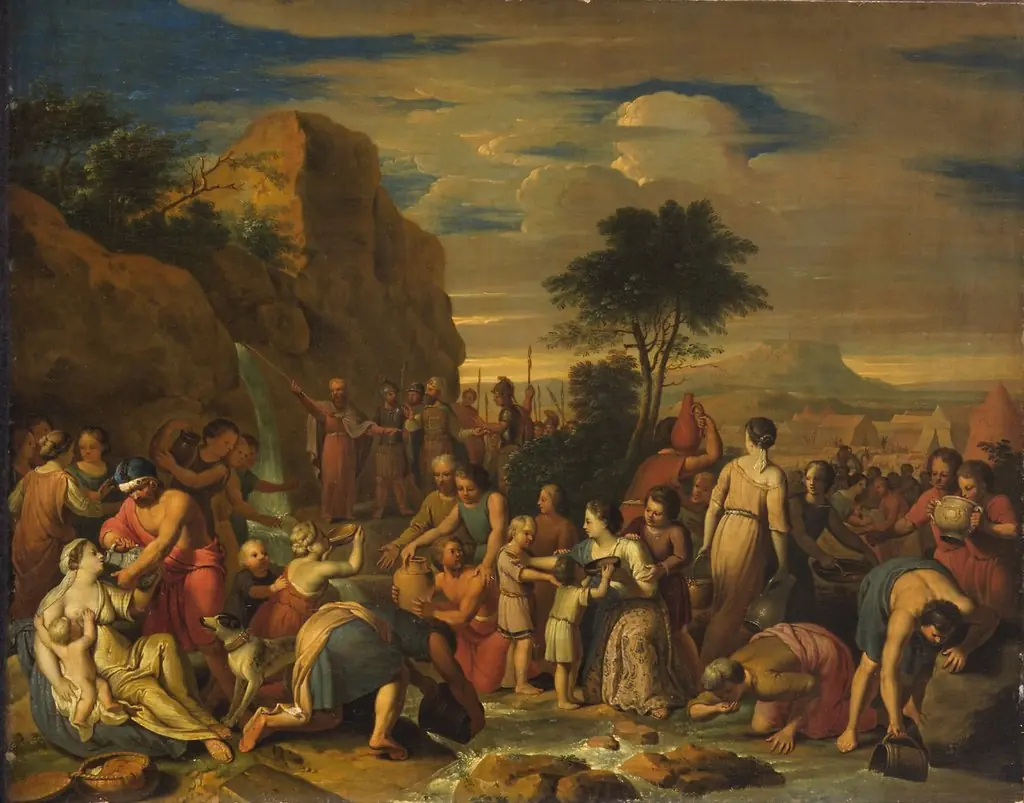 Moses schlägt Wasser aus dem Felsen