Artwork
Perseus and Andromeda. Allegory of the liberation of the Netherlands by Prince Frederik Hendrik
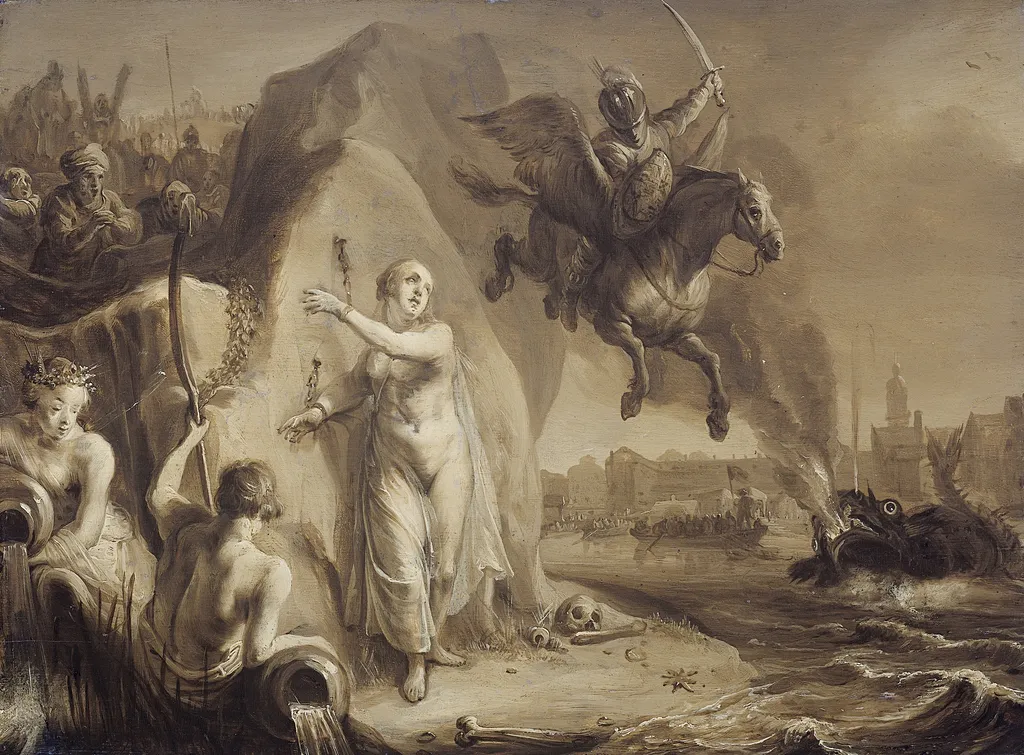
Perseus and Andromeda. Allegory of the liberation of the Netherlands by Prince Frederik Hendrik is an oil painting by the Dutch Golden Age artist Pieter Symonsz Potter. It dates from 1642 and is held in the collection of the Rijksmuseum.
About this work
Overview
Allegory of the liberation of the Netherlands by Prince Frederik Hendrik*, portrays a mythic rescue scene set against a turbulent sea.
Pieter Symonsz Potter’s 1642 oil canvas, titled *Perseus and Andromeda. Allegory of the liberation of the Netherlands by Prince Frederik Hendrik*, portrays a mythic rescue scene set against a turbulent sea. The composition centers on the captive Andromeda chained to a rock and the heroic Perseus, mounted on Pegasus, brandishing a sword as he confronts a sea monster. Spectators on a distant shore observe the drama, linking the classical narrative to a contemporary political message.
Subject & Meaning
The work employs the classical myth of Perseus’s triumph over the sea monster to symbolize the Dutch struggle for independence. Andromeda’s bondage represents the occupied Netherlands, while Perseus—identified with Prince Frederik Hendrik—embodies the liberating force that frees the nation from foreign domination. The gathered onlookers serve as a visual stand‑in for the Dutch populace, witnessing their own deliverance through heroic leadership.
Technique & Style
Potter renders the scene with a balanced palette that shifts from deep blues and greens of the ocean to warm, luminous tones in the sky. Chiaroscuro modeling gives volume to the figures, especially the muscular form of Perseus and the delicate flesh of Andromeda. The dynamic pose of Pegasus and the swirling clouds create a sense of movement, while careful handling of light draws attention to the central drama.
History & Provenance
Executed in 1642, the painting entered the collection of the Rijksmuseum, where it remains on display. Its attribution to Pieter Symonsz Potter, a Dutch painter active in the early 17th century, is supported by stylistic analysis and contemporary inventories that link the work to the period of the Eighty Years’ War and the subsequent celebration of Dutch sovereignty.
Context
Created during the final years of the Eighty Years’ War, the canvas reflects a broader trend of using classical allegory to comment on contemporary events. Prince Frederik Hendrik, a leading military commander, was widely celebrated for his role in securing Dutch independence, and the painting’s mythic framing allowed patrons to honor his achievements while appealing to educated viewers familiar with Greco‑Roman narratives.
Own this work as a print
Artist & collection

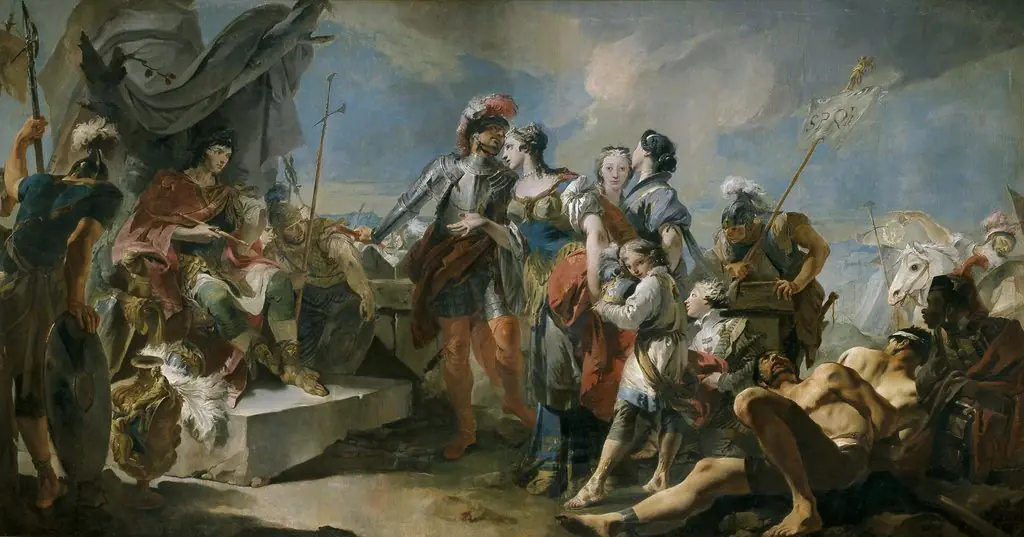 Queen Zenobia before the Emperor Aurelian
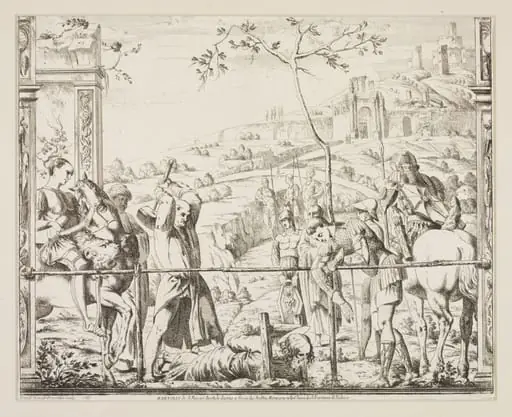 The Martyrdom of St. James and St. Christopher
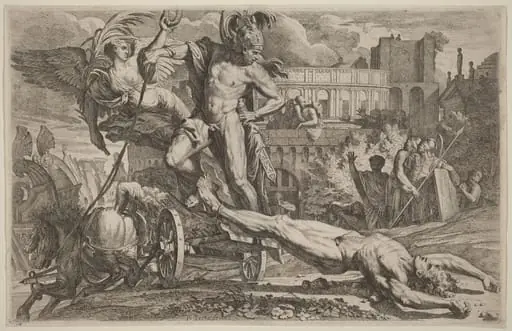 Achilles Dragging the Body of Hector
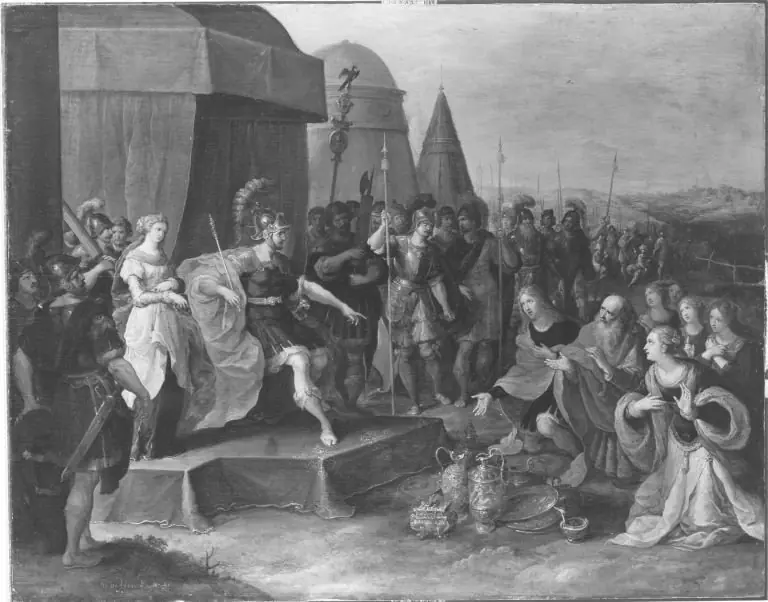 Enthaltsamkeit des Scipio
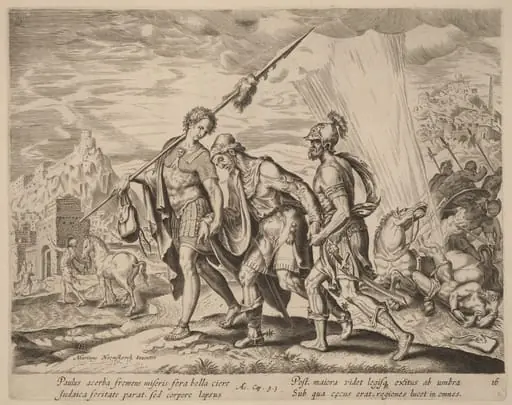 The Conversion of Saint Paul
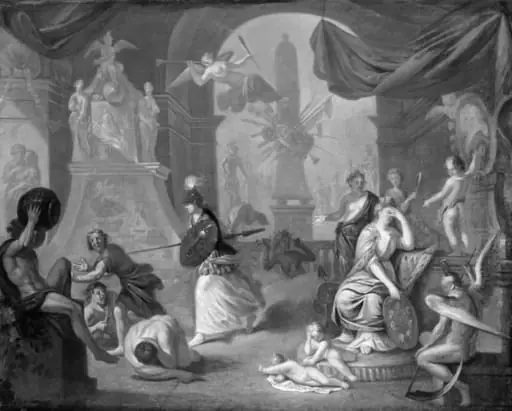 An Allegory
 Fools Have the Most Fun
 Feat of Marcus Curtius
 Queen Zenobia Addressing Her Soldiers
 An Allegory
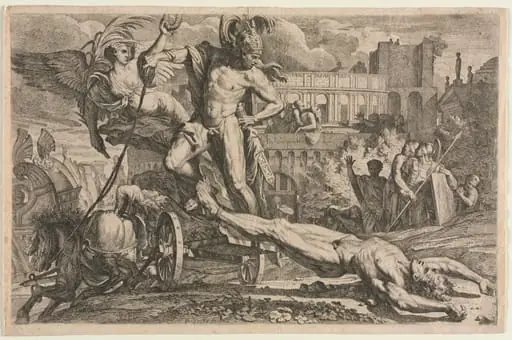 Achilles Dragging the Body of Hector
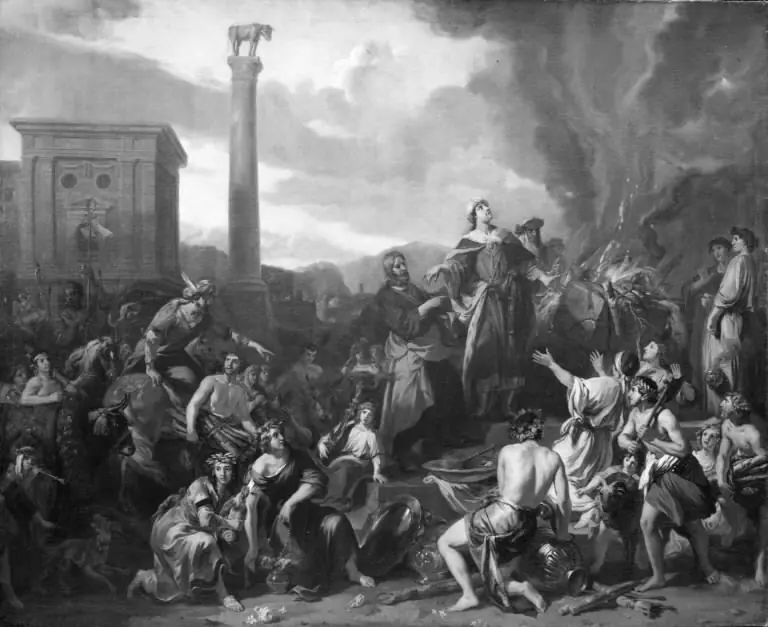 King Jeroboam Making Sacrifice to the Golden Calf (Jeroboam's Sin)