Artwork
Walter Devereux, First Earl of Essex
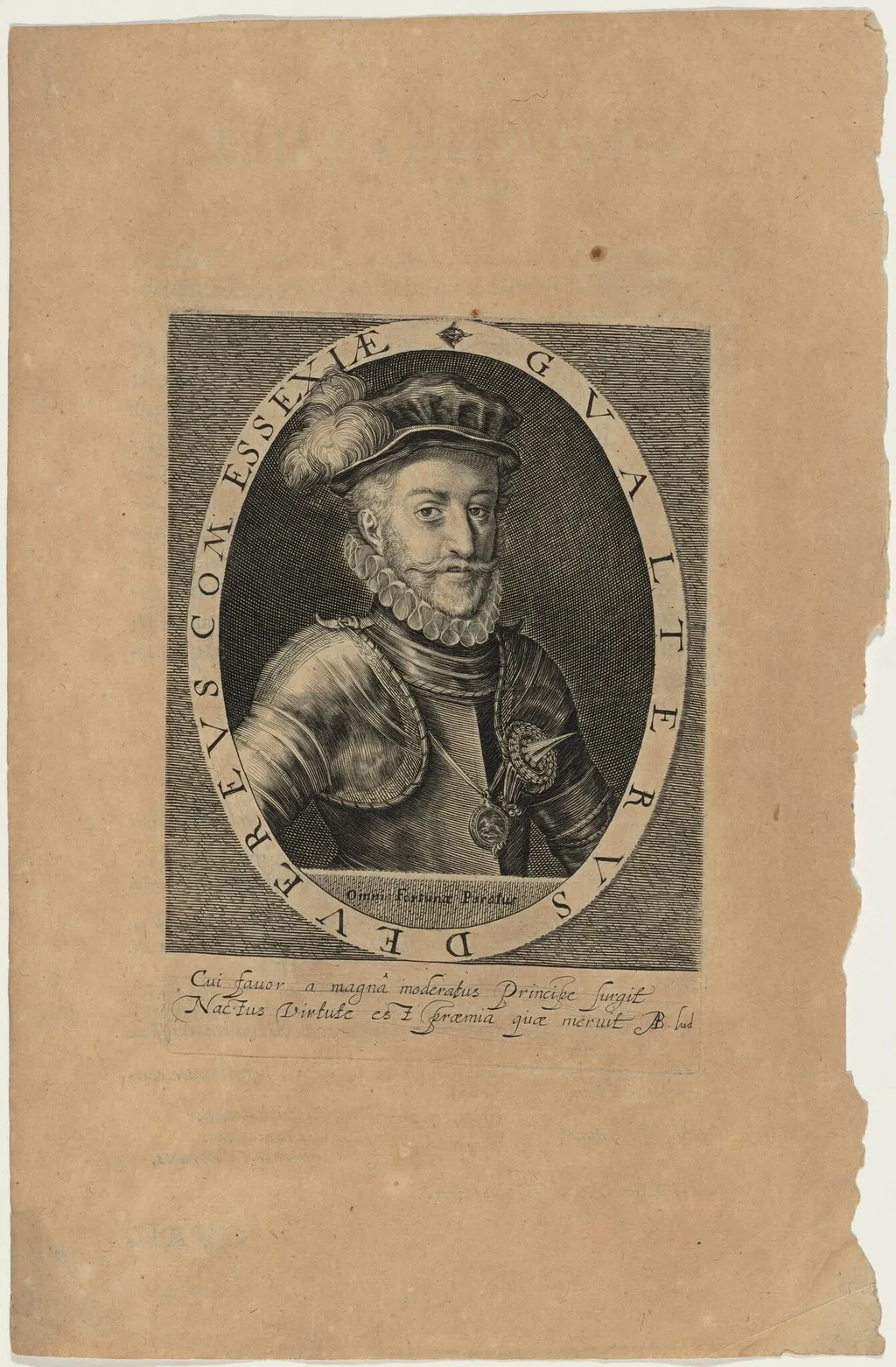
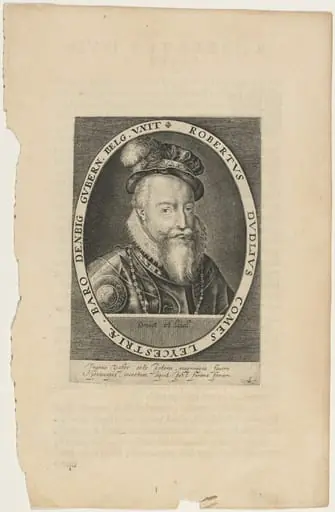
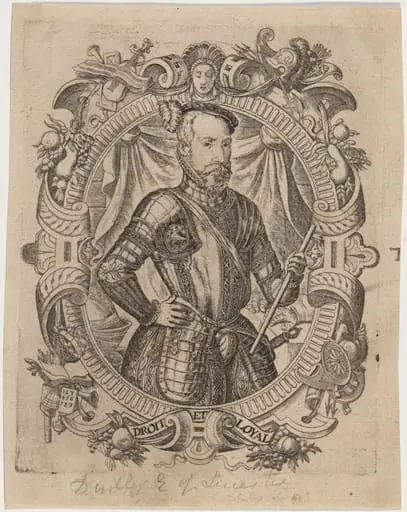
Walter Devereux, First Earl of Essex is an ink print by the Baroque artist Magdalena van de Passe. It dates from 1620 and is held in the collection of the National Gallery of Art. Created in 1620, this portrait engraving depicts Walter Devereux, the first Earl of Essex.
About this work
Overview
Created in 1620, this portrait engraving depicts Walter Devereux, the first Earl of Essex. Executed by the Dutch engraver Magdalena van de Passe, the work presents the nobleman in elaborate attire, highlighted by a prominent ruff. The image exemplifies early‑17th‑century print portraiture, where the sitter’s status and likeness were rendered with meticulous precision.
Subject & Meaning
Walter Devereux (1541–1576) was a prominent English courtier and military leader, later ennobled as the first Earl of Essex. The engraving emphasizes his aristocratic rank through sumptuous clothing and a composed demeanor, reflecting contemporary conventions that linked visual splendor with political authority and personal virtue.
Technique & Style
Van de Passe employed copper‑plate engraving, a process that involves incising fine lines into metal before printing. This method permits delicate hatching and cross‑hatching, allowing the artist to render intricate textures in fabric, hair, and facial features. The resulting image balances crisp line work with subtle tonal gradations, characteristic of the Passe workshop’s meticulous style.
History & Provenance
The print was likely issued shortly after Devereux’s death, serving both as a memorial and a means of disseminating his likeness among the English elite. Copies circulated in European courts, and the work entered several private collections before being acquired by a museum in the early twentieth century, where it remains catalogued as an example of Dutch engraving in England.
Artist & collection

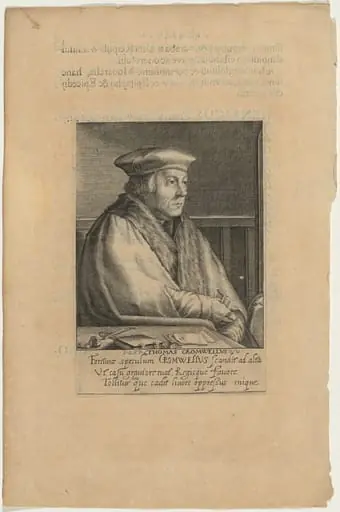 Thomas Cromwell, Earl of Essex
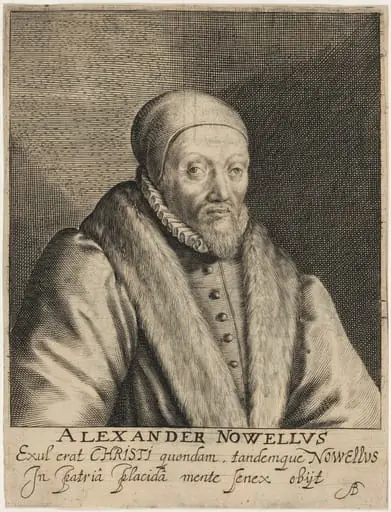 Alexander Nowell, Dean of Saint Paul's
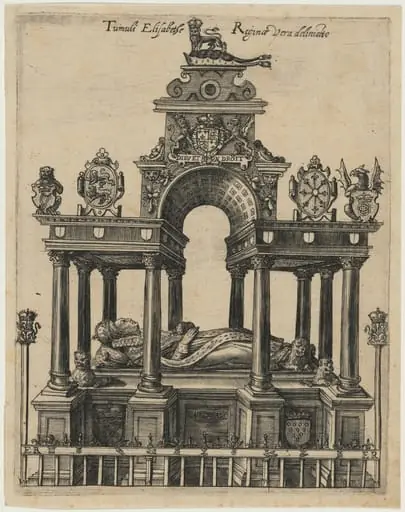 Elizabeth's Tomb
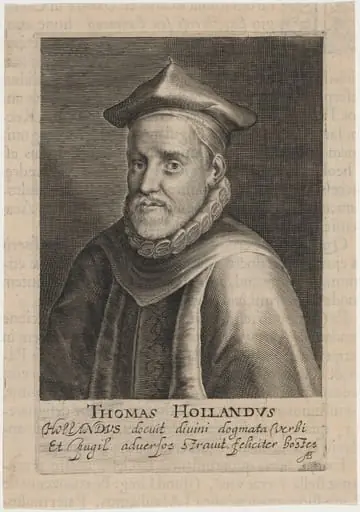 Thomas Holland, Regius Professor of Divinity at Oxford, and Rector of Exeter College
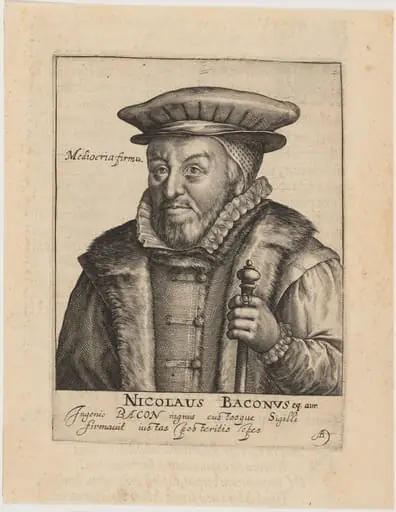 Sir Nicholas Bacon, Lord Keeper
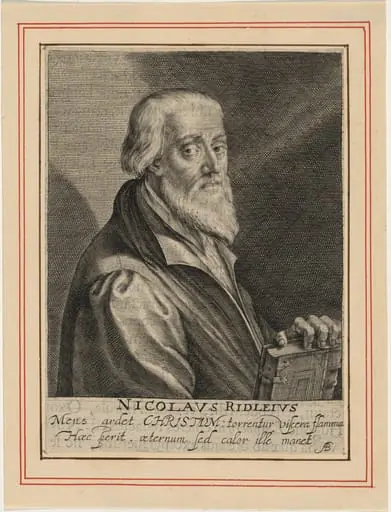 Nicholas Ridley, Bishop of London, Protestant Martyr
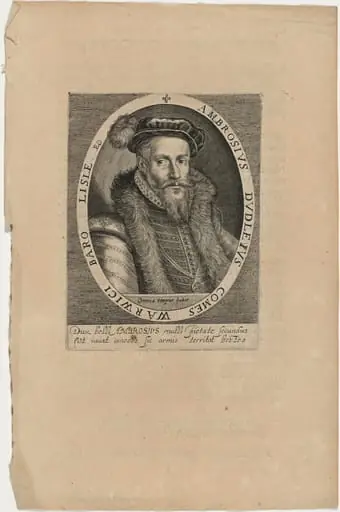 Ambrose Dudley, Earl of Warwick
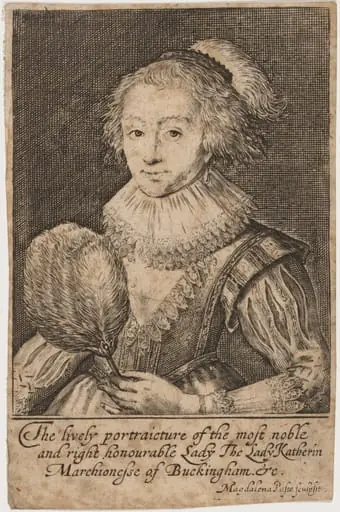 Catherine Manners, Duchess of Buckingham