Artwork
Gustavus Adolphus
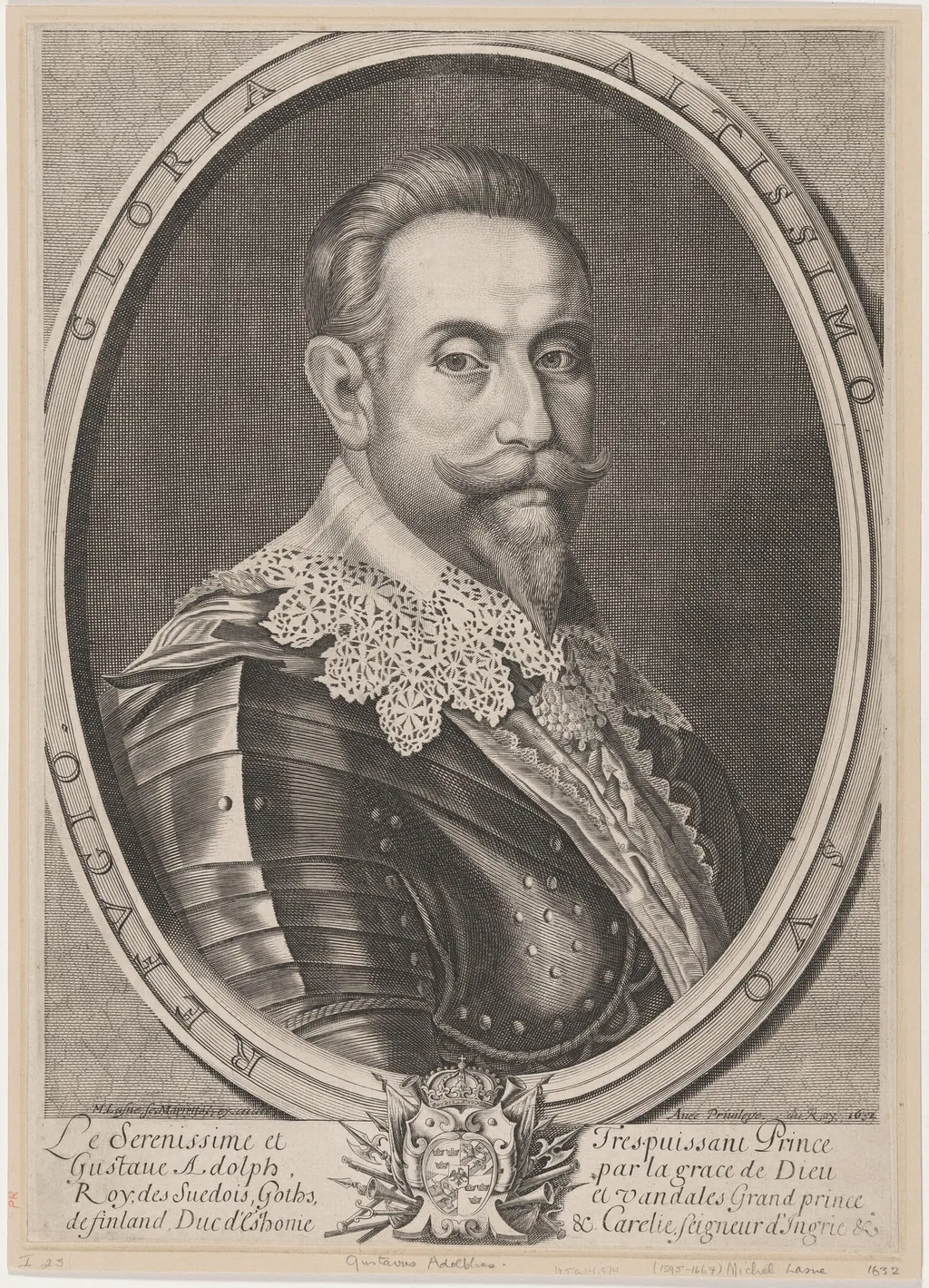
Gustavus Adolphus is an ink print by the Baroque artist Michel Lasne. It dates from 1632 and is held in the collection of the National Gallery of Art.
About this work
Overview
This 1632 engraving by Michel Lasne portrays Gustavus Adolphus, King of Sweden, in formal military attire.
This 1632 engraving by Michel Lasne portrays Gustavus Adolphus, King of Sweden, in formal military attire. Executed in black ink on paper, the portrait captures the monarch’s likeness with precise linear detail. Lasne, a French artist trained in the Flemish tradition, used engraving to translate the presence of prominent figures into reproducible form, aligning with the era’s demand for authoritative portraiture.
Subject & Meaning
Gustavus Adolphus, a central Protestant leader in the Thirty Years’ War, is depicted not as a battlefield commander but as a composed statesman. His armor and lace collar suggest a fusion of martial authority and aristocratic refinement. The direct gaze and neutral background emphasize his solemn dignity, reinforcing his public image as a disciplined ruler rather than a conqueror.
Technique & Style
Lasne employed fine, controlled lines to model form and texture, particularly in the armor’s surface and the delicate folds of the lace collar. The tonal gradations are achieved through cross-hatching and stippling, typical of Baroque printmaking. The solid dark background isolates the figure, focusing attention on facial expression and costume, a method common in portrait engravings of the period.
History & Provenance
Created in 1632, the engraving predates Lasne’s 1633 appointment as official engraver to Louis XIII. He had previously worked in Antwerp under Rubens and van Dyck, absorbing their compositional rigor. This portrait likely served political or diplomatic purposes, circulating among European courts to affirm Gustavus’s stature. Its survival reflects the value placed on such images as tools of state representation.
Context
During the early 1630s, European rulers increasingly commissioned engraved portraits to project power across borders. Lasne’s work fits within a network of printmakers who translated painted likenesses into widely distributed images. The portrait’s formal tone mirrors the broader Baroque emphasis on order and gravitas, even as the Thirty Years’ War reshaped the continent’s political landscape.
Legacy
Lasne’s engraving contributed to the visual record of Gustavus Adolphus, influencing later depictions of the king. Though not widely reproduced today, it remains a representative example of 17th-century French printmaking and the role of engravers in shaping public perception of political figures. Its technical precision continues to be studied as a model of Baroque portraiture in print.
Artist & collection
Artist
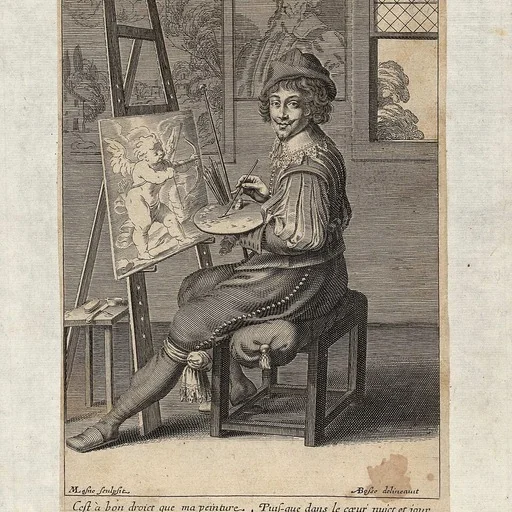
Michel Lasne (Caen, ca. 1590–4 December 1667, Paris), was a French engraver, draughtsman and collector. Lasne was born in Caen and was the son of a goldsmith. He was a member of the Guild of Saint Luke in Antwerp for…

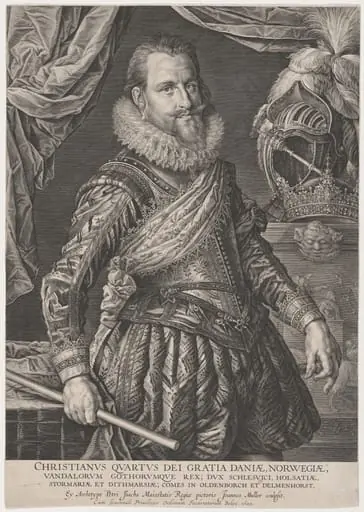 Christian IV of Denmark
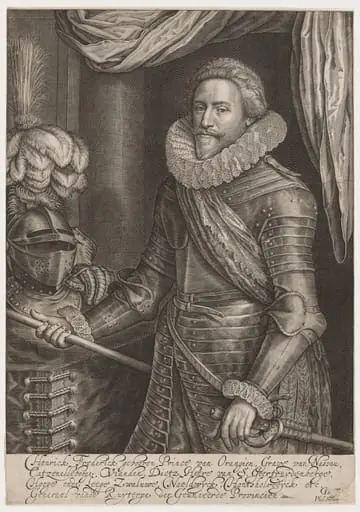 Frederick Henry, Prince of Orange
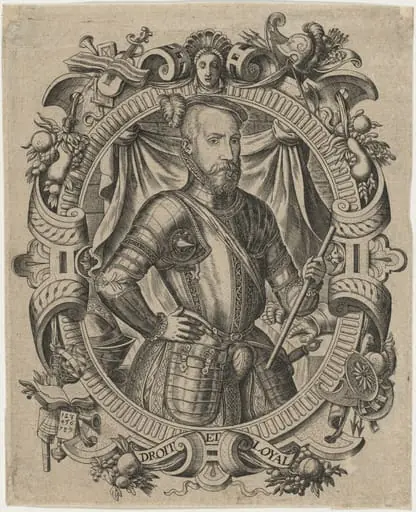 Robert Dudley, Earl of Leicester
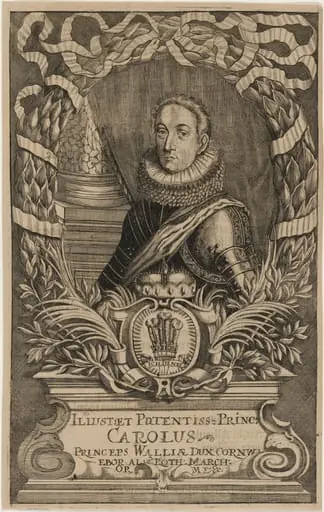 Charles I as Prince of Wales
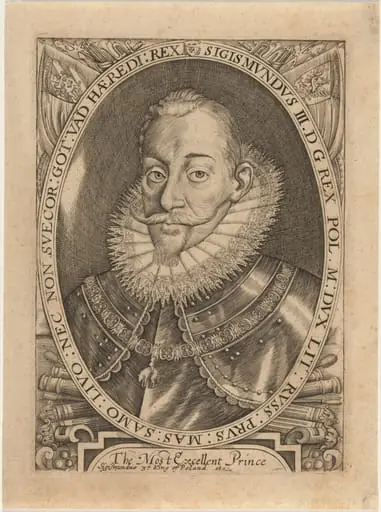 Sigismund III, King of Poland and Sweden
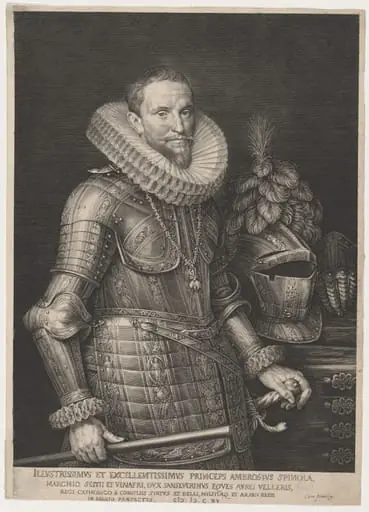 Ambroise Spinola, Spanish General in the Low Countries
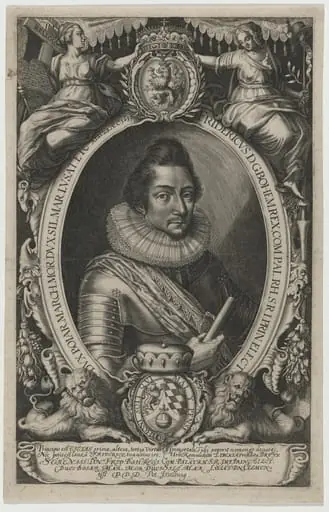 Frederick V, King of Bohemia
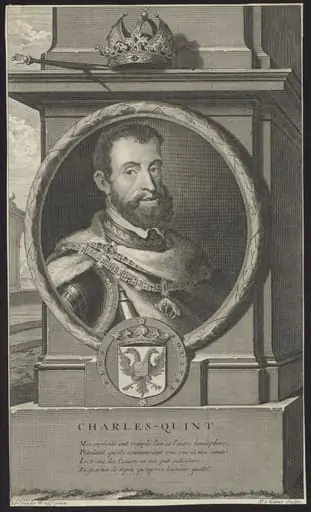 Portrait of the emperor Charles V
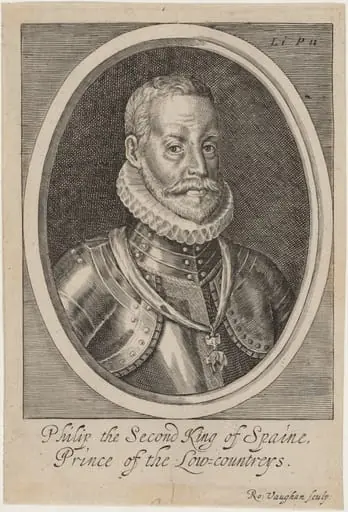 Philip II, King of Spain
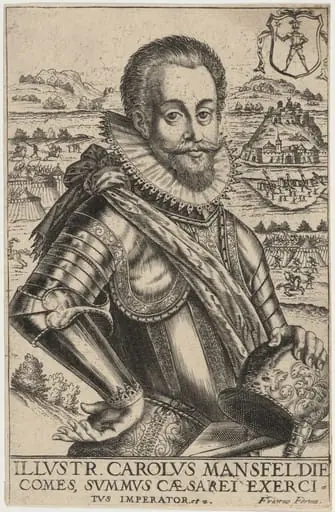 Charles von Mansfeld