Artwork
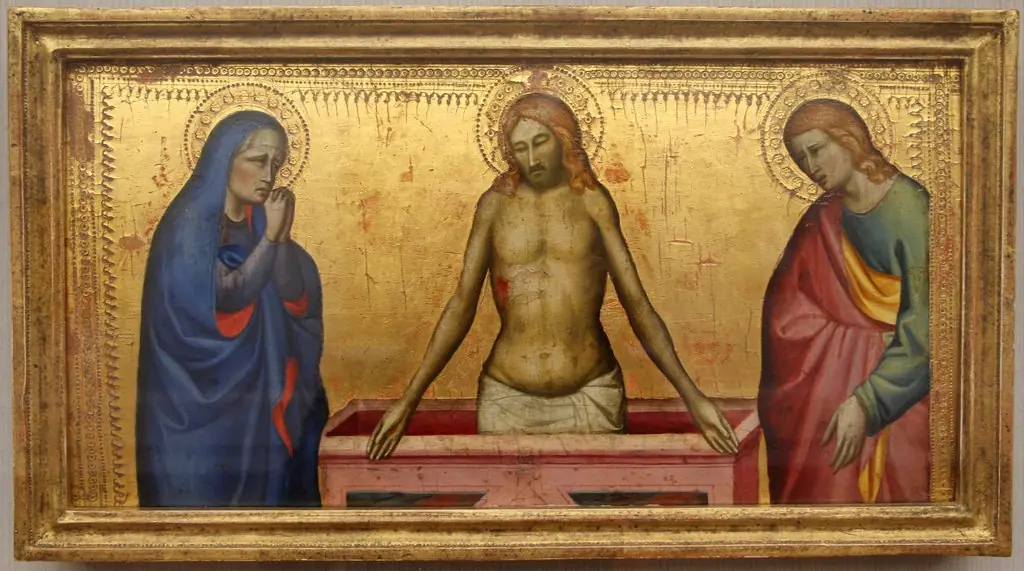
Christ in the tomb
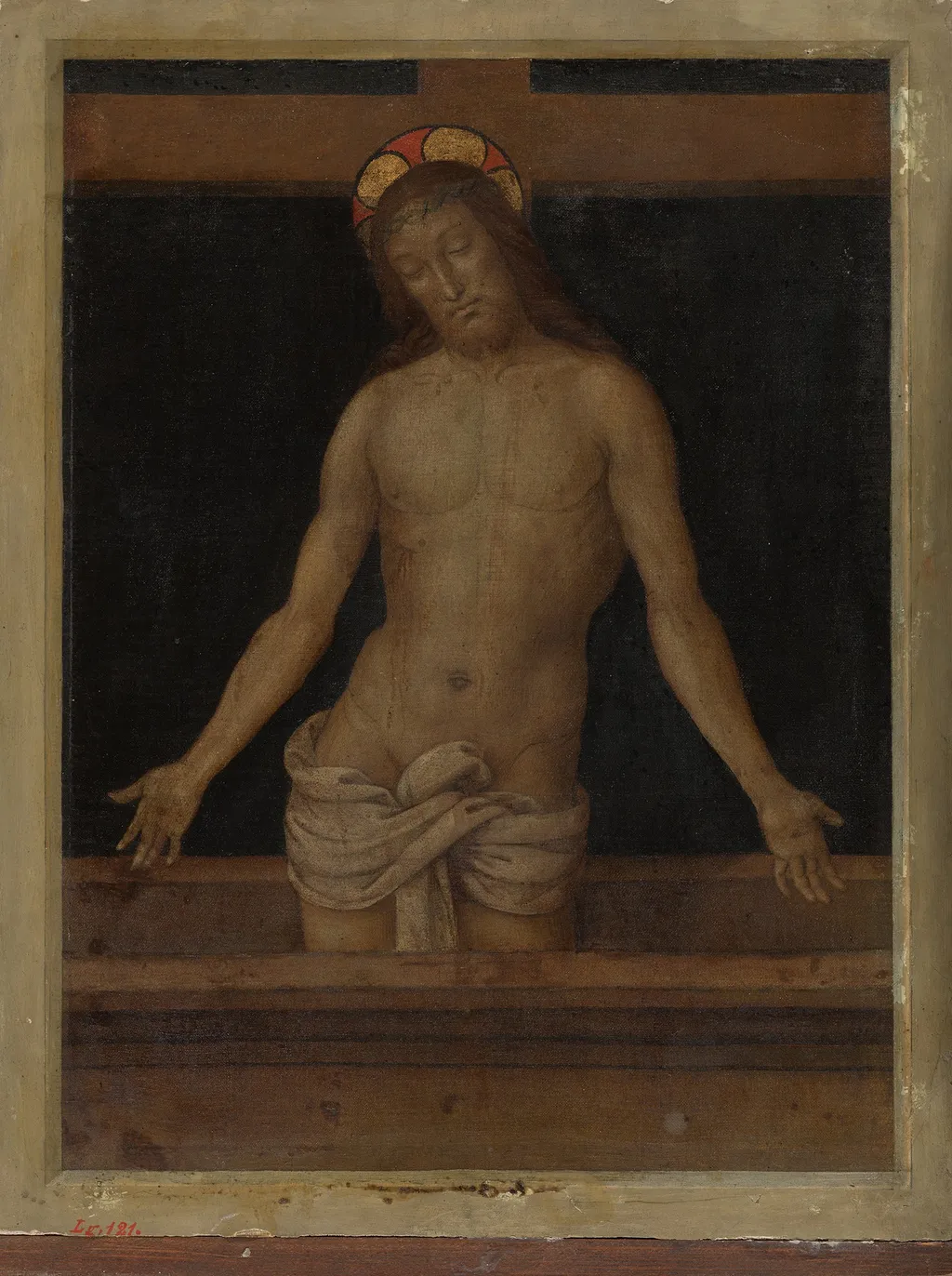
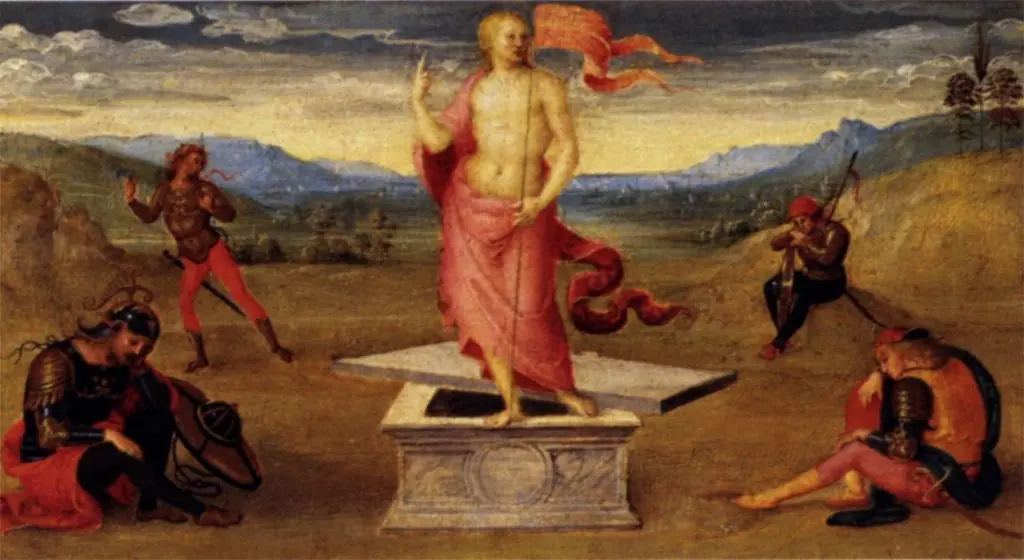
Christ in the tomb is a paint painting by the Early Renaissance artist Pietro Perugino. It dates from 1500 and is held in the collection of the Gemäldegalerie Berlin.
About this work
Overview
Created circa 1500 by the Umbrian painter Pietro Perugino, *Christ in the Tomb* is an oil painting on canvas now part of the Gemäldegalerie Berlin collection. The work presents a quiet, contemplative depiction of the dead Christ, rendered in the calm, balanced manner typical of Perugino’s late‑career output.
Subject & Meaning
The composition centers on the lifeless body of Christ, laid upon a wooden beam and modestly draped with a white cloth. A halo edged in red and gold crowns his head, emphasizing his sanctity. The subdued pose and tranquil atmosphere invite reflection on the theological themes of sacrifice and resurrection.
Technique & Style
Perugino employs a restrained chiaroscuro, using soft transitions between light and shadow to model Christ’s form and give it a three‑dimensional presence. The dark, gradated background recedes gently, enhancing the figure’s volume while maintaining the overall serenity of the scene.
History & Provenance
The painting was produced during the final phase of Perugino’s career, a period when his influence on younger artists, notably Raphael, was already evident. It entered the German national collection and is presently displayed in Berlin’s Gemäldegalerie, where it remains a representative example of early 16th‑century Italian devotional art.
Artist & collection
Artist
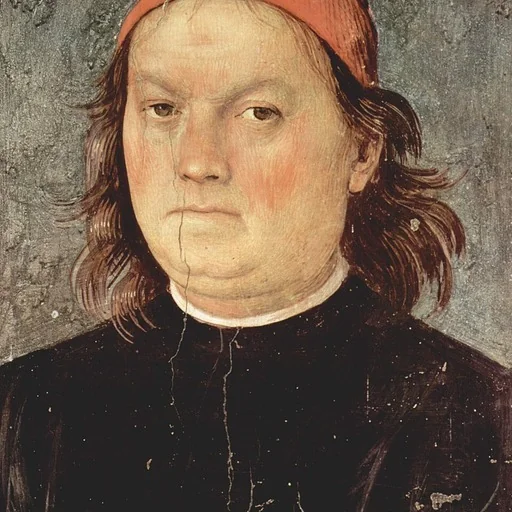
Pietro Perugino (US: PERR-ə-JEE-noh, -oo-; Italian: ; born Pietro Vannucci or Pietro Vanucci; c.

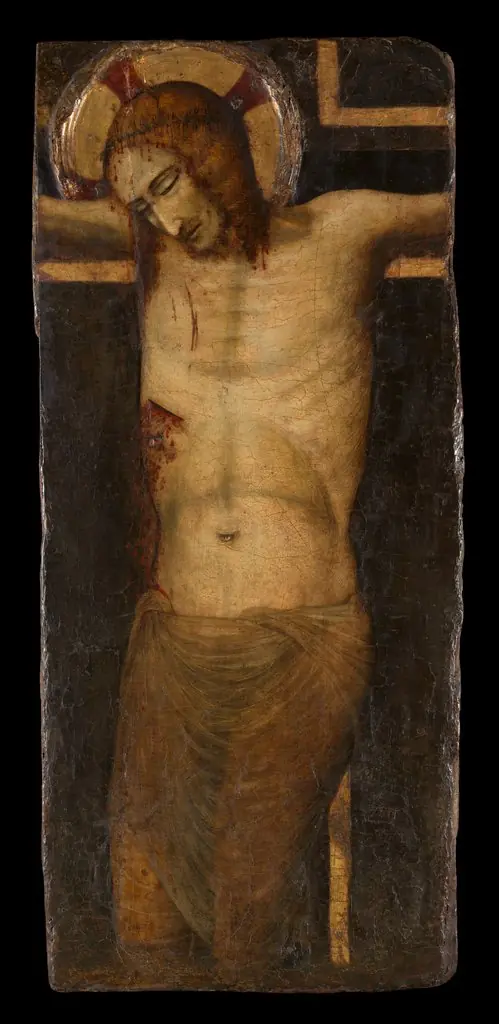 The Crucified Christ
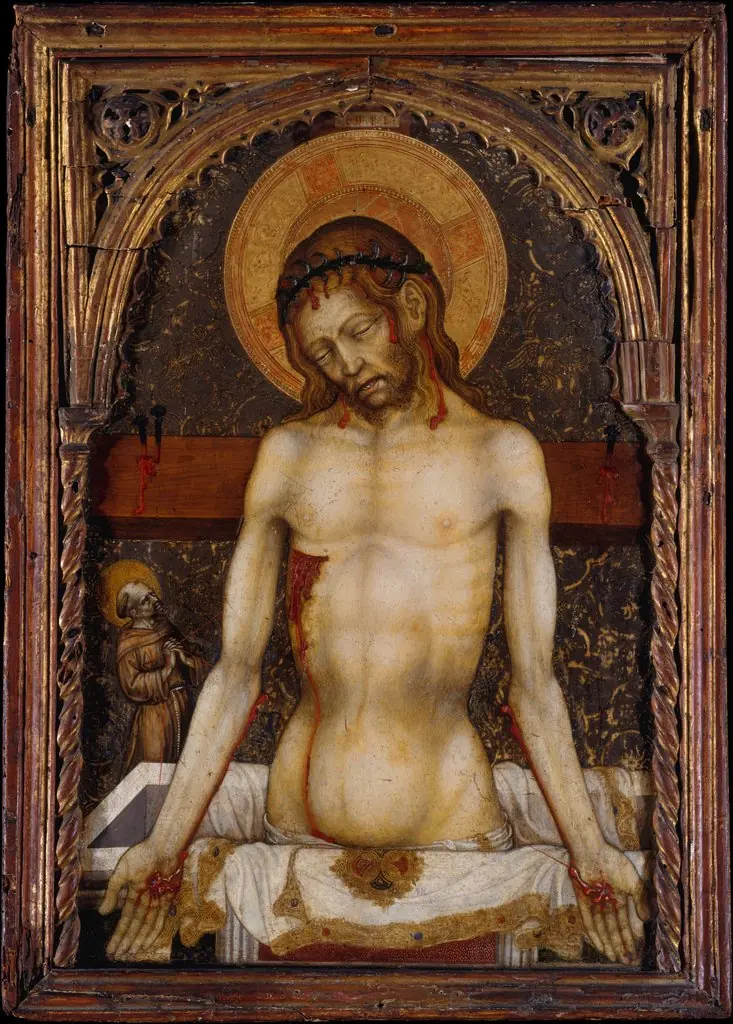 The Man of Sorrows
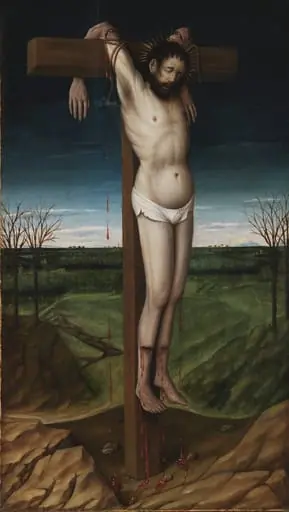 The Good Thief (Saint Dismas)
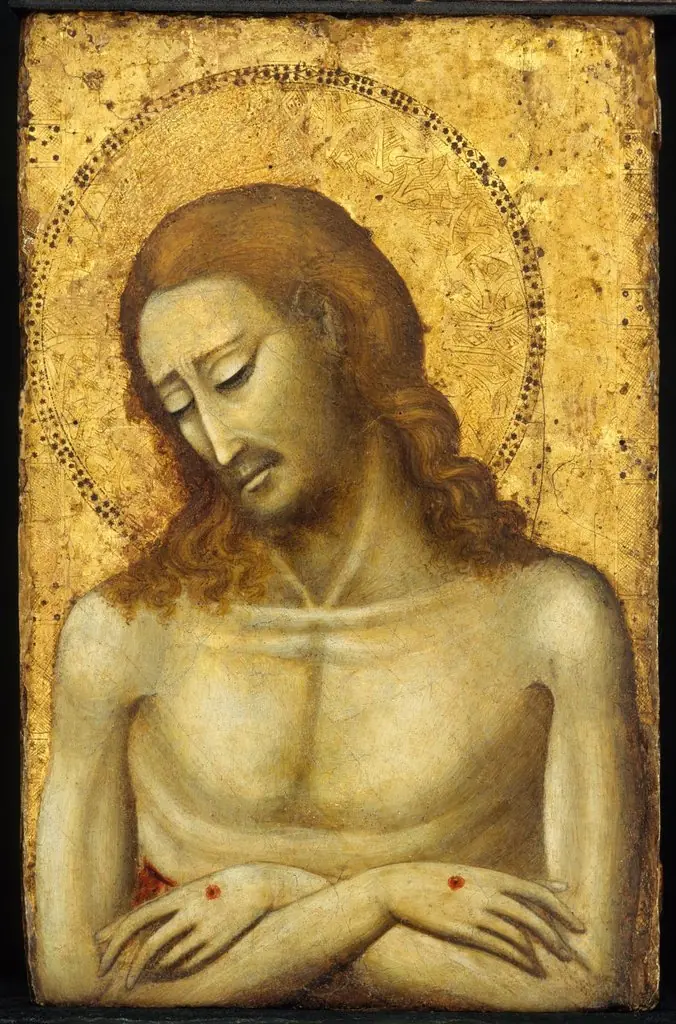 Man of Sorrows
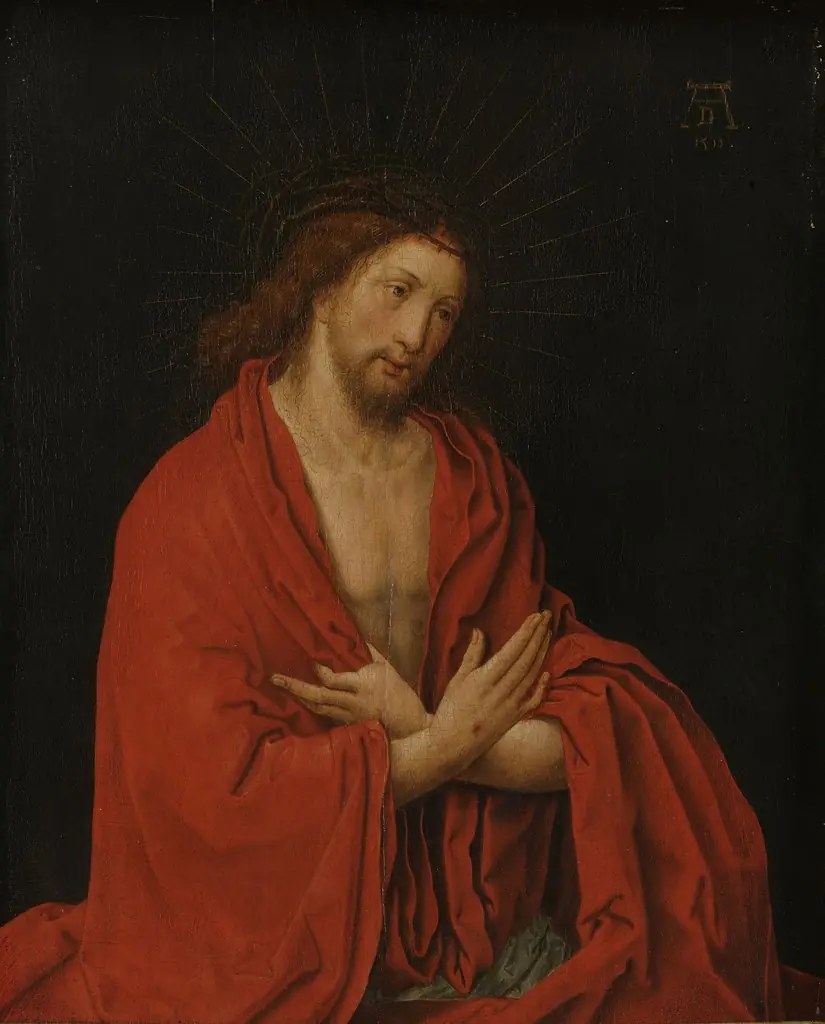 Inner left wing of a diptych with Christ as the Man of Sorrows
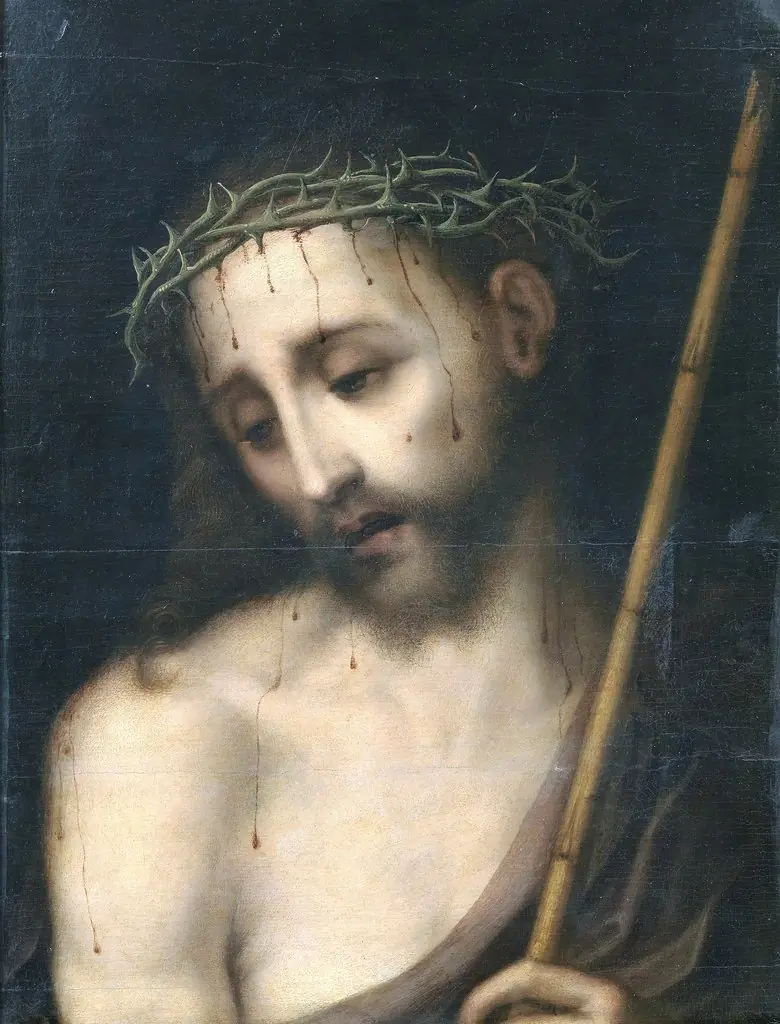 Ecce Homo
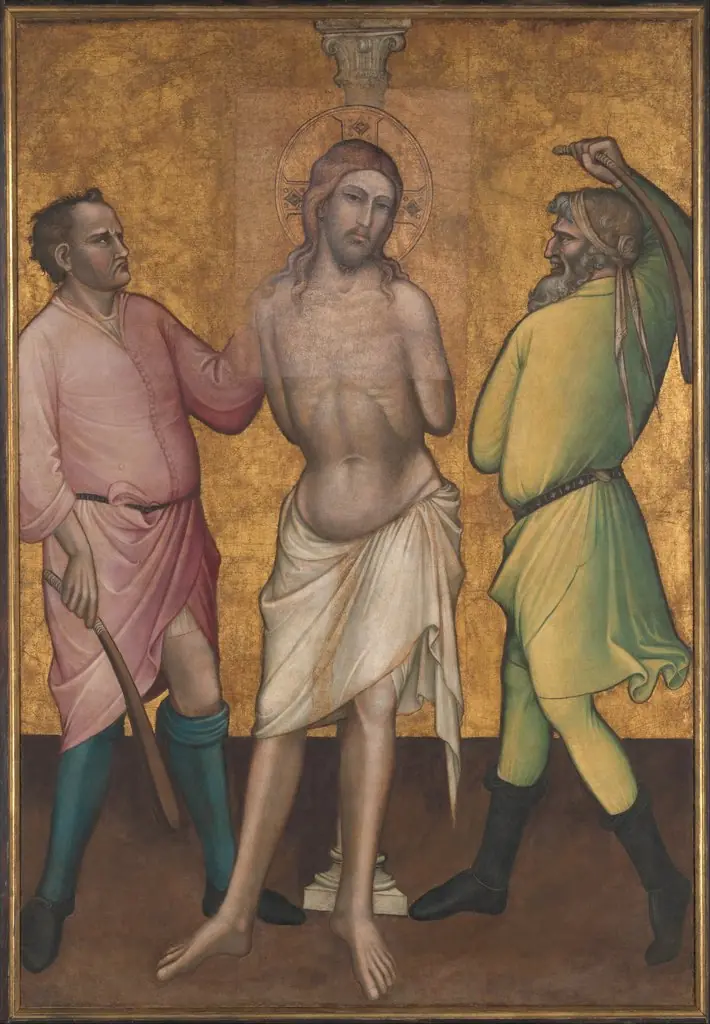 Saint Mary Magdalen Holding a Crucifix; (reverse) The Flagellation
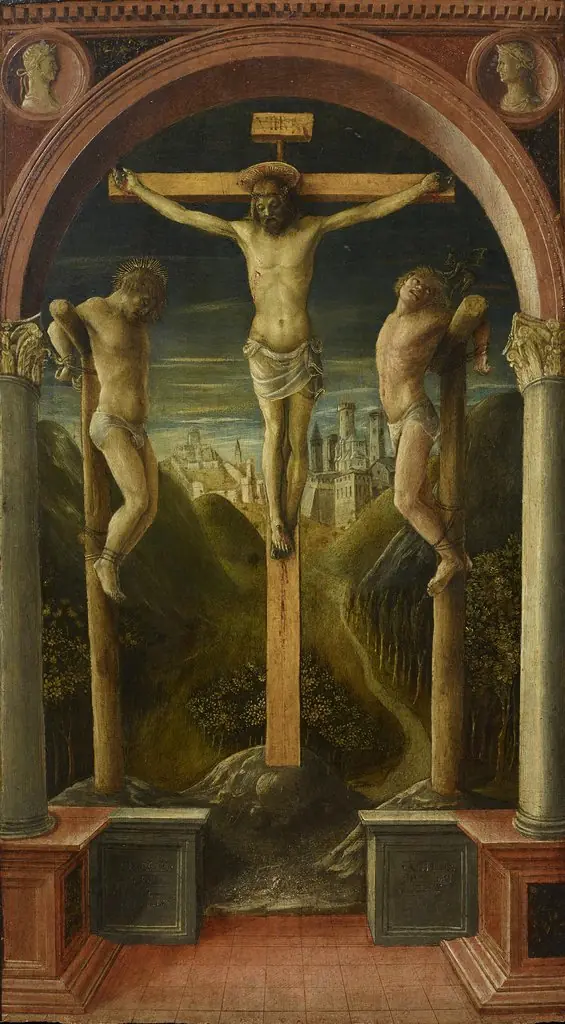 Crucifixion
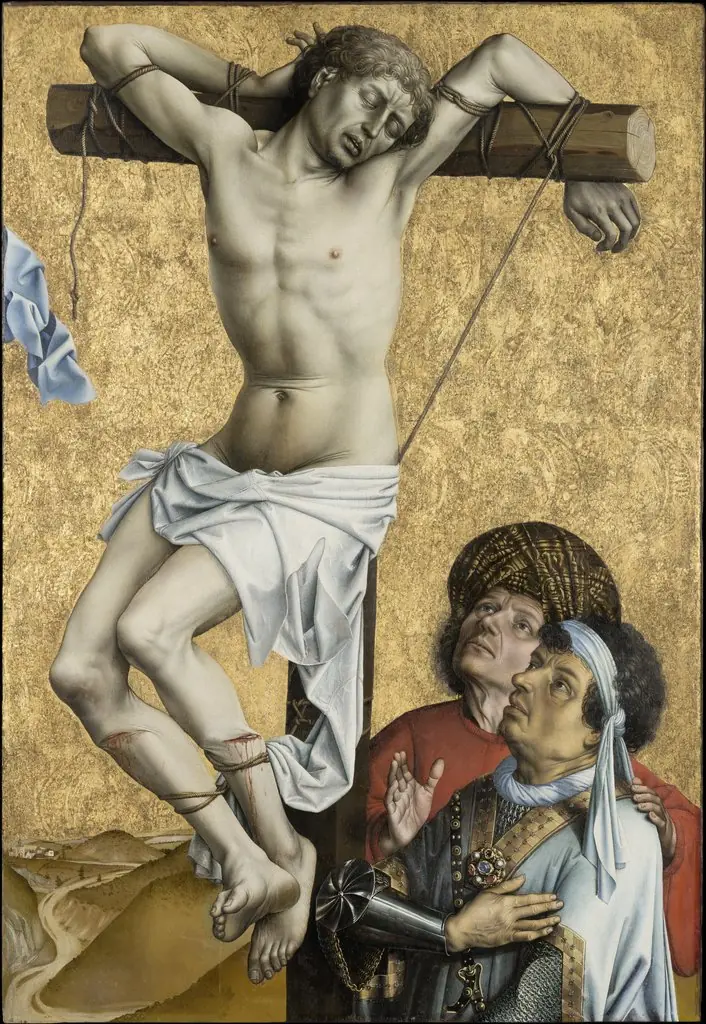 The Bad Thief to the Left of Christ
![Christ on the Cross [reverse], by Andrea di Bartolo](https://artifactworldgallery.com/img/andrea-di-bartolo--christ-on-the-cross-reverse--6bfe980f802a6327-w320.webp) Christ on the Cross [reverse]
Christ on the Cross [reverse]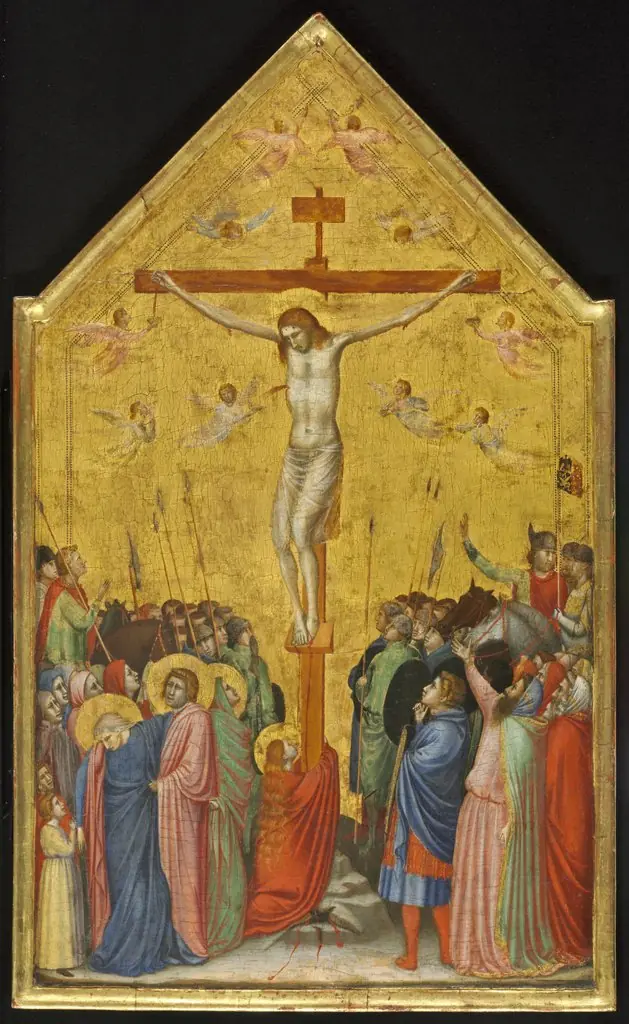 The Crucifixion of Christ
 Christ in the tomb