Artwork
The Holy Trinity
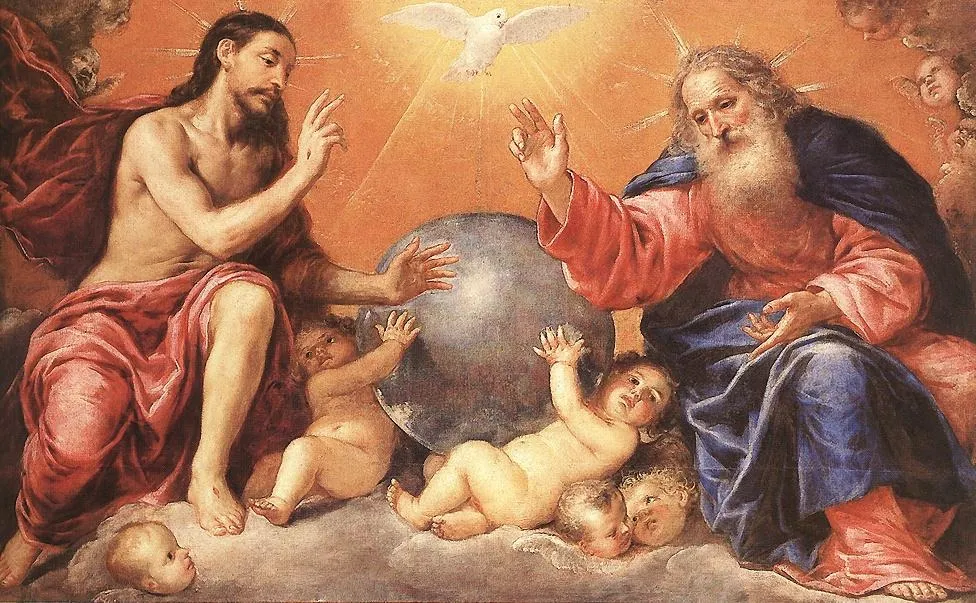
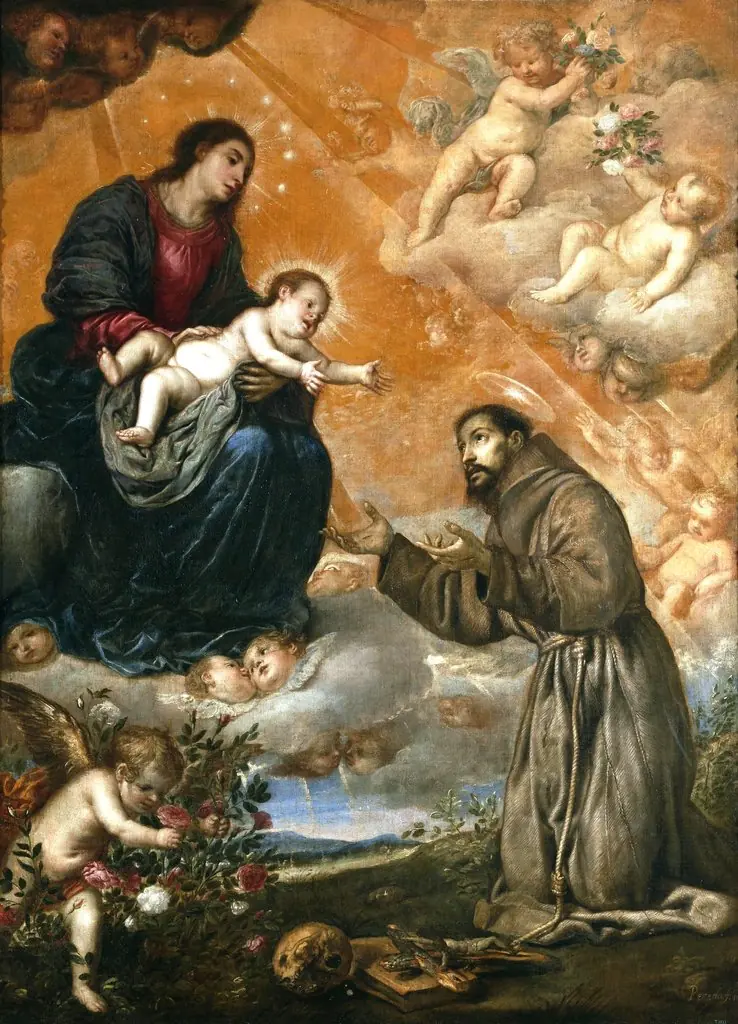
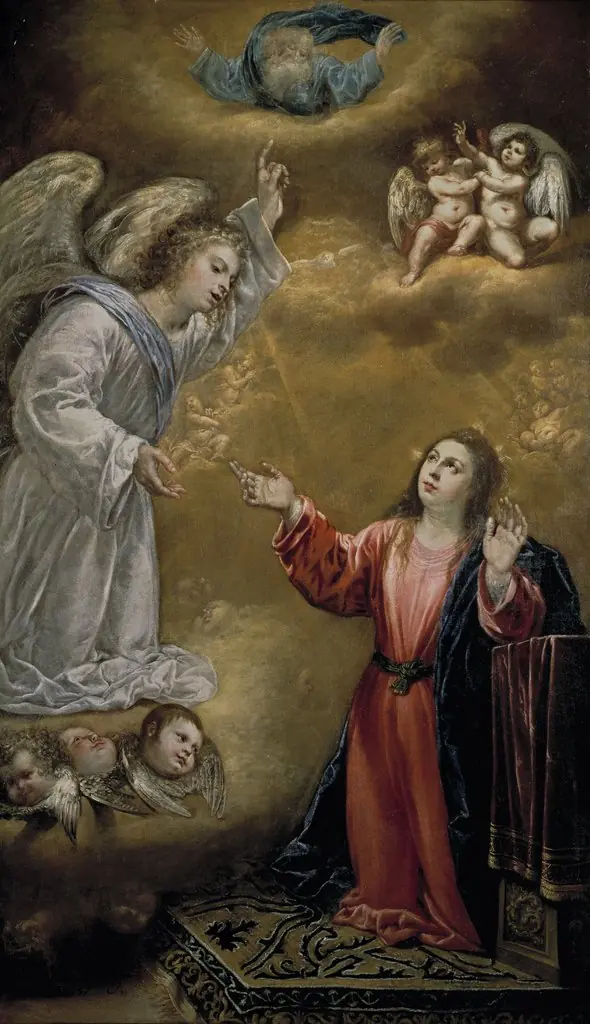
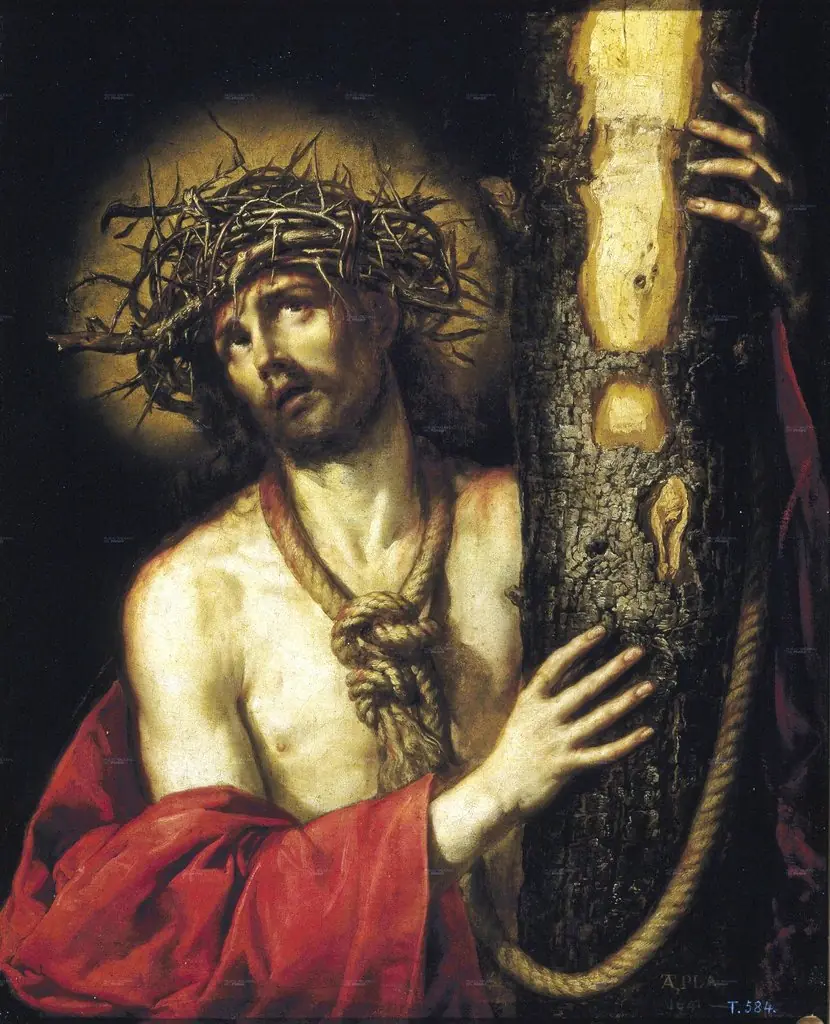
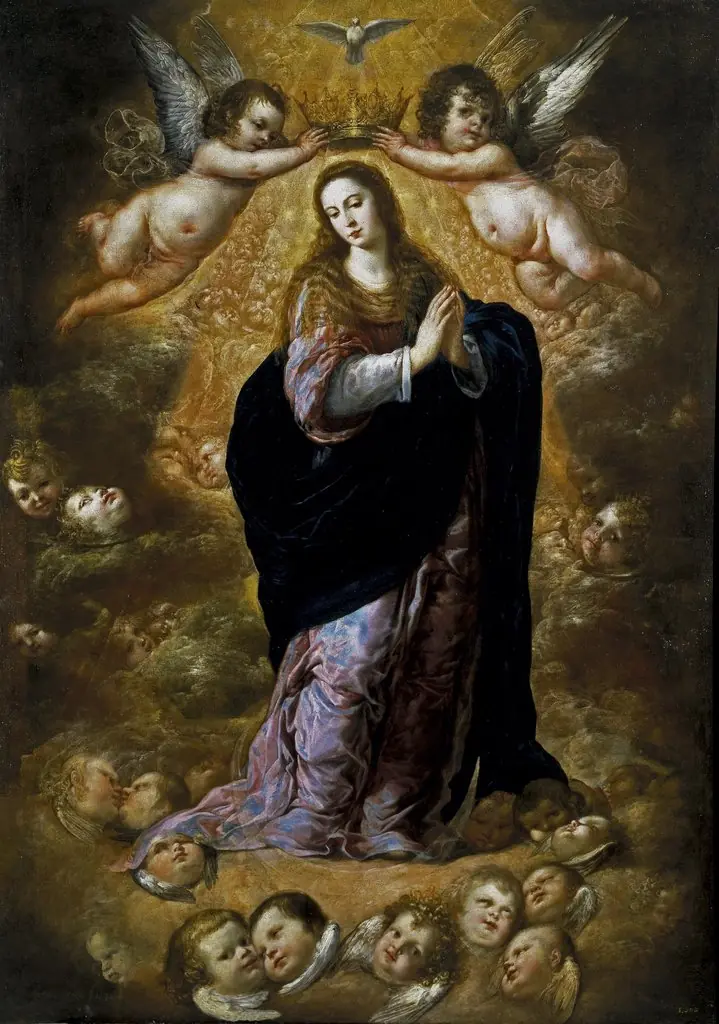
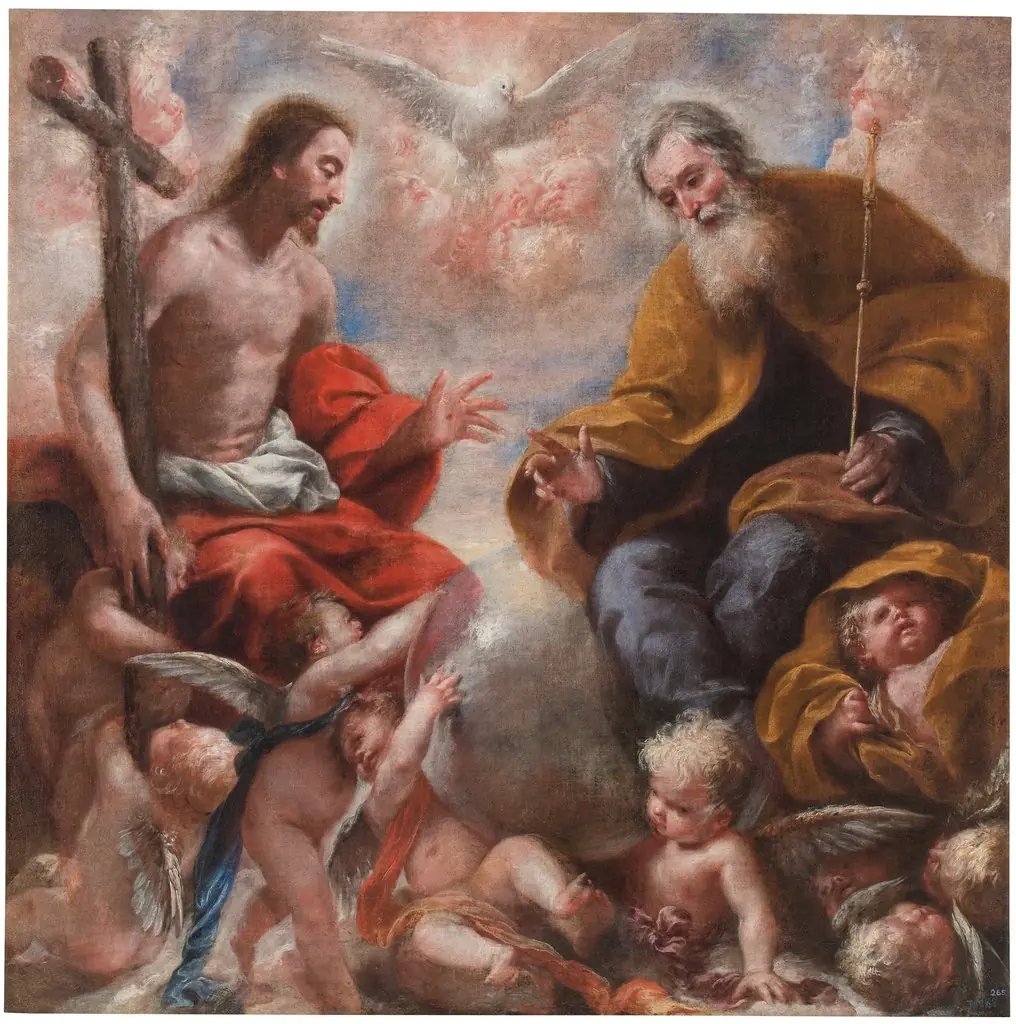
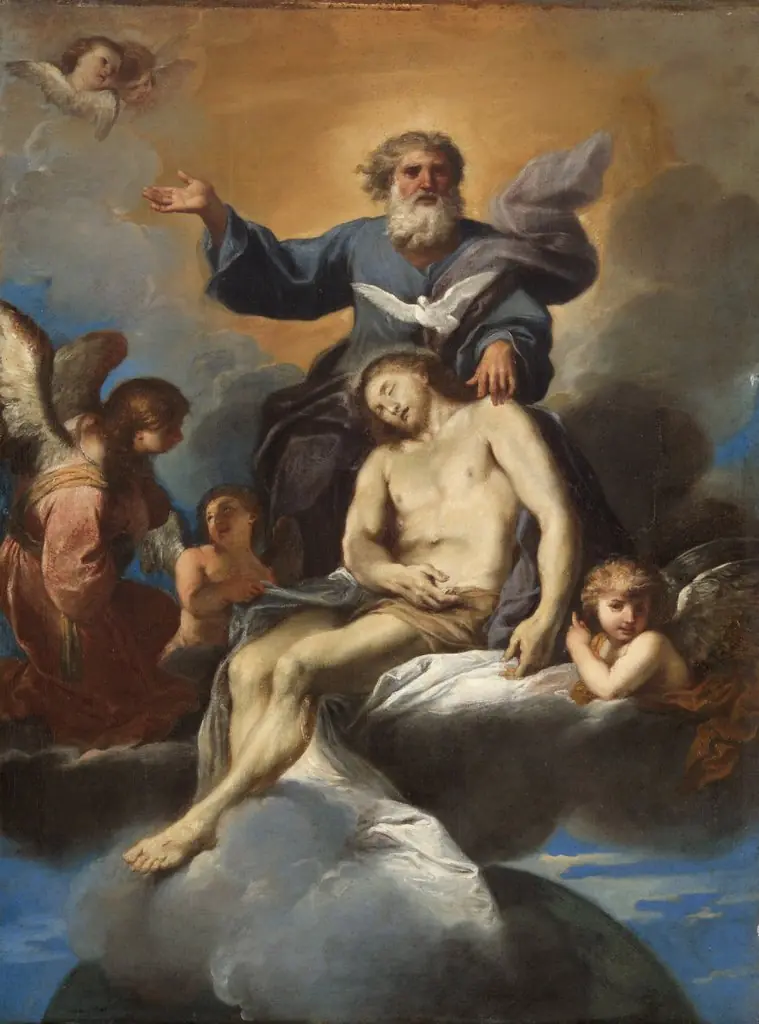
The Holy Trinity is an oil painting by the Early Baroque Italian artist Antonio de Pereda. It dates from 1659 and is held in the collection of the Museum of Fine Arts, Budapest.
About this work
Overview
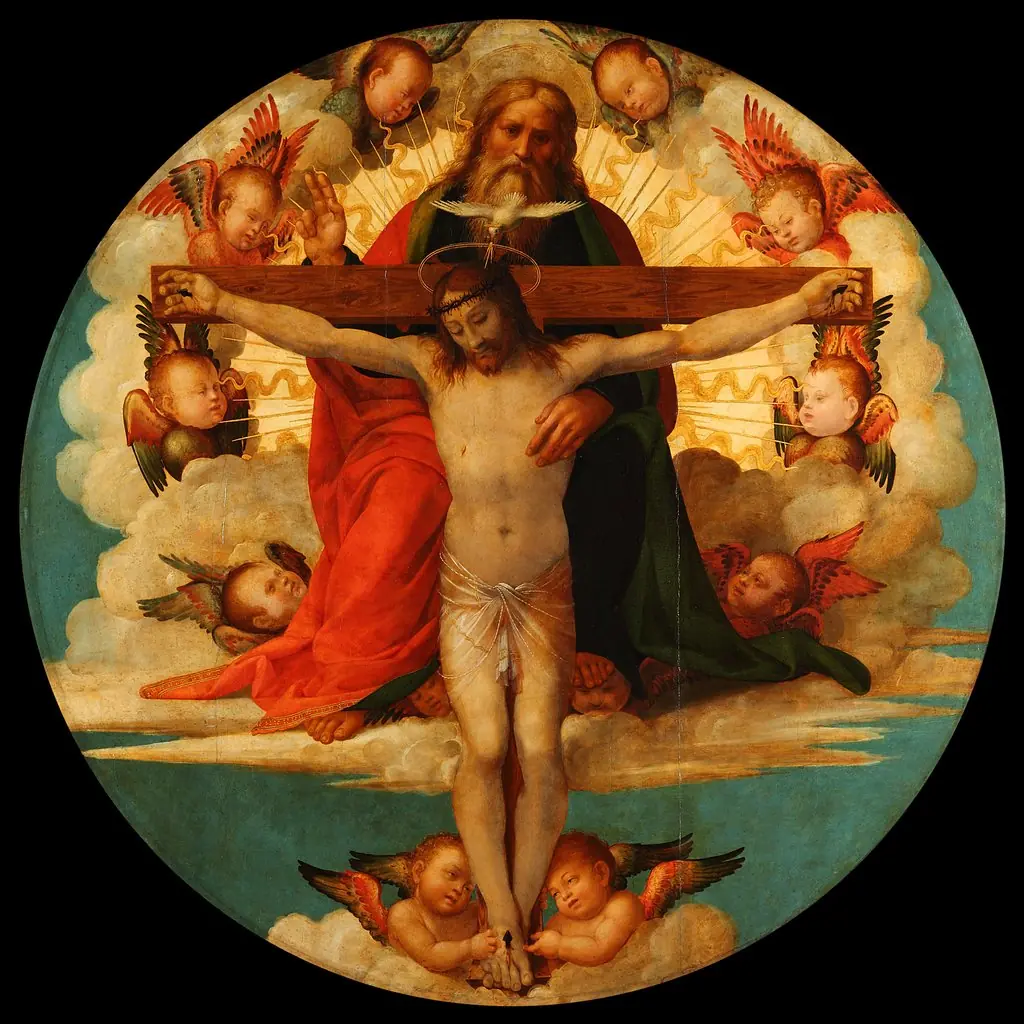
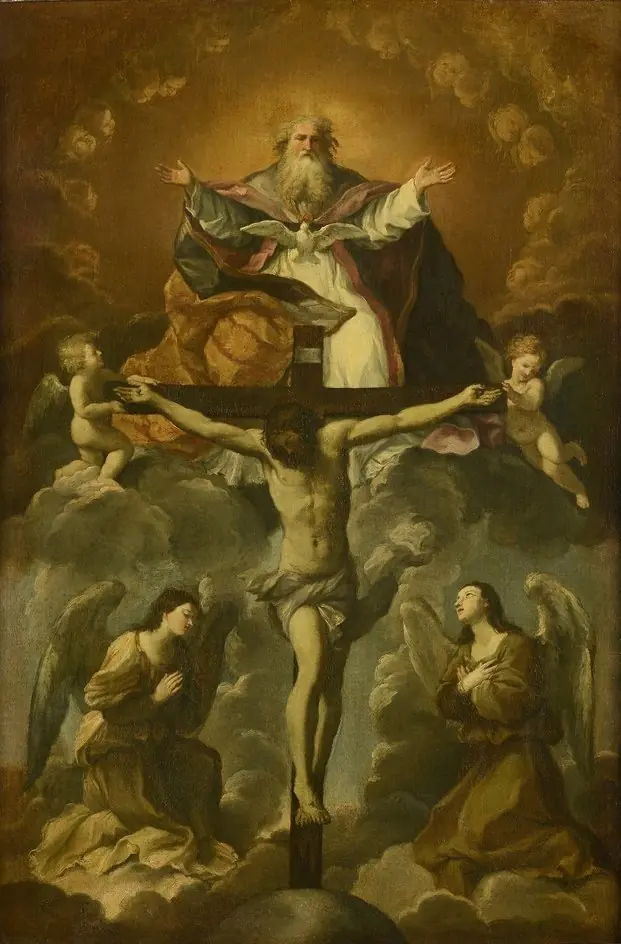
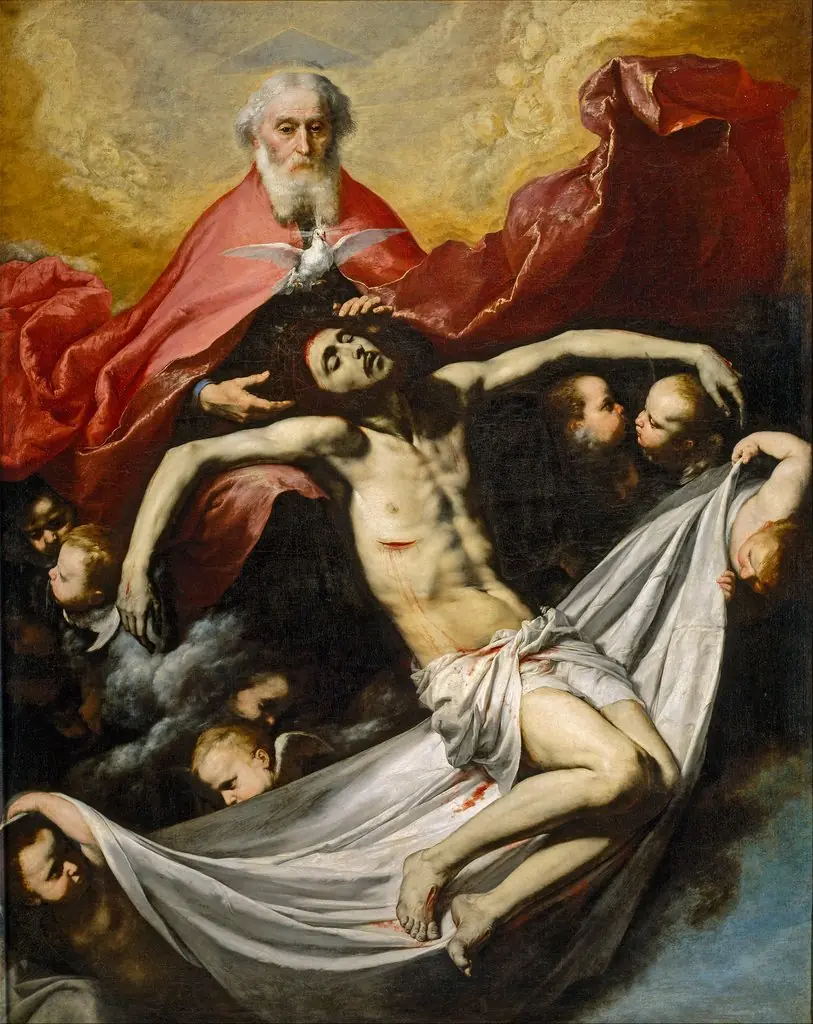
Created in 1659, *The Holy Trinity* is an oil on canvas by Spanish Baroque painter Antonio de Pereda. The work depicts a central, luminous sphere surrounded by three figures and a host of cherubic angels, set against a warm orange backdrop. A white dove hovers above, reinforcing the painting’s devotional tone. The piece is currently displayed in the Museum of Fine Arts in Budapest.
Subject & Meaning
The composition centers on a gray orb that symbolizes the divine mystery of the Trinity, flanked by two human figures—traditionally identified as God the Father and Christ—each rendered with distinct hair and drapery. The surrounding cherubs and the dove, a traditional emblem of the Holy Spirit, combine to convey a unified vision of Christian doctrine and celestial reverence.
Technique & Style
De Pereda employs the precise, meticulous brushwork for which his still‑life oeuvre is known, adapting it to a religious narrative.
De Pereda employs the precise, meticulous brushwork for which his still‑life oeuvre is known, adapting it to a religious narrative. The chiaroscuro of the orange background against the cooler tones of the figures creates depth, while the delicate rendering of the cherubs’ wings and the translucent dove demonstrates a refined handling of light and texture typical of early Baroque Italian influences.
History & Provenance
Although primarily celebrated for his still‑life paintings, de Pereda produced this religious commission later in his career. After changing hands among private collections, the canvas entered the Museum of Fine Arts, Budapest, where it has been part of the European Baroque holdings since the early twentieth century, providing scholars a rare example of his devotional work.
Context
The painting reflects the Counter‑Reformation’s emphasis on clear, emotionally resonant imagery designed to inspire piety. Executed during the height of the Baroque period, it incorporates Italian stylistic elements—dramatic lighting, dynamic composition, and a focus on spiritual experience—while retaining a distinctly Spanish sensibility in its restrained color palette and meticulous detail.
Artist & collection
Artist
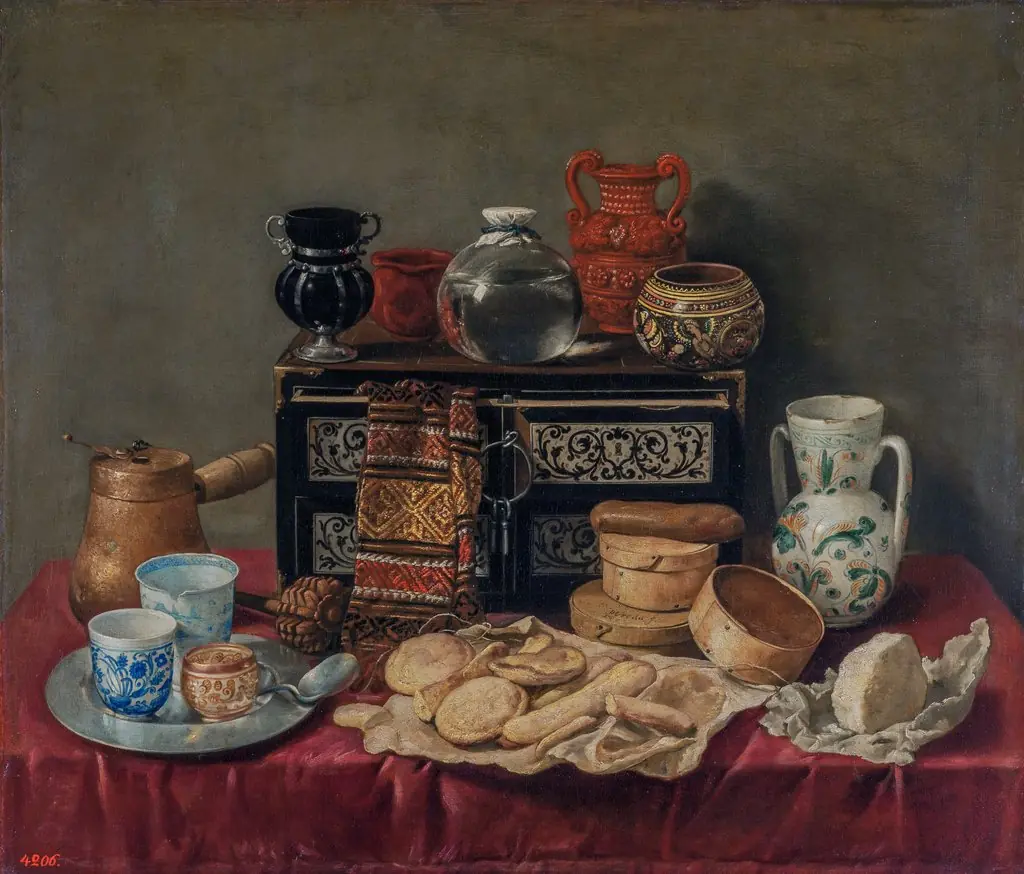
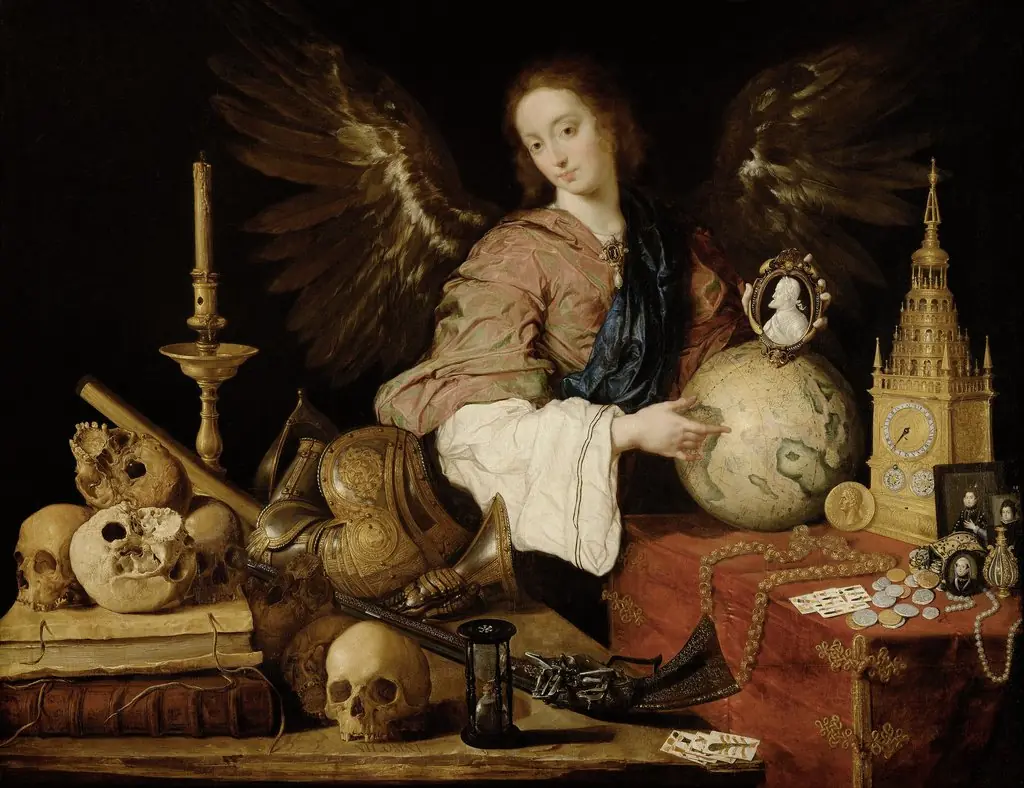
Antonio de Pereda y Salgado (c. 1611 – January 30, 1678) was a Spanish Baroque-era painter, best known for his still lifes.