Artwork
Virgin and Child
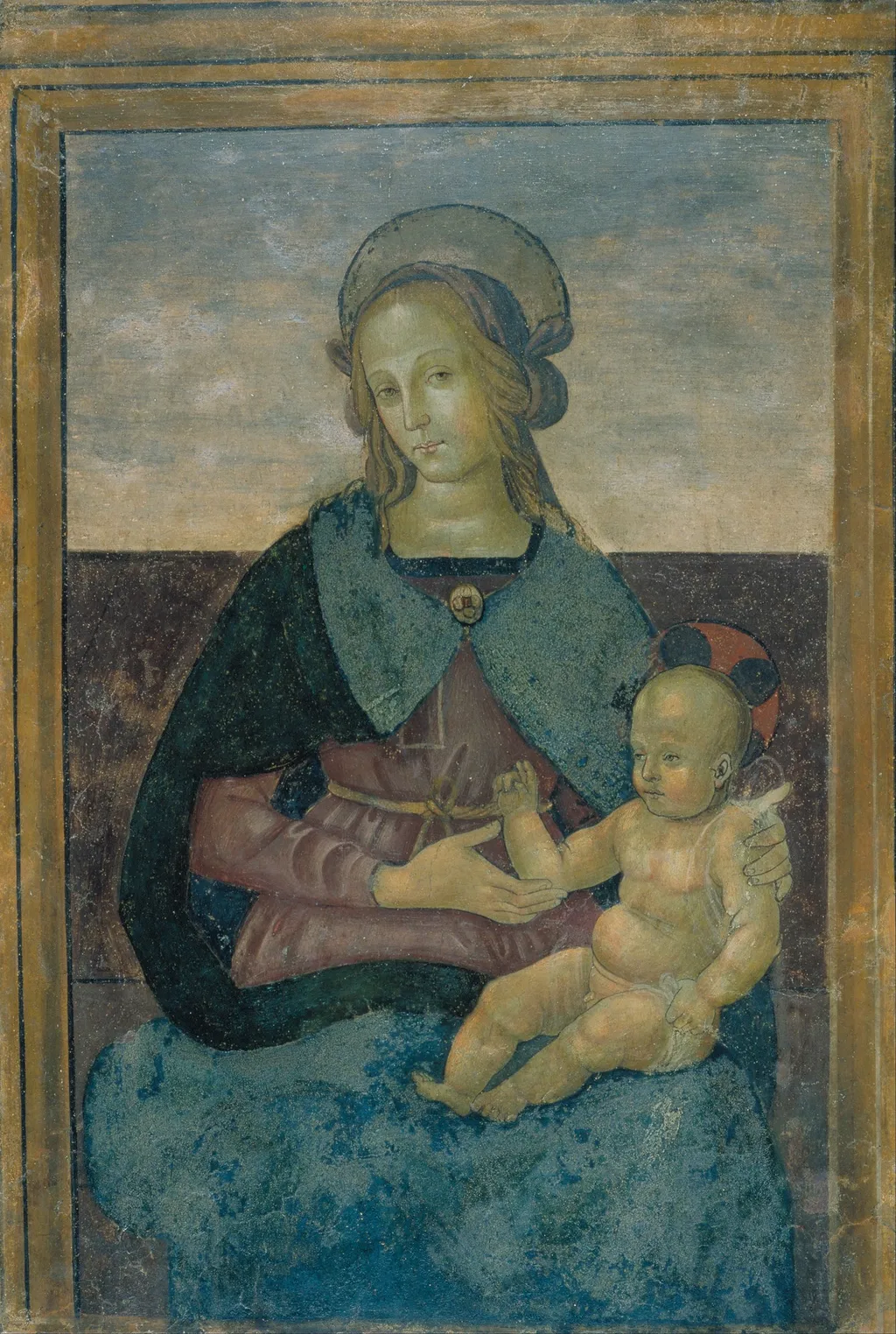
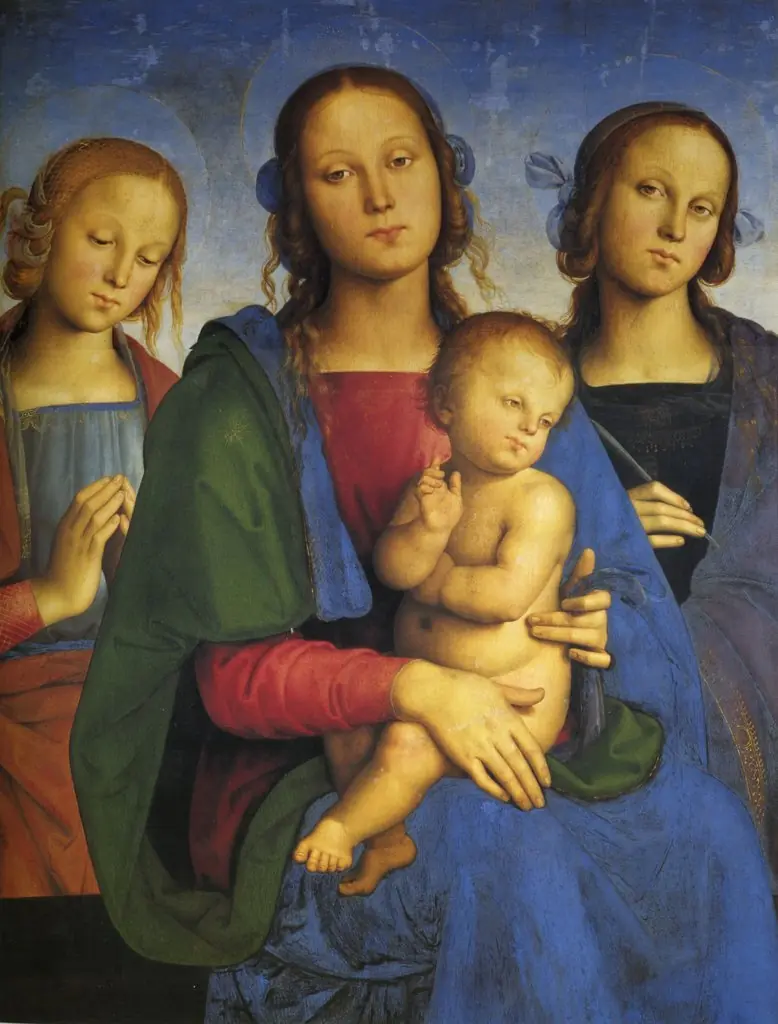
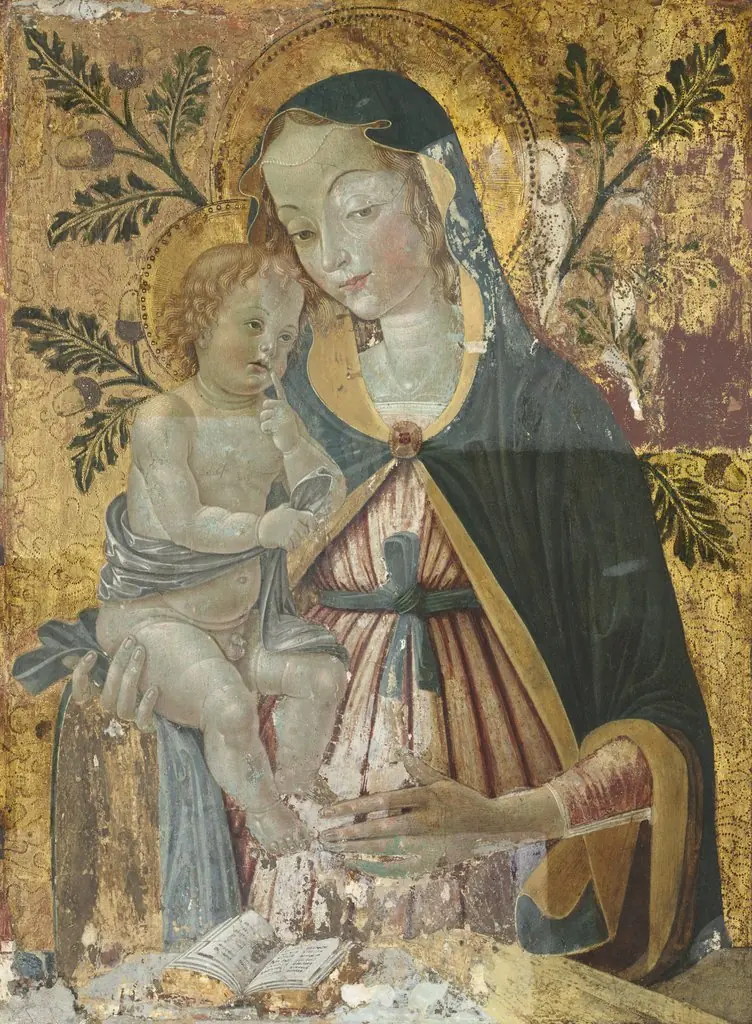
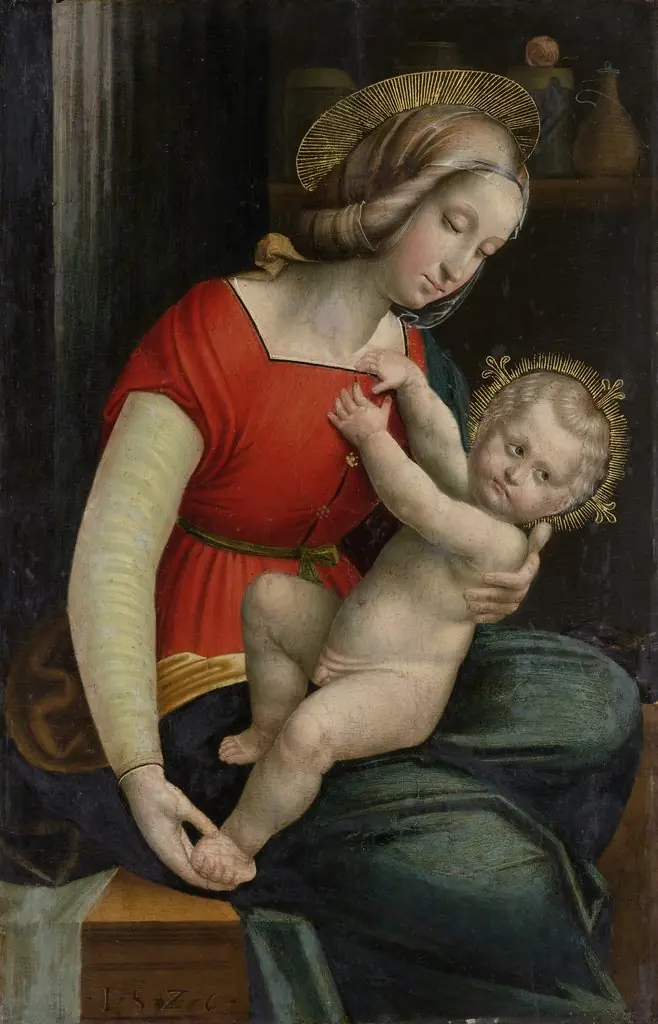
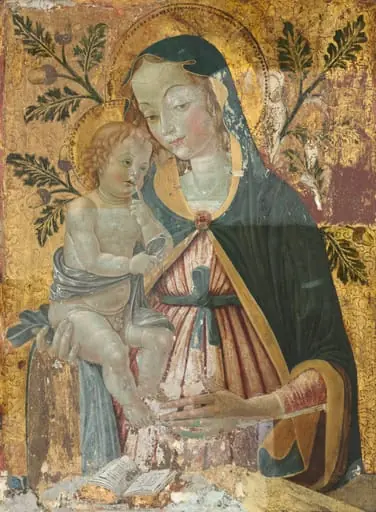
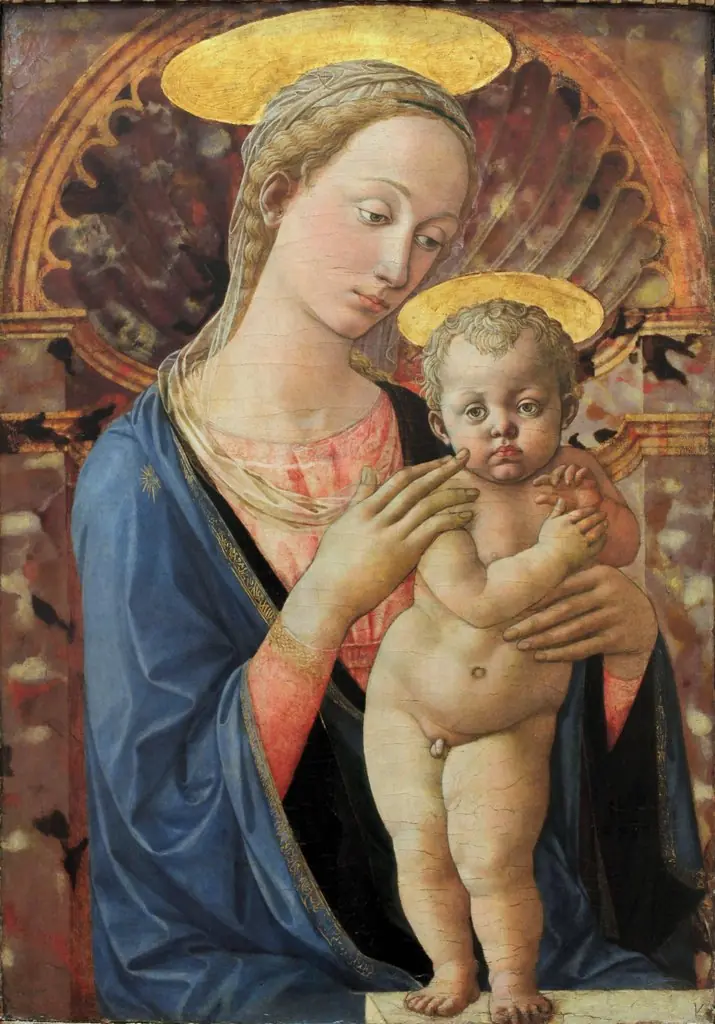
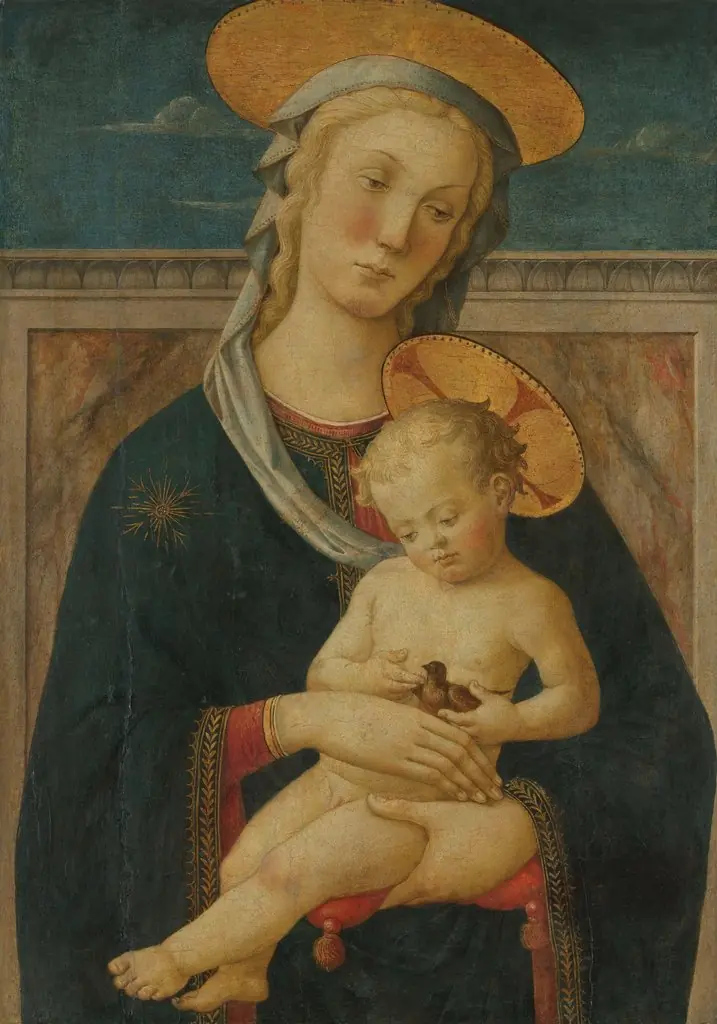
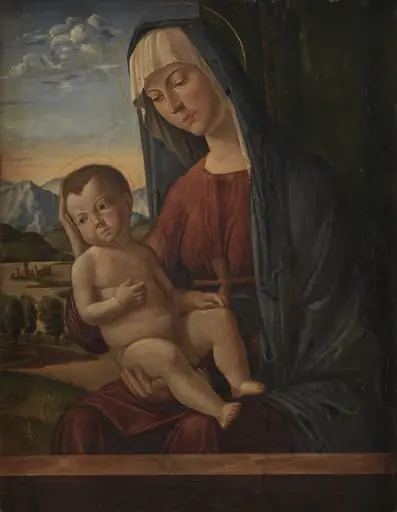
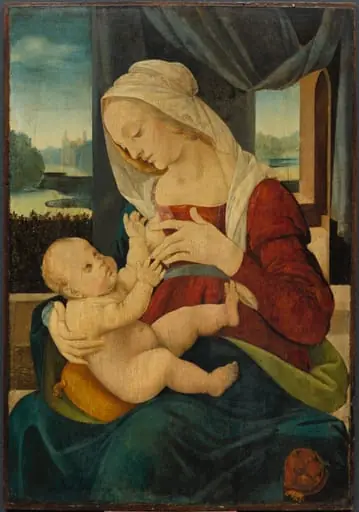
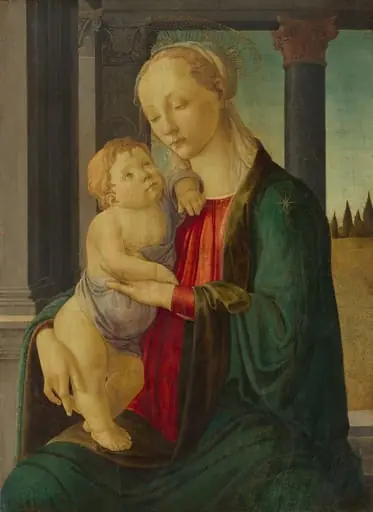
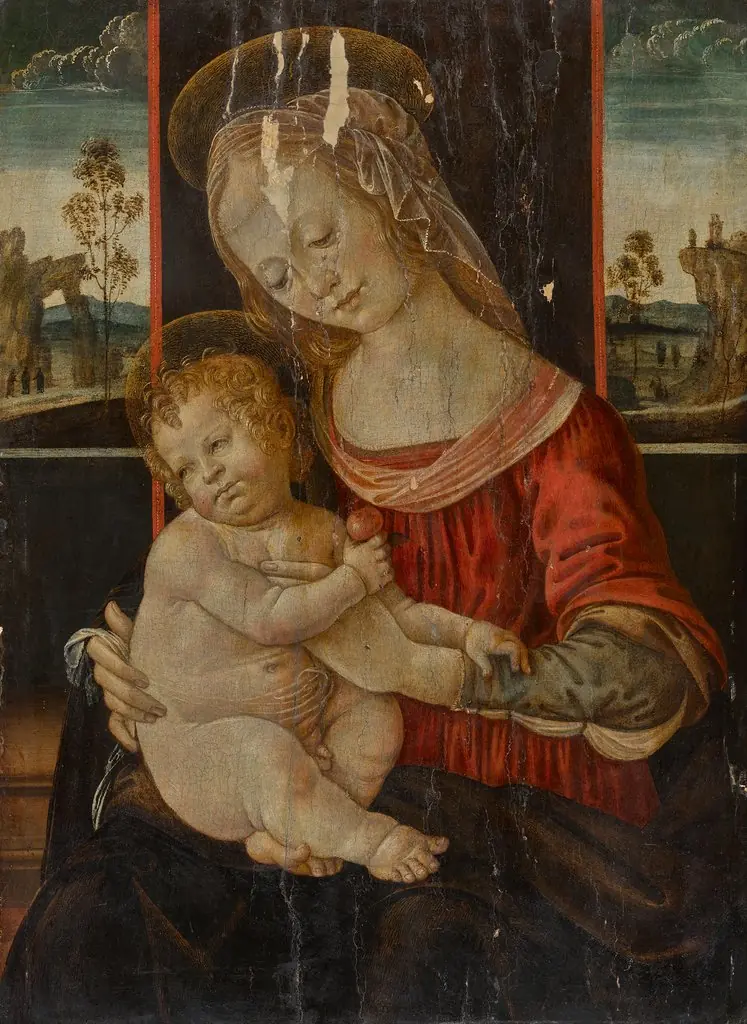
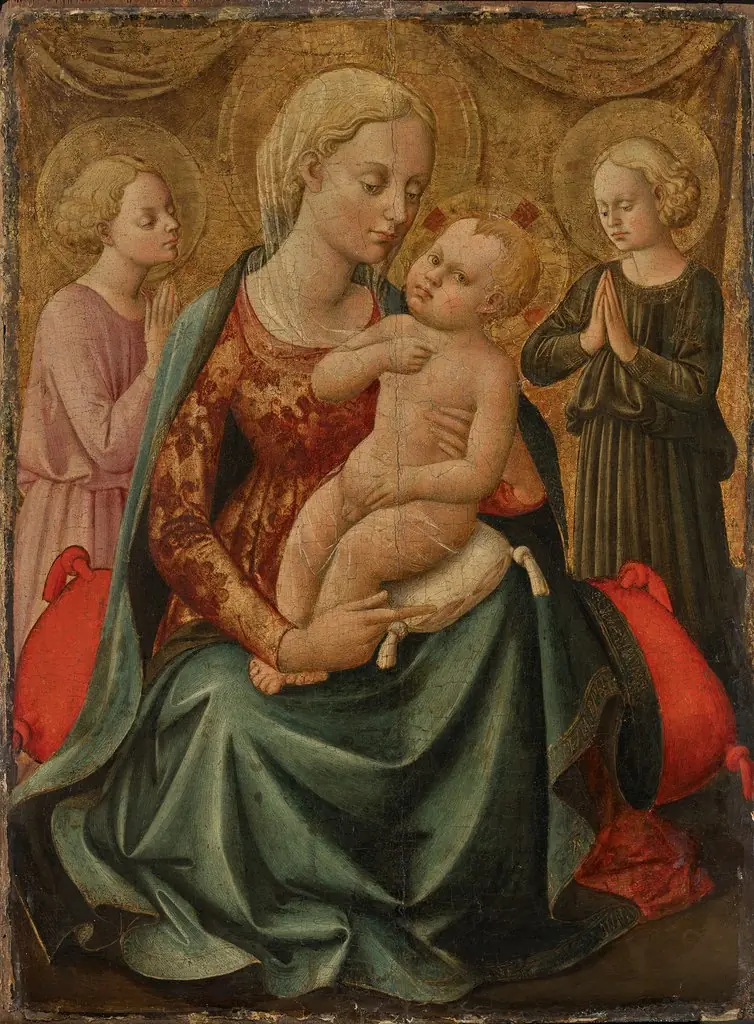
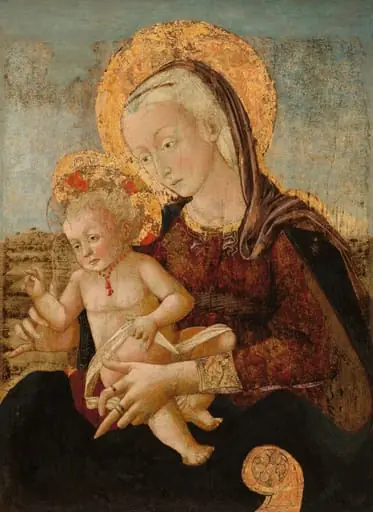
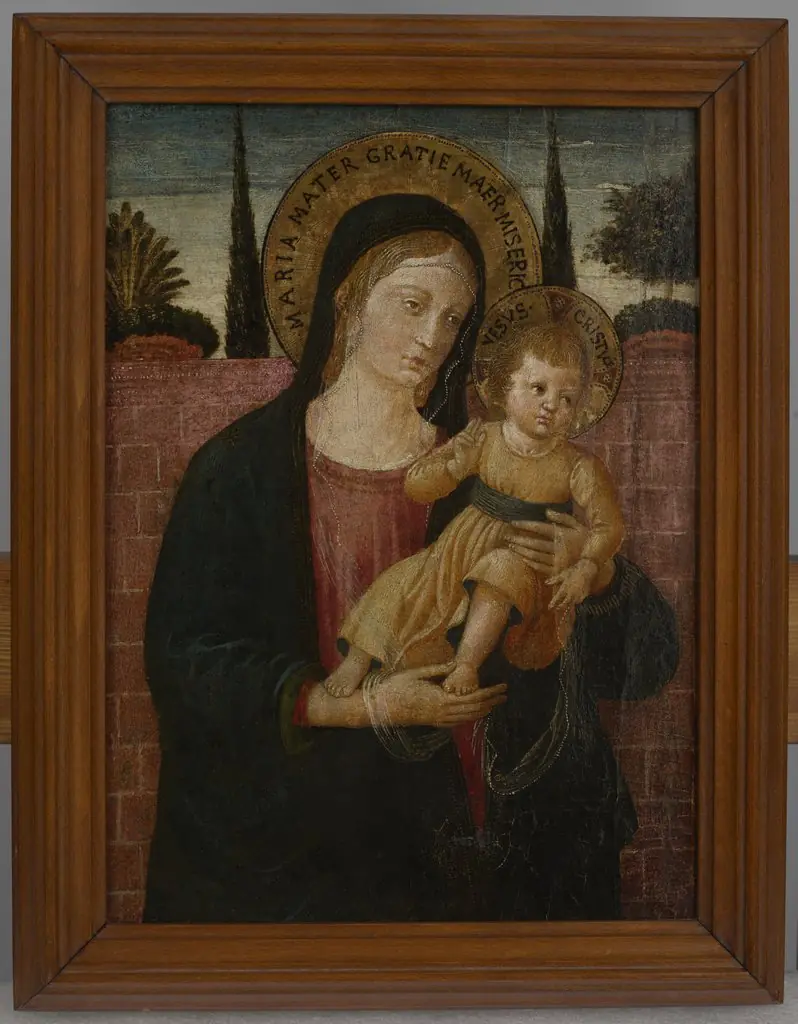
Virgin and Child is an unspecified painting by Pietro Perugino. It dates from 1495 and is held in the collection of the Museu Nacional d'Art de Catalunya. Created circa 1495, this panel portrays the Virgin Mary cradling the infant Christ.
About this work
Overview
Created circa 1495, this panel portrays the Virgin Mary cradling the infant Christ. Executed in the Italian Renaissance, the composition emphasizes a calm, intimate interaction between mother and child, set against a muted sky and a dark architectural wall.
Subject & Meaning
Mary is shown in a blue mantle over a red dress, a traditional color scheme symbolizing purity and love, while the Christ Child is modestly wrapped at the waist. The gentle gesture and serene expressions convey devotional tenderness, inviting contemplation of the divine motherhood.
Technique & Style
The work reflects the Umbrian school’s characteristic clarity and balanced arrangement. Soft modeling of flesh, delicate chiaroscuro, and a harmonious palette echo the graceful elegance associated with Perugino’s workshop, anticipating the refined approach later seen in Raphael’s early pieces.
History & Provenance
The painting is part of the Museu Nacional d'Art de Catalunya’s collection. Though attributed to Perugino, scholarly consensus places it within his circle, dating it to the late 15th century, a period when the artist’s influence spread across central Italy.
Context
During the High Renaissance, Marian imagery was central to devotional practice. This piece aligns with contemporary trends that favored intimate, humanized portrayals of sacred figures, moving away from the more hierarchical medieval conventions.
Artist & collection
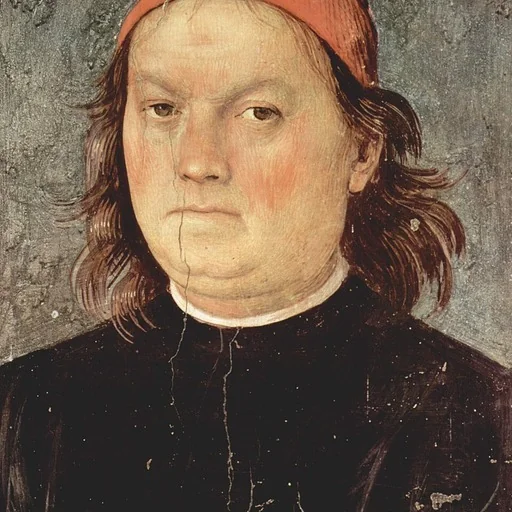
Artist
Pietro Perugino (US: PERR-ə-JEE-noh, -oo-; Italian: ; born Pietro Vannucci or Pietro Vanucci; c.