Artwork
Sculpture at the French Rocks
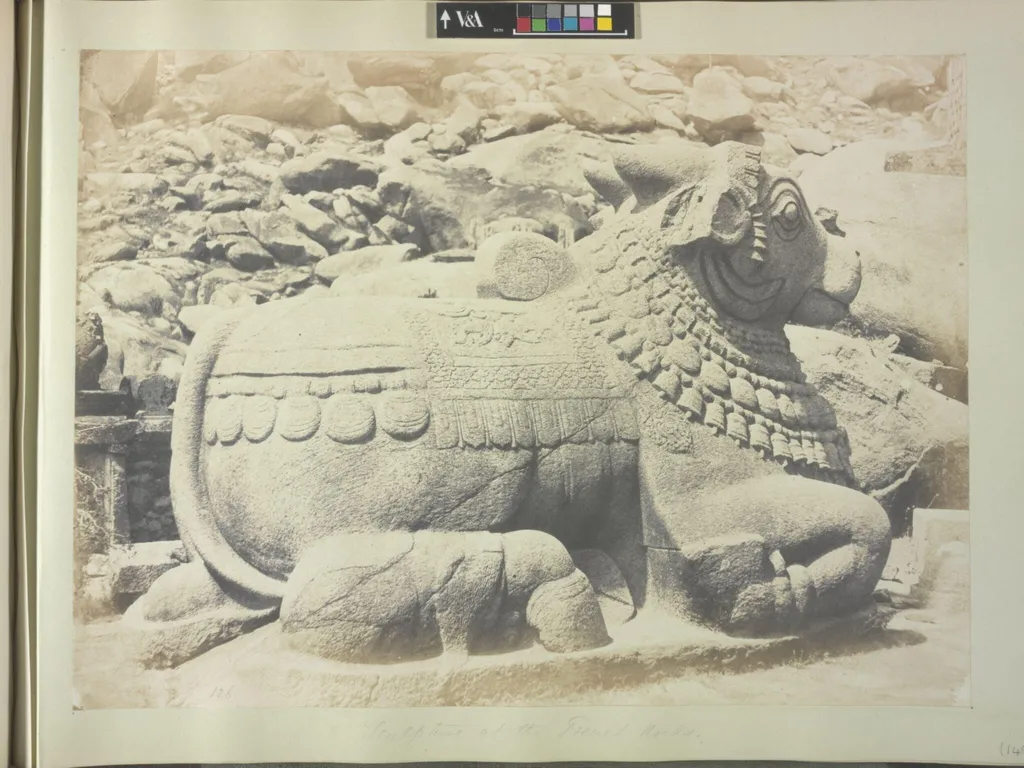
Sculpture at the French Rocks is a photographic photography by the Impressionist artist William Henry Pigou. It dates from 1855 and is held in the collection of the Victoria and Albert Museum. The photograph captures a stone sculpture located among the French Rocks near Mysore.
About this work
Overview
The photograph captures a stone sculpture located among the French Rocks near Mysore. The figure, partially concealed by the surrounding terrain, presents a rounded torso adorned with incised motifs on its chest and a elongated, scale‑like tail. Its head is turned slightly to one side, while the forelimbs rest upon a flat stone slab, suggesting a seated posture.
Subject & Meaning
Identified as a representation of Nandi, the sacred bull associated with the Hindu deity Shiva, the carving embodies religious symbolism tied to devotion and protection. The posture, with the animal’s gaze directed outward, may convey vigilance, while the decorative chest patterns could reference traditional iconographic embellishments used to denote divinity.
Technique & Style
Carved from a single block of stone, the work exhibits a high degree of relief, with crisp lines remaining visible despite centuries of exposure. The sculptor employed incised detailing for the chest ornamentation and employed a naturalistic approach to the tail’s scale texture, balancing stylized form with observable anatomical features.
Context
Situated in the rugged French Rocks landscape, the sculpture integrates with a setting that has long attracted pilgrims and travelers. Its weathered surface and partial burial indicate an ancient origin, likely predating modern interventions, and suggest that the piece has endured both natural erosion and shifting cultural contexts within the Mysore region.
Artist & collection
Artist
This guy lugged a giant glass-plate camera through southern India in the 1850s, dodging lizards and temple priests alike.

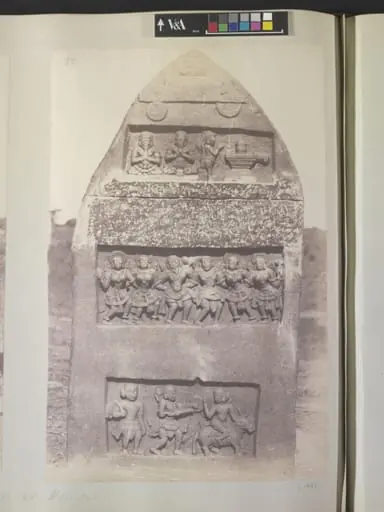
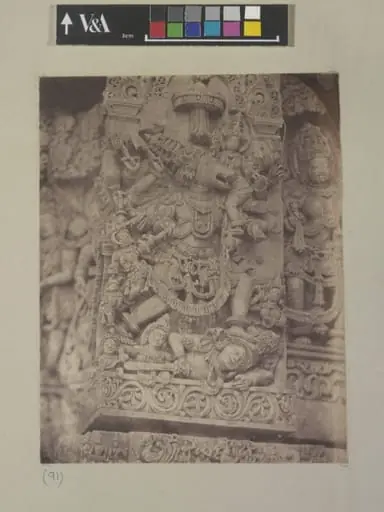
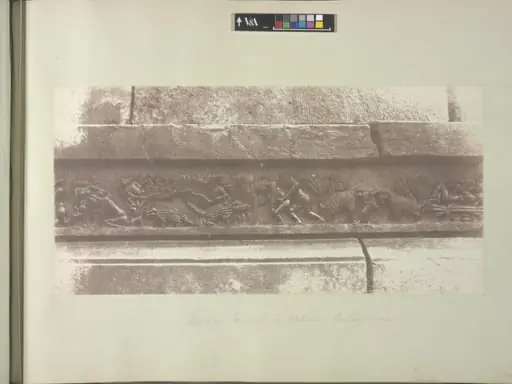
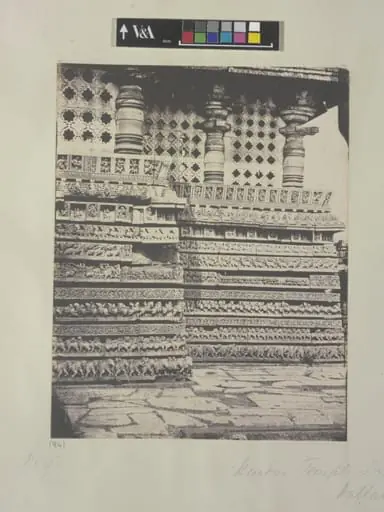
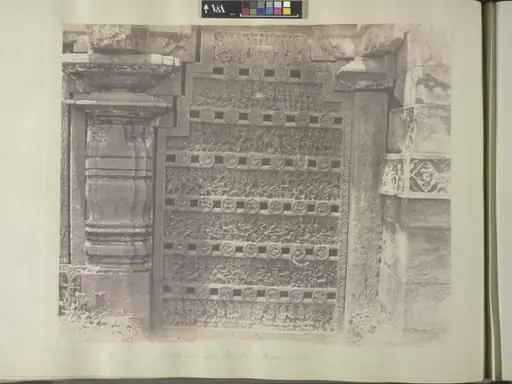
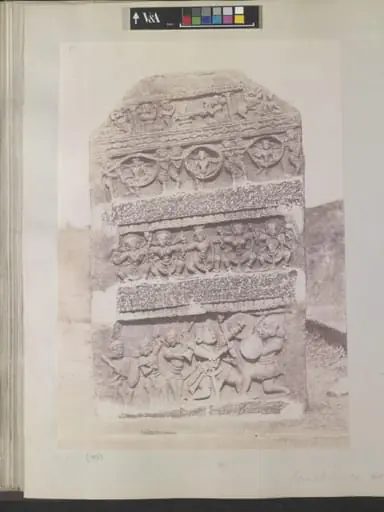
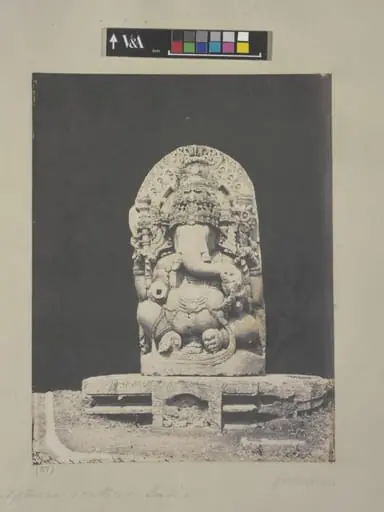 Hindoo Temple Sculptures, Southern India, Hullabeed
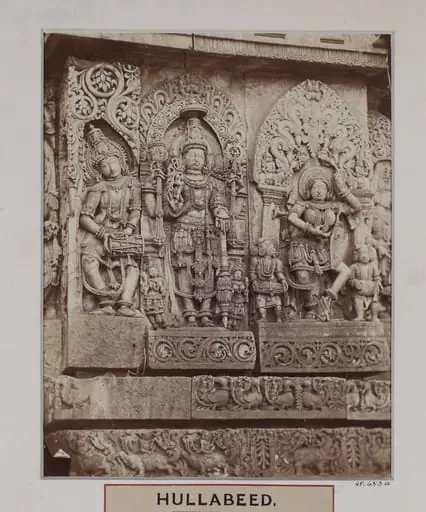 Relief sculpture of the great temple at Halebid
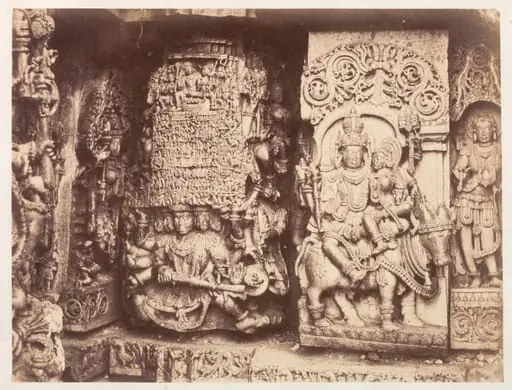 Hoyshaleshvara Temple Sculpture, Halebidu (Halebeedu)
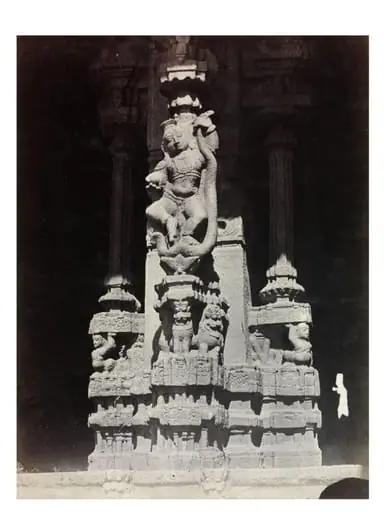 Hampi (Vijayanagara): Stone pier with Krishna dancing on the snake.
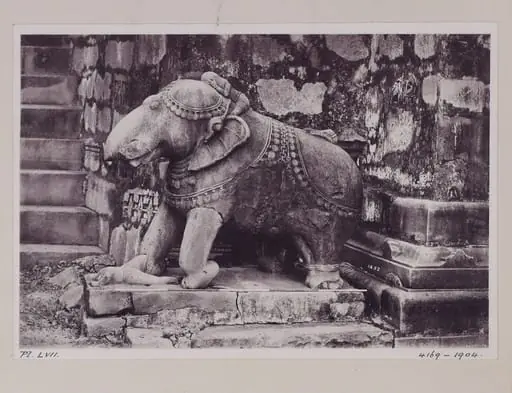 Untitled
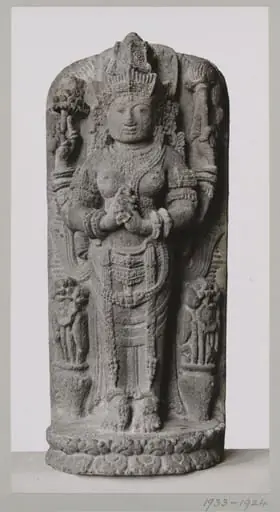 East Javanese volcanic rock sculpture, relief figure of Umā, early 15th century, V&A Museum, London