Artwork
The Skeletons
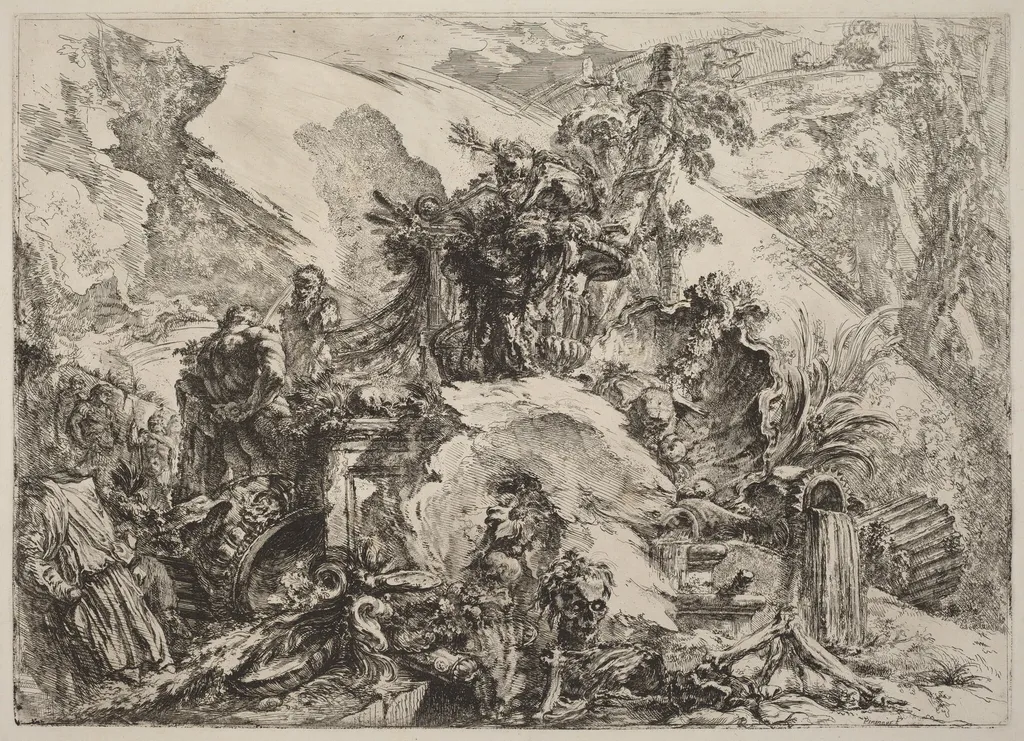
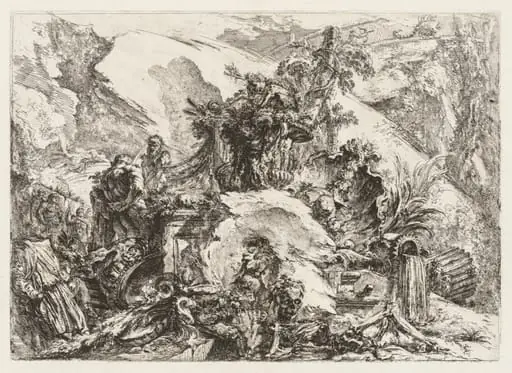
The Skeletons is an ink print by the Romanticist artist Giovanni Battista Piranesi. It dates from 1754 and is held in the collection of the National Gallery of Art.
About this work
Overview
The Skeletons, a 1754 print by Giovanni Battista Piranesi, combines etching, engraving, drypoint, and burnishing to depict a haunting, cluttered ruin inhabited by scattered skeletons.
Subject & Meaning
The print shows a dark, ruined landscape with twisted arches, broken columns, and tangled vines, where skeletons are half-buried or leaning against walls under a faint, stormy sky, evoking a sense of heavy mystery and overwhelming decay.
Technique & Style
Piranesi employed sharp, layered lines through multiple techniques to build depth and emphasize the chaos of the scene, characteristic of his imaginative printmaking approach.
History & Provenance
Created in 1754, specific details about the work's original context or ownership history are not provided in the available information.
Context
While Piranesi is known for etchings of Rome and imaginary prison scenes, The Skeletons stands out for its unique blend of architectural ruin and macabre elements, reflecting his broad artistic interests.
Legacy
The print demonstrates Piranesi's technical mastery and innovative style, which would influence later artists in capturing dramatic, emotionally charged scenes through printmaking techniques like etching and drypoint.
Artist & collection

Artist
Giovanni Battista (or Giambattista) Piranesi (Italian pronunciation: ; also known as simply Piranesi; 4 October 1720 – 9 November 1778) was an Italian classical archaeologist, architect, and artist, famous for his…


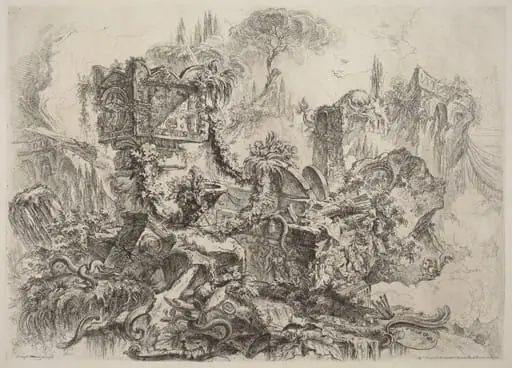 The Tomb of Nero
 The Tomb of Nero
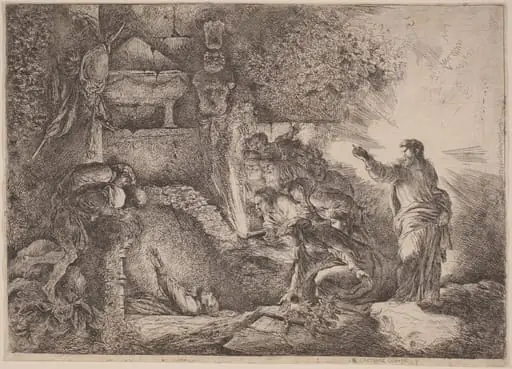 The Resurrection of Lazarus
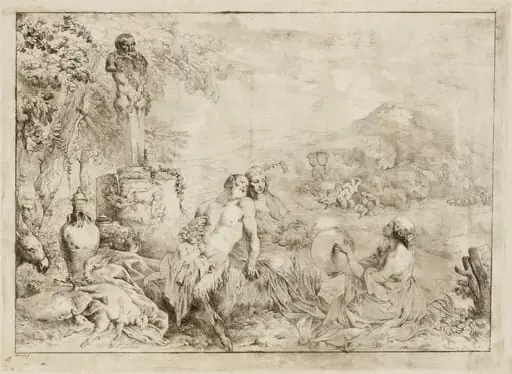 Landscape with a Satyr Family and Classical Sculpture
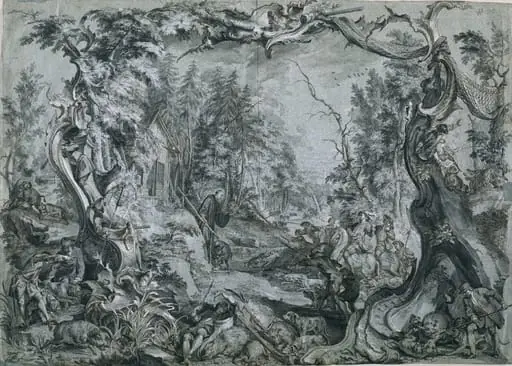 Saint Deicolus and the Boar
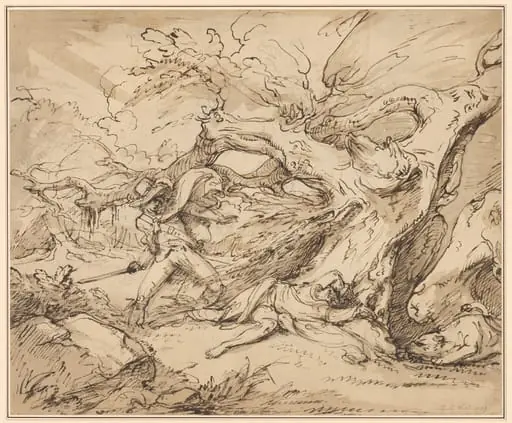 Orlando Rescuing Oliver from the Lion
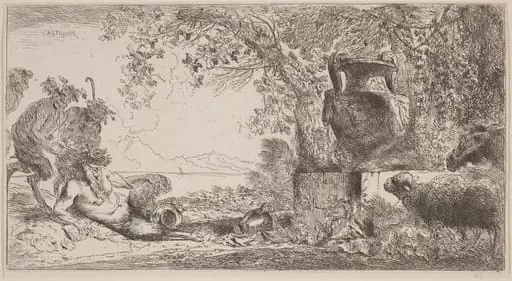 Pan Reclining before a Large Vase
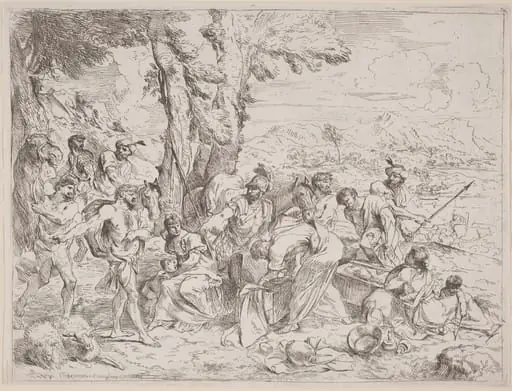 Rachel Concealing Laban's Idols
 Frontispiece, with Statue of Minerva
 The Monumental Tablet
 The Skeletons
 A Man Showing Mercury the Eagle of Jupiter