Artwork
Daniel Segers, Jesuit Priest
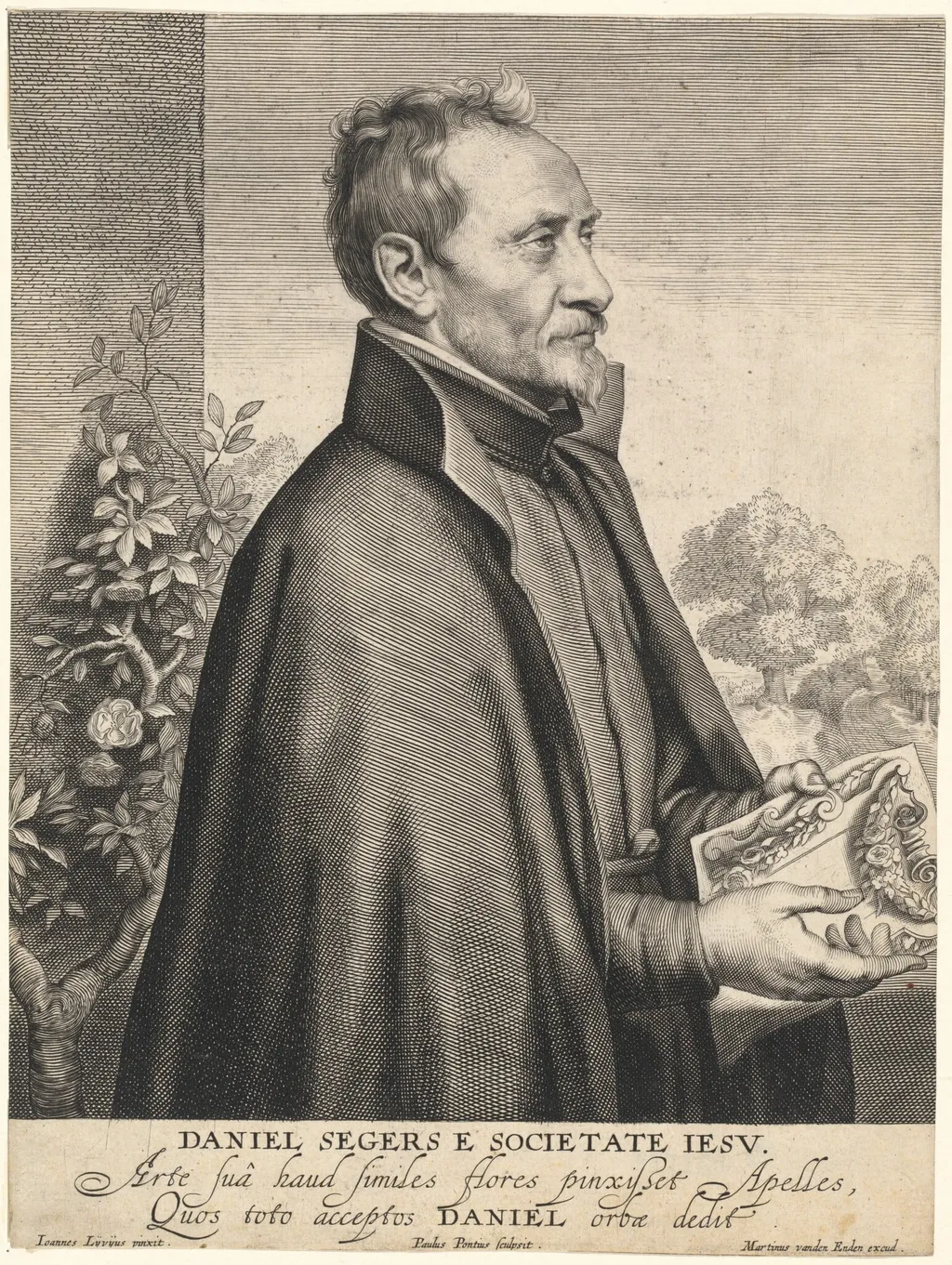
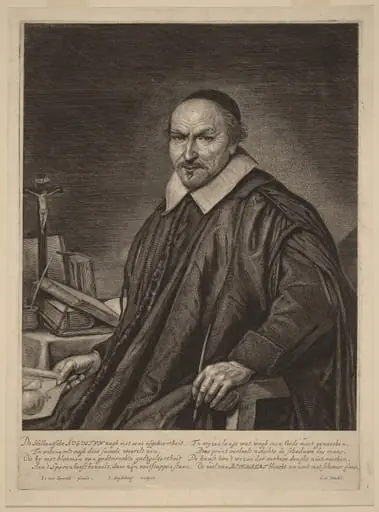
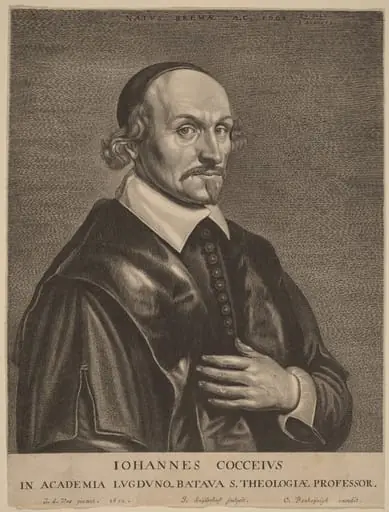
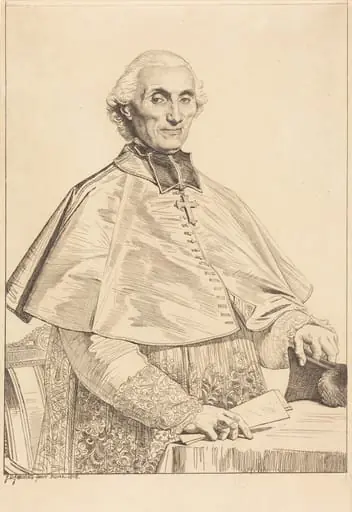
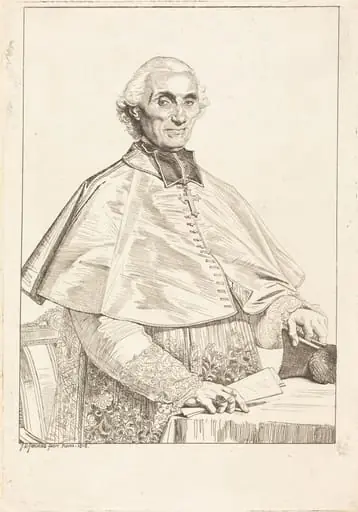
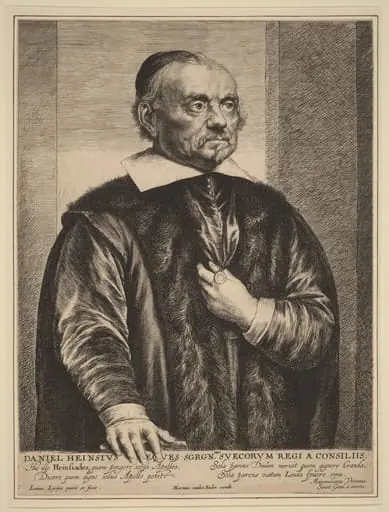
Daniel Segers, Jesuit Priest is an ink print by the Baroque artist Paulus Pontius. It dates from 1630 and is held in the collection of the National Gallery of Art. Created in 1630 by Pontius Paulus, this engraving portrays Daniel Segers, a Jesuit priest, in a formal portrait format.
About this work
Overview
Executed with precision using the cross-hatching method, the work reflects the technical sophistication of Flemish printmaking during the early Baroque era.
Created in 1630 by Pontius Paulus, this engraving portrays Daniel Segers, a Jesuit priest, in a formal portrait format. Executed with precision using the cross-hatching method, the work reflects the technical sophistication of Flemish printmaking during the early Baroque era. Pontius, known for his ties to Antwerp’s leading artists, produced this image as part of a broader tradition of documenting religious and intellectual figures through print.
Subject & Meaning
Daniel Segers is depicted as a learned man, dressed in the dark habit of a Jesuit priest, holding a sheet of paper bearing fine linear patterns. The paper suggests scholarly or artistic activity, possibly a design or architectural sketch, aligning with Jesuit engagement in education and the arts. His calm expression and composed posture convey quiet contemplation, reinforcing the image’s emphasis on intellectual devotion rather than ceremonial authority.
Technique & Style
The engraving employs fine, controlled cross-hatching to model form and texture, a hallmark of Flemish printmaking in the early 17th century. Subtle gradations of tone define the folds of the robe and the contours of the face, while the background landscape—delicate trees and a soft sky—is rendered with minimal but effective lines. The precision of the lines reflects both technical mastery and the influence of Rubens’ workshop, where engraving served to disseminate artistic ideals.
History & Provenance
Pontius Paulus, active in Antwerp, was closely linked to the city’s artistic circles, including collaborations with Rubens, van Dyck, and Jordaens. This engraving likely originated as part of a series documenting religious figures connected to the Jesuit order. Its survival in institutional collections suggests early recognition of its artistic merit, though specific early ownership records remain sparse.
Context
In early 17th-century Flanders, the Jesuit order played a central role in education and cultural life, often commissioning portraits to affirm their intellectual stature. Engravings like this served both devotional and propagandistic purposes, circulating among clergy and patrons. The refined style aligns with broader trends in Northern European print culture, where portraiture merged realism with symbolic restraint.
Legacy
Though not widely reproduced in modern scholarship, the engraving exemplifies the quiet dignity of Jesuit portraiture in the Baroque period. It stands as a testament to Pontius Paulus’s skill in translating the presence of religious figures into the medium of print, contributing to a visual language that valued introspection and intellectual gravitas over theatrical display.
Artist & collection
Artist
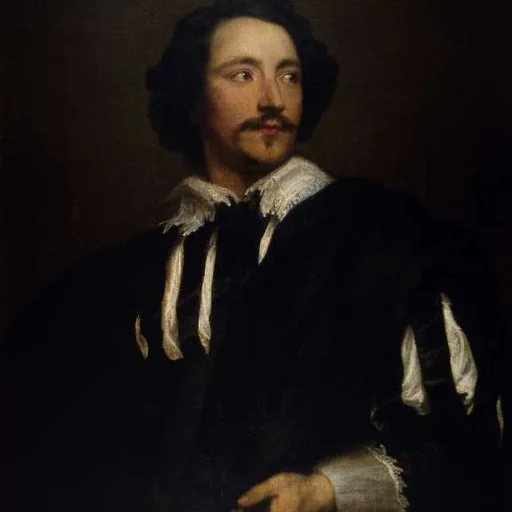
Paulus Pontius (27 May 1603 – 16 January 1658) was a Flemish engraver and painter.