Artwork
Vas din lut de uz casnic, nesmălțuit, nears, angobat, de formă tronconică, cu buza dreaptă și înaltă. Pe pereții interiori, vasul este decorat prin jirăvire cu gaița (motive florale stilizate și geometrice), continuând spre buză, cu linii ondulate și concentrice, pictate cu cornul. În centru, farfuria nu este ornată. Cromatică: fond: alb; motive: gri; negru; maro.
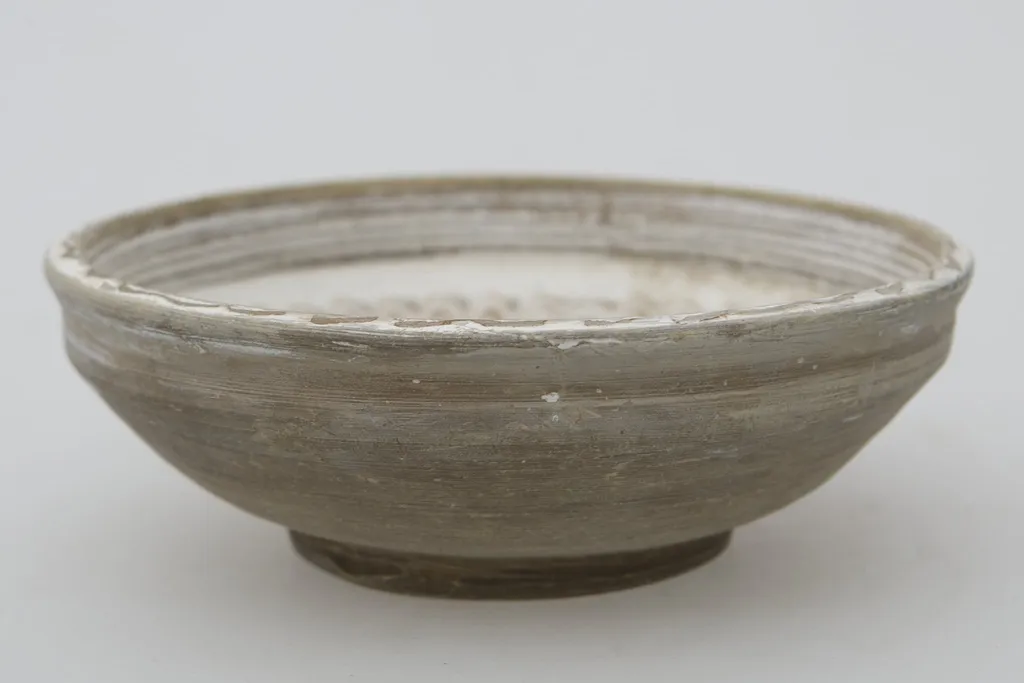
Vas din lut de uz casnic, nesmălțuit, nears, angobat, de formă tronconică, cu buza dreaptă și înaltă. Pe pereții interiori, vasul este decorat prin jirăvire cu gaița (motive florale stilizate și geometrice), continuând spre buză, cu linii ondulate și concentrice, pictate cu cornul. În centru, farfuria nu este ornată. Cromatică: fond: alb; motive: gri; negru; maro. is a photography by Popa Ion. It is held in the collection of the ASTRA National Museum Complex.
About this work
Overview
A hand-formed conical vessel made of unglazed clay, this piece exhibits minimal surface treatment and a restrained palette of natural earth tones.
A hand-formed conical vessel made of unglazed clay, this piece exhibits minimal surface treatment and a restrained palette of natural earth tones. Its straight, high rim and unadorned exterior emphasize functional simplicity, while the interior bears subtle decorative incisions. The absence of glaze and machine-like precision points to artisanal production, rooted in local traditions of utilitarian ceramics.
Subject & Meaning
The interior decoration features stylized floral and geometric motifs, rendered in fine incised lines, suggesting symbolic or rhythmic patterns tied to domestic life. The concentric and wavy lines near the rim may reflect natural elements like water or growth, common in folk motifs. The central plain area implies the vessel’s primary role as a container, with decoration reserved for the visible interior surface during use.
Technique & Style
Crafted by hand from coarse clay, the vessel was shaped into a truncated cone and left unglazed. Decoration was applied through jirăvire—a technique of incising lines into the leather-hard surface—using a pointed tool, likely a corn stalk. Pigments in gray, black, and brown were applied to enhance the incised patterns, creating contrast against the pale clay body without obscuring its natural texture.
History & Provenance
This piece aligns with rural Romanian ceramic traditions from the 19th to early 20th century, particularly in regions where household pottery was made for daily use. Its unglazed, utilitarian form and localized decorative style suggest production by a village artisan, possibly linked to the Popa family of potters known for preserving such methods in Transylvania and Moldavia.
Context
In agrarian communities, such vessels served practical purposes—storing grain, water, or food—while decorative elements reflected cultural aesthetics passed through generations. The limited palette and absence of glaze reflect both material constraints and a preference for natural, unaltered surfaces. Similar examples appear in regional collections, underscoring a broader continuum of domestic ceramic practice.
Legacy
This vessel represents a quiet continuity in Romanian folk pottery, where form followed function and decoration remained restrained yet meaningful. Though mass-produced ceramics later replaced such handmade items, surviving examples like this one preserve the tactile and visual language of pre-industrial domestic life, valued today for their authenticity and craftsmanship.
Artist & collection
Artist

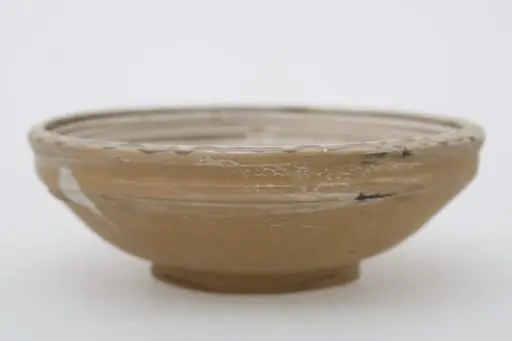 Recipient din lut de uz casnic, nesmălțuit, angobat, de formă tronconică, cu buza dreaptă și înaltă. Pe pereții interiori, vasul este decorat cu motive geometrice și florale: un șir de flori stilizate urmate spre buză de linii concentrice, pictate cu cornul și cu pensula. În centrul vasului este pictată o spirală delimitate de cercuri maro. Buza vasului este ornată cu o linie ondulată. Cromatică: fond: alb; motive: gri; maro închis; maro deschis.
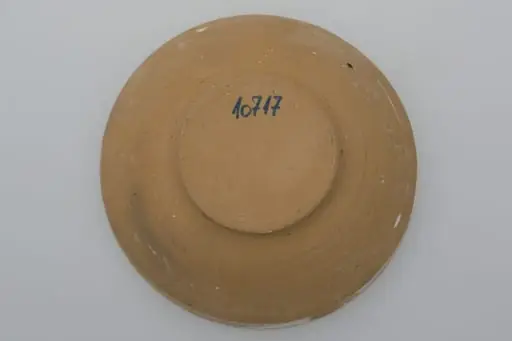 Recipient din lut de uz casnic, nesmălțuit, angobat, de formă circulară, cu profil tronconic, cu buza dreaptă și înaltă. Pe pereții interiori, vasul este decorat cu cornul, cu motive geometrice și florale: un contur de floare urmat de un șir de flori mici stilizate. Spre gura strachinii, la interior, sunt prezente linii concentrice, maro. În centrul vasului este pictată o spirală. Buza vasului este ornată cu o linie ondulată. Cromatică: fond: alb; motive: gri, maro închis, maro deschis.
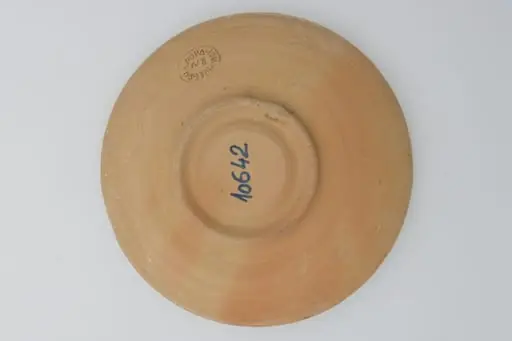 Recipient din lut de uz casnic, nesmălțuit, de formă circulară, cu profil tronconic și buza rotunjită. Acesta este decorat pe toată suprafața cu motive geometrice și florale, realizate cu gaița și cornul. În partea centrală este redată o floare cu petale multiple. Pereții se termină cu o linie ondulată. Cromatică: fond: alb; motive: gri, maro închis, maro deschis.
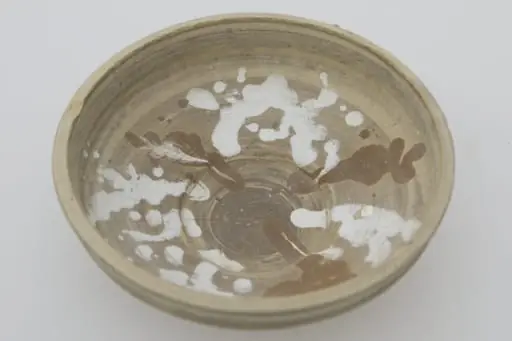 Recipient din lut de uz casnic, nesmălțuit, nears, de formă tronconică, cu buza dreaptă și înaltă. Pe pereți, vasul este decorat prin stropire cu pete neregulate, de diferite culori. Prezintă fisură pe mijlocul vasului. Cromatică: fond: cărămiziu; motive: alb; maro.
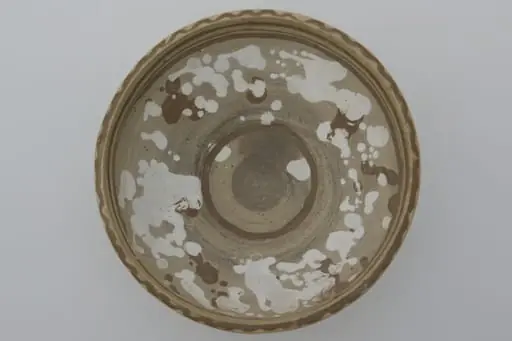 Recipient din lut de uz casnic, nesmălțuit, de formă circulară, cu profil tronconic, cu buza dreaptă și înaltă. Vasul este decorat pe pereți cu pete neregulate realizate prin stropire iar spre buză, cu linii concentrice, pictate cu pensula. În centrul vasului este pictat un cerc. Buza este ornată cu o linie ondulată. Cromatică: fond: cărămiziu; motive: alb, maro.
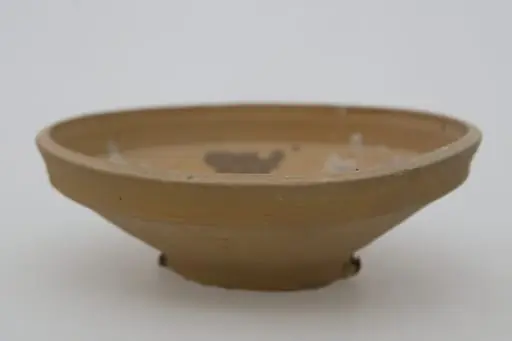 Recipientul este realizat din lut. Acesta era folosit în gospodărie, fiind nesmălțuit, de formă circulară, cu profil tronconic, cu buza dreaptă și înaltă. Pe pereți, vasul este decorat prin stropire cu pete neregulate, de diferite culori. Cromatică: fundal cărămiziu; motive: gri, maro.
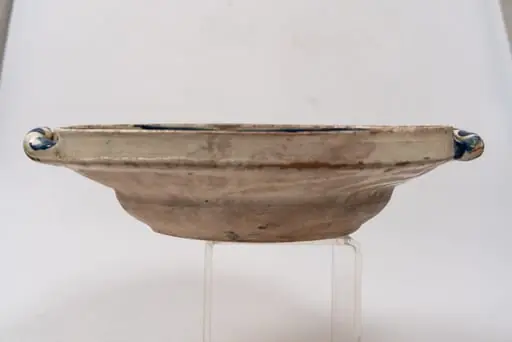 Farfurie adâncă de tip castron, cu corp tronconic, buză dreaptă, verticală și două torți laterale de prindere inserate orizontal. Piesa este acoperită pe ambele fețe cu un strat de angobă albă. Decorul monocromatic este realizat prin pictare cu cornul și cu pensula și se compune din motive florale și vegetale stilizate și din motive geometrice: central pe fundul farfuriei se regăsește o tulpină cu patru flori, una de lalea iar celălalte sub formă de boboci decorați cu puncte și cu linii hașurate intersectat. De o parte și de alta a florii centrale se găsește câte un motiv format din linii hașurate intersectat. Decorul marginal constă într-un șir continuu de elemente vegetale (frunze). Bordura interioară a farfuriei și marginea buzei sunt decorate cu linii circulare simple și linie circulară ondulată. Torțile de prindere au un decor simplu, format din mici linii paralele albastre. Cromatica: alb, albastru. Suprafața ornamentată a farfuriei este acoperită cu un strat de smalț transparent.
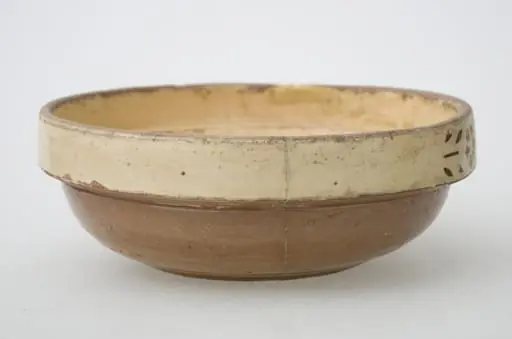 Vasul este realizat la roată, smălțuit în interior și pe buza exterioară. Fundul este îngustat și deschiderea largă. Pe buza exterioară se identifică motive vegetale stilizate.pe diametrul maxim interior se identifică 2 cercuri concentrice. Baza exterioară a vasului este nesmălțuită. Prezintă urme de uzură funcțională și exfolieri insulare. Cromatică: maro la exterior, smalț alb la interior.
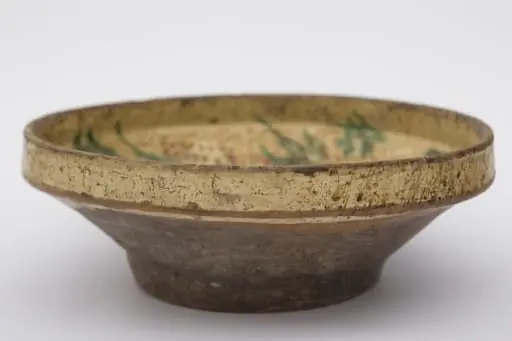 Vas din lut de formă circulară cu profil tronconic, smălțuit la interior, cu buza rotunjită. Decorat cu motive vegetal-florale pictate cu pensula pe suprafața interioară: pe fundul vasului, central, este pictată o floare cu frunze iar pe pereții vasului un șir de flori cu frunze multiple, lunguiețe si punctate. Rol decorativ. Prezintă urme de uzură funcțională. Cromatică: fundal exterior cărămiziu , fundal interior galben; motive: verde, cărămiziu, maro.
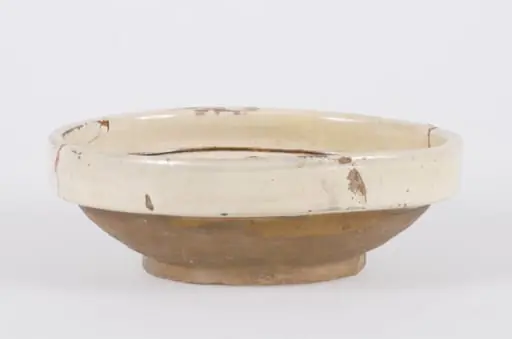 Vasul ceramic are formă tronconică, cu pereții evazați și buza dreaptă și ieșită în afară. Exteriorul pereților și fundul, au fond cărămiziu, restul suprafeței interioare și buza exterioară, având fond alb-gălbui. Decorul este format din două registre despărțite de două cercuri concentrice: unul plasat în marginea buzei și altul în centrul fundului vasului. Primul registru central este decorat cu o floare cu frunze verzi, petale maro și un punct albastru în centru. Al doilea registru amplasat pe pereții interiori ai vasului este format din două flori similare cu cea centrală mărginite spre tulpină și vârf de mai multe frunze, despărțite de două aglomerări de linii de diferite dimensiuni. Cromatică: fond: alb-gălbui; motive: verde; maro; albastru.
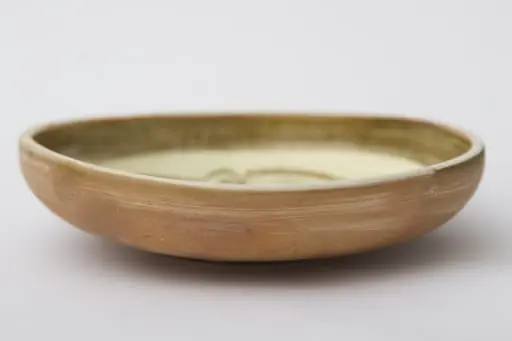 Farfurie cu fund lat; pereți puternic evazați. Decor pe fundul vasului ilustrând o spirală jirăvită în "fuse" terminate spre exterior cu flori. O linie ondulată pe perete în formă de stea cu șase colțuri în legatură cu cele șase flori; pe partea convexă a liniei; crengi cu frunze; pe margine o spirală jiravită. La posterior baza inelară perforată pentru atârnare. Cromatică: fond: alb; crem; motive: maro; verde; brun.
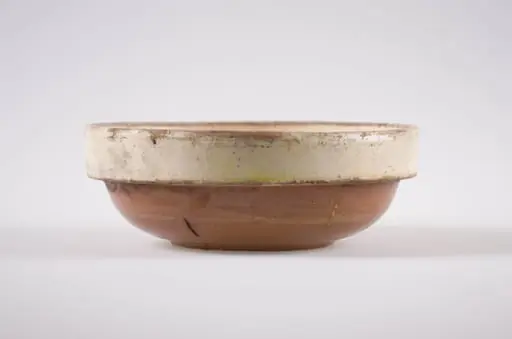 Farfurie de formă tronconică adâncită, cu buza foarte înaltă și ușor ieșită în afară în partea exterioară. Este smălțuit interior și exterior (doar buza). Pe margine este decorat cu o linie, iar în centru cu motive fitomorfe și florale. Pe fund are marca ”Granitul No 10”; Cromatică: fond interior crem; fond exterior cărămiziu; motive: mov închis; verde; maro.
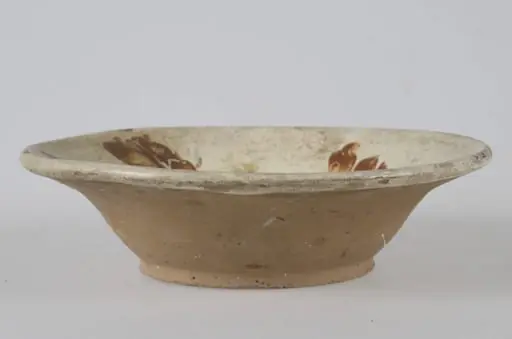 Vasul este unul adânc, din lut, de formă rotundtronconică, cu marginea evazată. Ca și decor întâlnim, pe fundalul de culoare crem, pictate pete de culoare maro și verde. Blidul este smălțuit la interior și pe buză, la exterior.
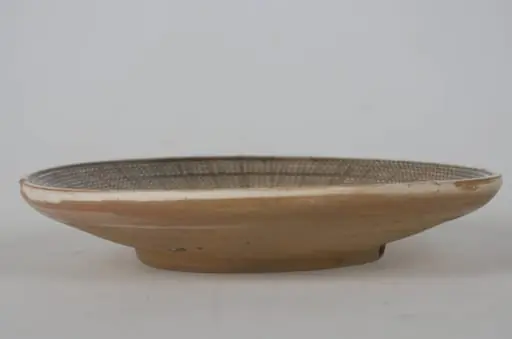 Vas ceramic smălțuit de mici dimensiuni, modelat la roata olarului, uscat, pictat, ars de două ori și smălțuit. Taierul prezintă o bază plată din care pornesc pereții foarte evazați/arcuiți cu buza ridicată. Decorul este dispus pe toată suprafața vasului, care în prealabil a fost angobat. Fundul vasului este nedecorat; în zona de demarcarea dintre fundul vasului și pereți un registru jirăvit, cuprins între două linii de culoare maro-roșcat. Un al doilea registru realizat din frunze de culoare verde, maro-roșcat și maro-închis. Marginea vasului a fost jirăvită, realizată cu „gaița”. Cromatica vasului este alb la interior și maro-deschis la exterior, iar cea a decorului pictat este maro-închis; verde; maro-roșcat; alb.