Artwork
A Seller of Milk-puddings [Mahallebi]
![A Seller of Milk-puddings [Mahallebi], by Aloysius Rosarius Amadeus Raymondus Andreas Preziosi, watercolor, 1855](https://artifactworldgallery.com/img/aloysius-rosarius-amadeus-raymondus-andreas-preziosi--a-seller-of-milk-puddings-mahallebi--3da9fd2db017402d-w1024.webp)
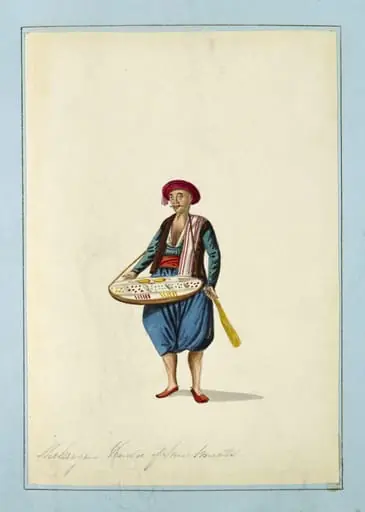
A Seller of Milk-puddings [Mahallebi] is a watercolor work on paper by the Impressionist artist Aloysius Rosarius Amadeus Raymondus Andreas Preziosi. It dates from 1855 and is held in the collection of the Victoria and Albert Museum. This watercolour depicts a street vendor in the Ottoman Empire selling mahallebi, a milk-and-rice dessert.
About this work
The man is dressed in a colourful outfit, with a blue and pink striped shawl wrapped around his waist and a red hat on his head.
This watercolour painting depicts a man balancing a large tray on his head. The tray is filled with various items, including a small bowl, a teapot, and several round objects that appear to be food.
The man is dressed in a colourful outfit, with a blue and pink striped shawl wrapped around his waist and a red hat on his head. He is holding a wooden frame in his hands, which is attached to the tray.
The painting is a beautiful example of everyday life in the 19th century. To learn more about the artist's style and technique, look up the movement of Impressionism.
Overview
This watercolour depicts a street vendor in the Ottoman Empire selling mahallebi, a milk-and-rice dessert. Created by Count Aloysius Preziosi, it belongs to a group of single-figure studies documenting urban laborers. The work is one of several versions of the same subject, with variations in execution suggesting possible studio reproductions or works by followers. It entered the collection in 1972 via an exchange with Prue Heathcote-Williams.
Subject & Meaning
The figure is a mahallebi seller, identified by the tray of sweet dishes balanced on his head. His attire—striped shawl, red hat, and loose garments—reflects regional dress of the 19th-century Ottoman streets. The wooden frame securing the tray suggests practical ingenuity. The image captures a moment of daily commerce, emphasizing the vendor’s role in urban life rather than idealizing or romanticizing his labor.
Technique & Style
Executed in watercolour, the work uses loose, fluid brushwork to suggest texture and form. Color is applied thinly, allowing the paper to show through, creating a sense of lightness. Details like the patterned shawl and the tray’s contents are rendered with minimal strokes, prioritizing immediacy over precision. The style aligns with observational sketching common among 19th-century travelers documenting local life.
History & Provenance
The drawing was acquired by the institution in July 1972 through a direct exchange with Prue Heathcote-Williams, who held several related works. Preziosi’s series of vendor studies circulated widely, with multiple versions held in private and public collections. Differences in quality and the absence of signatures on some versions indicate that workshop assistants or admirers may have produced copies after the original compositions.
Context
Preziosi traveled extensively across the Ottoman Empire in the mid-1800s, producing sketches of its diverse populations. His studies were not ethnographic records but visual notes for personal and commercial use. These works reflect a European fascination with Ottoman daily life, though they avoid overt commentary. The focus on street vendors aligns with broader 19th-century interests in urban economies and marginalized laborers.
Legacy
Preziosi’s vendor studies remain valuable as visual documents of Ottoman urban culture, though their artistic status is often secondary to their historical record. The existence of multiple versions underscores their popularity among collectors. While sometimes mistaken for Impressionist works, they predate and differ from that movement, rooted instead in topographical sketching and travel documentation traditions.
Artist & collection
Artist
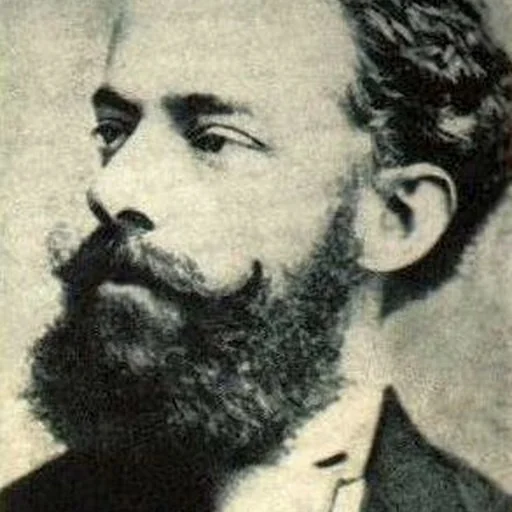
Aloysius Rosarius Amadeus Raymondus Andreas Preziosi
Amedeo Preziosi (2 December 1816 – 27 September 1882) was a Maltese painter and traveler known for his watercolours and prints of Constantinople, the Balkans, Ottoman Empire, and Romania.

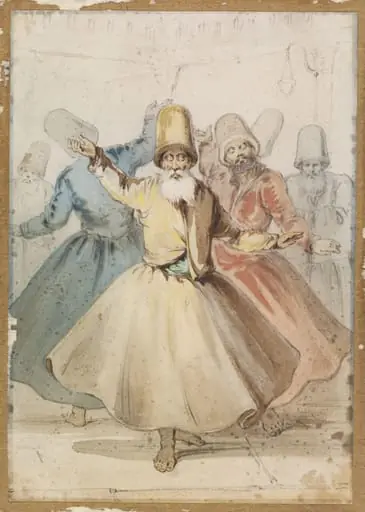
![Portrait of Trehem[?]Walid 'Abdullah, an Arab from Iraq, by Aloysius Rosarius Amadeus Raymondus Andreas Preziosi](https://artifactworldgallery.com/img/aloysius-rosarius-amadeus-raymondus-andreas-preziosi--portrait-of-trehem-walid-abdullah-an-arab-from-iraq--2476a3692d0929a5-w320.webp)
![A Saka, or water carrier[?], by Anonymous Greek artist](https://artifactworldgallery.com/img/anonymous-greek-artist--a-saka-or-water-carrier--fea97d6d74c0c945-w320.webp)