Artwork
An Old Turkish Scribe
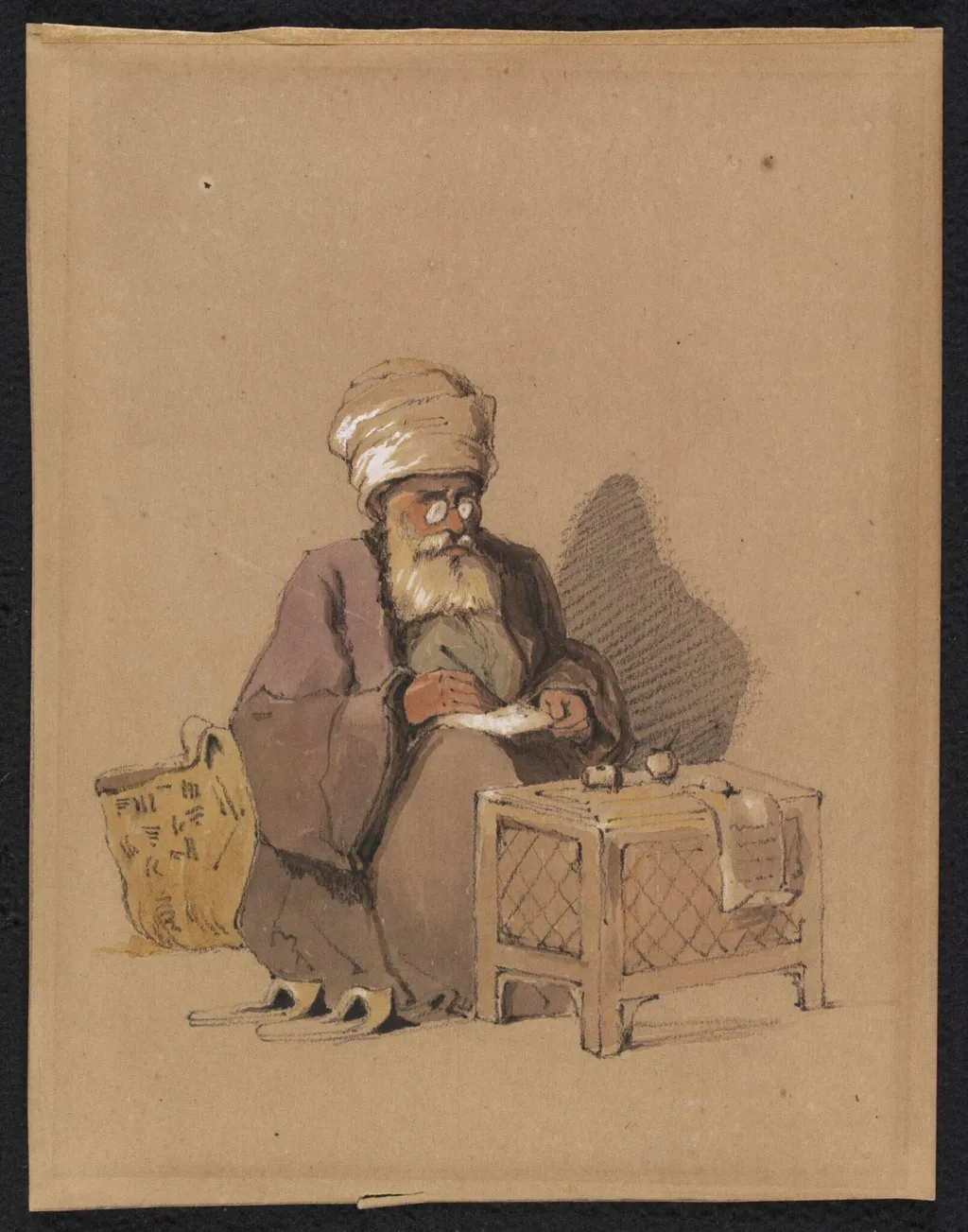
An Old Turkish Scribe is a watercolor work on paper by the Orientalist artist Aloysius Rosarius Amadeus Raymondus Andreas Preziosi. It dates from 1850 and is held in the collection of the Victoria and Albert Museum. This watercolour depicts an elderly Turkish scribe, known as an *Arzuhalci*, engaged in writing at a small table.
About this work
Overview
This watercolour depicts an elderly Turkish scribe, known as an *Arzuhalci*, engaged in writing at a small table. Characterized by muted earth tones and visible brushstrokes, the piece showcases a detailed facial portrait set against more loosely rendered surroundings.
Subject & Meaning
The subject, an *Arzuhalci*, was a public letter writer responsible for drafting legal and property documents. The artwork taps into the 19th-century European fascination with Orientalist character studies, highlighting everyday figures from the Ottoman world.
Technique & Style
Executed in watercolour, the work contrasts detailed facial features with a more expressive, loose treatment of the scribe's attire, table, and background. The muted palette, dominated by browns and tans, adds to the subdued, observational tone.
History & Provenance
This piece is one of several similar single-figure studies by the artist, with related works found in prominent collections (Victoria and Albert Museum, British Museum) and a notable 1851 album sold at Christie’s. Variations in quality across versions suggest possible studio copies or contributions by assistants, including the artist’s daughter Mathilde.
Context
Created amidst the Orientalist trend in 19th-century European art, this watercolour reflects the period’s interest in depicting Middle Eastern and North African cultures through everyday professions and figures.
Legacy
While the artist's full oeuvre and the specific impact of this work are not broadly highlighted in the provided context, it contributes to the broader legacy of Orientalist art, offering a glimpse into both the artistic fashions and the cultural curiosities of 19th-century Europe.
Artist & collection
Artist
Aloysius Rosarius Amadeus Raymondus Andreas Preziosi
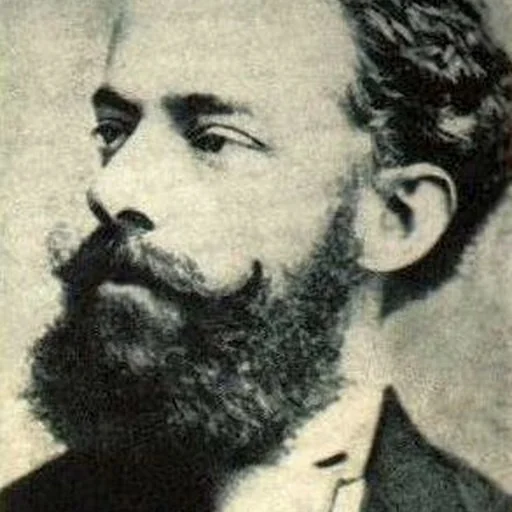
Amedeo Preziosi (2 December 1816 – 27 September 1882) was a Maltese painter and traveler known for his watercolours and prints of Constantinople, the Balkans, Ottoman Empire, and Romania.

![Portrait of Trehem[?]Walid 'Abdullah, an Arab from Iraq, by Aloysius Rosarius Amadeus Raymondus Andreas Preziosi](https://artifactworldgallery.com/img/aloysius-rosarius-amadeus-raymondus-andreas-preziosi--portrait-of-trehem-walid-abdullah-an-arab-from-iraq--2476a3692d0929a5-w320.webp)
![A Seller of Milk-puddings [Mahallebi], by Aloysius Rosarius Amadeus Raymondus Andreas Preziosi](https://artifactworldgallery.com/img/aloysius-rosarius-amadeus-raymondus-andreas-preziosi--a-seller-of-milk-puddings-mahallebi--3da9fd2db017402d-w320.webp)
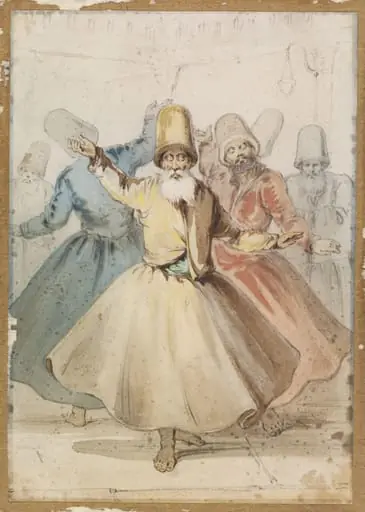
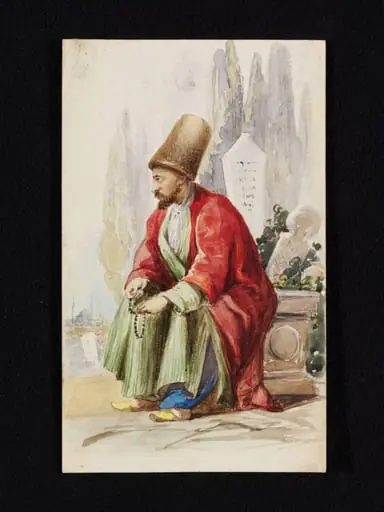 A Dervish - Constantinople
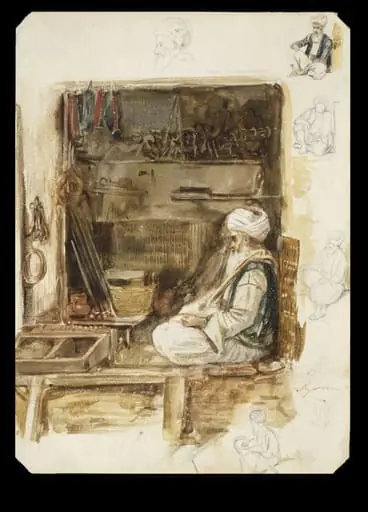 An old merchant in the Souk in Algiers; with figure studies
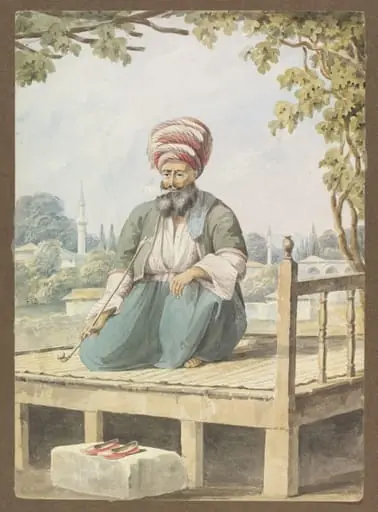 A Turkish man, seated, smoking a pipe
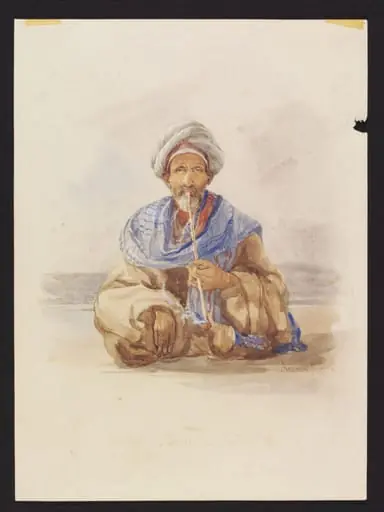 Achmet Girgeh
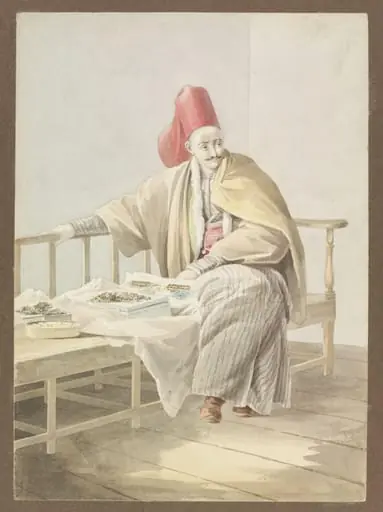 Baltadgi
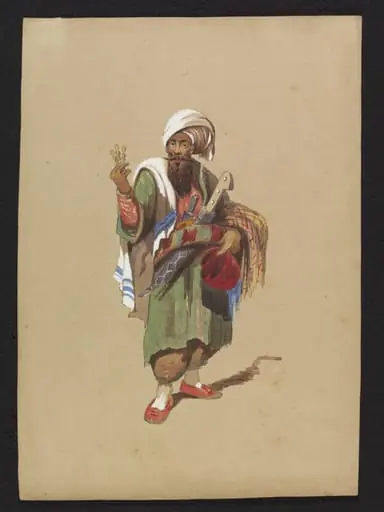 A seller of Fezes and Amber mouthpieces
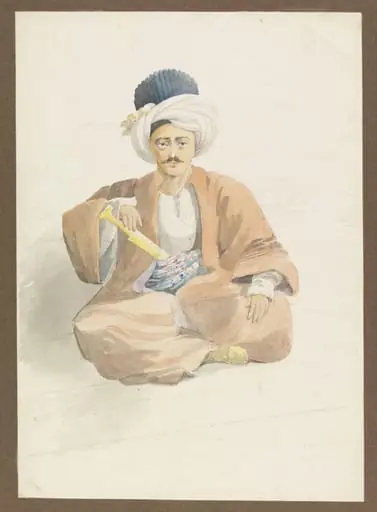 Jafer Beck Affendi
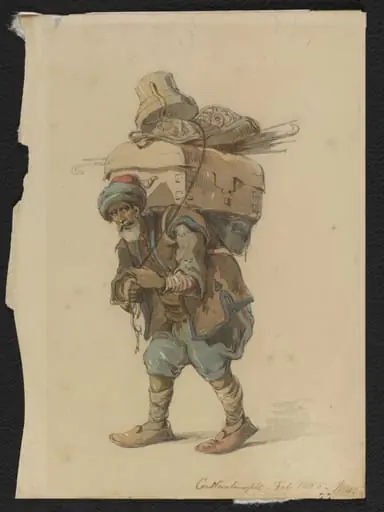 A Turkish Porter (Hamal)
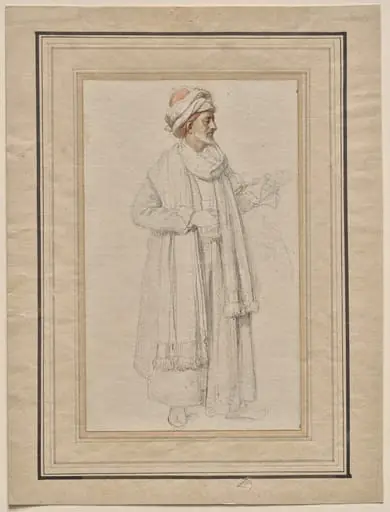 Sidi Hadji Abdurrahman Adja (1720–1792)
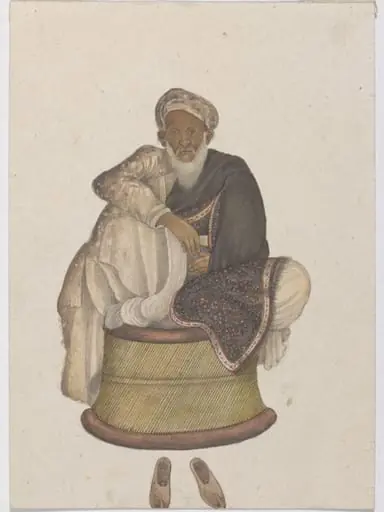 Portrait of Sayyid Mirza Azim Beg
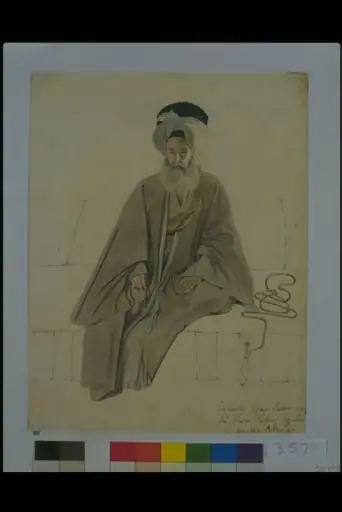 Mehmet Aga Salam
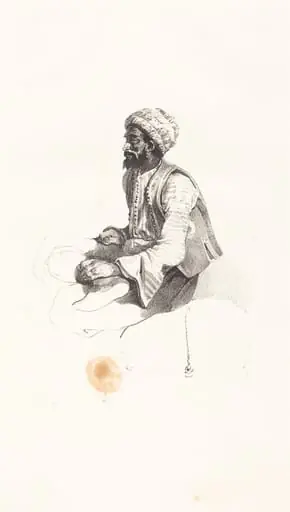 Seated Turk