Artwork
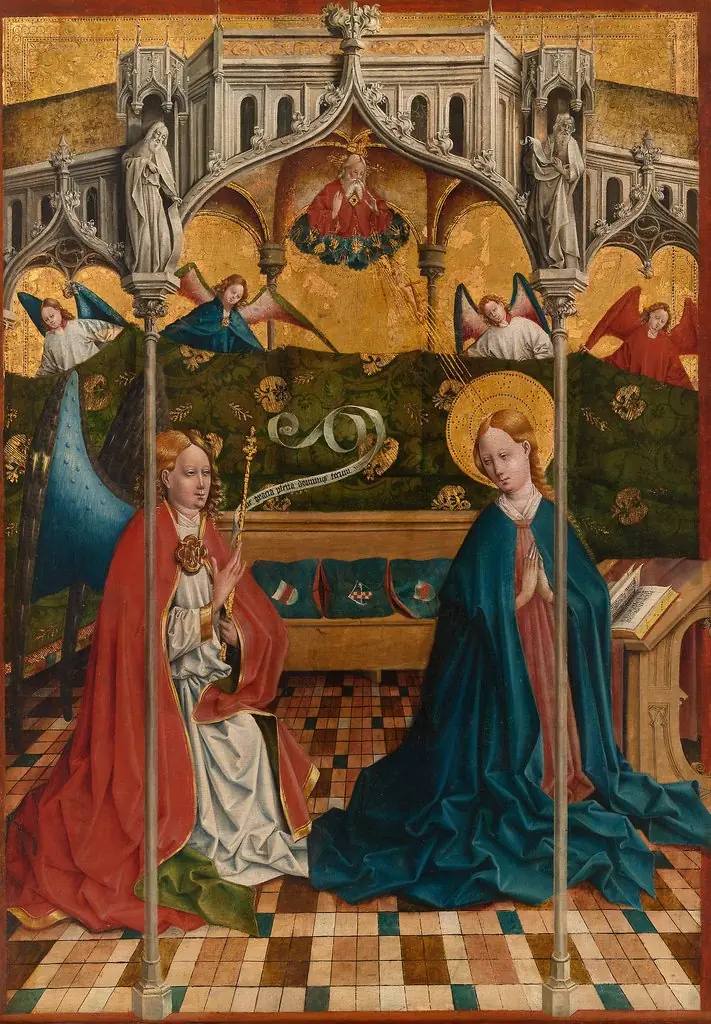
The Annunciation to the Virgin
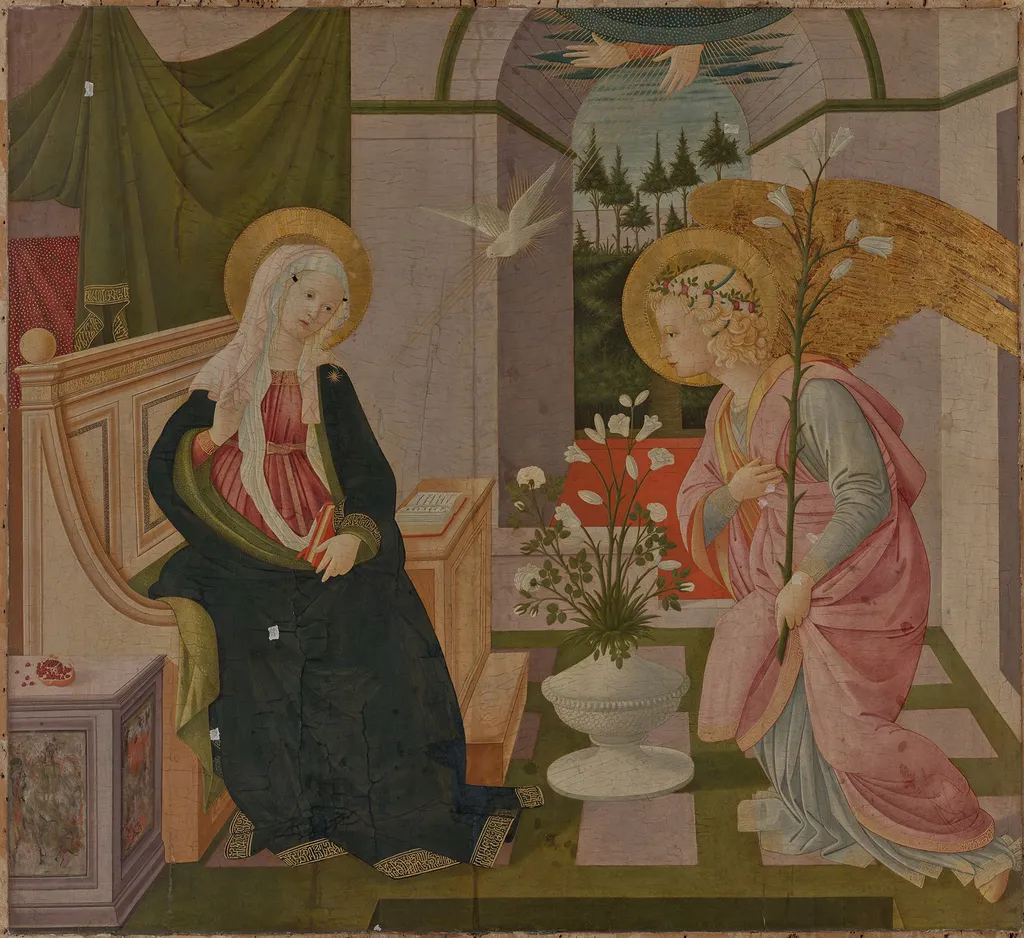
The Annunciation to the Virgin is a paint painting by the Early Renaissance artist Pseudo-Pier Francesco Fiorentino. It dates from 1450 and is held in the collection of the Gemäldegalerie Berlin.
About this work
Overview
The Annunciation to the Virgin, a religious painting attributed to Pseudo-Pier Francesco Fiorentino, dates to circa 1450 and is housed at the Gemäldegalerie Berlin.
Subject & Meaning
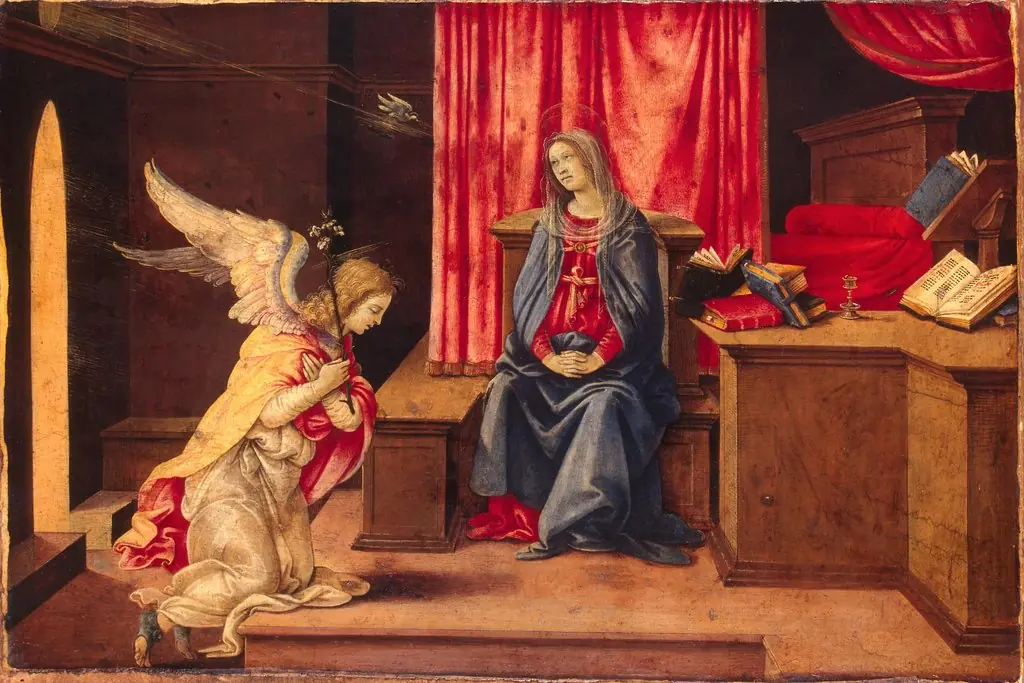
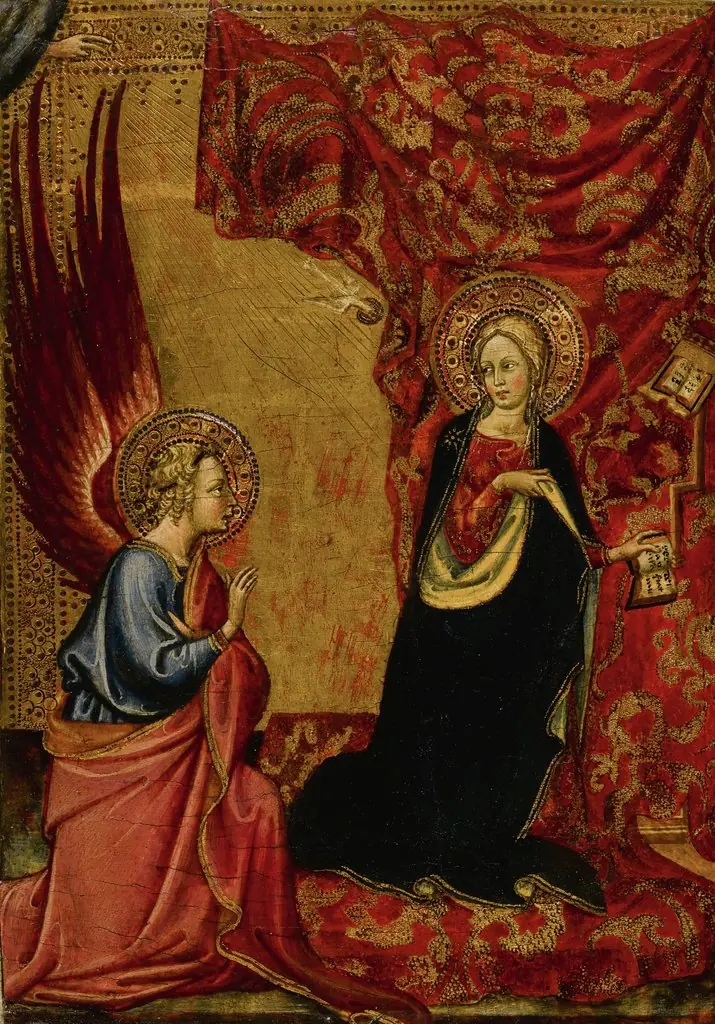
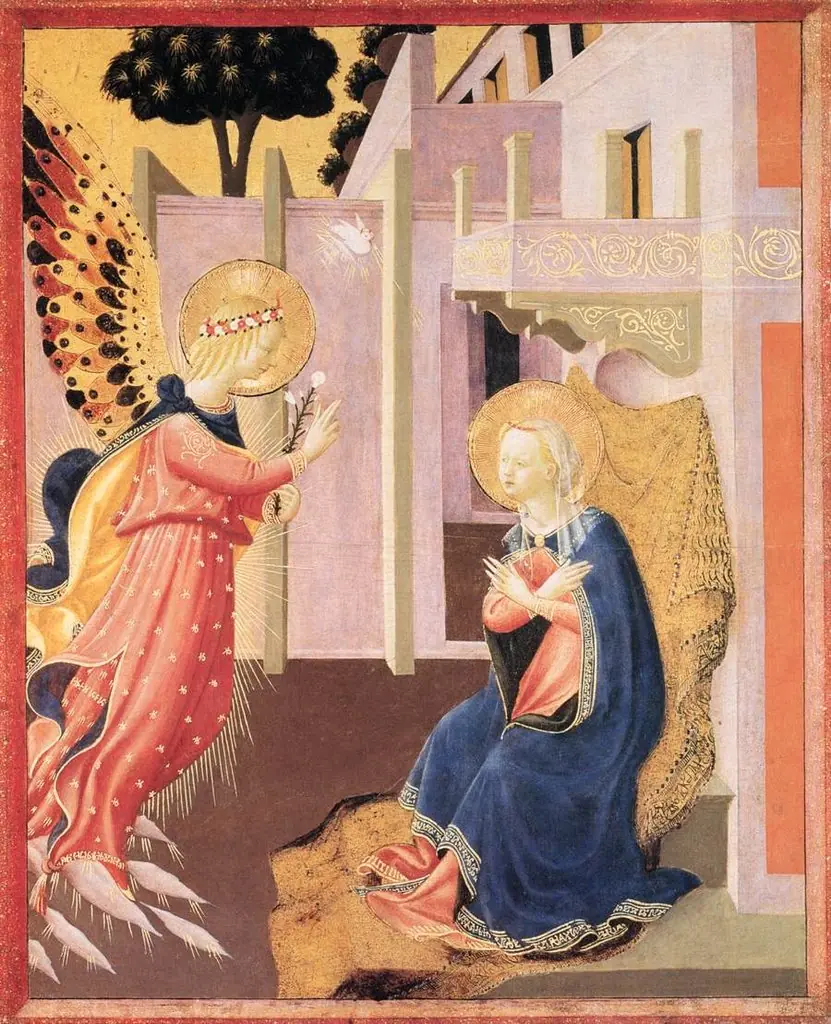
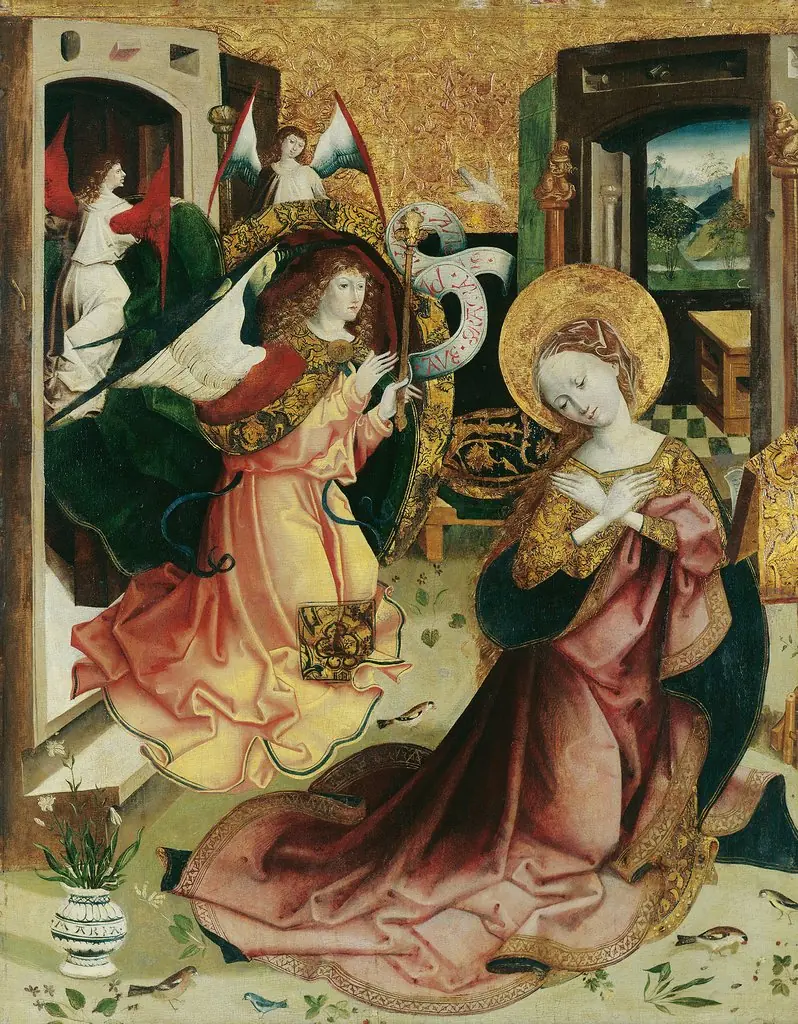
Depicting a pivotal Christian scene, the painting shows the Virgin Mary, dressed in a dark blue robe over a red dress and veiled, receiving the announcement from an angel. Mary holds a book, symbolizing her piety, while the angel, adorned with golden wings and a halo, presents a white lily, emblem of purity.
Technique & Style
The work employs a vibrant color palette (notably greens, blues, and reds) to achieve depth and atmosphere. The artist skillfully utilizes light and shadow to impart volume to the figures and architectural elements, such as the arched doorway leading to a landscape.
History & Provenance
Created around 1450, the painting's provenance prior to its current location at the Gemäldegalerie Berlin is not detailed in the provided sources.
Context
This piece reflects the Renaissance interest in religious narratives, specifically the Annunciation, a common theme in 15th-century Italian art. The indoor setting with a view to a landscape represents a typical Renaissance composition technique.
Legacy
While specific influences or subsequent artistic impacts of this work are not highlighted in the provided information, it contributes to the broader understanding of early Renaissance religious art.
Artist & collection

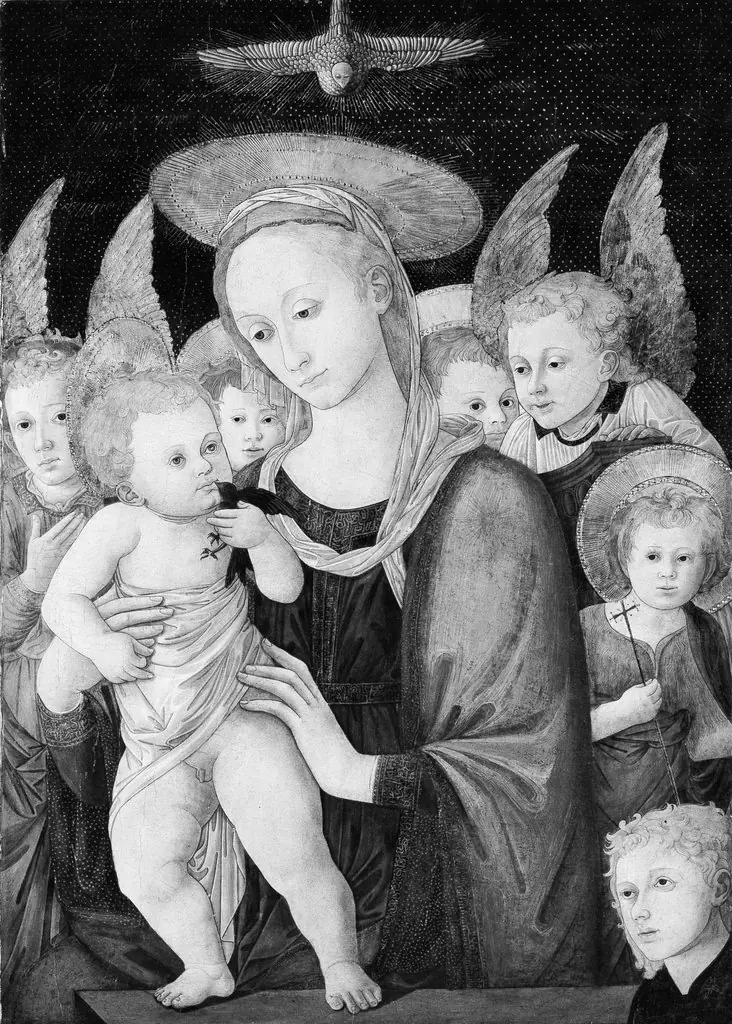 Madonna and Child with the Infant Saint John the Baptist and Angels
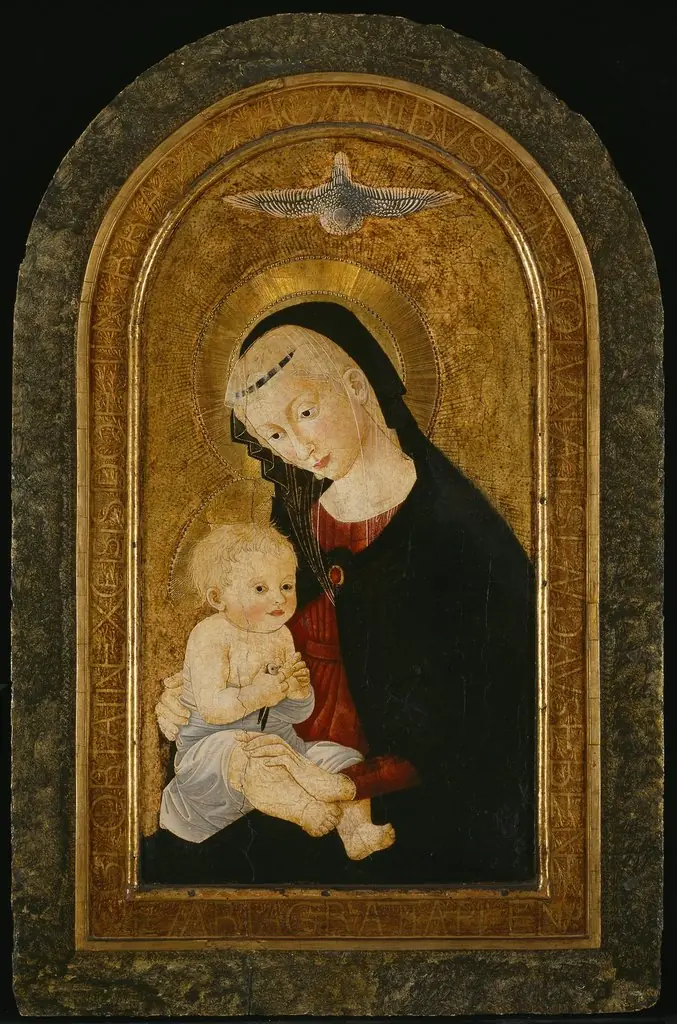 Virgin and Child
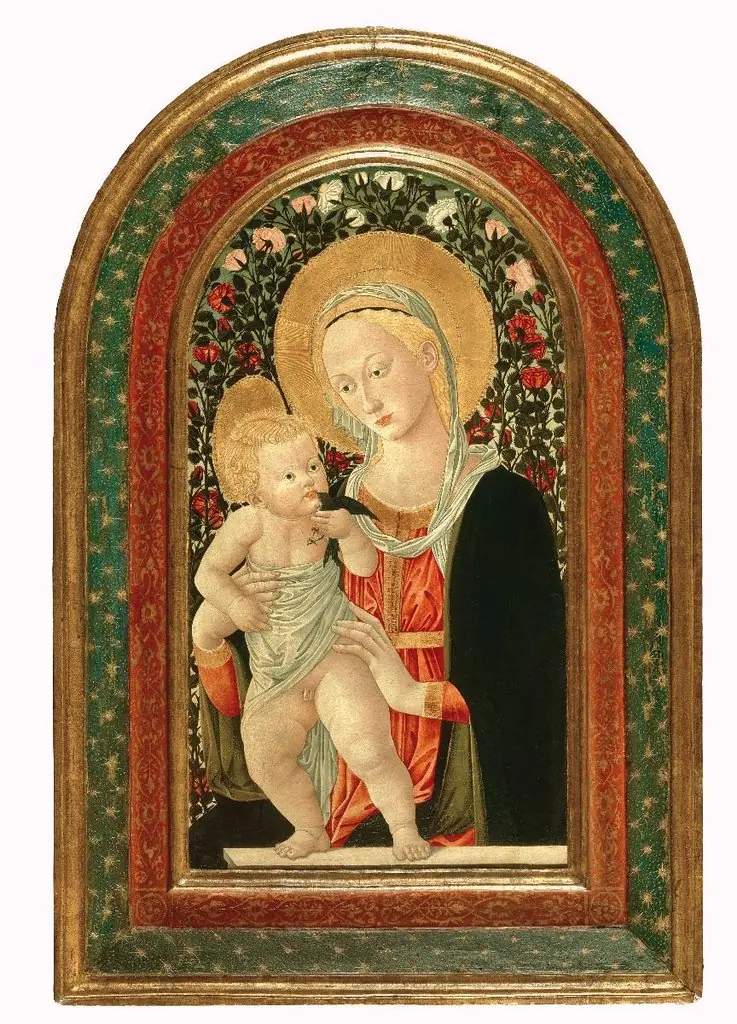 Maria col bambino
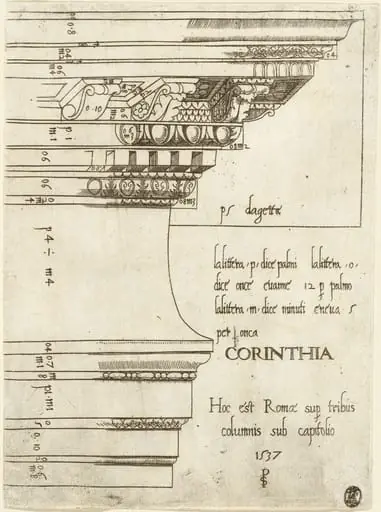 Entablature from the Temple of Castor and Pollux, Rome
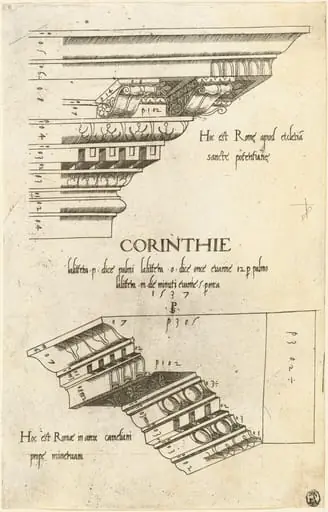 Entablatures from Santa Pudenziana and the Arch of Camigliano, Rome
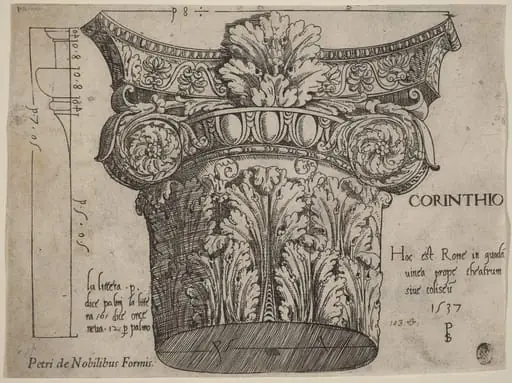 Capital from the Colosseum, Rome
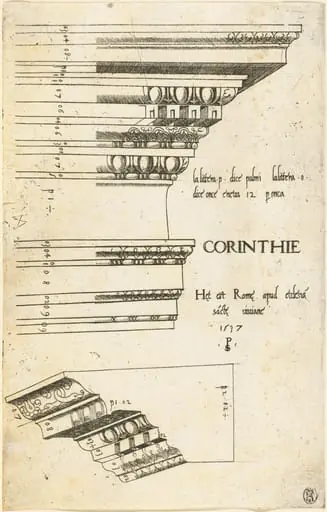 Entablature from the Church of Saint Bibiana, Rome
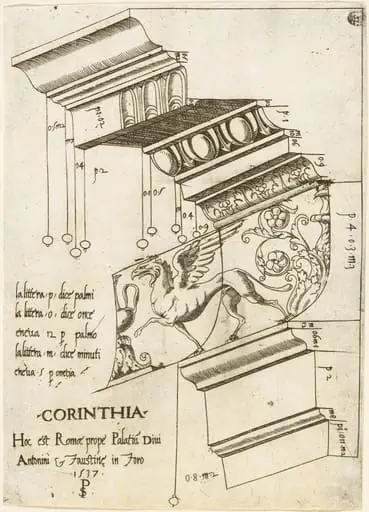 Entablature from the Temple of Antoninus and Faustina, Rome