Artwork
The Marquise de Pompadour as a Gardener
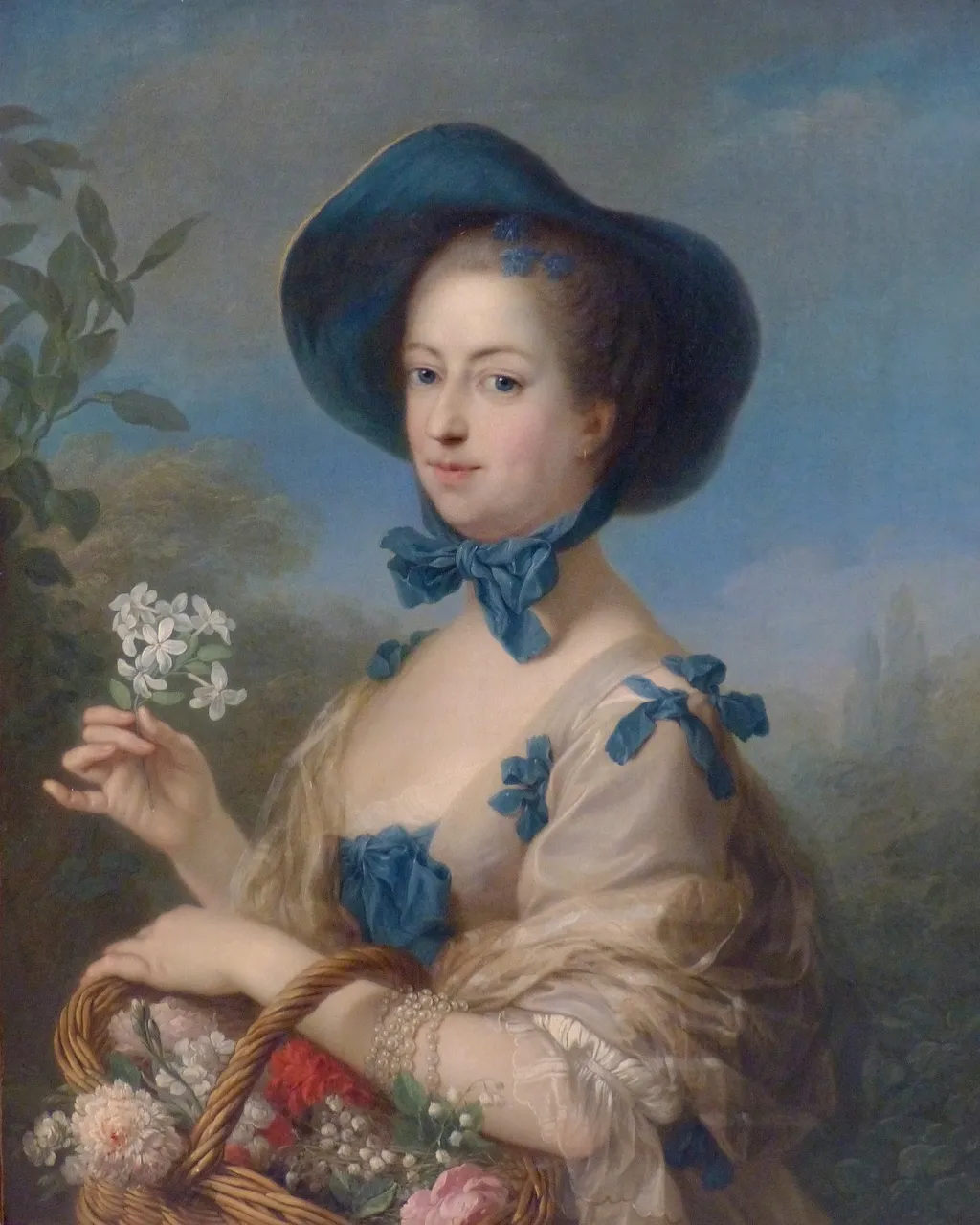
The Marquise de Pompadour as a Gardener is an oil painting by the Rococo painting artist Charles André van Loo. It dates from 1755 and is held in the collection of the Palace of Versailles.
About this work
Overview
Painted in 1755 by Charles André van Loo, this oil portrait captures Jeanne Antoinette Poisson, the Marquise de Pompadour, in a garden setting. The work is part of the collection at the Palace of Versailles and reflects the refined aesthetic favored by the French court during the reign of Louis XV. It presents its subject not in formal court dress, but in a more intimate, pastoral guise.
Subject & Meaning
The Marquise is depicted as a gardener, a role that blends aristocratic leisure with cultivated naturalism. Holding a white flower and leaning on a basket of blooms, she embodies an idealized harmony between nobility and nature. This portrayal subtly reinforces her influence at court by associating her with fertility, beauty, and the orderly cultivation of the royal landscape.
Technique & Style
Van Loo employs soft brushwork and a muted pastel palette to convey a gentle, luminous atmosphere. The blue and beige tones of her dress harmonize with the sky and foliage, creating a seamless integration between figure and environment. Delicate rendering of fabric and floral details underscores the painter’s skill in capturing texture without overt realism, favoring elegance over detail.
History & Provenance
It was later formally cataloged within the Palace of Versailles holdings, where it has been preserved as part of the 18th-century French court’s visual legacy.
Commissioned during the height of the Marquise’s influence at Versailles, the painting remained in royal collections after her death in 1764. It was later formally cataloged within the Palace of Versailles holdings, where it has been preserved as part of the 18th-century French court’s visual legacy. Its continuous presence in the palace underscores its significance as a portrait of power disguised as leisure.
Context
In mid-18th-century France, aristocratic women often adopted pastoral personas in portraiture to signal virtue and refinement. The Marquise, a key cultural patron, used such imagery to shape her public image beyond her role as royal mistress. This painting aligns with broader trends in Rococo art that idealized nature as a space of grace and social performance.
Legacy
The portrait remains a documented example of how political influence was visually negotiated through domestic and natural imagery. While not widely reproduced in popular culture, it is studied for its representation of gender, class, and the performative nature of courtly identity in pre-revolutionary France.
Own this work as a print
Artist & collection
Artist
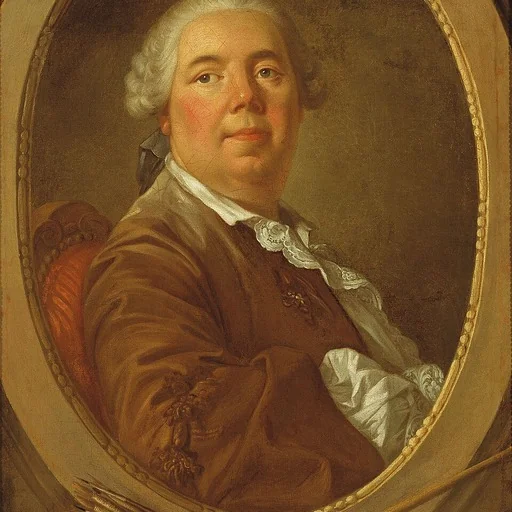
Carle or Charles-André van Loo (French pronunciation: ; 15 February 1705 – 15 July 1765) was a French painter, son of the painter Louis-Abraham van Loo, a younger brother of Jean-Baptiste van Loo and grandson of Jacob van Loo.

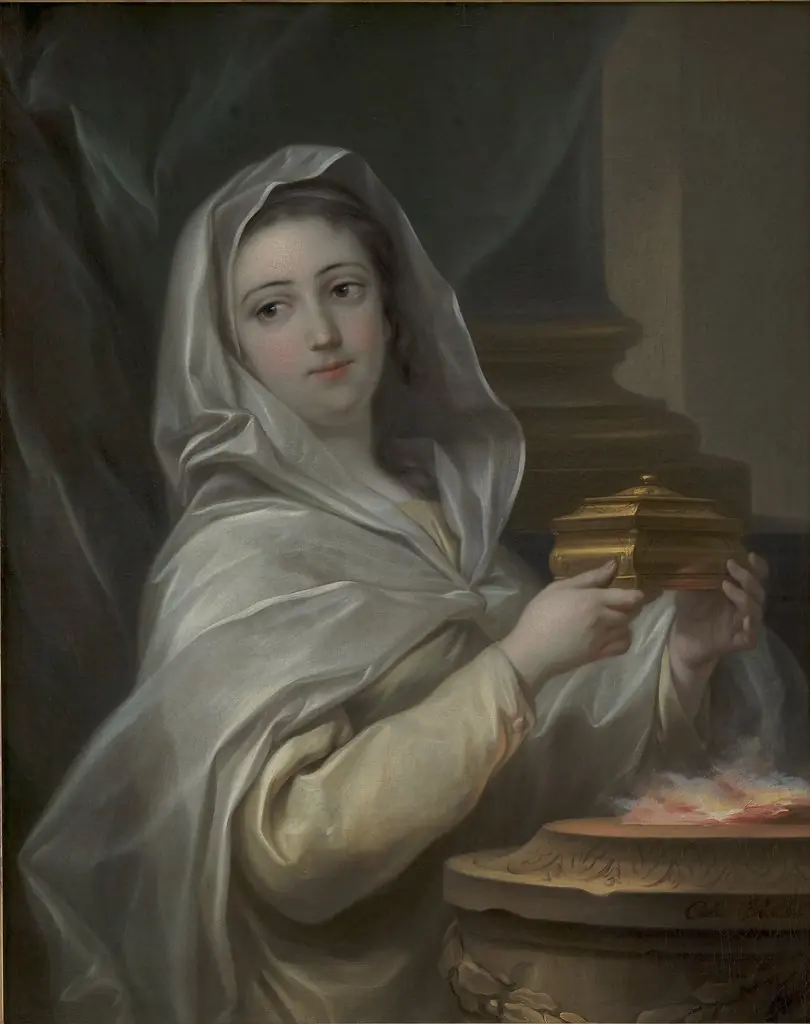
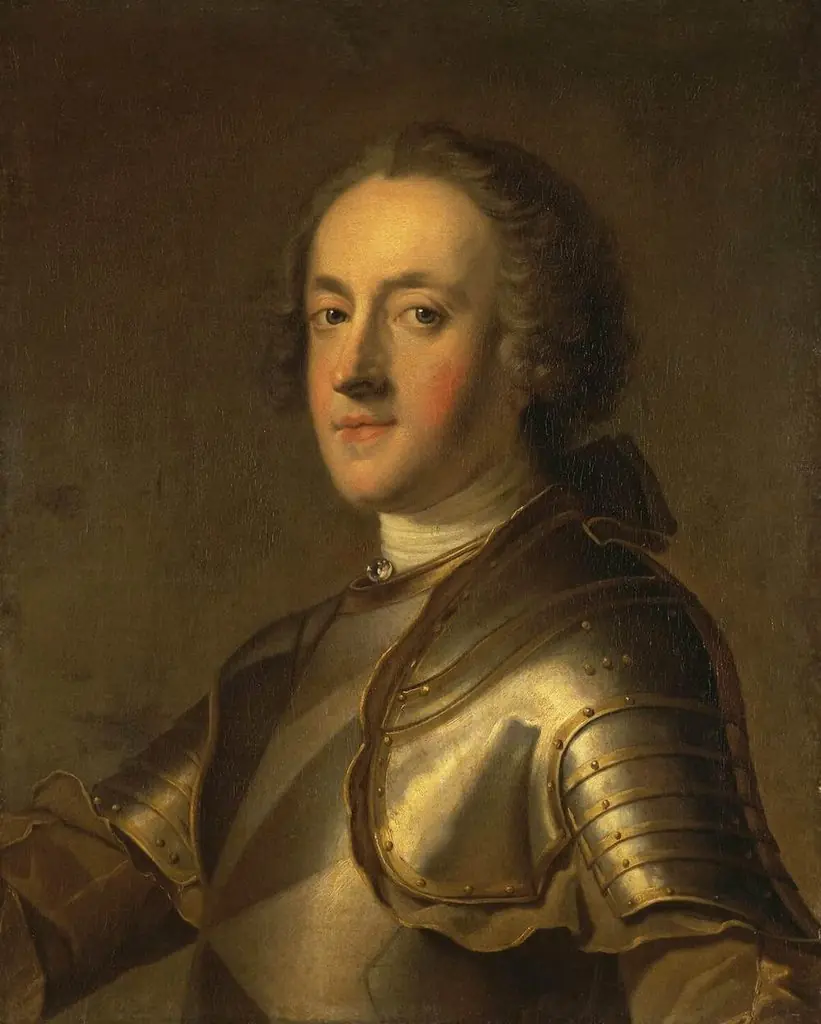
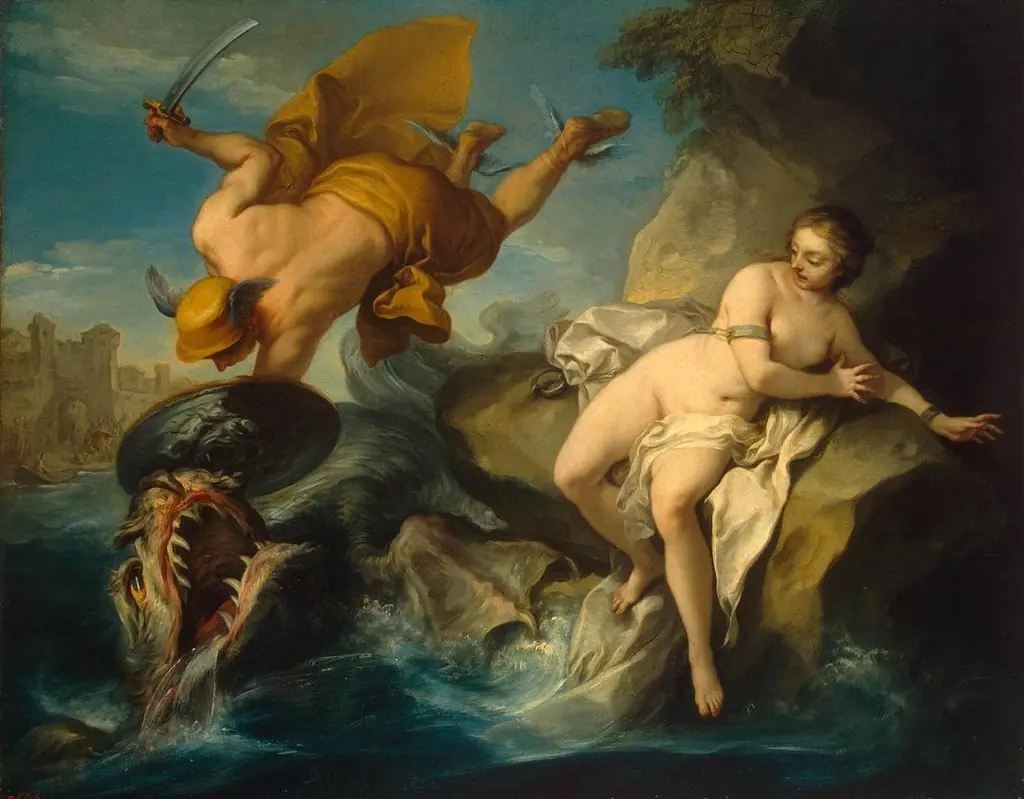
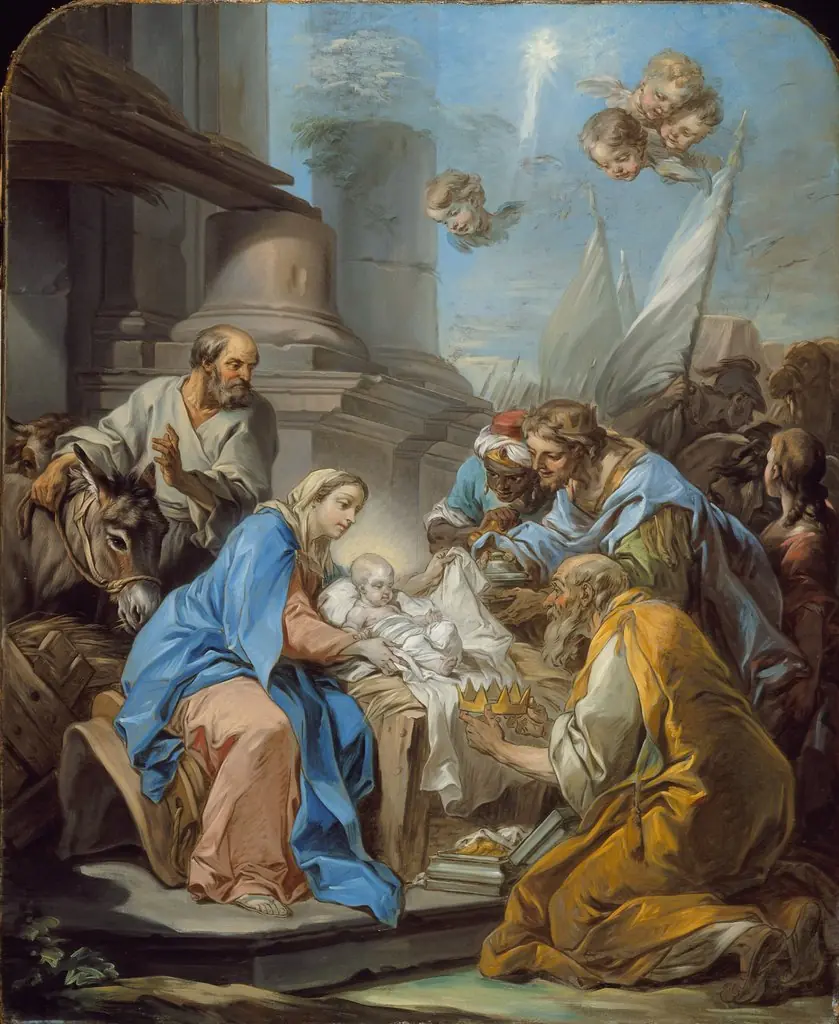
 Marcybela Ogiński
 Rouva Werner
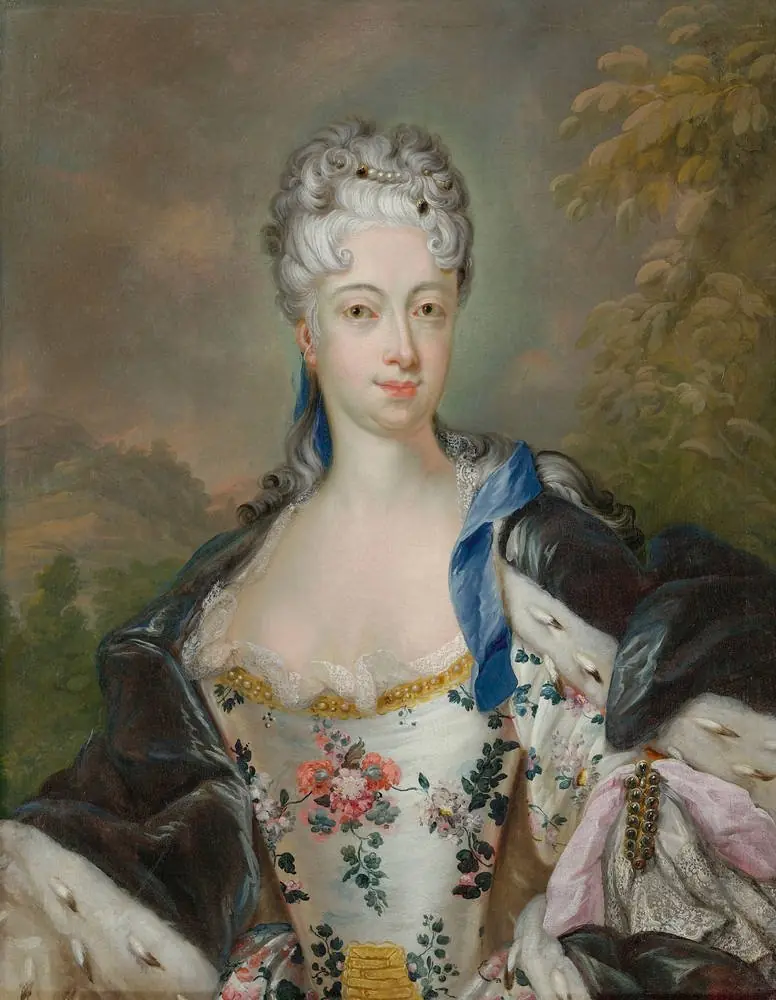 Anna Constanze Gräfin von Cosel (1680-1765)
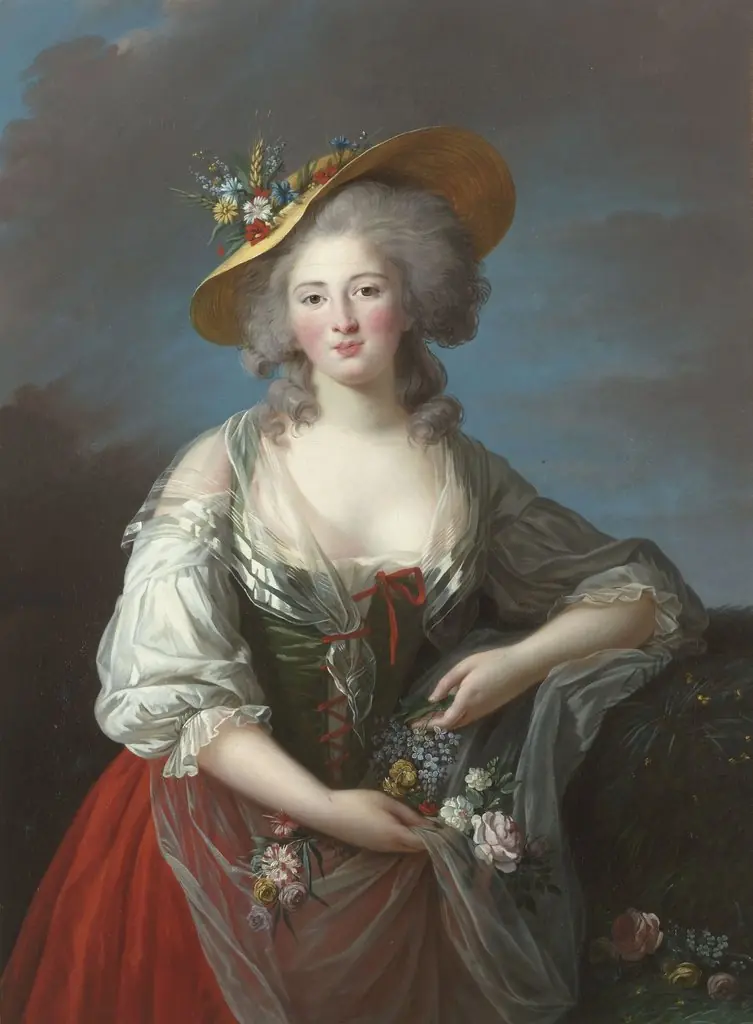 Elisabeth-Philippe-Marie-Hélène de France, dite Madame Elisabeth
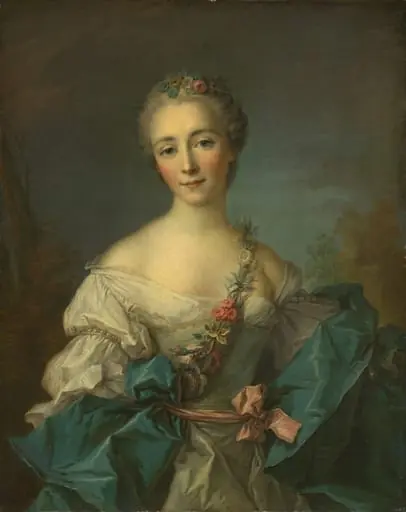 Portrait of a Young Woman
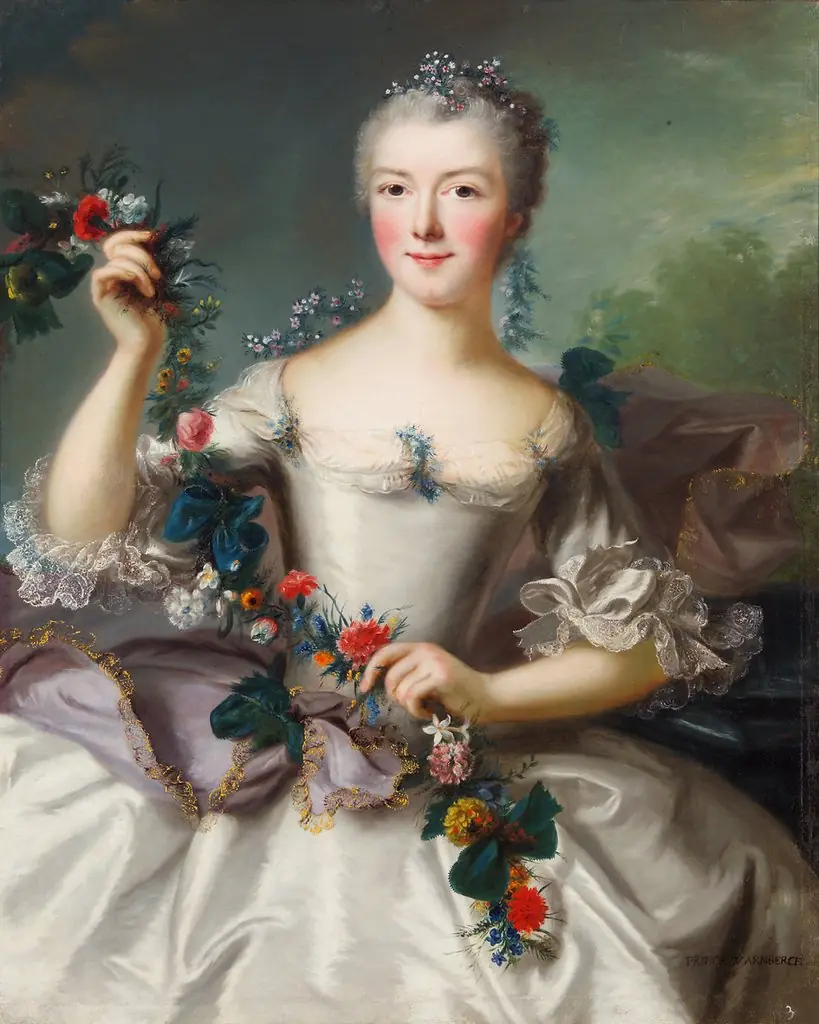 Louise Margarethe (1730-1820) Prinzessin Arenberg, Dreiviertelporträt
 Madame Louise of France
 Naisen muotokuva
 Elizabeth Charlotte of the Palatinate, Duchess of Orléans