Artwork
Narcissi and Chimonanthus
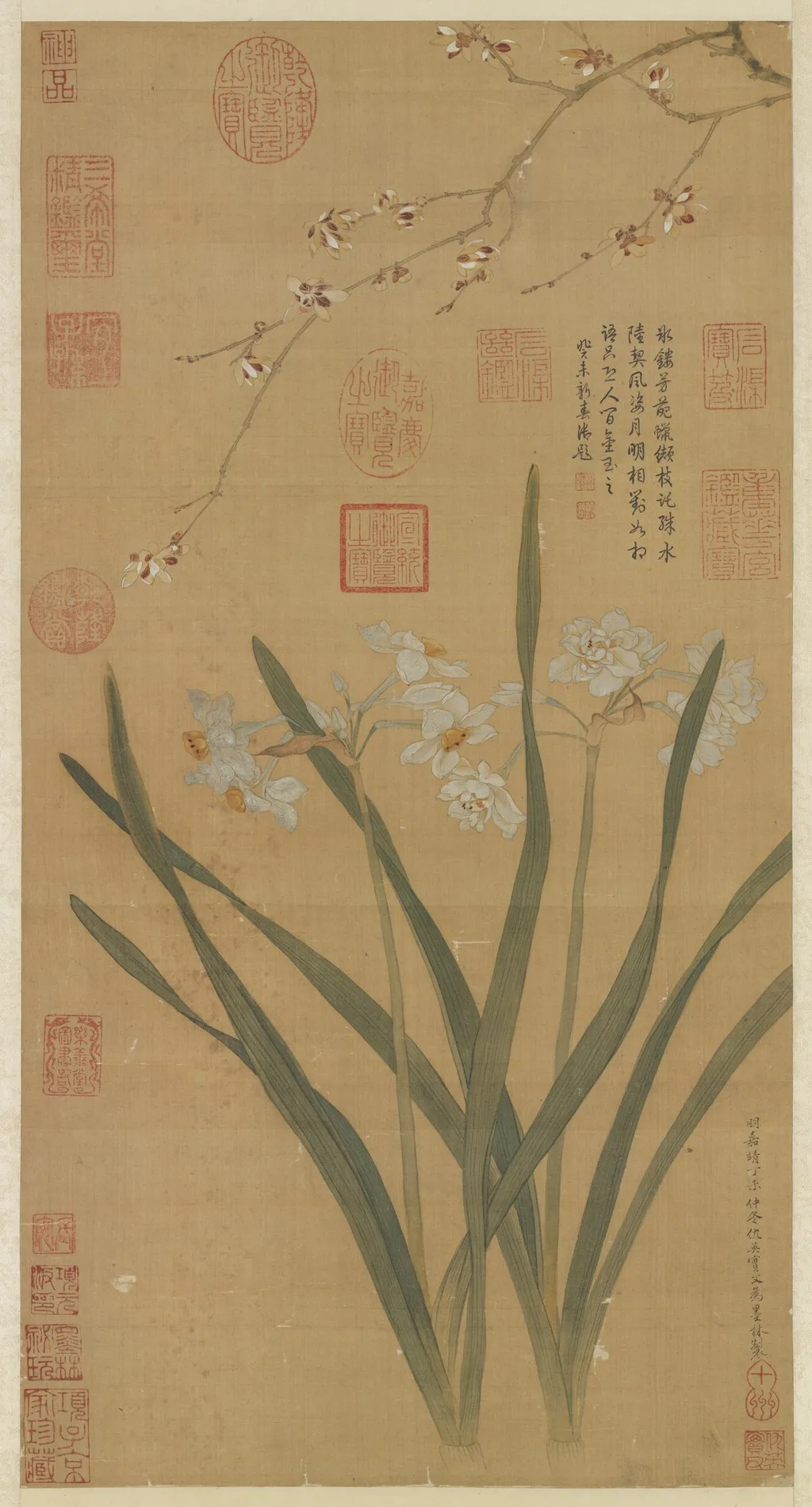
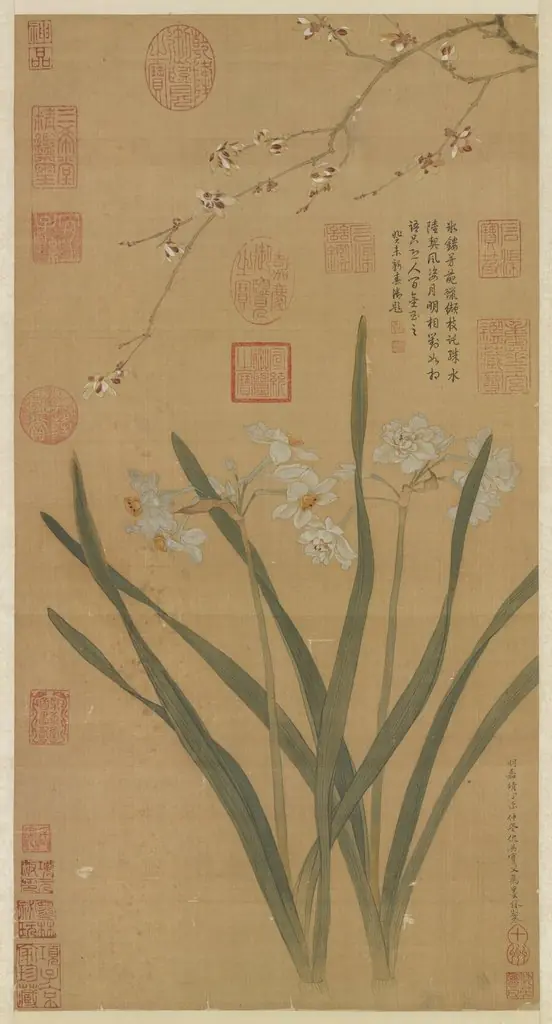
Narcissi and Chimonanthus is an unspecified painting by the Ming dynasty painting artist Qiu Ying. It dates from 1547 and is held in the collection of the National Palace Museum.
About this work
Overview
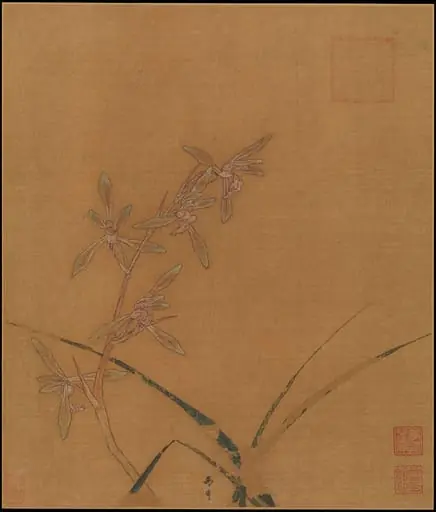
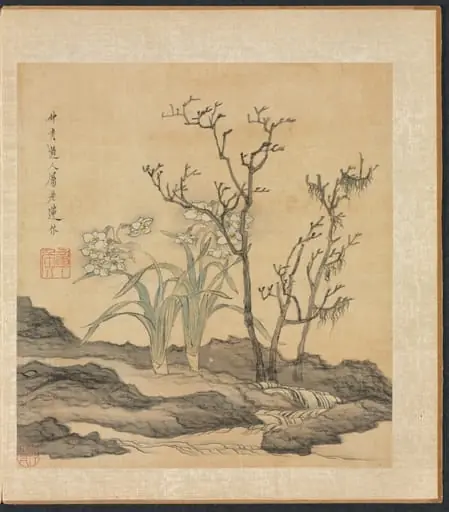
Narcissi and Chimonanthus, a 1547 painting by Qiu Ying, is housed at the National Palace Museum. The work depicts a botanical arrangement of white narcissi flowers with yellow centers, accompanied by budding chimonanthus branches, set against a light brown background.
Subject & Meaning
The subject focuses on the naturalistic representation of specific flora: narcissi in various bloom stages and budding chimonanthus. The emphasis on detailing growth stages may symbolize the cycle of life or the appreciation of fleeting natural beauty, common in traditional Chinese art.
Technique & Style
Executed in a detailed, realistic style, the painting showcases Qiu Ying's mastery of capturing texture through varied green shades for the leaves and meticulous rendering of the flowers' different bloom stages.
History & Provenance
Created in 1547, the painting is part of the National Palace Museum's collection, indicating its historical and artistic significance within the museum's holdings of Chinese art.
Context
This work reflects the Ming dynasty's (1368-1644) artistic penchant for precise botanical illustrations, often imbued with symbolic meanings, and the cultural value placed on nature and its transient beauty.
Legacy
As a preserved example of 16th-century Chinese botanical painting, Narcissi and Chimonanthus contributes to the understanding of Ming dynasty art's attention to natural detail and symbolic depth, influencing subsequent generations of Chinese artists.
Artist & collection


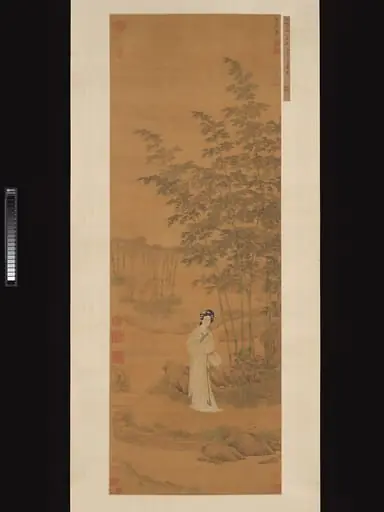 明 傳仇英 文玉圖 軸圖 軸|Lady in a Bamboo Grove
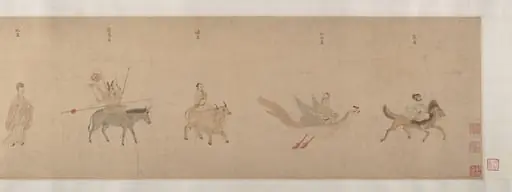 明 傳仇英 五星二十八宿神形圖 卷|Divinities of the Planets and Constellations
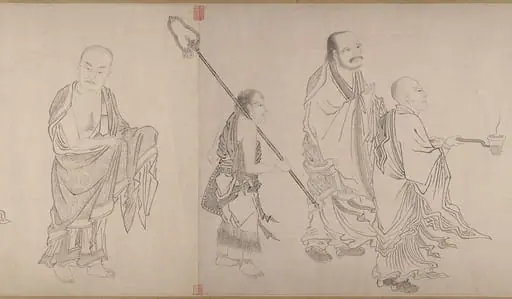 明 傳仇英 十六羅漢圖 卷|The Sixteen Luohans
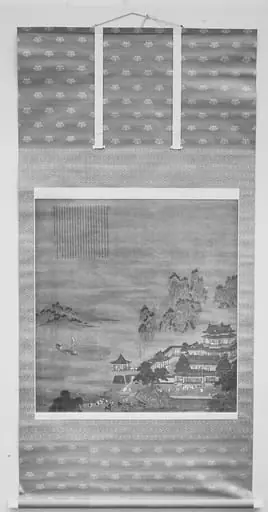 明 佚名 傳仇英 唐宫圖 軸|A Tang Palace
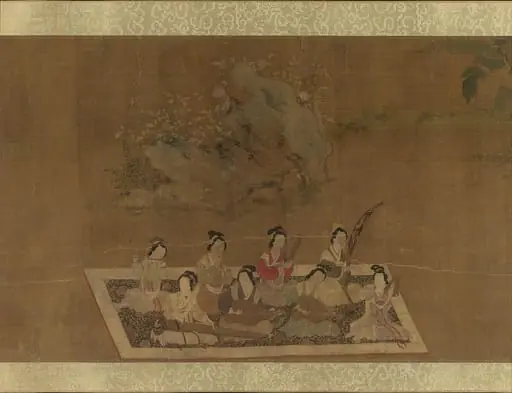 明 佚名 蘇蕙璇璣圖 卷|Lady Su Hui and Her Verse Puzzle
 Zhao Mengfu Writing the Heart (Hridaya) Sutra in Exchange for Tea
 Garden for Solitary Enjoyment
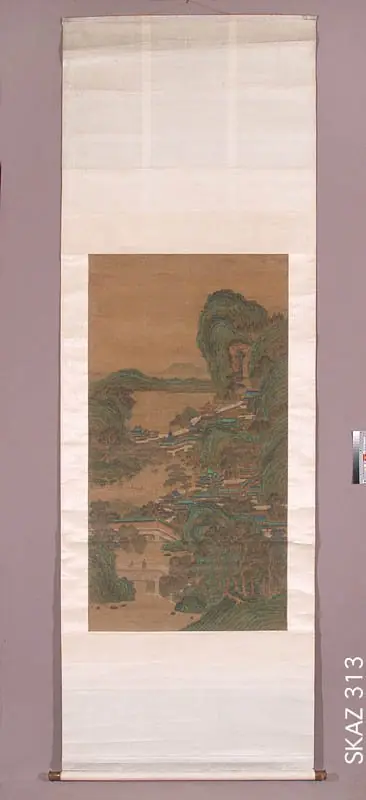 Pałac nad brzegiem jeziora - pejzaż