Artwork
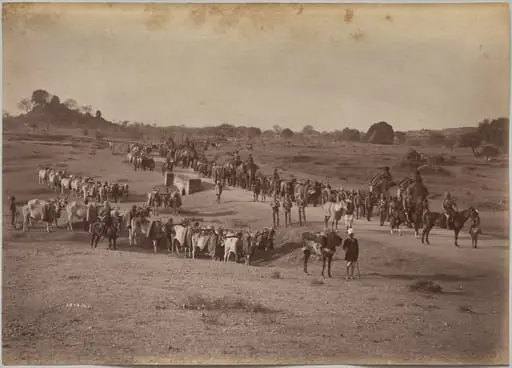
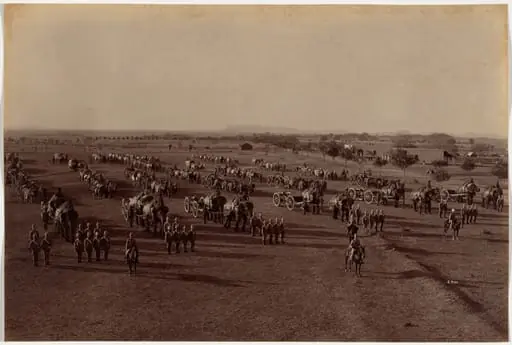
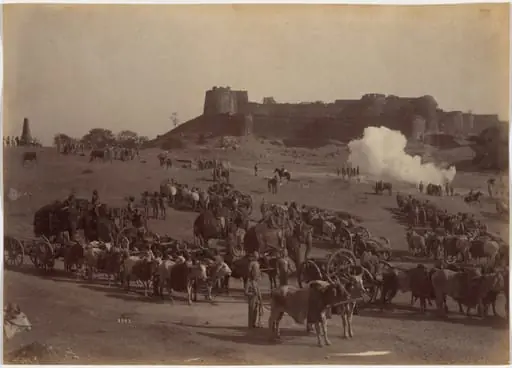
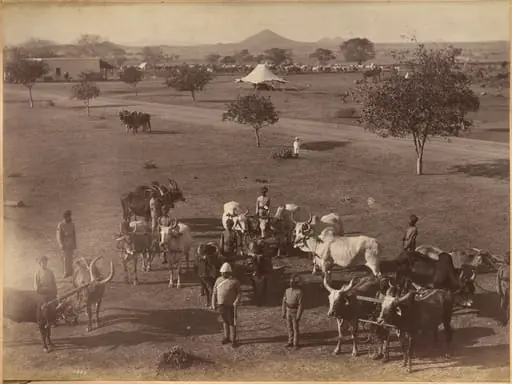
Elephant Battery, Jhansi
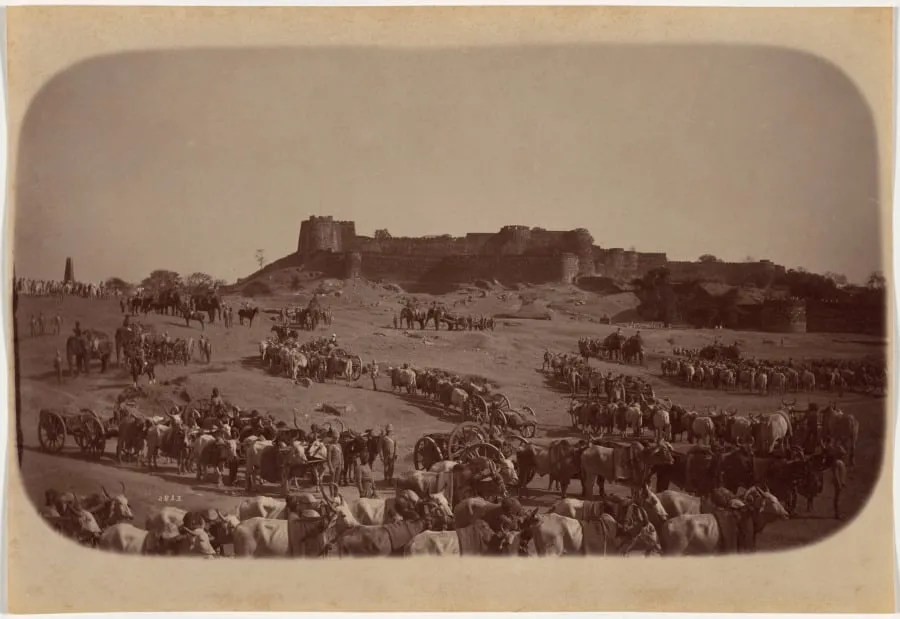
Elephant Battery, Jhansi is a photography by the Impressionist artist Raja Deen Dayal. It dates from 1887 and is held in the collection of the Cleveland Museum of Art.
About this work
If you like this, check out Raja Deen Dayal (Indian, 1844–1905) on the museum’s site.
This painting shows elephants hauling big artillery pieces through a dry landscape. The men in red coats and turbans stand back as the animals strain against ropes. You can see the strain in their legs and the heavy guns sinking into the dust.
Raja Deen Dayal took this photo in 1887 for British officers. It mixes war with spectacle—tourists watched these drills like a show. The elephants carried supplies that cannons couldn’t reach. Their work kept the army moving.
If you like this, check out Raja Deen Dayal (Indian, 1844–1905) on the museum’s site.
Overview
Elephant Battery, Jhansi is a photograph taken by Raja Deen Dayal in 1887, depicting elephants hauling heavy artillery through a dry landscape.
Subject & Meaning
The image captures the role of elephants in the British Indian Army, transporting heavy guns and supplies, highlighting their importance in military logistics.
Technique & Style
The photograph showcases Deen Dayal's ability to convey the strain and effort of the elephants as they pull heavy loads, with the men in red coats and turbans observing from a distance.
History & Provenance
Commissioned for British officers, the photograph was likely intended as a souvenir of the military forces employed by the British Indian Army.
Context
The use of elephants in warfare dates back to ancient India, but by the late 19th century, their role had shifted from combat to support, leveraging their strength to transport heavy equipment.
Artist & collection

Artist
Raja Lala Deen Dayal, famously known as Raja Deen Dayal) was an Indian photographer.

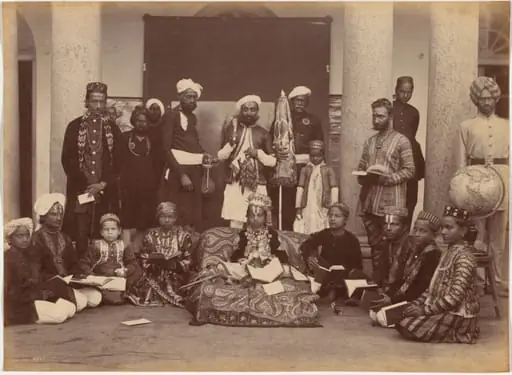 Maharaja of Rewa and Classmates
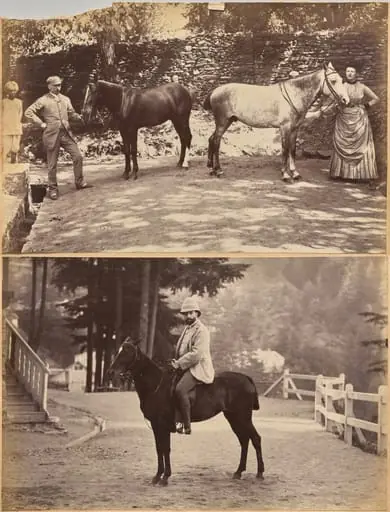 Col. F. G. Oldham (recto, top); Mr. Nowell, Shimla (recto, bottom)
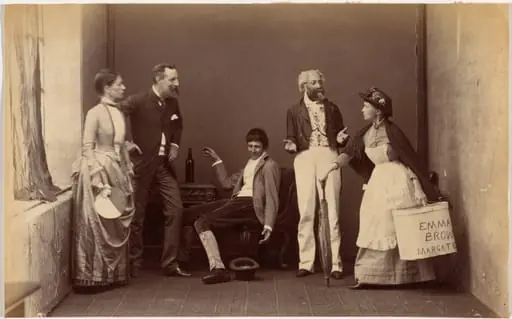 Fancy Group, Indore I
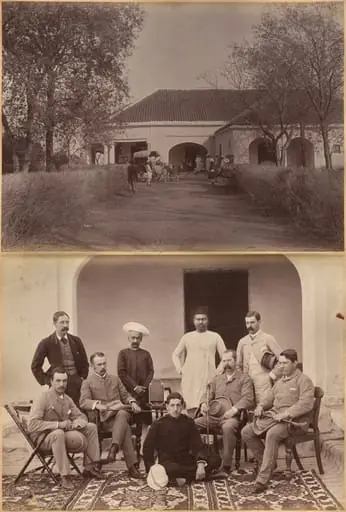 Civil officers at Jhansi (recto); Mr. William's House, Jhansi (verso)
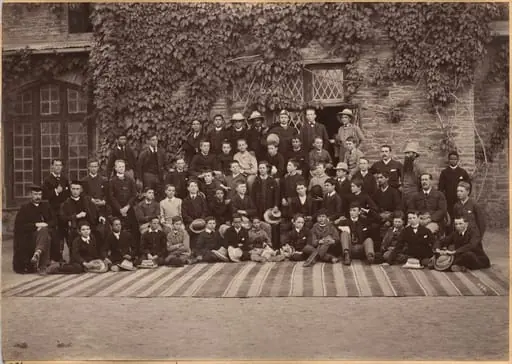 Middle Class Students and Staff, Bishop Cotton School, Shimla (verso)
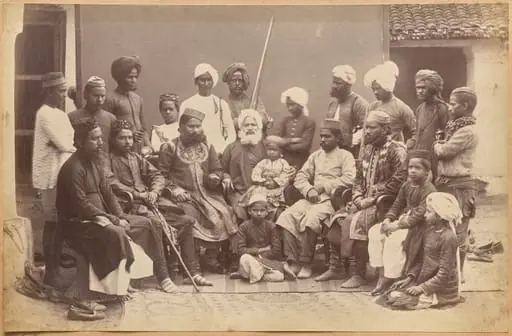 Mowhri Rahman Alli Khan family, Rewa (recto, bottom)
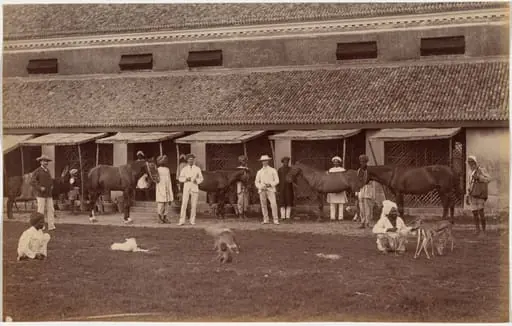
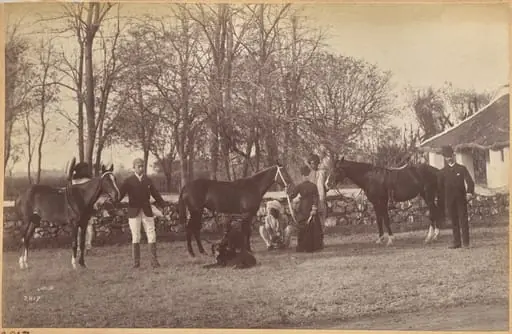
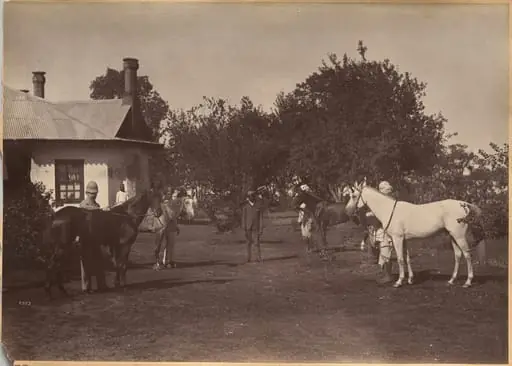 Lord William Beresford's horses
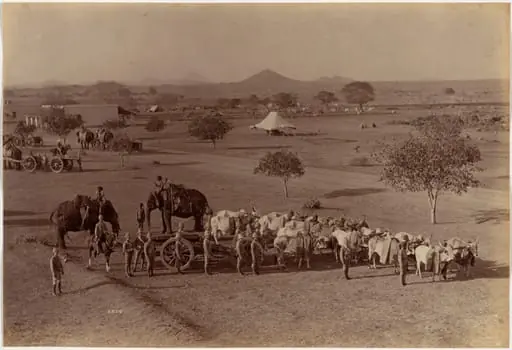 Heavy Field Battery, Jhansi